Furnace Repair in North Dakota
Homes in North Dakota need heat for more months of the year than in 35 of the other 49 states.
Tell us about the job
Takes about a minute. No obligation.
- 4°Fwinter overnight low where people live
- 9 monthsof heat, September through May
- $8.44 per million Btuwhat homes paid for natural gas in 2024 (Btu means British thermal units, a measure of heat)
- 1,982winter storms from 2015 to 2024
Nine months of heat wears furnaces down. Nights averaging 4°F make it worse.
- Coldest nights in Towner County, mildest in Bowman County
- Winter nights average 4°F where people live
- Heat runs September through May
- 1,982 winter storms from 2015 to 2024
- Climate zones 6A and 7 across the state
- 7% of homes lost power a day or more in 2024
Half of North Dakota's homes were built in 1982 or later.
Most furnace calls here turn out to be a normal part wearing out, not something the cold caused. An igniter fails, a flame sensor gets a coating on it, a blower motor wears down. These happen in Fargo the same way they happen in Phoenix. The cold makes the furnace run more, and running more means parts reach the end of their life sooner, but the failure itself is ordinary.
Natural gas ran $8.44 per million Btu in North Dakota in 2024. That number matters for a different reason than people expect. A furnace that is short cycling, or one with a cracked heat exchanger, burns gas without heating the house well, and the bill shows it before anything else does. If the gas bill jumped and the house still feels cold, that is worth having someone look at.
Nine months of run time
September through May is nine months of run time, more than 35 other states see. The furnace comes on in September and mostly doesn't get a break until May. Whatever was already worn tends to give out early, often in that first cold snap rather than deep into the season. A weak igniter or a tired blower motor can limp along through a mild stretch and then quit the first night it has to work for real. If it's acting up in September, don't wait to see if it clears up on its own.

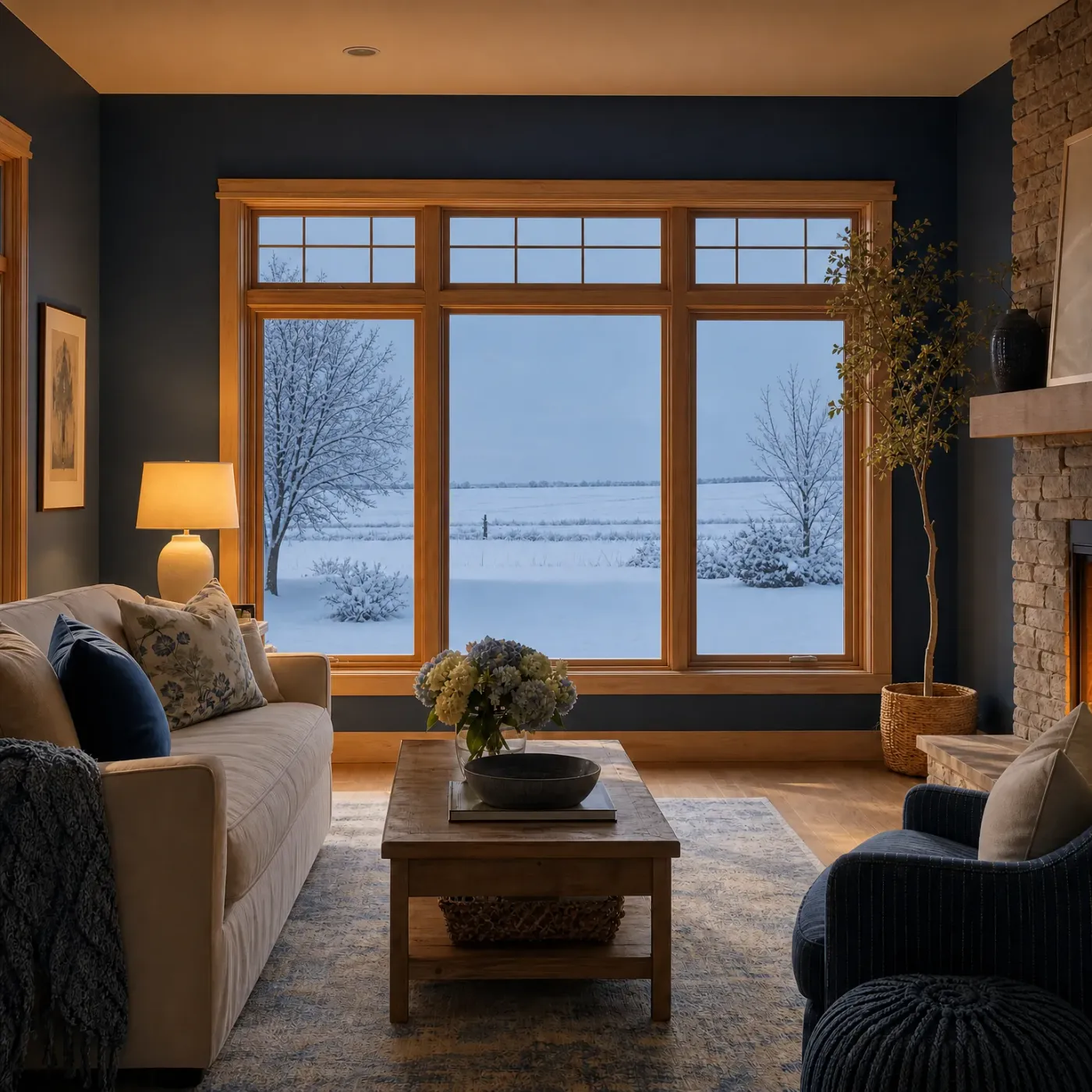
2 months of cooling, July through August
9 months of heat, September through May
What does a furnace in North Dakota face?
How cold do winter nights get?
4°Faverage overnight low where people live
North Dakota4°F
Hawaii65°F
How many months does the heat run?
9 monthsof heating a year
Hawaii0 months
Alaska12 months
What does natural gas cost?
$8.44per million Btu, what homes paid in 2024
Montana$7.77
Hawaii$53.25
How often do storms hit?
238severe weather events per county from 2015 to 2024
Alaska5
Wyoming1,057
How many homes lost power for a day or more?
7%of homes in 2024
Arizona7%
Maine54%
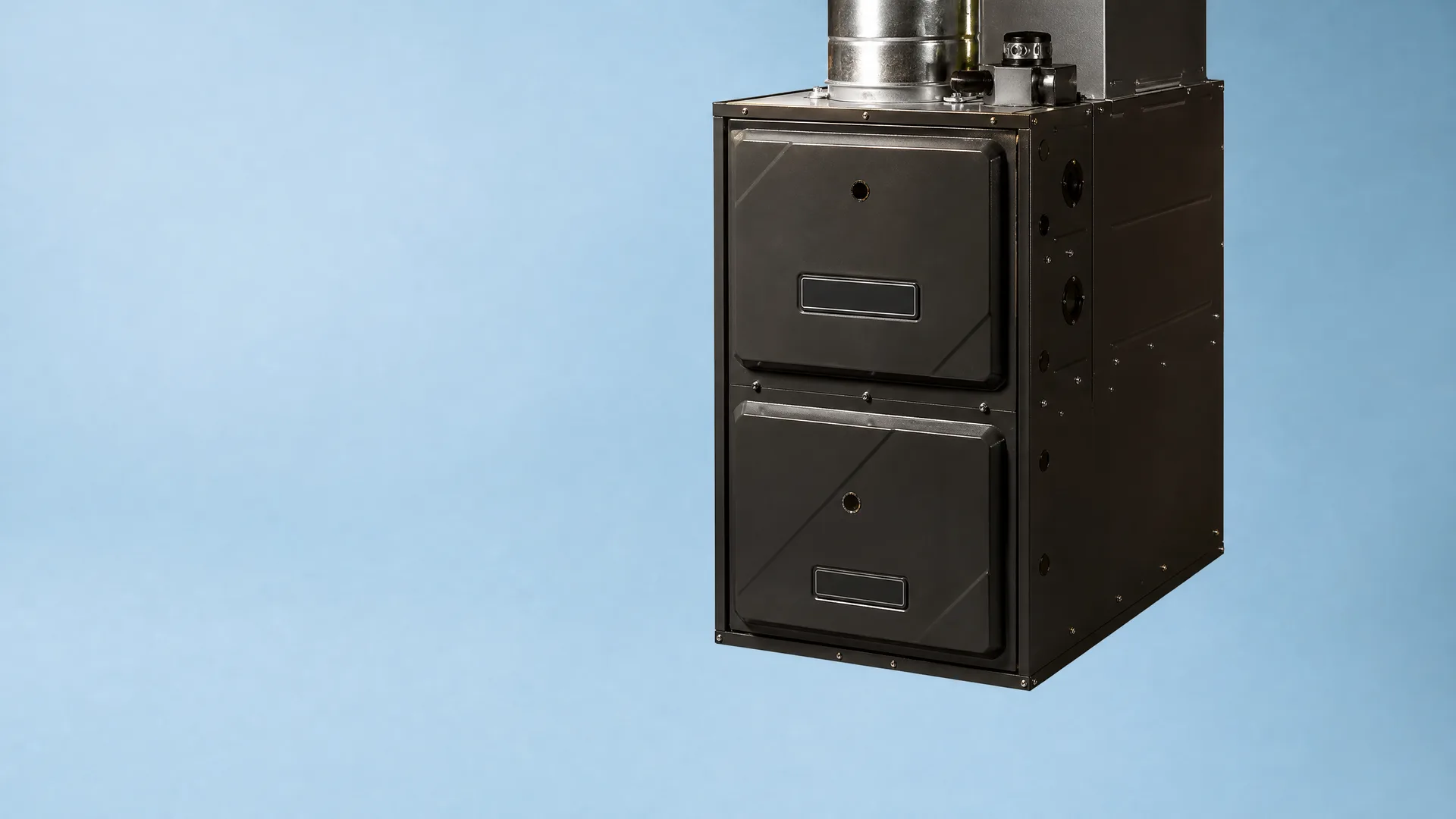
What a repair call should actually check
Every start is a small strain on this furnace. The igniter heats up, the gas valve opens, the flame sensor confirms the flame caught, all within a few seconds. Nine months of heat means this furnace fires that sequence far more often than one that only runs part of the year. A repair call worth paying for checks the parts that take that strain. The igniter for a weak or cracked element. The flame sensor for a coating that makes it misread the flame. The blower motor for bearings starting to go. Finding which one is actually failing is what keeps the same call from happening again in January.
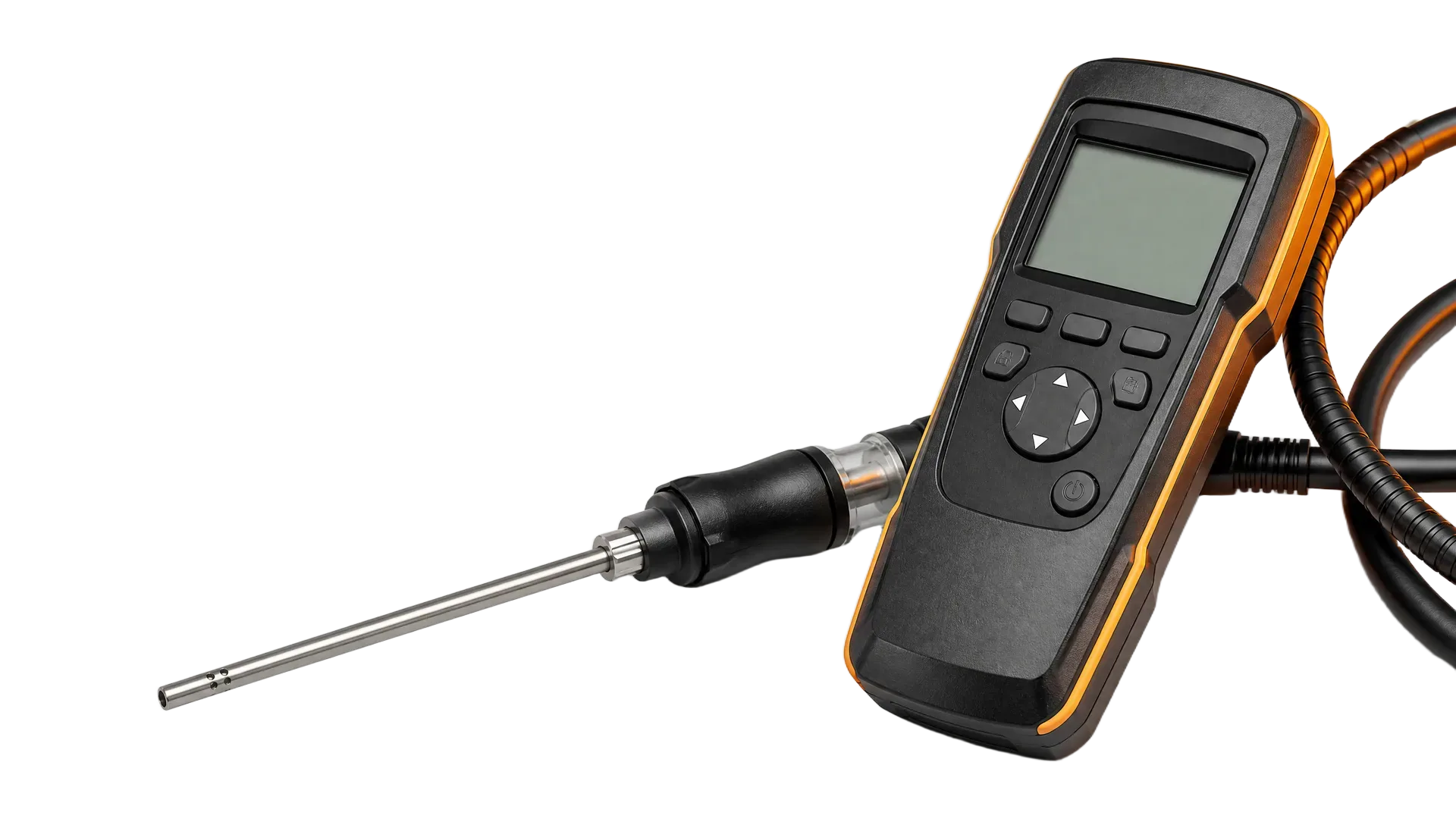
Why waiting makes some furnace problems worse
A furnace that's struggling tends to get worse if it's left running instead of looked at. A cracked heat exchanger doesn't heal itself. It spreads a little more with every heat cycle, and each cycle lets more exhaust mix with the air the blower is pushing into the house. A flame sensor with a light coating is still catching the flame, barely. Left alone, that coating builds until the sensor stops reading the flame at all, and the furnace shuts itself down, often in the middle of a cold night. A blower motor with worn bearings keeps turning, but it draws more current to do the same work, and that extra heat has to go somewhere. Short cycling works the same way. A furnace firing up, running briefly, and shutting off is usually a safety switch cutting the cycle short because of restricted airflow or a failing limit switch. That cause doesn't go away on its own, and every short cycle puts wear on the igniter and the gas valve that a full, normal cycle wouldn't. None of this means every odd noise is an emergency. But a furnace that's clearly struggling tends to fail on its own schedule, not on a convenient one.
A newer house usually means a furnace worth fixing
Half the homes in North Dakota were built in 1982 or later, and houses here skew newer than in most of the country, newer than in 28 other states. A furnace that came with a newer house hasn't necessarily been run into the ground. If yours is acting up, that's usually a reason to fix the part that's failing, not to start pricing a replacement.
A furnace that's struggling now, nine months into its run, won't get better on its own.
Tell us about the job
Takes about a minute. No obligation.
Fill out the form once and hear from a licensed North Dakota contractor about what's actually failing.