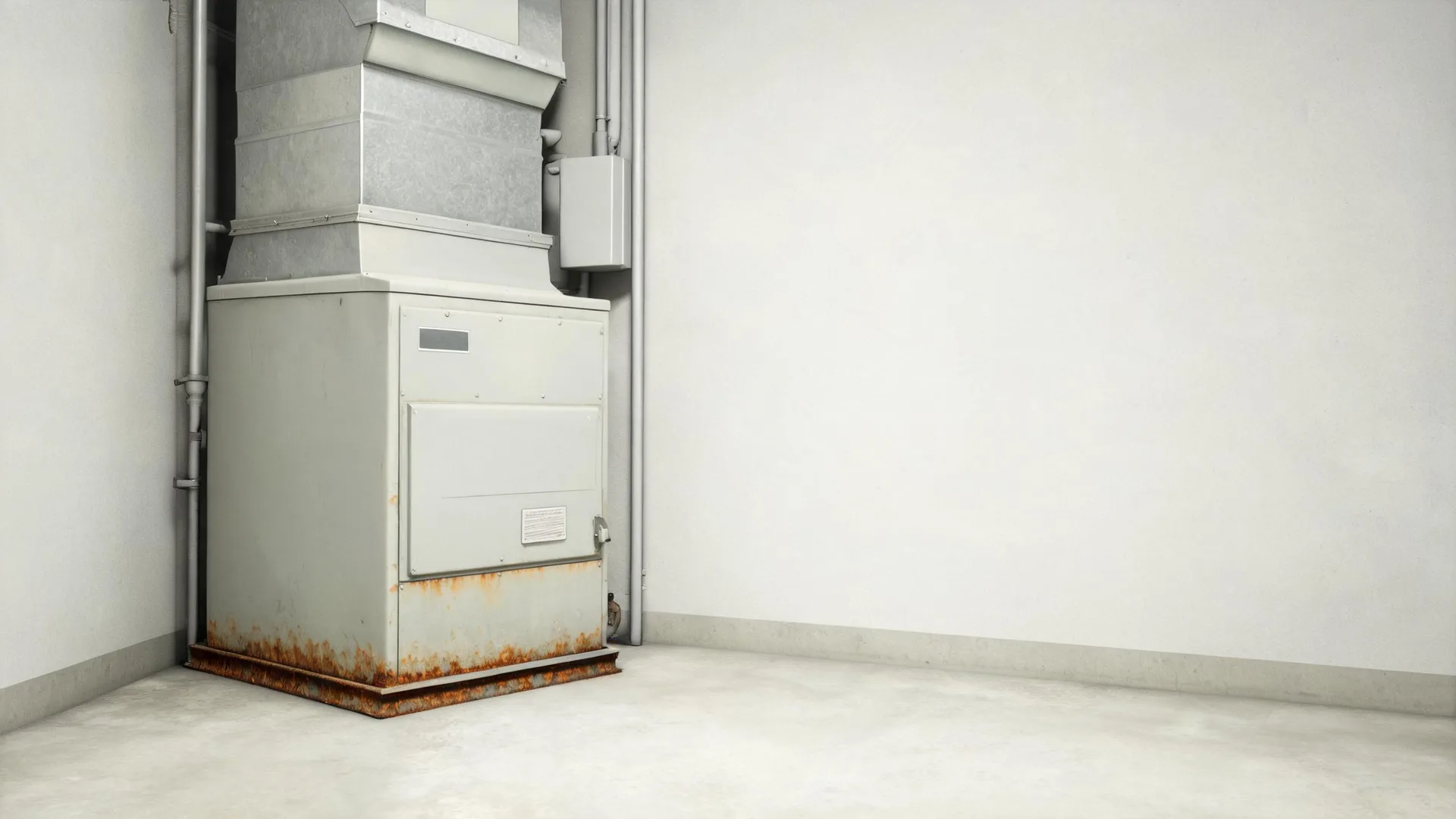
Nine months of heat
A furnace in Leeds runs from September through May. That's most of the year asking the same burner and blower to cycle on and off, day after day.
Takes about a minute. No obligation.
A furnace in Leeds runs from September through May. That's most of the year asking the same burner and blower to cycle on and off, day after day.
Overnight lows average 1°F through December, January and February. A furnace working that hard against that kind of cold wears out its igniter, blower motor and other parts sooner than one in a milder place.
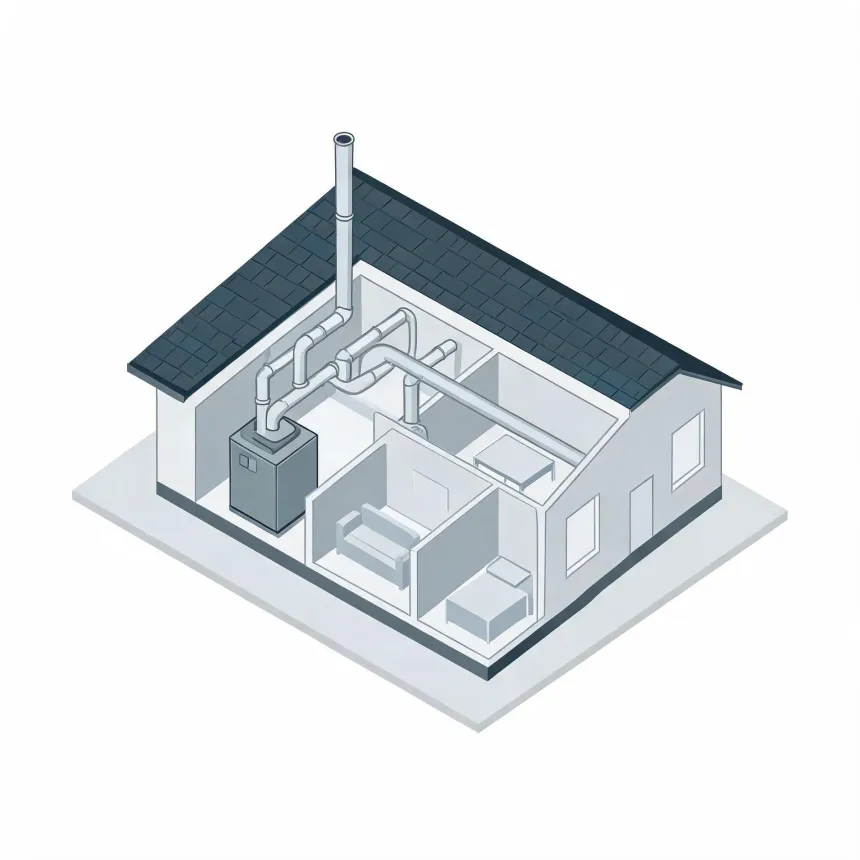
NOAA nClimDiv, 1991–2020 normals
Propane in North Dakota ran $17.33 per million Btu in 2024.
A furnace that's short-cycling or running long burns through that propane fast, so a repair delayed is money gone every month it waits.

Heat goes on in Leeds come September. The first cold snap is when a furnace shows you what it couldn't fix on its own all summer, sitting idle. A cracked heat exchanger, a weak igniter, a blower motor that was already struggling, all of it waits for that first real load to fail. Get a furnace looked at in August, before it's asked to run, and a technician can catch what's about to go instead of what already has. Wait until September and you're calling about a furnace that quit on the first cold night, not one that's acting a little off.
A furnace running nine months a year against lows near 1°F doesn't leave much room for guessing. Get the actual cause checked, igniter, blower motor, whatever it is, so the fix holds through the rest of winter.
Find a contractor
If the furnace came with the house, ask the technician how old it actually is before approving a repair. A furnace from that era has likely had its igniter or blower motor replaced already. Past a certain age, a cracked heat exchanger or a failing control board is worth pricing against a new furnace, not just patching again.
Look at the thermostat before anything else. Make sure it's set to heat and the set point is above room temperature, and swap the batteries if it uses them. Check that the furnace switch, the one that looks like a light switch near the unit, is flipped on. Look at the breaker. A tripped breaker or a furnace switch bumped off during cleaning explains a lot of no-heat calls.
Pull the filter and hold it up to a light. If you can't see light through it, it's choking off airflow and the furnace is working against itself. Check the vent pipe outside for blockages like snow or a bird's nest. If you can see the burner flame through the viewing window, it should burn blue and steady, not yellow or flickering. A yellow flame isn't a do it yourself fix, but it tells the technician something before they arrive.
Estimates for a typical Benson County home, compared with an older unit built to the previous federal minimum, from EIA household energy data, North Dakota fuel prices and NOAA climate normals. Your home will differ.
Repair makes sense when one part has failed and the heat exchanger is sound.
Replacement makes sense when the heat exchanger is cracked or the furnace keeps needing parts.
A repair is worth making when the part that failed is one part, and the rest of the furnace is sound. An igniter, a flame sensor, a blower motor, a control board, those fail on their own and swapping one doesn't put stress on anything else. A cracked heat exchanger is a different kind of problem. It means the furnace has been running with a fault in the one part that's not meant to fail, and it's not worth repairing around. Age matters less than what's already been replaced. A furnace that's had its igniter and blower motor done once is a furnace still worth fixing. One that's losing a different part every season is telling you the whole unit is wearing out at once, not piece by piece.