
Heat Pump Installation in North Dakota
Across the counties where its people live, North Dakota recorded more severe weather from 2015 to 2024 than 33 of the other 49 states.
Tell us about the job
Takes about a minute. No obligation.
- 4°Fwinter overnight low where people live
- 9 monthsof heat, September through May
- 80°Fsummer afternoon high where people live
- 2 monthsof cooling, July through August
North Dakota asks nothing extra here Standard sizing works statewide
- Southern counties need about 20% more cooling than northern ones
- Winter nights average 4°F where people live
- Summer afternoons average 80°F where people live
- Heat runs September through May
- Cooling runs July through August
- 1,982 winter storms from 2015 to 2024

- A contractor sizes the new system to the home itself, not just the old unit it's replacing
- Refrigerant lines and electrical connections get checked against what the new equipment actually needs
- Correct refrigerant charge gets set and verified at startup, which affects heating and compressor life
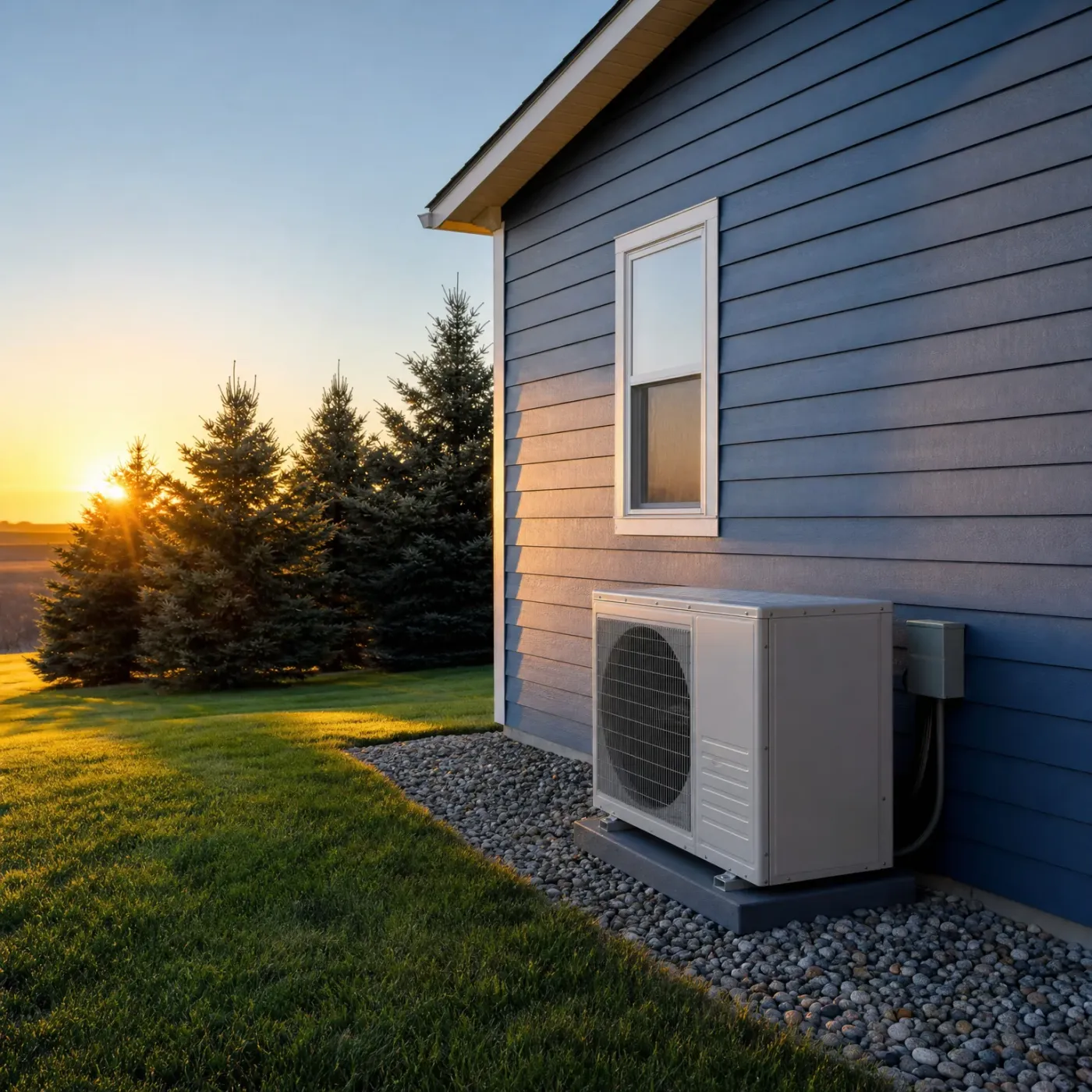
- The outdoor unit gets placed with clearance for airflow, not pushed against a wall
- The thermostat gets configured for the new equipment, including how backup heat kicks in
Gas heats more homes in North Dakota than anything else, 41.3 percent, with electricity close behind at 40.0 percent. Propane covers another 13.5 percent, mostly where gas lines don't run. A heat pump installed here usually goes in alongside one of these, not in place of all of them, since most homes already have a furnace to pair it with or back it up.
A heat pump works by moving heat rather than burning fuel for it, so on the coldest days output drops off and something else needs to carry the load. That's why the pairing matters more than the brand here. If your home runs on gas or propane now, that furnace can usually stay as the backup. If it's electric, the contractor will size the heat pump and the backup heat to work together rather than fight each other.
A heating system that happens to cool, not the other way around
Nine months of heat a year, down to 4°F on a January night, means a heat pump here runs through more cold than almost any other state gets. Summer is short, two months, so most of its work is heating, not cooling. That's the opposite of how the equipment gets talked about, since the word "heat pump" still makes people think of air conditioning with a bonus feature. Here it's a heating system first. The backup heat and the balance point, the outdoor temperature where the furnace takes over, matter more than they would somewhere mild. A contractor sizing this for a North Dakota winter is solving a different problem than one sizing it for Atlanta.
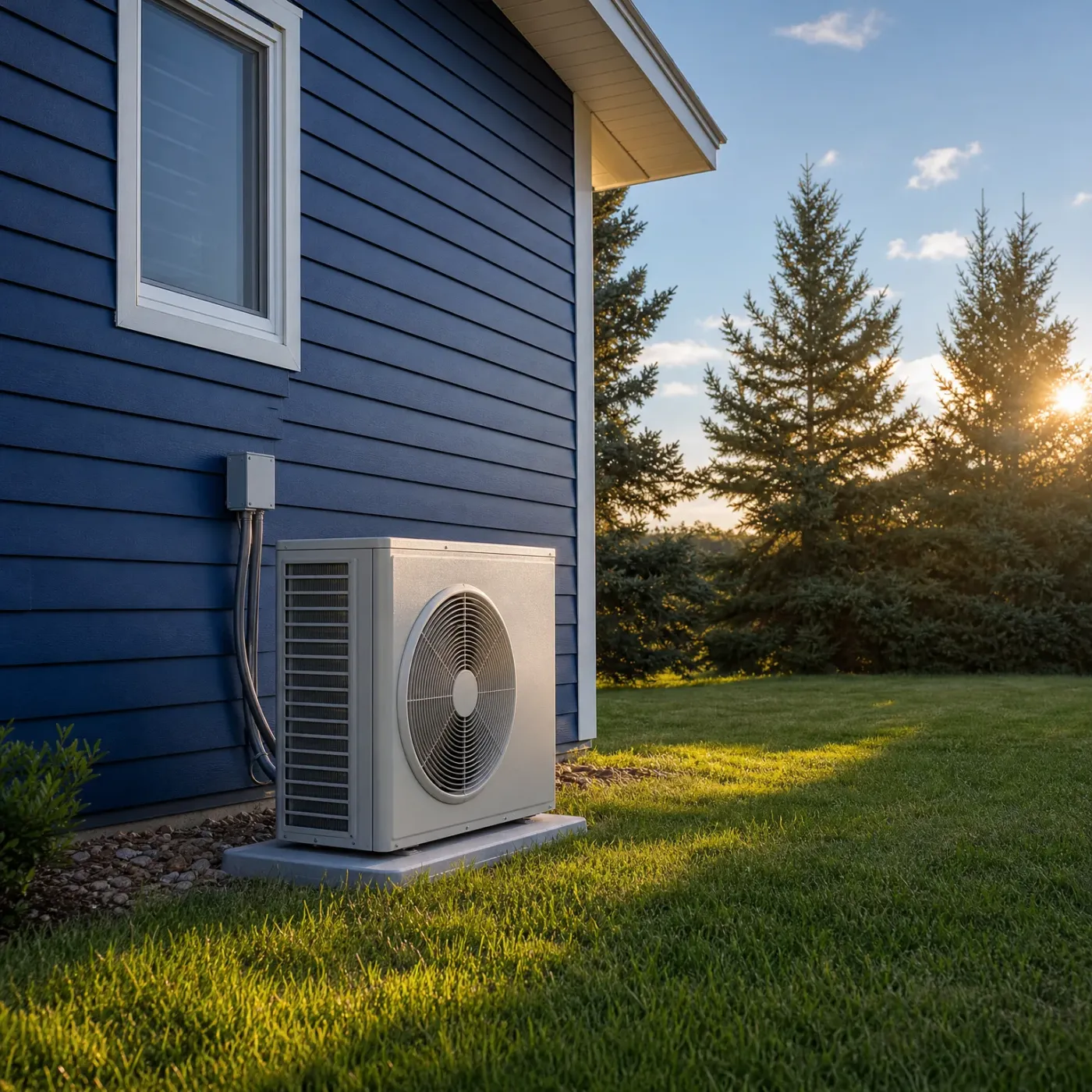
2 months of cooling, July through August
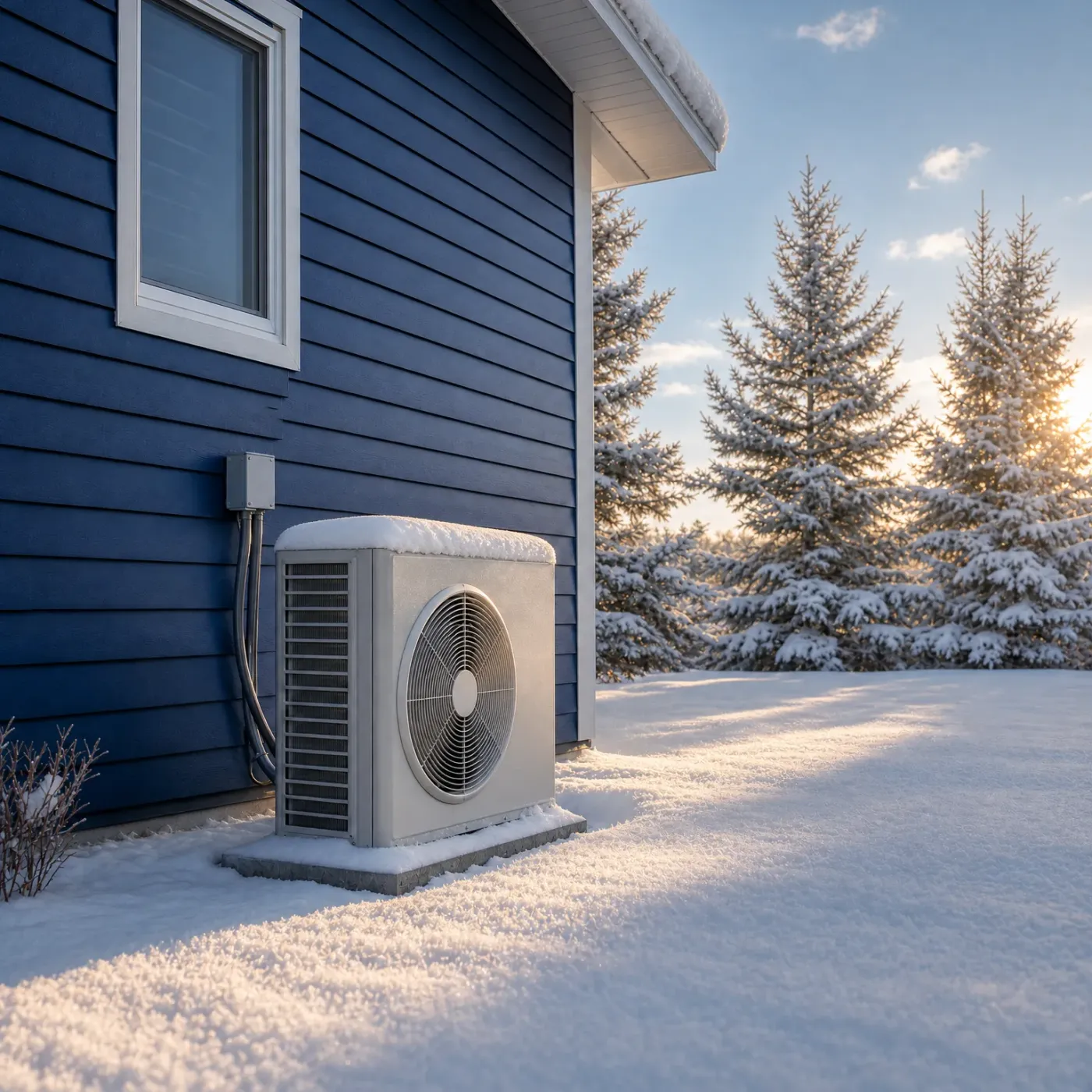
9 months of heat, September through May
North Dakota's winter nights are colder than those of every other state. That cold is not even across North Dakota itself. Towner County's winter nights average -1°F. Bowman County's average 9°F. A heat pump sized for one county is not sized right for the other.
Summer runs the other direction. Homes in the state's southern counties need about 20% more cooling over a year than homes in the north. The season is short, two months, but the equipment still has more work to do in the south than in the north.
Hail is worth sizing around too, and it has nothing to do with heating or cooling. North Dakota recorded more hail from 2015 to 2024 than most other states see. That's a reason to think about where the outdoor unit sits and what shields it, not about how big it needs to be.
The equipment itself doesn't change. It's a heat pump built for a cold climate wherever it goes in North Dakota. But a contractor working in Towner County is sizing against a colder night than one working in Bowman County, and a contractor in the southern counties is sizing for more cooling hours than one in the north.
What does a heat pump in North Dakota face?
How hot do summer afternoons get?
80°Faverage afternoon high where people live
Alaska66°F
Arizona101°F
How cold do winter nights get?
4°Faverage overnight low where people live
North Dakota4°F
Hawaii65°F
How many months does the heat run?
9 monthsof heating a year
Hawaii0 months
Alaska12 months
What does electricity cost?
11.51¢per kWh (kilowatt hours, the unit on an electric bill), what homes paid in 2024
North Dakota11.51¢
Hawaii42.86¢
How often do storms hit?
238severe weather events per county from 2015 to 2024
Alaska5
Wyoming1,057
How many homes lost power for a day or more?
7%of homes in 2024
Arizona7%
Maine54%
Get it done before August ends
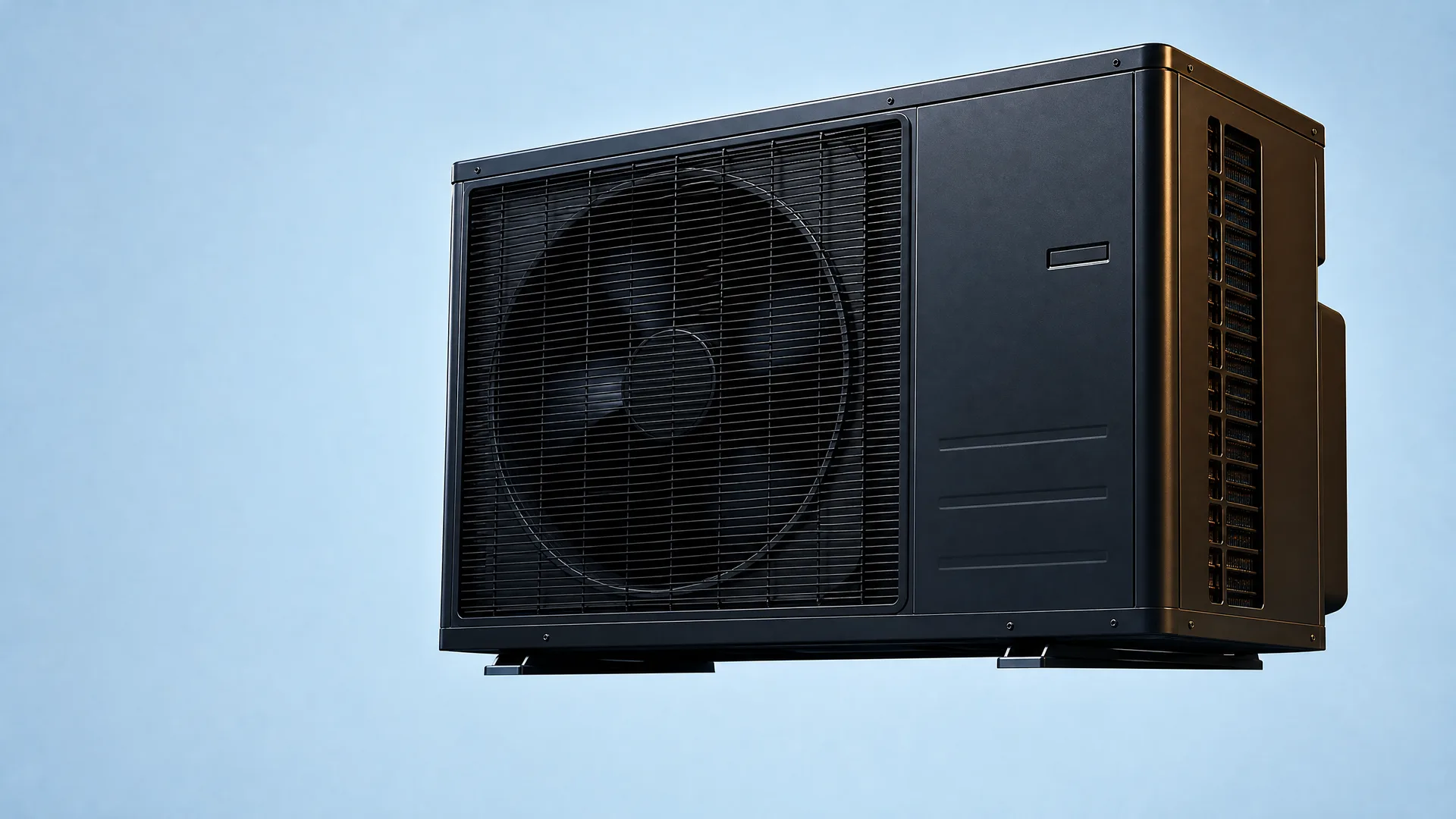
Heat runs here from September through May, nine months of the year. August is the month before that starts, and it's the better month to get a heat pump put in. A contractor needs time to size the unit to your home, check the electrical and refrigerant lines, and set the charge correctly, work that goes slower once the ground is cold and the crew is booked solid. Wait for the old system to fail on its own and the replacement happens on whatever timeline that failure allows, not the one you'd choose.
The rating on the label is not one number
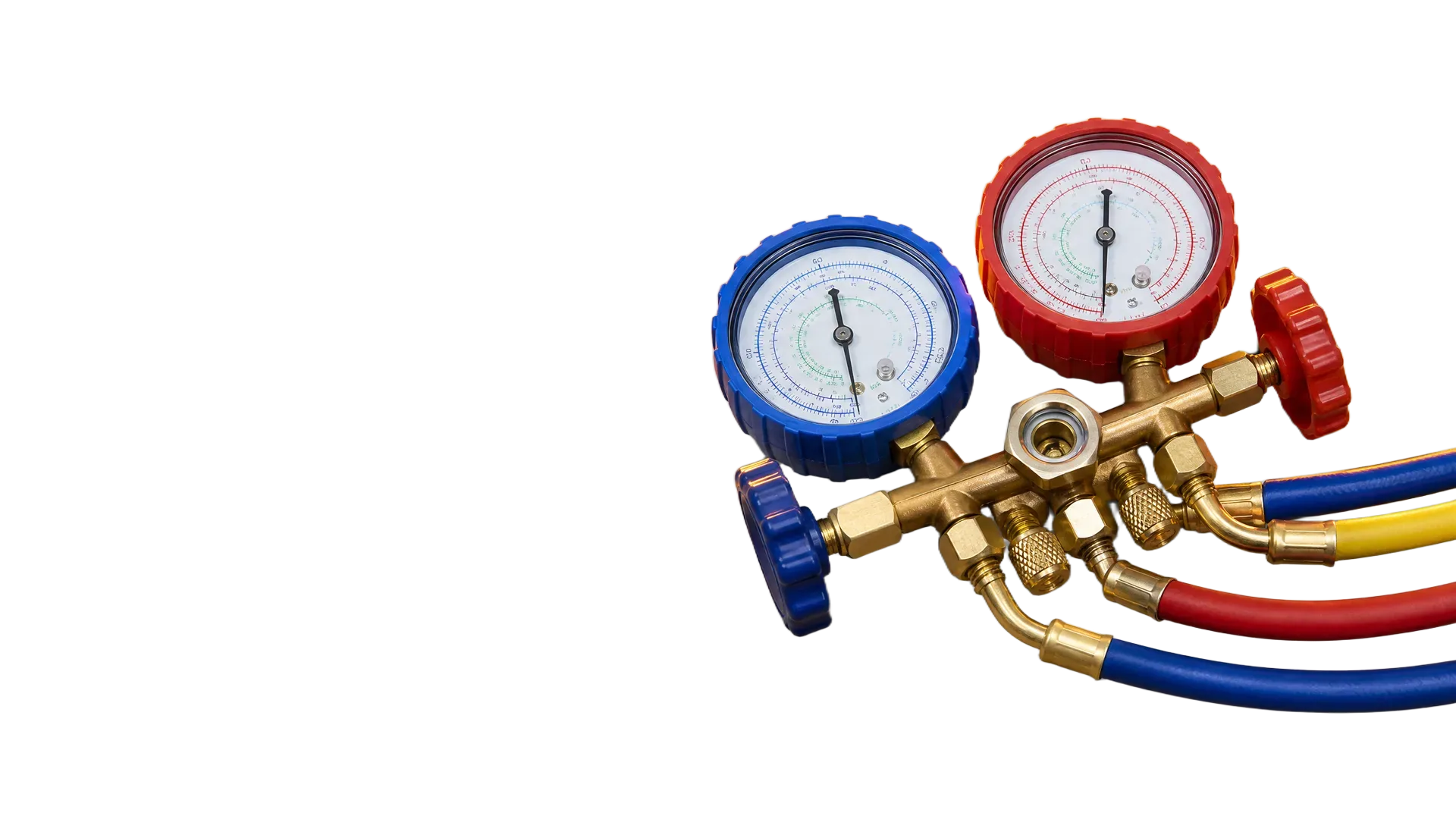
The label on a heat pump carries separate ratings for heating and cooling, and they're not the same number for a reason. The machine does different work in each direction. A strong cooling rating tells you nothing about how the unit performs on a cold morning. For a system that's going to carry real heating load, the heating rating is the one worth reading closely. It tracks how much electricity the unit takes to move heat into the house as the air outside gets colder. These ratings come from lab conditions, not any specific home. They're a way to compare one unit against another, not a promise about what a utility bill will look like. A unit with a better heating rating uses less electricity to produce the same heat, but only if it's sized and installed correctly. The rating describes the equipment. It doesn't describe the ductwork, the installation, or how well the backup heat is set up to work alongside it, and all of that affects what the homeowner actually gets.
Sized for the house, not the storm
Nine months of heat a year wears a system harder here than almost anywhere else, and that doesn't change what size heat pump a home needs. Sizing comes from the house itself. Square footage, insulation, layout, how many rooms it has to reach. Not from how many storms roll through in a given winter. A contractor who sizes up because the climate is harsh ends up with a unit that short cycles, turning on and off more than it should, wearing parts out faster while the house stays less comfortable, not more. The harsh climate shows up elsewhere, in how hard the unit runs once it's sized right, and in how fast a poorly matched system reveals itself as a mistake. Hail matters too, but not for sizing. North Dakota sees more of it than most states, and that's a reason to think about where the outdoor unit sits and what protects it, not a reason to buy bigger.
Your home needs a heat pump sized for a North Dakota winter, not a mild one.
Tell us about the job
Takes about a minute. No obligation.
Fill out the form once and a licensed local contractor sizes the job to your house.