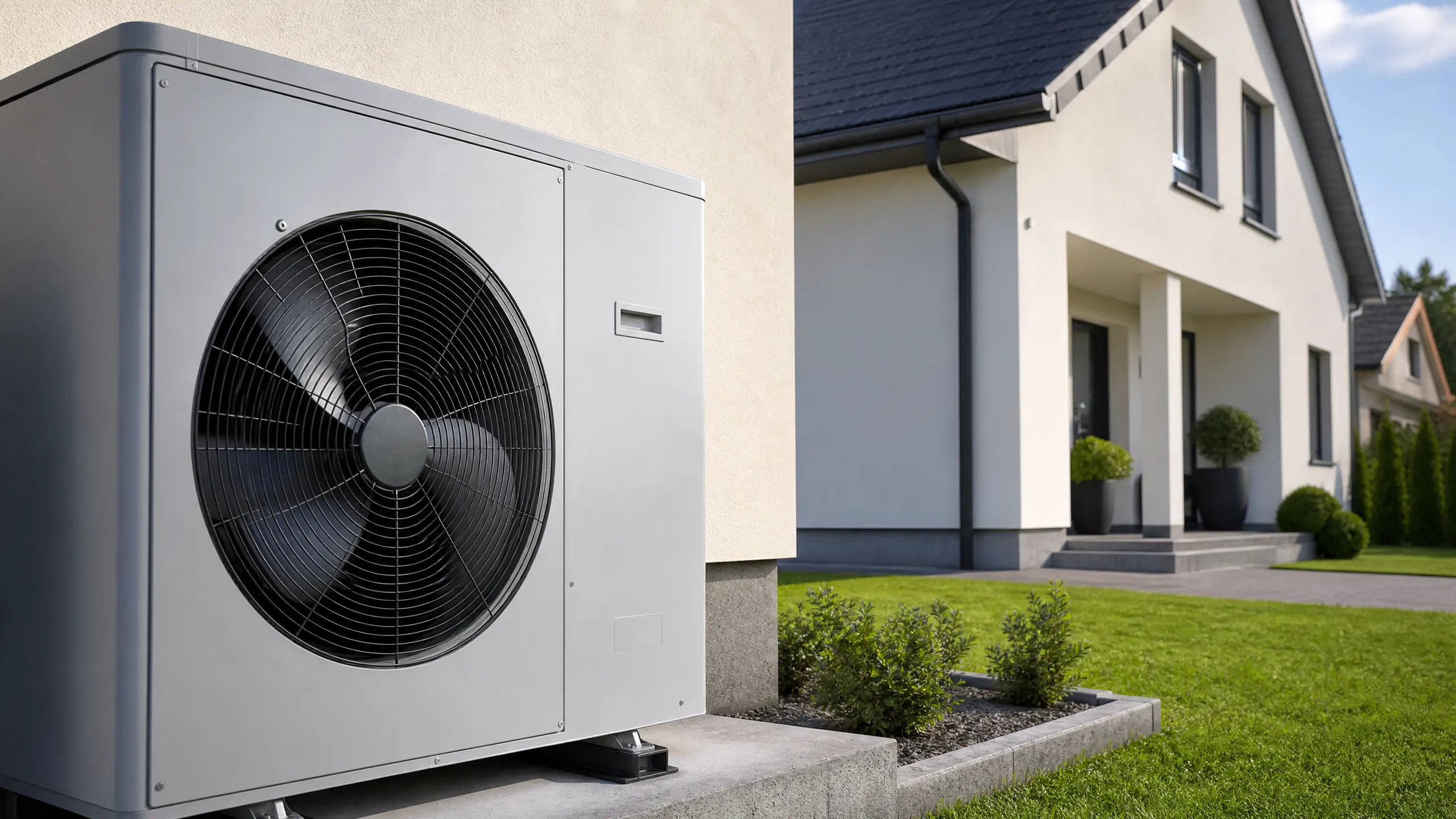





A grey air-source heat pump outdoor unit mounted on a concrete pad next to a modern white-rendered residential house.

Heat Pump Installation in LaMoure, ND

Tell us about the job

Takes about a minute. No obligation.

New system or replacementHeat PumpLaMoure County, ND
Step 1 of 2

What ZIP code is the job in?

Electricity in LaMoure County runs 12.01 cents per kilowatt-hour, cheaper than most of the country. That helps, but a heat pump here still works harder than it would almost anywhere else, pulling heat out of the air on days when the air is well below freezing. The harder it works, the more that rate shows up on your bill. An efficient unit with the right capacity for your house keeps the cost of that work down. One that's undersized or poorly matched will run longer to make the same heat, and you pay for every extra minute.

9 months
September through May, your system heats
2 months
July through August, it cools
5°F
the average winter night it heats against
79°F
the average summer afternoon it cools against
Isometric cutaway illustration of a small house showing ducted air distribution, an indoor air handler, and an outdoor condenser unit connected by lines, with a sofa and bed in the rooms.
Your system heats September through May and cools July through August.

NOAA nClimDiv, 1991–2020 normals

A heat pump in LaMoure County runs through long stretches below freezing every winter.

Size it to this cold or it will run long hours straining to keep up.

Half these homes were built before anyone installed a heat pump in one

Half the homes here were built by 1965
37 hail events from 2015 to 2024
42 winter storms from 2015 to 2024

Electricity already heats just over half the homes in LaMoure County, more than gas or oil. A heat pump fits right into that setup, since it runs on the same electric service and the same breaker panel as whatever's heating the house now. Homes on LP gas or fuel oil usually keep that furnace in place as backup for the coldest days, with the heat pump wired in alongside it. Either way, the panel and the wiring already in the house are the starting point, and a contractor will check what's there before anything gets installed.

Get the sizing right and the low rate works for you

Get the sizing and the equipment matched to your house before you commit to either. The right heat pump turns cheap power into a low bill. The wrong size just runs longer to make the same heat, and you pay for every extra minute.

Find a contractor
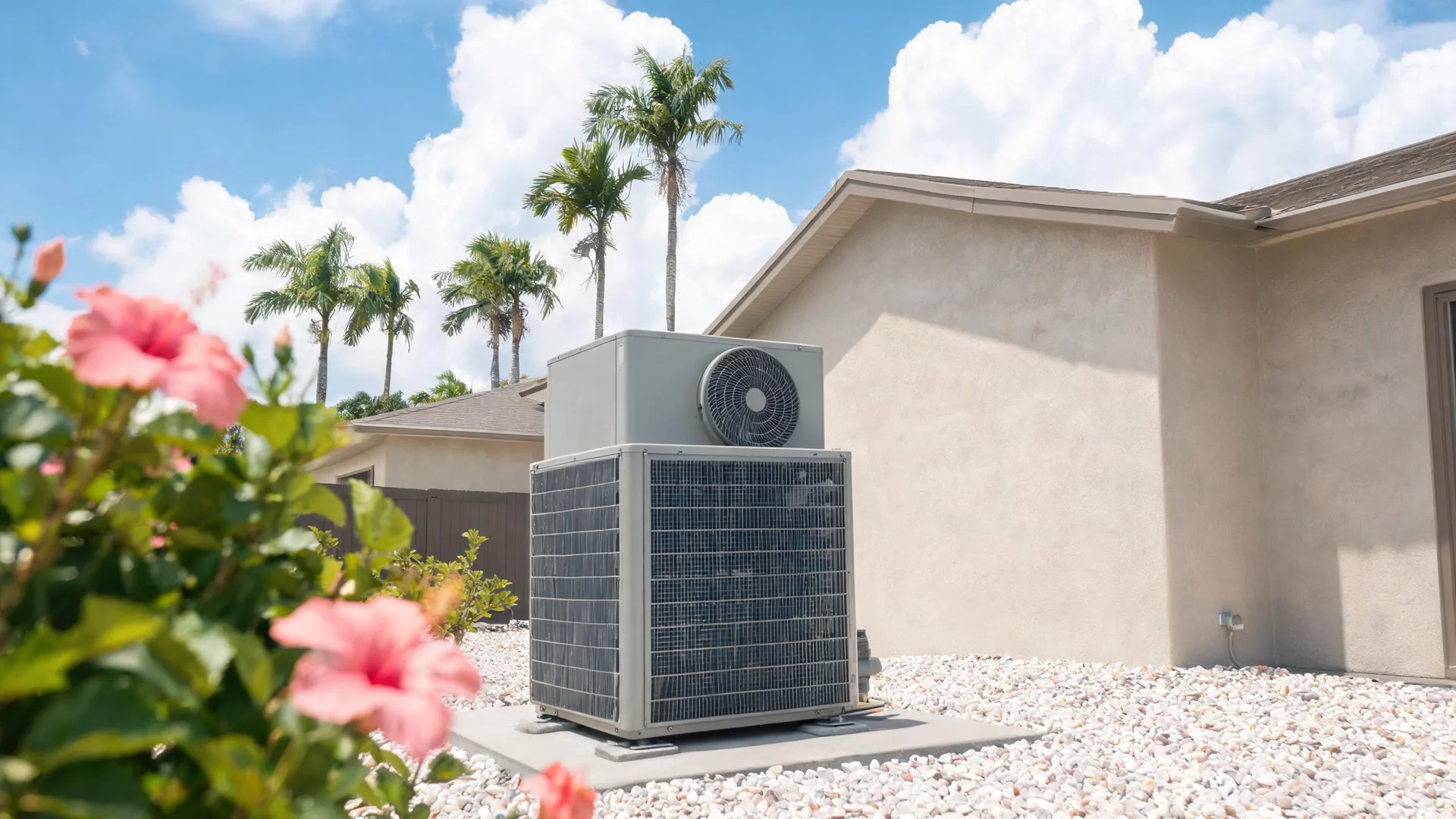
A white mini-split heat pump outdoor unit mounted on a concrete pad beside a gray-sided house, surrounded by gravel and green shrubs.

Nine months of the year, this machine is heating your house

Heat here starts up in September and runs through May, nine months of the year. Cooling only runs July and August. A heat pump spends most of its life heating this house, not cooling it. If the install happens in June or July, it's ready before that first September startup with no one going without heat while they wait on equipment or scheduling. Wait until the overnight lows are already dropping and you're choosing a system under pressure, on whatever timeline a contractor has open.

Sizing comes from a load calculation, not the square footage

A contractor works out how much heat a house loses on the coldest days, counting the windows, the insulation, the walls and the ceiling, room by room. That number tells them what the heat pump has to replace to keep the house at the temperature you set. Guessing off square footage alone skips all of that and usually gets the number wrong.
Oversized is its own problem, not a safety margin

A heat pump that's too big satisfies the thermostat fast and shuts off again, over and over, instead of running in the long steady stretches it's built for. That short cycling wears on the compressor and leaves the air in the house less even, with warm spots and cold spots instead of one steady temperature.

Ask what happens at the balance point, the outside temperature where the heat pump can no longer pull enough heat to keep up on its own. Below that point, a second heat source has to take over, either a backup furnace or electric resistance strips built into the air handler. Ask what that backup costs to run compared to the heat pump itself, because strip heat in particular costs more to run than the compressor does. Ask what the manufacturer rates the unit for at low outdoor temperatures, not just at mild ones, since two systems with the same listed capacity can perform very differently once it's cold out. Ask how the contractor sized the system, and expect an answer that references a load calculation, not a guess. Ask about the warranty on the compressor and on the parts separately, since they're often different lengths, and ask whether labor is covered too or just the equipment.

LaMoure County sits in climate zone 6A, a cold zone with a long heating season. Any split-system heat pump installed here, if manufactured from 2023 onward, has to meet a federal minimum: at least 14.3 Btu of cooling for every watt-hour it draws over the summer, and at least 7.5 Btu of heating for every watt-hour over the winter. That floor rules out the cheapest, least efficient units on the market. It doesn't pick the system for you. Two heat pumps can both clear that minimum and still perform very differently once the temperature drops, so meeting the standard is where the comparison starts, not where it ends. A federal tax credit is available on qualifying equipment, worth checking against whatever system you're considering.