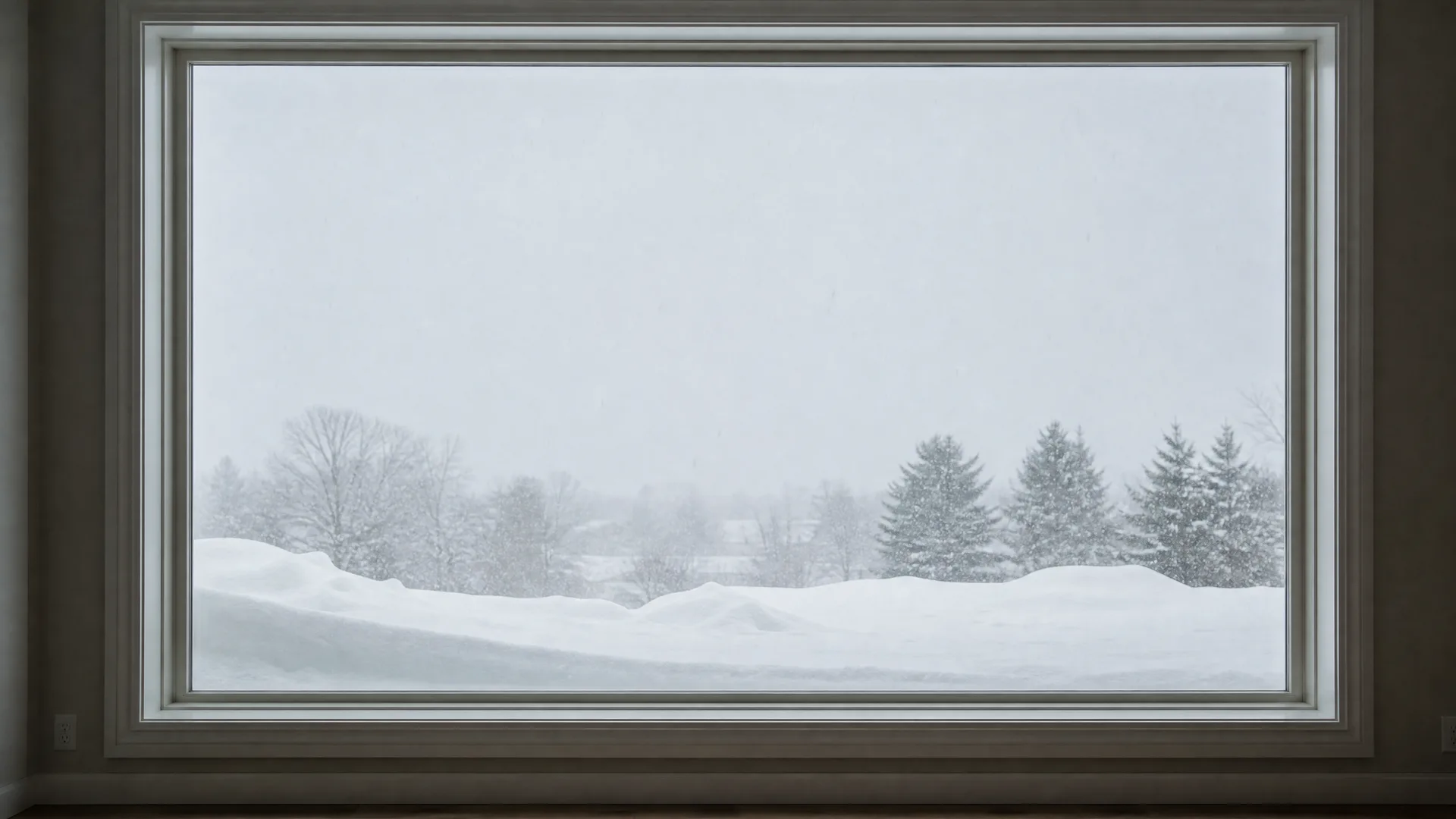
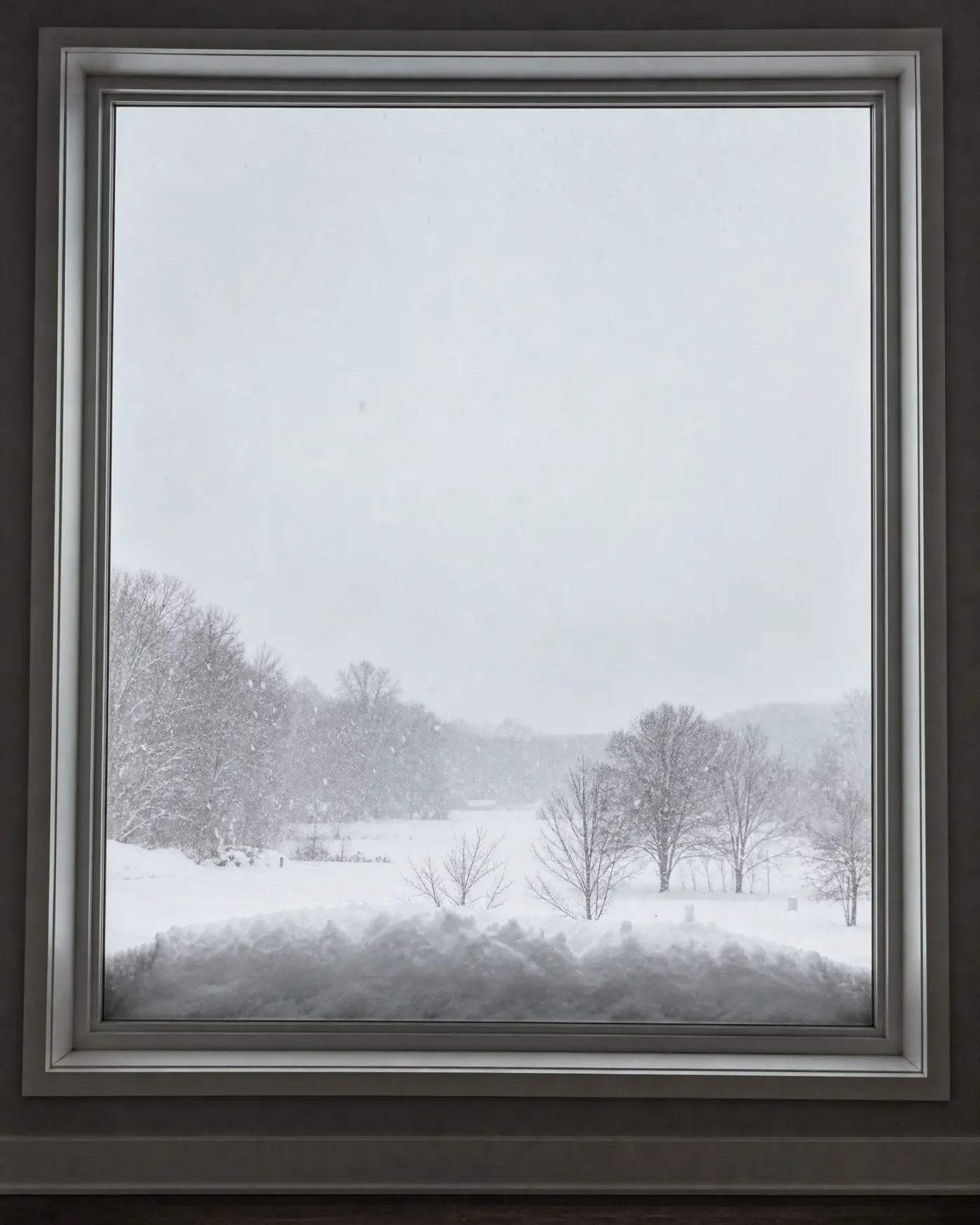
-20°F and colder
Richland County sees stretches this cold most winters. Below the switchover point, backup heat is what keeps the house at temperature, not the heat pump alone.
Richland County winters get well below zero, and a heat pump pulls heat from outside air. It's fair to wonder whether one can keep up on the coldest nights, or whether it'll run constantly and still leave the house cold while the bill climbs.
A heat pump works by pulling heat out of outside air, and the colder that air gets, the less heat it has to give. Once temperatures drop into the single digits and below, which happens plenty in a Wahpeton winter, most heat pumps lose enough capacity that they can't keep the house at temperature by themselves. That's why they're almost always installed with a backup heat source, electric resistance coils or a furnace, that switches on automatically when the outdoor air gets too cold for the heat pump alone. With that backup in place, the system covers the house the whole winter. Without it, you'd be relying on a machine working past what it can do on its own.
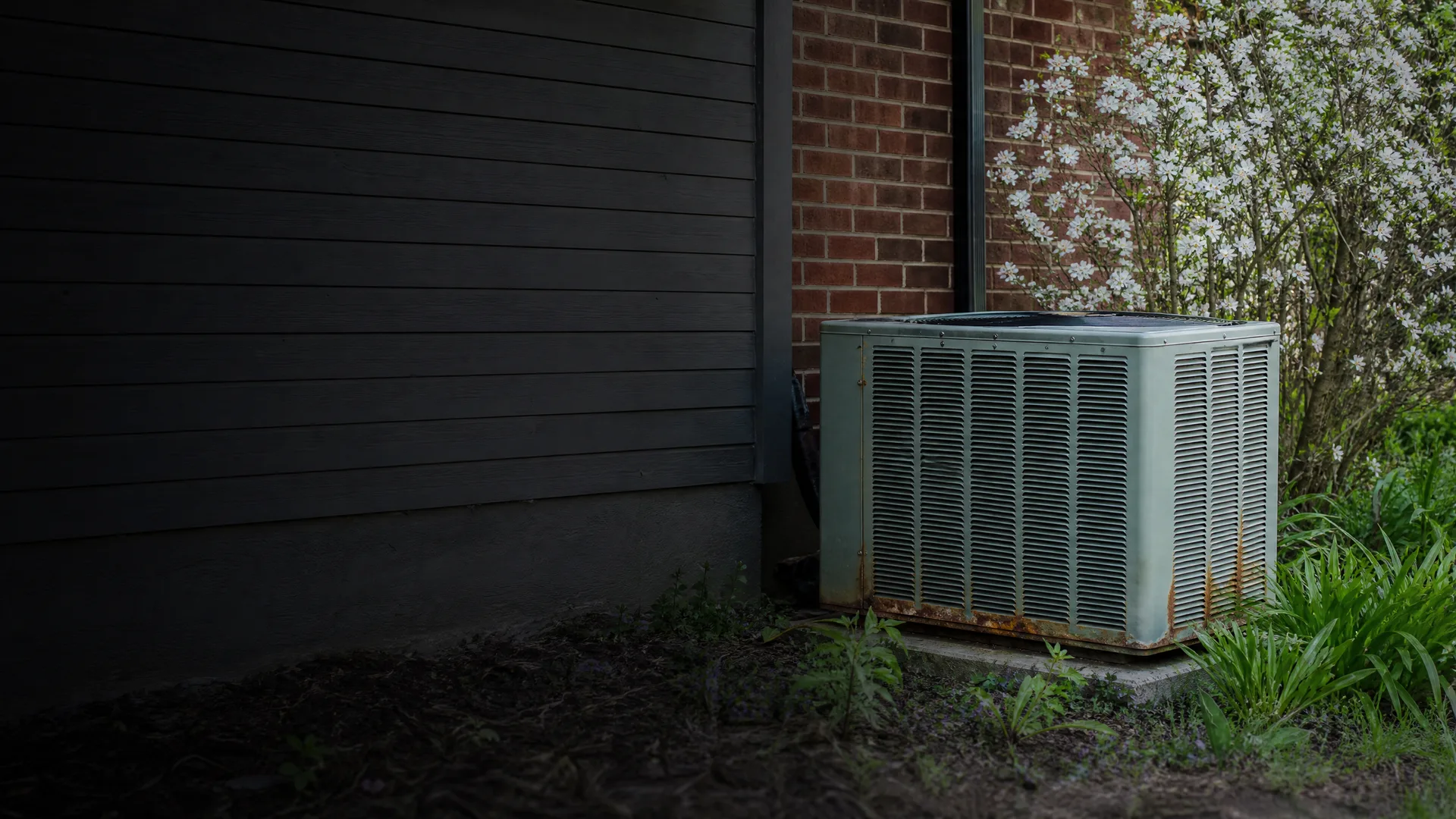
The snow is mostly gone from the side yard, just a few patches left in the shade of the fence. You walk past the outdoor unit on your way to check the garden beds and stop. Rust has worked its way along the base, more than you remember from last fall. The unit kept the house warm through another Richland County winter, through the stretch of below-zero nights in January, but it worked for it. You crouch down and look closer at the corners where the metal meets the ground. It still runs. It still blows warm air when you touch the vent inside. But you make a note to ask someone about it before next winter asks the same of it again.


A heat pump moves heat rather than making it, pulling warmth out of outside air even when that air feels plenty cold to you. There's a point, usually somewhere in the 25 to 35 degree range depending on the equipment, where there isn't enough heat left in the outside air for the system to keep up on its own. That's not a sign anything's broken. It's why every heat pump comes paired with a backup heat source, almost always electric resistance coils built into the air handler. When the outdoor unit can't meet the load, the backup coils come on to cover the difference. You won't see this happen. There's no switch to flip and no second thermostat to manage, the system handles the handoff on its own. You'll also notice the outdoor unit pause and seem to blow warm air outside for a few minutes at a time on cold days. That's the defrost cycle, clearing frost that builds up on the outdoor coil so it can keep pulling heat efficiently. It reverses briefly, then goes right back to heating your house. One thing worth knowing: setting the thermostat several degrees above the current indoor temperature can trigger the backup coils to run more than the outdoor unit otherwise would've needed. And because the compressor works hardest when it's coldest outside, a coil that's dirty or an airflow problem that's easy to ignore in October tends to show up fast on the first truly cold night.




Richland County sees stretches this cold most winters. Below the switchover point, backup heat is what keeps the house at temperature, not the heat pump alone.
The heat pump and the backup heat are wired to work as one system. You set a temperature, and the switch between them happens without you doing anything.
You notice the outdoor unit never seems to shut off once it gets cold, and the air coming from the vents feels cooler than you'd expect from a heating system. That's normal for a heat pump working through a Richland County cold snap. What's worth checking is whether the backup heat is doing its job alongside it. If the thermostat reads a few degrees below where you set it, or the house feels like it can't quite catch up after the front door's been open, the backup coils may not be kicking in when they should. Left alone, that means the heat pump runs constantly trying to close a gap it can't close by itself, and the house stays cold on the nights you need it warm most.

A unit like this one moves heat from outside air without a fight. The coils are free of dirt, the fins are straight, and air passes through the way it should. On a cold night, this is what lets the heat pump hold its own before backup heat has to step in.

Grime packed into the grille and leaves piled at the base choke off airflow this unit needs to pull heat from the air. Dirt like this makes the heat pump work harder for less heat, so backup coils kick in sooner and run longer than they should.


The thermostat calls for heat and the heat pump starts first.
The outdoor unit pulls heat from the cold air and sends it inside.
A sensor checks outdoor temperature against the switchover point.
Below that point, backup heat strips turn on automatically.



Fill out one short form instead of calling around.
Get matched with someone who does this kind of work in Richland County.
You only hire the pro if you want to.

Set your thermostat to 68 and leave it. On a January morning when it's 15 below outside, the house should still read 68 when you walk through it. If a room near the far end of the house feels off by a few degrees, or the thermostat shows the set temperature but the air doesn't feel like it, that's worth having someone look at before the next cold stretch.
What you don't want to do is start troubleshooting it yourself, calling one HVAC company after another to ask if this is normal for Richland County or something wrong with your unit. A contractor who knows how heat pumps perform in this kind of cold can look at your setup, your backup heat, and your switchover settings, and tell you straight whether it's working the way it should.


A heat pump sized to cover a Richland County winter has an outdoor unit matched to your house, backup heat strips sized to carry the coldest stretches, and a thermostat set up to switch between the two without you touching it. Installed this way, it holds 68 degrees through a January cold snap the same as any other day. Getting that sizing right is the job of the installation, not something you adjust later from the thermostat.

A heat pump installed to specs from a milder state can struggle here. The outdoor unit might be undersized for what minus 20 asks of it, or the backup heat strips too small to carry the gap, so the house runs cool no matter where the thermostat is set. That's not a sign heat pumps don't work in Wahpeton. It's a sign this one wasn't sized for Wahpeton. Finding a contractor who sizes for Richland County winters, rather than a one answer fits anywhere, is what the difference comes down to.
Winter nights average 5°F
Winter nights here average 5°F. That's the kind of cold a heat pump needs backup strips to handle, not the outdoor unit alone.
Heat runs September through May
Heat runs September through May in Richland County. Nine months of the year, your system has to perform, not just switch on.
Cooling runs June through August
Cooling only runs June through August. The heat pump earns its keep in summer easily; winter is the real test of how it's sized.
NOAA nClimDiv 1991-2020
A heat pump that's old or undersized will lean on backup heat strips for most of the winter, and electric resistance heat costs more to run than the heat pump itself.
A heat pump sized and installed for Richland County's cold leans on backup heat only when it has to, on the coldest nights, and carries the rest of the season on its own.
Those backup heat strips run on electric resistance, the most expensive way to heat a house, so what you pay per kilowatt-hour matters most on the coldest days. At 12.47 cents, running backup heat here costs less than it would almost anywhere else, which takes some of the sting out of a January cold snap.
EIA-861 2025
A heat pump can keep a Wahpeton house warm all winter, as long as it's sized right and the backup heat is set up to carry the coldest nights. That's the whole answer. Whether yours does it well comes down to the equipment and the install, not the idea of a heat pump itself. If you're not sure your system is sized for this county's cold, or you want a second opinion before the next cold stretch, that's a question worth getting answered rather than guessed at. Finding someone to look at it usually means searching around, calling a few places, explaining the same thing about your system two or three times, then sitting with quotes trying to tell them apart. You can skip that part. Getting matched with a contractor who knows Richland County winters means you explain it once, to someone who already knows what a heat pump here is up against.
Asking costs nothing, and the choice to hire stays yours.
A new install gets sized to your house and set up with the backup strips wired in correctly from the start, so you're not left guessing why a room runs cold or the bill jumps in January. Submit a request and skip the calls to contractors who may not work in Richland County.