
Heat Pump Repair in North Dakota
Across the counties where its people live, North Dakota recorded more severe weather from 2015 to 2024 than 33 of the other 49 states.
Tell us about the job
Takes about a minute. No obligation.
- 4°Fwinter overnight low where people live
- 9 monthsof heat, September through May
- 80°Fsummer afternoon high where people live
- 2 monthsof cooling, July through August
Nine months of heat wears it down Coldest winter nights in the country
- Southern counties need about 20% more cooling than northern ones
- Winter nights average 4°F where people live
- Summer afternoons average 80°F where people live
- Heat runs September through May
- Cooling runs July through August
- 1,982 winter storms from 2015 to 2024


A newer house usually means a newer system
Half the houses in North Dakota were built in 1982 or later. That puts this state's housing ahead of 28 others for newer homes. If your heat pump came with a house from that stretch, the house isn't what's wearing it out. A strange noise or a weak cycle in a system that age is usually a part worth fixing, not a system worth replacing.
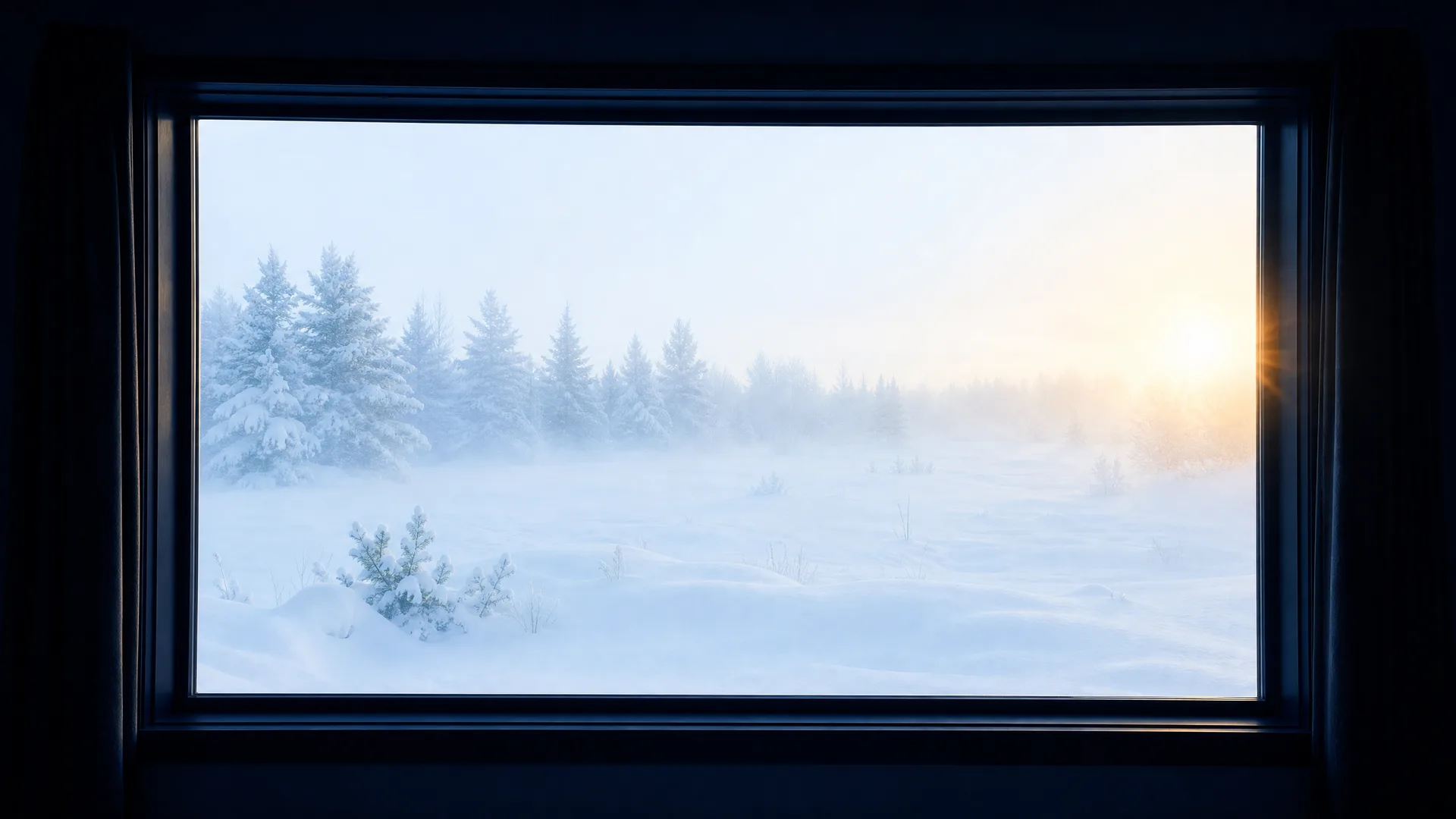
August is when most heat pumps here get tested. Homes switch over to heat around September, and that first cold snap finds whatever was already weak. A worn contactor or a low charge that got by during July and August won't get by once the system has to carry the house through a North Dakota winter.
Homes in North Dakota run heat for more months than in 35 of the other states, which means a heat pump here has less downtime to be quietly broken before anyone notices. A unit that's short-cycling or running constantly once the weather turns is usually struggling with a problem that was already there, not a new one brought on by the cold.
Built for a nine-month heating load
A heat pump in North Dakota spends nine months pulling heat out of cold air, down to an overnight average of 4°F in the dead of winter. That's a long stretch for a reversing valve and a compressor to run without a break. Cooling only gets two months here, July and August, so summer isn't what wears this system down. If yours is struggling, heating load is the more likely reason. The same unit also has to survive what the winters throw at it. Heavy snow, ice and blizzards hit North Dakota often enough that a heat pump icing up or short-cycling in that weather is usually telling you about a problem that was already there, not something the storm caused on its own.
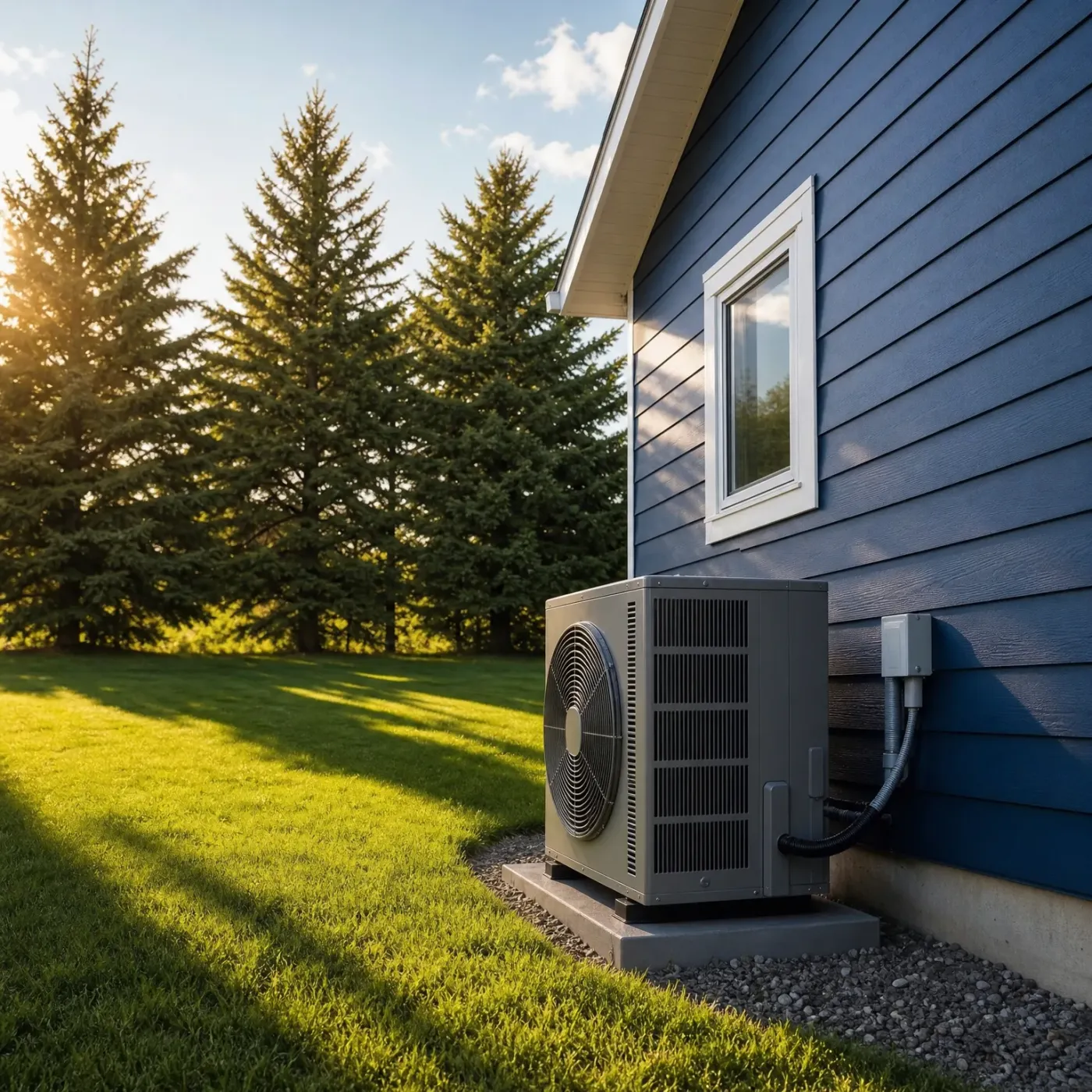
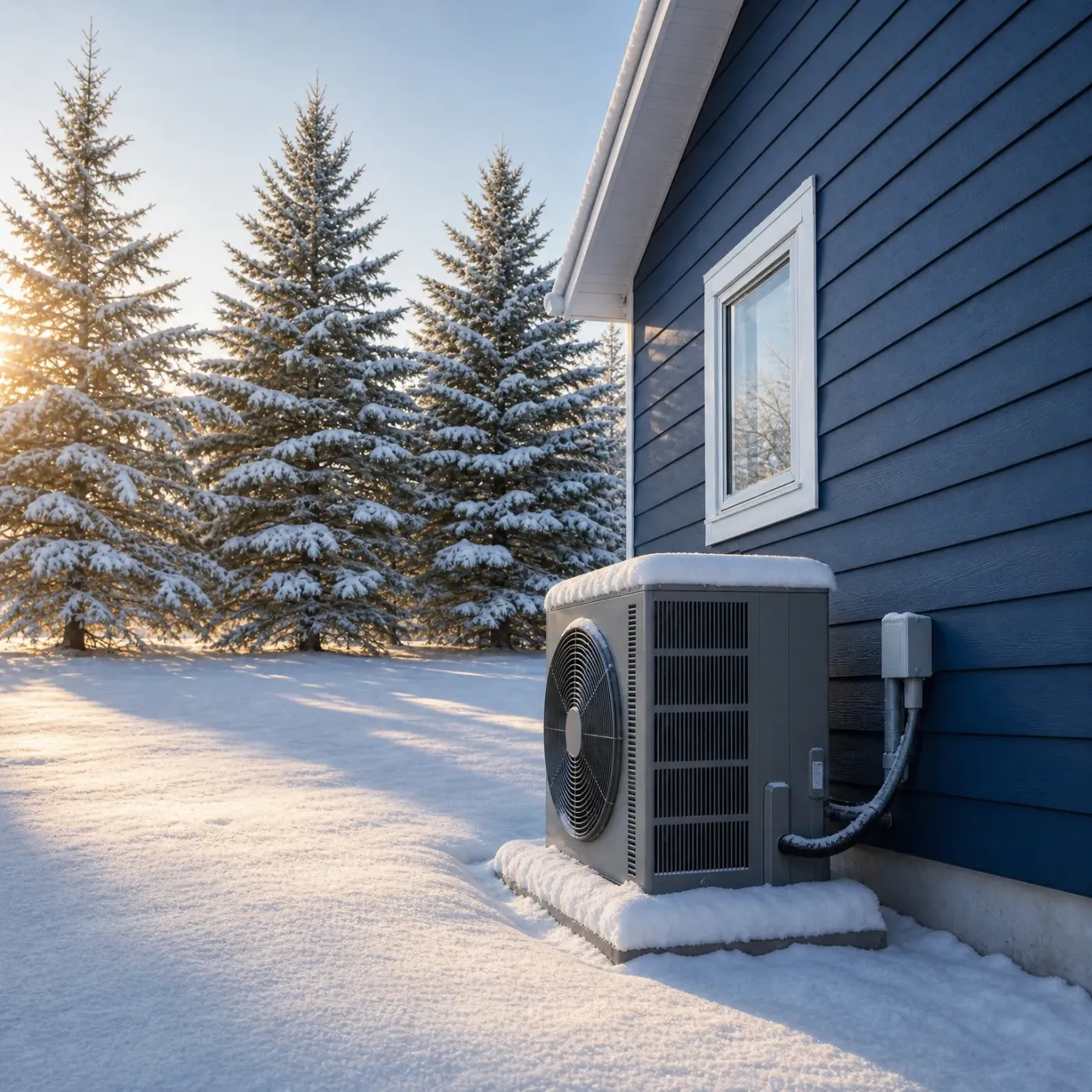
2 months of cooling, July through August
9 months of heat, September through May
What does a heat pump in North Dakota face?
How hot do summer afternoons get?
80°Faverage afternoon high where people live
Alaska66°F
Arizona101°F
How cold do winter nights get?
4°Faverage overnight low where people live
North Dakota4°F
Hawaii65°F
How many months does the heat run?
9 monthsof heating a year
Hawaii0 months
Alaska12 months
What does electricity cost?
11.51¢per kWh (kilowatt hours, the unit on an electric bill), what homes paid in 2024
North Dakota11.51¢
Hawaii42.86¢
How often do storms hit?
238severe weather events per county from 2015 to 2024
Alaska5
Wyoming1,057
How many homes lost power for a day or more?
7%of homes in 2024
Arizona7%
Maine54%
Cheap power, a long heating load
Electricity here costs less than anywhere else in the country, 11.51 cents a kilowatt-hour. A heat pump running fine isn't costing much to keep running, which matters when you're deciding whether a repair is worth paying for. North Dakota homes that use air conditioning only used 2.9 million Btu (British thermal units, a measure of heat) of electricity on it in a year, which tells you this unit spends most of its time heating, not cooling. A compressor or reversing valve acting up here almost always traces back to that steady heating load, not the couple of months it spends on cooling. The fix is usually the same part a tech would replace anywhere else. Nothing about running this machine in North Dakota is unusual, it's just asked to heat for most of the year.
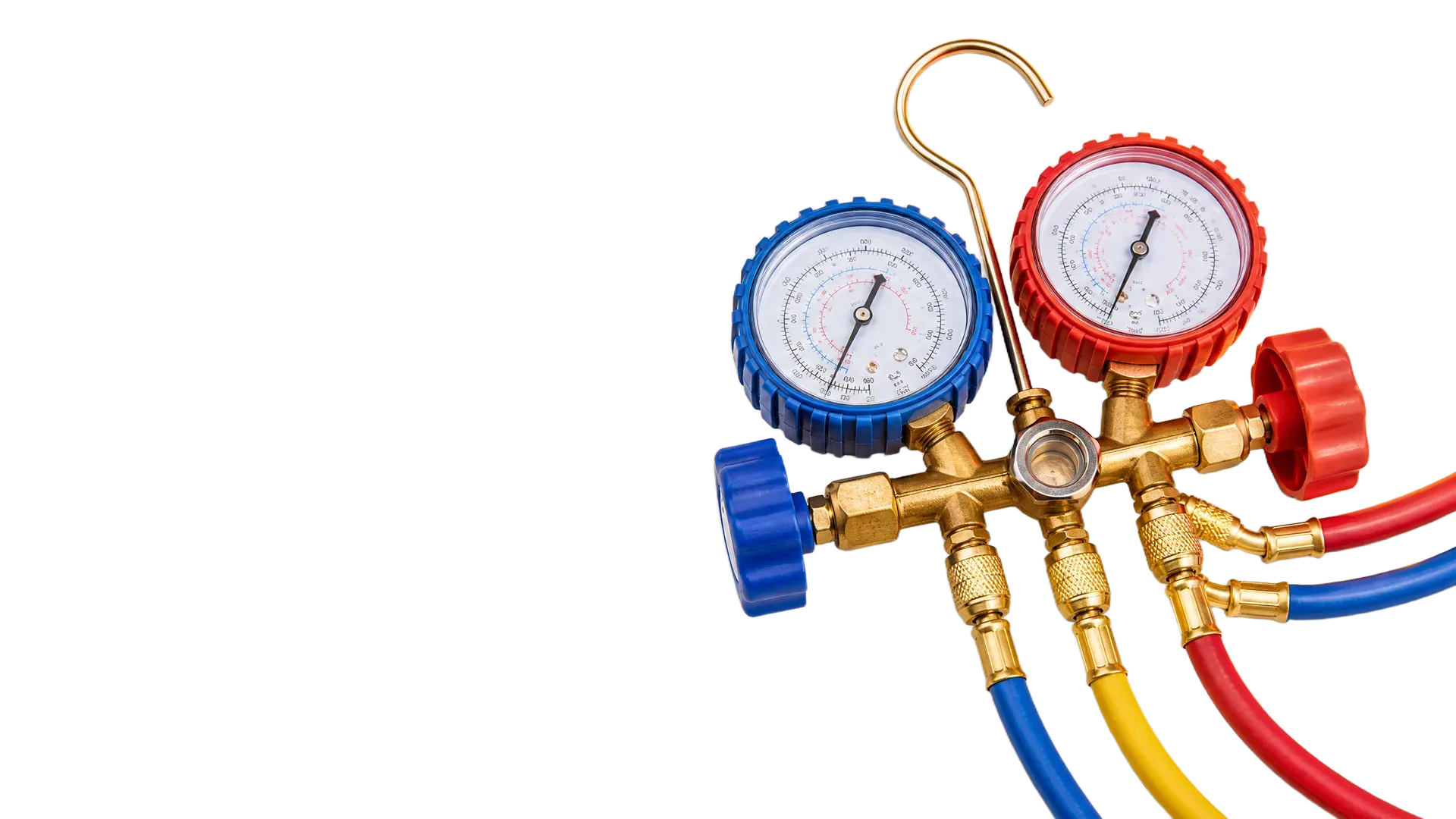
A struggling system gets worse while it keeps running, not better
A struggling heat pump usually keeps running anyway, because it's what's keeping the house warm. That's what makes the problem worse. Ice on the outdoor coil blocks airflow, so the compressor works harder to move the same amount of heat, and it does that on every cycle, not just once. A refrigerant leak follows the same pattern. Low charge means the compressor is trying to finish a job it doesn't have enough refrigerant to do, and compressors aren't built to strain like that for long. A reversing valve that's starting to fail can stick partway between heating and cooling, and running it through more cycles while it's stuck tends to be what finishes it off. Short cycling is hard on a contactor too, since the start draw is the hardest pull in the whole cycle, and a system that won't stay running is doing that pull over and over. Waiting it out doesn't give any of this a chance to settle down. The strain stays right on the part that's already weak, and that's usually the one that fails first.
Most of these houses are not old
Most houses in North Dakota are single-family, and half were built in 1982 or later. That's not old for a heat pump, especially if yours came in with a remodel or a replacement rather than the original build. Mobile homes are a small share of the housing stock here, so most of what's failing is a unit tied to a conventional house with a conventional duct system behind it. None of that tells a tech what's wrong with yours. It just means the odds favor a part worth fixing over a system worth tearing out.
Nine months of heating a year doesn't leave a heat pump much room to fail quietly.
Tell us about the job
Takes about a minute. No obligation.
Answer a few questions about the problem and hear from a licensed contractor who can look at the system itself.