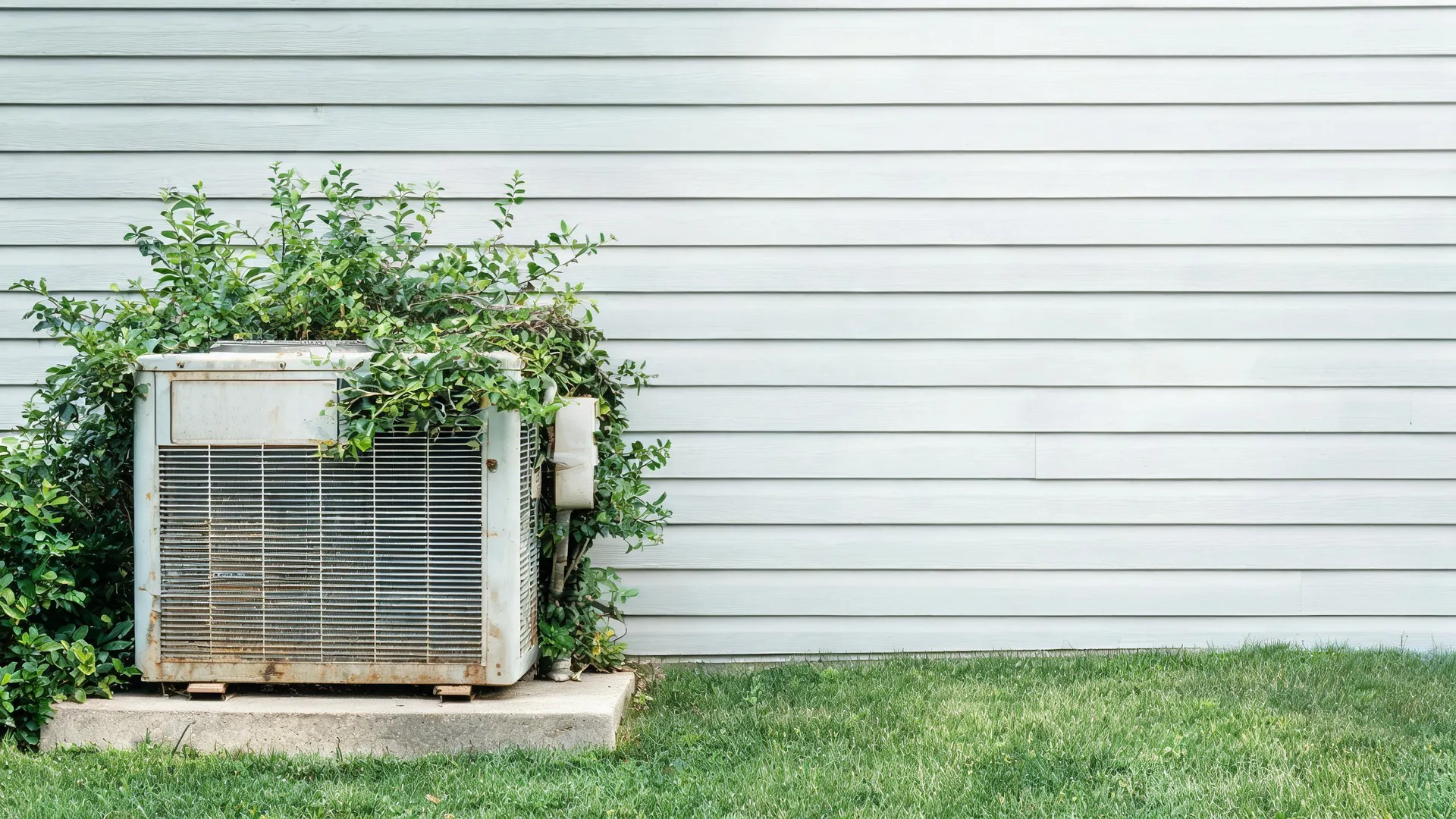
Griggs County winters push a heat pump hard
Zone 6A means a long cold season, and your heat pump has to pull heat out of outside air even on the worst days of it. That kind of steady demand wears on a system faster than mild weather ever would.
Takes about a minute. No obligation.
Zone 6A means a long cold season, and your heat pump has to pull heat out of outside air even on the worst days of it. That kind of steady demand wears on a system faster than mild weather ever would.
A breakdown here is usually the system showing the strain of that workload, not a random part failing. Whoever looks at it should find out what's actually worn or stressed, not just swap the part that failed.

NOAA nClimDiv, 1991–2020 normals
Half the homes in Griggs County were built in 1958 or earlier.
If your heat pump came with a house that old, it's likely old enough that years of hard winters have caught up with it.



Electricity here runs 11.24 cents a kilowatt-hour, cheaper than most of the country sees. That helps when a heat pump is working the way it should. It stops helping when the system is low on refrigerant, or the compressor is straining, or a coil is iced over and the unit is running far longer than it needs to just to hold the house at temperature. A heat pump in that shape pulls power the whole time it runs, and in a county with winters like this one, it runs most months of the year. Cheap power only keeps your bill down if the machine behind it is actually working right.
If your heat pump came with the house, find out its age before paying for a repair. A unit old enough to be near the end of its life may be worth replacing instead of patching. Whoever comes out to look at it can tell you which one you're dealing with.
Find a contractorGriggs County has seen 57 winter storms in the years on record, heavy snow, ice, blizzards, and that's on top of the cold itself. A heat pump out here doesn't get much of a gap between one stretch of pulling heat from freezing air and the next storm piling on more cold and ice. That's the run shown here, day into night, the unit working the whole time because the weather doesn't ease up enough for it to coast. Whoever diagnoses a breakdown after a season like that should be checking what the cold and the storms have actually done to the unit, not just clearing a fault code and calling it fixed.
A heat pump low on refrigerant will keep running, just worse. The compressor works harder to move what heat it can, and that extra strain is what burns it out early. The same goes for a coil that's starting to ice over. Left alone, the ice builds, airflow drops further, and the system can end up pulling in liquid refrigerant instead of gas, which compressors aren't built to handle.
Once a part is struggling, the rest of the system compensates, and that's where a second failure comes from. A weak capacitor makes the compressor pull harder to start. A failing fan motor leaves the coil without enough airflow, so it overheats or ices up. Shutting the unit off and getting it looked at stops that chain before it reaches the compressor, which is the one part that's rarely worth repairing on its own.
Most heat pump failures trace back to a handful of parts, and they rarely fail without warning. The reversing valve can stick, leaving the system stuck in one mode when it should switch between heating and cooling. Capacitors weaken over years of starting the compressor and fan motors, and once one is marginal, those motors strain every time they kick on. Defrost boards and sensors fail too, and when they do, the outdoor coil ices over because the system never gets the signal to run its defrost cycle. Contactors pit and burn from the arcing that happens every time they open and close, until eventually they stop making good contact at all. None of these parts are expensive to inspect, and catching one early is what keeps it from taking the compressor down with it.
A heat pump that's struggling doesn't slow down, it just runs longer to do the same job, and every extra hour shows up on next month's bill. Cheap power doesn't change that math, it just makes it easier to miss. A bad capacitor or an iced coil keeps the unit running well past when it should have shut off satisfied, and in a county where it runs most of the year, those extra hours add up fast. Waiting on the repair doesn't save you that cost. It just adds the running cost on top of it.