
Furnace Maintenance in North Dakota
Homes in North Dakota need heat for more months of the year than in 35 of the other 49 states.
Tell us about the job
Takes about a minute. No obligation.
- 4°Fwinter overnight low where people live
- 9 monthsof heat, September through May
- $8.44 per million Btuwhat homes paid for natural gas in 2024 (Btu means British thermal units, a measure of heat)
- 1,982winter storms from 2015 to 2024
Nine months of heat wears furnaces down Coldest nights in the country, every winter
- Coldest nights in Towner County, mildest in Bowman County
- Winter nights average 4°F where people live
- Heat runs September through May
- 1,982 winter storms from 2015 to 2024
- Climate zones 6A and 7 across the state
- 7% of homes lost power a day or more in 2024
Half of North Dakota's homes went up by 1982, half after
A furnace running this hard only needs one tune-up a year to stay ahead of trouble. The technician checks the igniter, cleans the flame sensor and makes sure the heat exchanger isn't cracked, and that covers it until next fall. More visits than that don't catch more. They just add cost.
Gas here runs $8.44 per million Btu, among the higher prices in the country. A furnace that's losing efficiency burns more of that gas to put out the same heat, and you won't see it on the unit itself. One yearly check keeps the burner and heat exchanger working the way they're supposed to, so you're not paying that rate for heat that's leaking out the flue.
Get it checked in August, before September turns the heat on
September through May, that's nine months the furnace is on. It starts working hard from the first week, so August is the month to get it looked at, before it's carrying the house through a North Dakota winter. Wait until September and it's already running on whatever shape it was left in last spring.

2 months of cooling, July through August
9 months of heat, September through May
What does a furnace in North Dakota face?
How cold do winter nights get?
4°Faverage overnight low where people live
North Dakota4°F
Hawaii65°F
How many months does the heat run?
9 monthsof heating a year
Hawaii0 months
Alaska12 months
What does natural gas cost?
$8.44per million Btu, what homes paid in 2024
Montana$7.77
Hawaii$53.25
How often do storms hit?
238severe weather events per county from 2015 to 2024
Alaska5
Wyoming1,057
How many homes lost power for a day or more?
7%of homes in 2024
Arizona7%
Maine54%
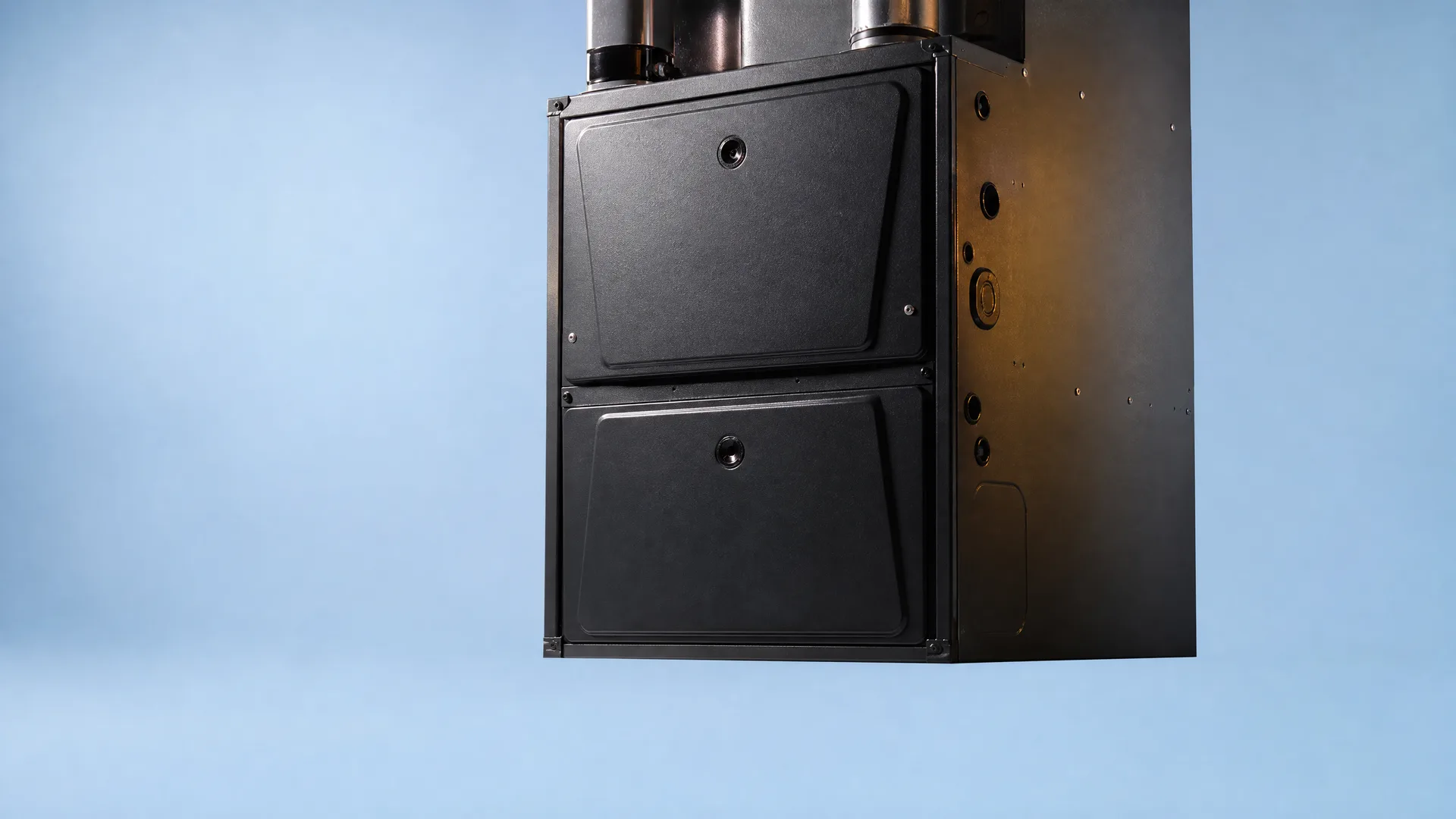
Nine months is a lot of cycles on an igniter
Nine months of runtime means the burner is cycling on and off thousands of times before spring. Each cycle stresses the igniter a little more. By January, a furnace that was already weak when the season started is working against nights averaging 4 below zero, and that's when a cracked heat exchanger or a failing igniter stops being a minor issue and starts being a house with no heat.
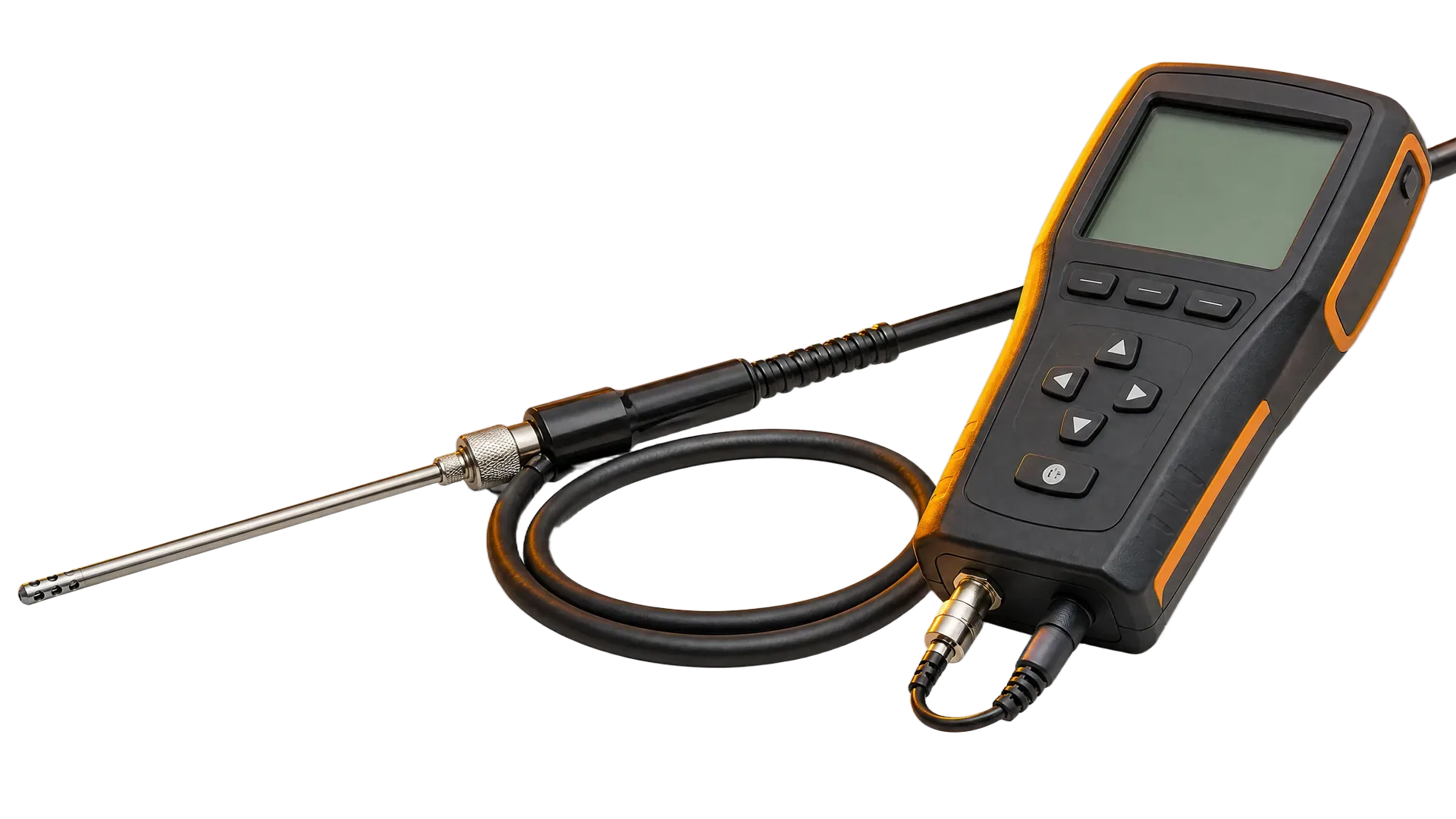
What you can check without taking anything apart
Check the filter once a month and swap it when it's gray or thick with dust. A clogged filter starves the burner of airflow, and the furnace works harder to push heat through it. You can also look at the flame through the viewing window. It should burn steady and blue. A flame that's yellow, flickering, or pulling away from the burner means something's off with the combustion, and it's worth a call before it gets worse. Keep the area around the furnace clear. Nothing stacked against it, no boxes blocking the intake or return vents. Walk the vents and registers through the house and make sure none are closed off or blocked by furniture, since that changes the pressure the system is built to run at. Listen for anything new. A rattle, a screech on startup, a burning smell that doesn't clear after a few minutes. None of this replaces what a technician checks with the panel off, but it catches the kind of trouble that shows up between visits.
Most homes here burn gas or propane to heat
Utility gas heats more homes here than anything else, 41.3 percent, with electricity close behind at 40 percent and propane making up another 13.5 percent. Add gas and propane together and more homes burn fuel for heat than run electric resistance. A gas or propane furnace needs the burner and venting looked at, not just a filter change. The technician checks that the flue is drafting properly, so carbon monoxide goes outside instead of into the house, along with the gas valve and pressure switch. Electric furnaces skip that part of the visit. There's no flame and nothing to vent. For the rest of the state, that's the part of the tune-up that matters most.
Nine months of heat and winter nights averaging 4 below wear a furnace down fast.
Tell us about the job
Takes about a minute. No obligation.
Fill out the form and a licensed North Dakota contractor will call to schedule your tune-up.