Nine months of heat a year
Furnaces in Sheridan County run from September through May. That is most of the year asking the igniter, the blower motor and the burners to work, not just a few cold snaps in January.
Takes about a minute. No obligation.
Furnaces in Sheridan County run from September through May. That is most of the year asking the igniter, the blower motor and the burners to work, not just a few cold snaps in January.
Overnight lows average 4°F through December, January and February. A furnace has to run longer and more often to hold a temperature against cold like that, and the parts that wear, wear faster.
September is when heat starts running in Sheridan County.
Have the furnace checked in August, before it has to carry the first cold night.



Propane here cost $17.33 per million Btu in 2024, more than homes on a gas line pay for the same heat. A furnace that skips maintenance burns more of it to hold the same temperature, because a dirty burner or a clogged filter makes the system work harder to do the same job. That cost shows up on every bill the furnace runs on, not just once. A tune-up gets the burners and the airflow back to doing what they're supposed to do, and running clean costs less than running dirty.
It works hard here, so worn parts show up fast once the season starts. Get it checked before then.
Find a contractorOne visit before September covers the nine months the furnace has to work. A cracked igniter or a weak blower motor found on the bench gets swapped out that day. Found on a night at 4 below, it means a cold house until someone can get out to look at it.
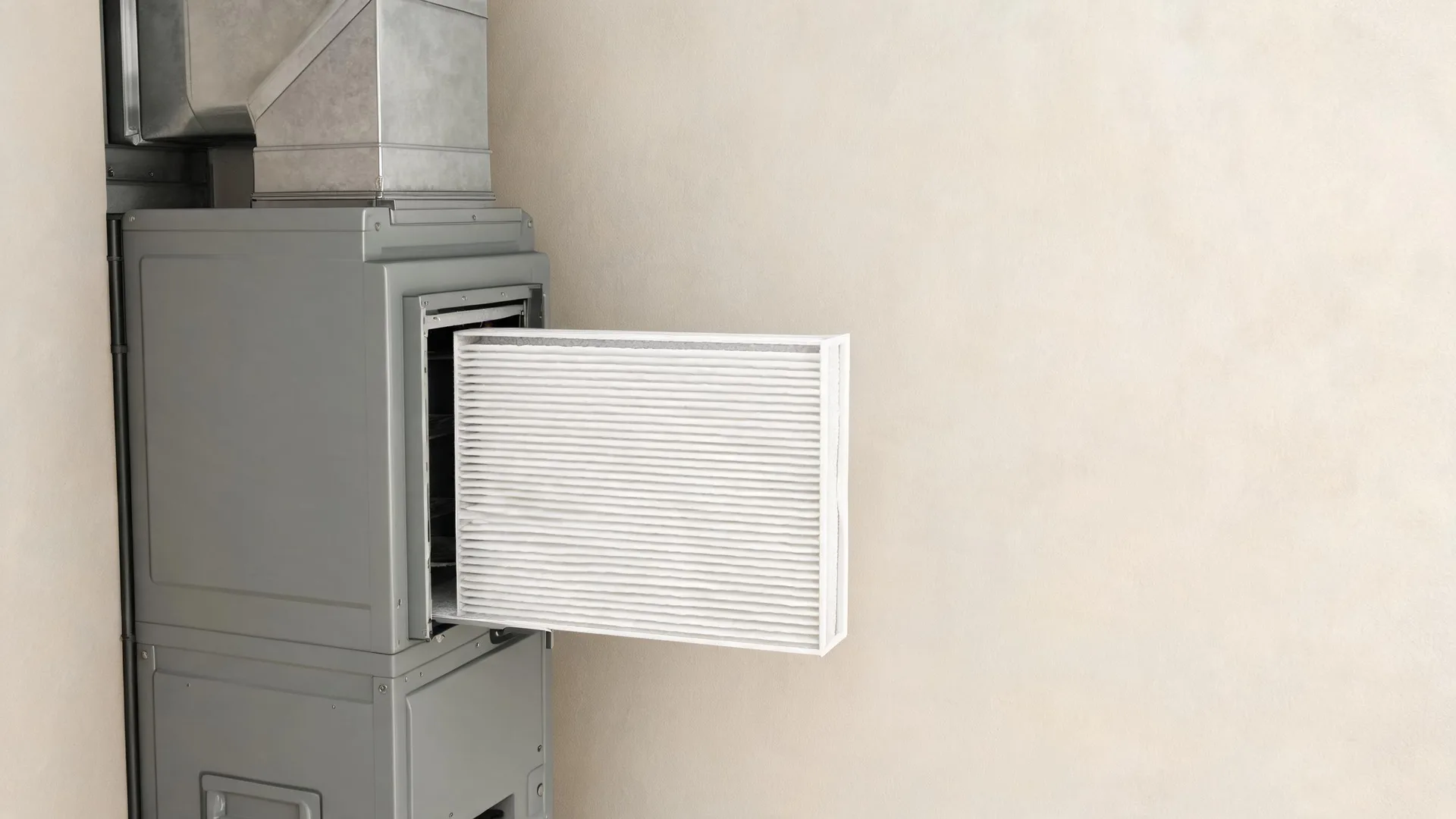
A clogged filter cuts the airflow a furnace needs to run right. The blower has to push harder against it, and the heat exchanger can run hotter than it should. Left long enough, that strain wears down parts that were built to last years.
A high-efficiency furnace produces condensation that has to drain away through a line and a trap. If that line clogs or freezes, the furnace shuts itself down rather than risk water where it shouldn't be. Checking it before the season means one less way to end up with no heat on a cold night.
A tune-up gets inside places a homeowner never looks. The flame sensor gets pulled and cleaned, because a thin layer of residue on it will make the furnace shut off seconds after it starts, and from the living room that just looks like a furnace that won't stay on. The burners get checked for a steady, even flame. A flame that's weak or uneven in spots points to a burner that's dirty or starting to corrode. The heat exchanger gets inspected for cracks, which matter because a cracked exchanger can let exhaust mix with the air the furnace is heating. None of this shows up by looking at the thermostat or listening to the furnace run. It shows up when someone opens the cabinet and checks each part against what it's supposed to look like.
The rest of the tune-up is about the parts that move air rather than burn gas. The blower wheel gets checked for dust buildup, because a coated wheel moves less air even when the motor runs fine, and that shows up as rooms that never quite reach temperature. The motor bearings get checked too, on older furnaces that still have them, since a bearing starting to go will howl or grind before it fails outright. Belts, on the furnaces that still use them, get checked for cracking and the right tension. Electrical connections get tightened, since a loose connection at the blower or the control board creates heat of its own and can trip the furnace off at random. The whole point of going through each one is that a furnace rarely fails all at once. It fails one worn part at a time, and most of those parts give some warning before they quit.