Furnace Installation in North Dakota
Homes in North Dakota need heat for more months of the year than in 35 of the other 49 states.
Tell us about the job
Takes about a minute. No obligation.
- 4°Fwinter overnight low where people live
- 9 monthsof heat, September through May
- $8.44 per million Btuwhat homes paid for natural gas in 2024 (Btu means British thermal units, a measure of heat)
- 1,982winter storms from 2015 to 2024
A standard furnace is built for this cold already Gas heat runs $8.44 per million Btu here
- Coldest nights in Towner County, mildest in Bowman County
- Winter nights average 4°F where people live
- Heat runs September through May
- 1,982 winter storms from 2015 to 2024
- Climate zones 6A and 7 across the state
- 7% of homes lost power a day or more in 2024
Gas heats 41.3% of homes in North Dakota, just ahead of electricity at 40.0%. Another 13.5% run on bottled or LP gas, which uses the same kind of furnace as utility gas. If your home already has a gas line run to it, a new gas furnace is the straightforward choice. The installer just needs to size it to your house and vent it correctly.
Electric furnaces and heat pumps make up most of the rest, and fuel oil heats a small share of homes here. If your home runs on electric heat now, switching to gas means adding a gas line, which is a bigger job than swapping one furnace for another. Whichever fuel you have, matching it is almost always simpler than changing it, since the wiring or gas line is already there.
Nine months of heat, and the coldest nights anywhere
Furnace here runs from September through May, nine months of the year. Overnight lows average 4°F through December, January and February, colder than every other state. That furnace carries the house most of the year, not just through a cold snap in January. A system sized wrong runs too long trying to catch up, or short cycles and wears its parts faster than it should. Get the sizing right at installation and the furnace works the way it's supposed to for nine months straight.
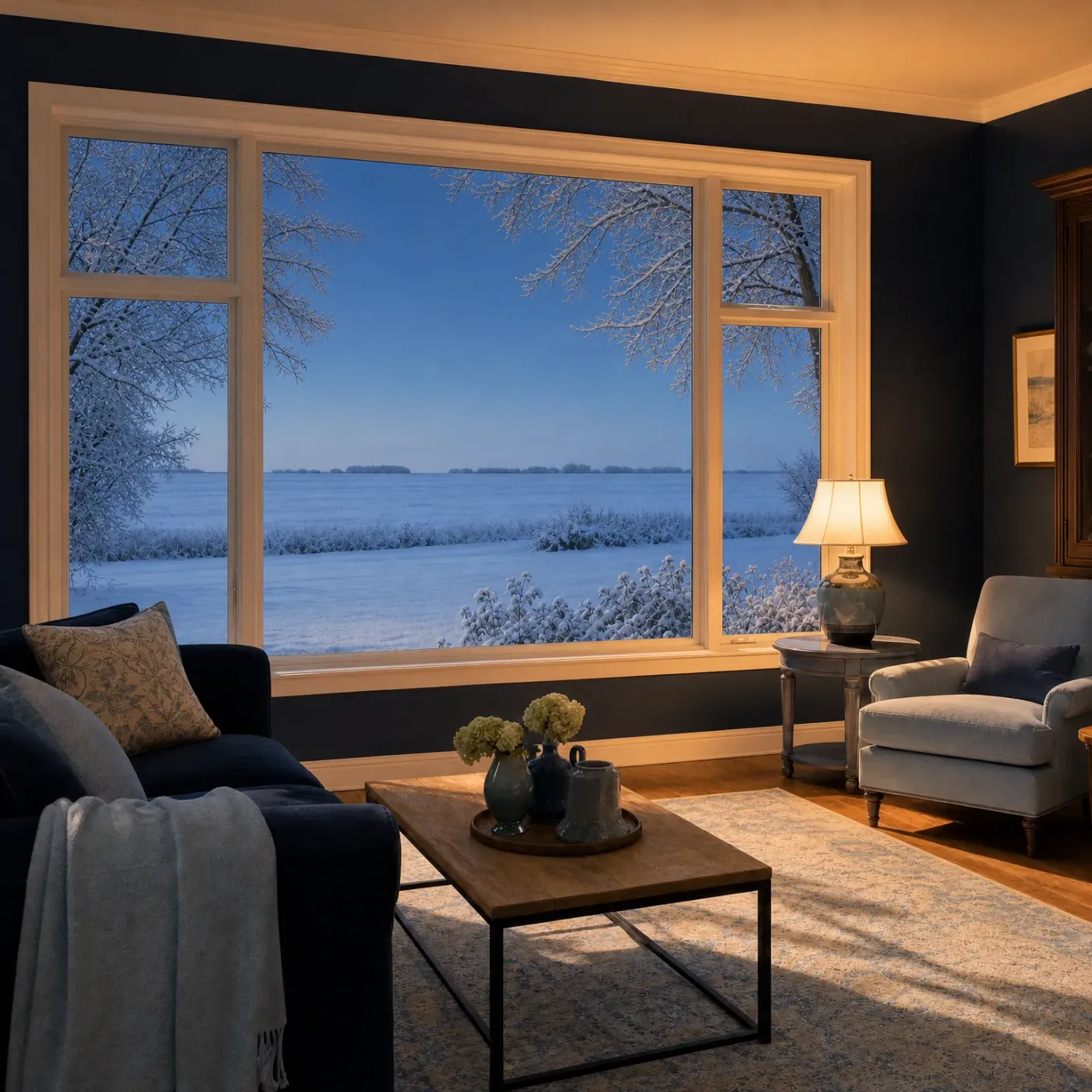
2 months of cooling, July through August
9 months of heat, September through May
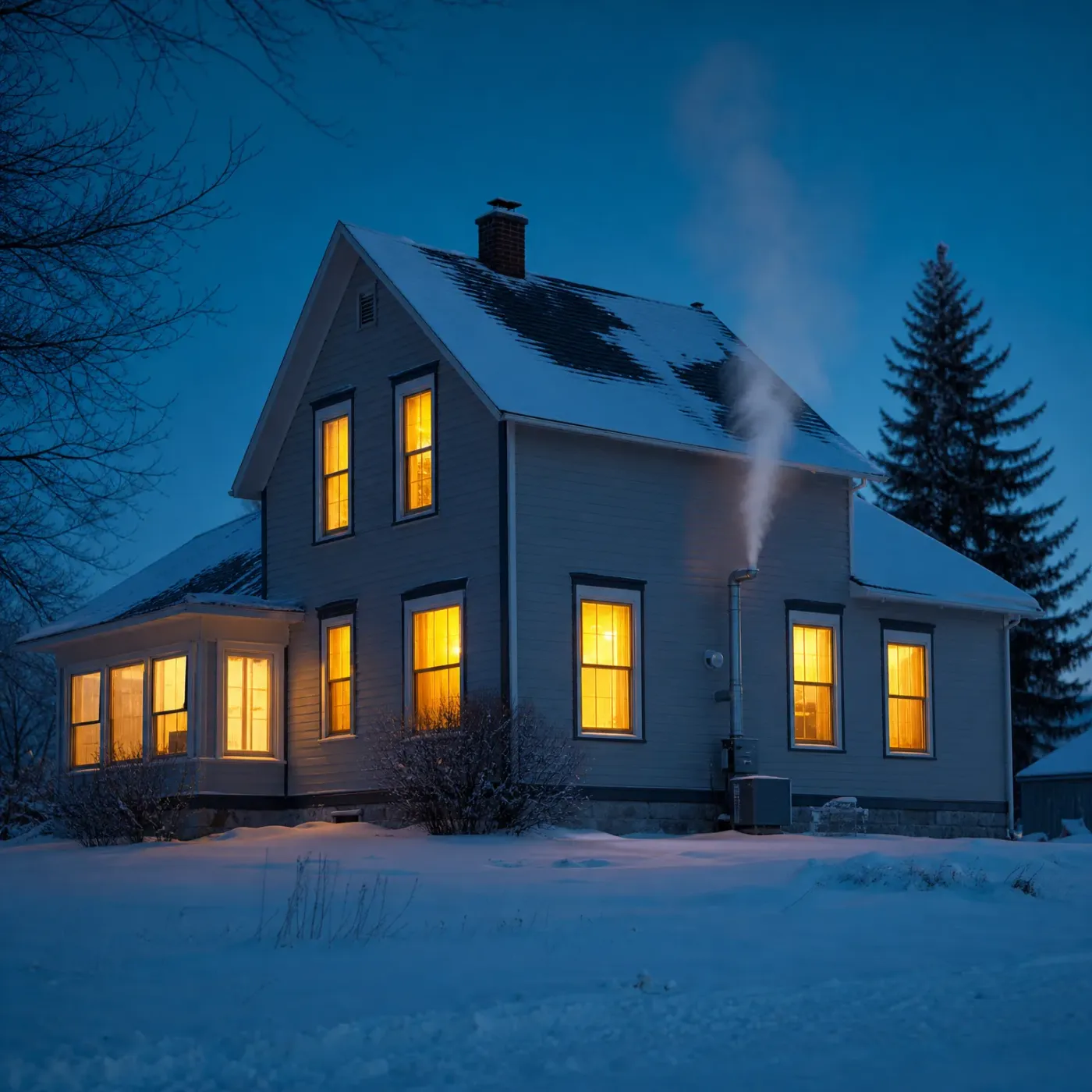
North Dakota's cold isn't the same everywhere. Towner County has the coldest winter nights in the state, averaging -1°F across December, January and February. Bowman County is the mildest in the state at 9°F, which is still cold enough to run heat most of the year, just not as hard as Towner County sees it.
A furnace sized for Bowman County won't keep up in Towner County. The sizing has to match where the house sits, not just the state as a whole. An installer working near Towner County is sizing for a harder load than one working near Bowman County, even though both jobs fall under the same state.
Statewide, households see overnight lows averaging 4°F through December, January and February, colder than every other state. That average sits between the two counties. If your home is near Towner County, size toward the colder end. If it's closer to Bowman County, the state average already overstates what your furnace has to handle.
What does a furnace in North Dakota face?
How cold do winter nights get?
4°Faverage overnight low where people live
North Dakota4°F
Hawaii65°F
How many months does the heat run?
9 monthsof heating a year
Hawaii0 months
Alaska12 months
What does natural gas cost?
$8.44per million Btu, what homes paid in 2024
Montana$7.77
Hawaii$53.25
How often do storms hit?
238severe weather events per county from 2015 to 2024
Alaska5
Wyoming1,057
How many homes lost power for a day or more?
7%of homes in 2024
Arizona7%
Maine54%
Get it done before September, not after
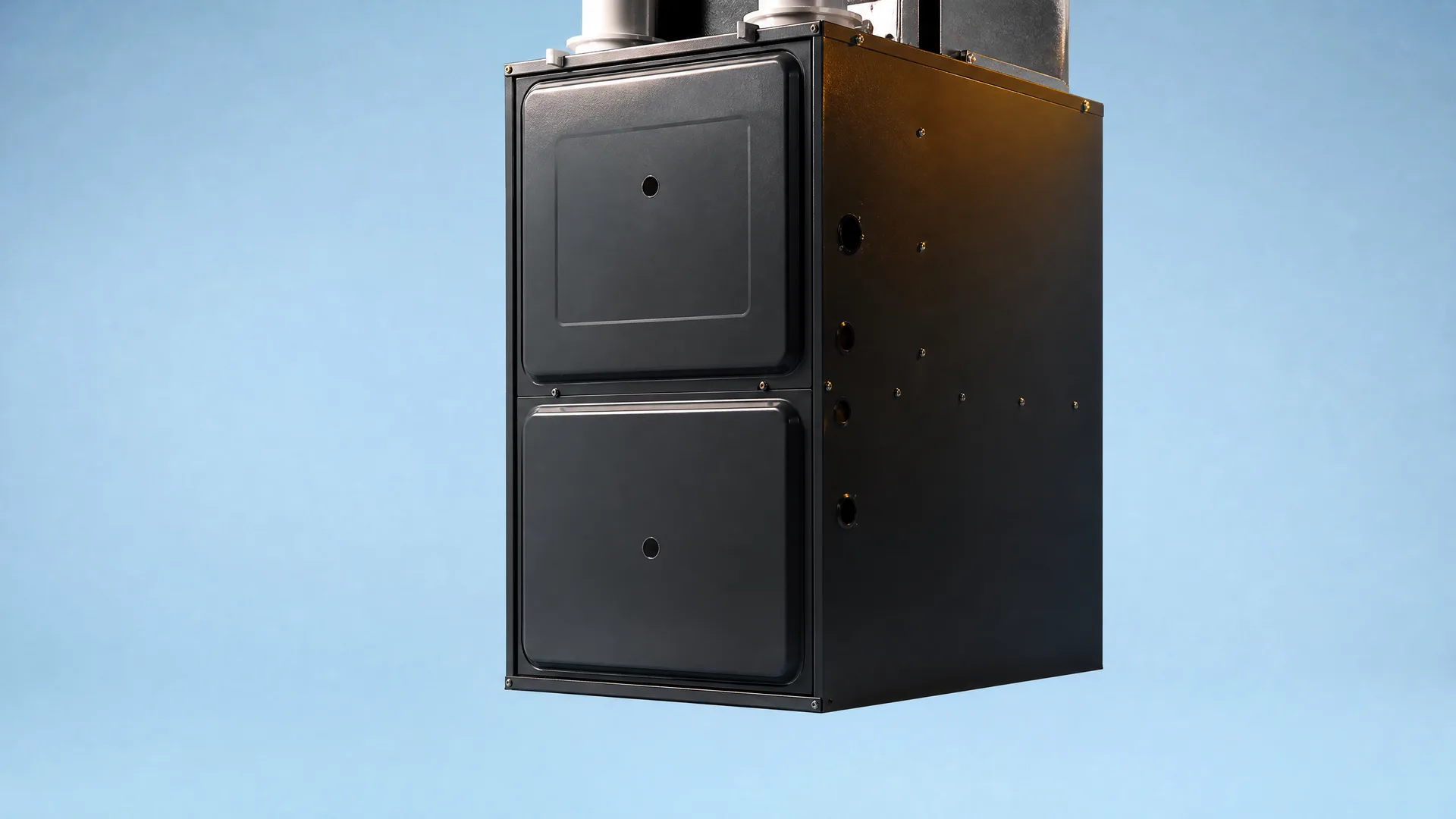
Heat starts running in September here. If the install happens in August, it's done before the furnace has to carry the house, and nobody's waiting on a crew with the temperature dropping. A furnace replaced in a hurry during a cold snap gets whatever unit is on the shelf. One replaced in August gets sized and vented properly, with time to check the work before it matters.
Sizing it right means calculating, not guessing
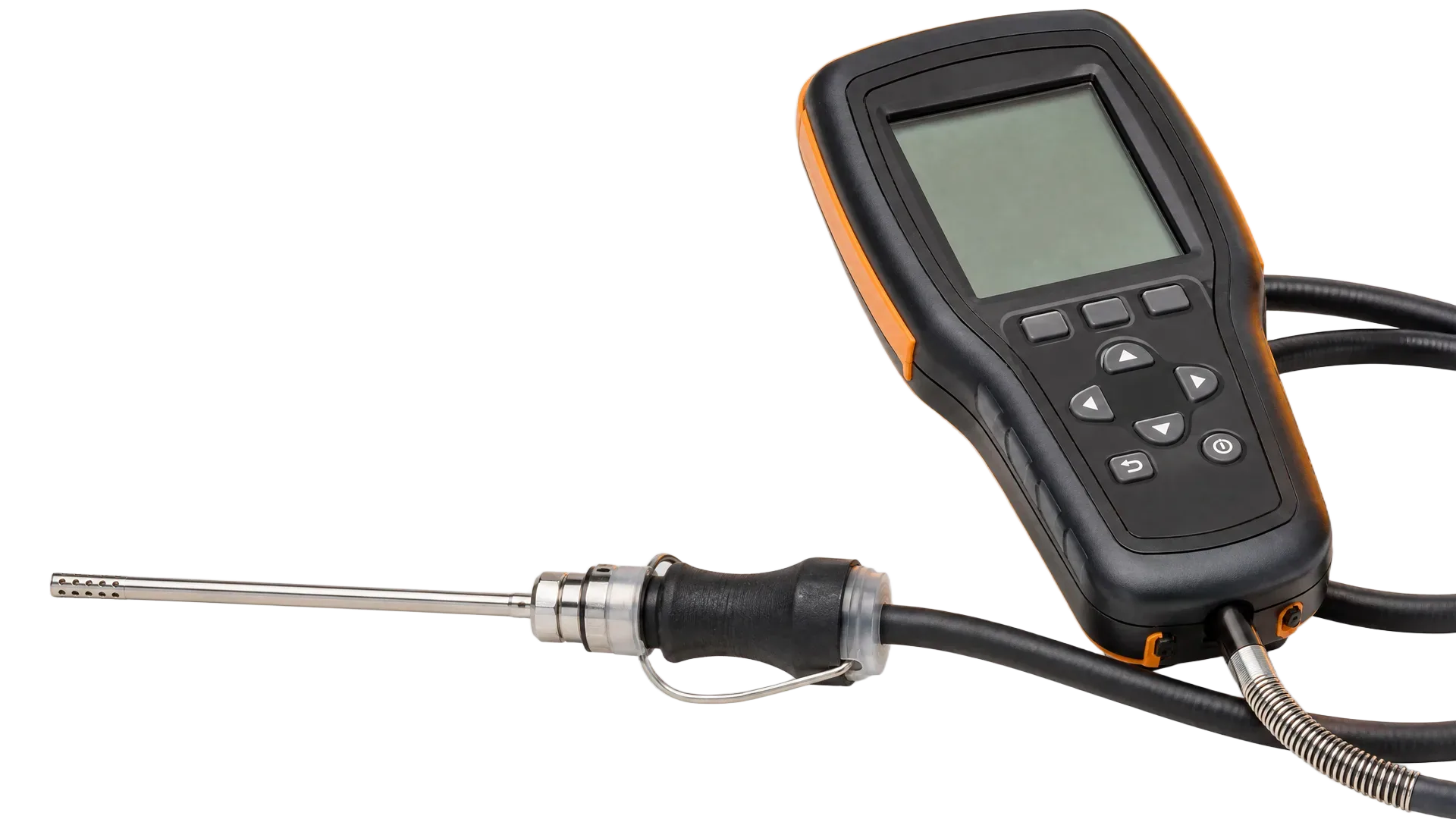
Sizing a furnace comes down to a heat loss calculation, not a guess based on the old unit or the square footage alone. A contractor works through the walls, the windows, the insulation, the ceiling height, even which direction the house faces, and comes up with a number for how much heat the house actually loses on a cold night. That number tells them what size furnace replaces that heat as fast as it's lost. Too big and the furnace blasts the house up to temperature and shuts off, then sits idle, then fires again. That short cycling puts more wear on the igniter and the blower motor than steady running does, and it leaves rooms far from the furnace never quite catching up before the next cycle ends. Too small and the furnace runs constantly during the coldest stretches, straining to keep up and still losing ground. The old rule of thumb, matching the new unit to whatever was there before, skips the calculation and just repeats whatever mistake or lucky guess was made last time. A furnace sized off the actual house, not the last furnace, is the one that runs the way it should.
What a new furnace is up against here
North Dakota needs heat for more months than 35 of the other states, and when it runs, it's running against colder nights than anywhere else in the country. That's the load a new furnace has to answer to here, every year it's in the ground. A system sized right for that load carries the house the way it's supposed to. One sized off a guess has nine months a year to show you it was wrong.
Get the sizing right once and your furnace carries the house the way it should.
Tell us about the job
Takes about a minute. No obligation.
Fill out the form and a licensed North Dakota installer sizes the job and calls to schedule it.