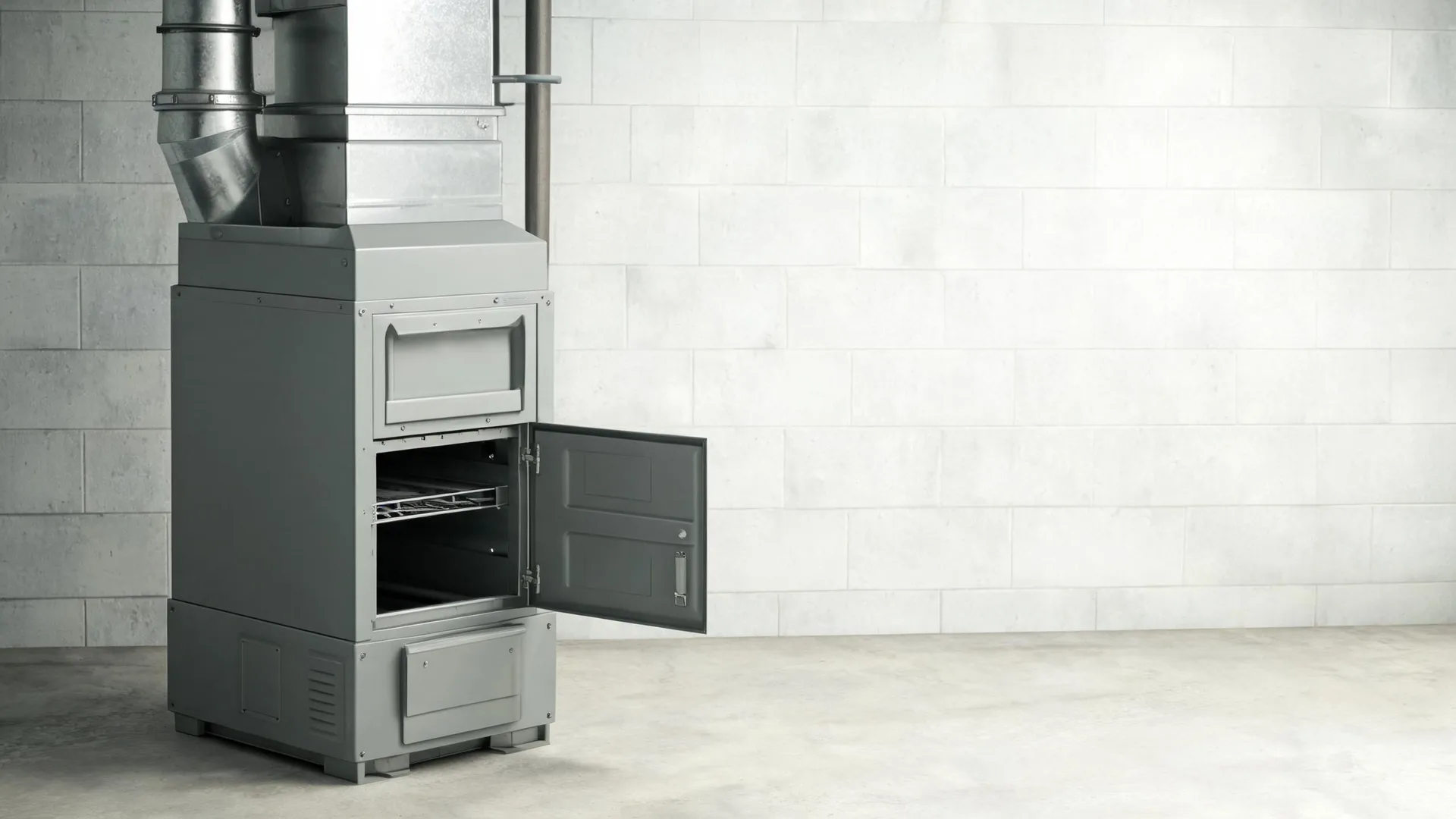
Gas here runs $8.44 per million Btu
North Dakota households paid $8.44 per million Btu of natural gas in 2024. That rate applies to every therm a furnace burns in New Rockford, all winter long.
Takes about a minute. No obligation.
North Dakota households paid $8.44 per million Btu of natural gas in 2024. That rate applies to every therm a furnace burns in New Rockford, all winter long.
A new furnace in Eddy County will run for months on end at that rate. How much of that gas turns into heat for the house, rather than going out the flue, is what separates a cheap winter from an expensive one.
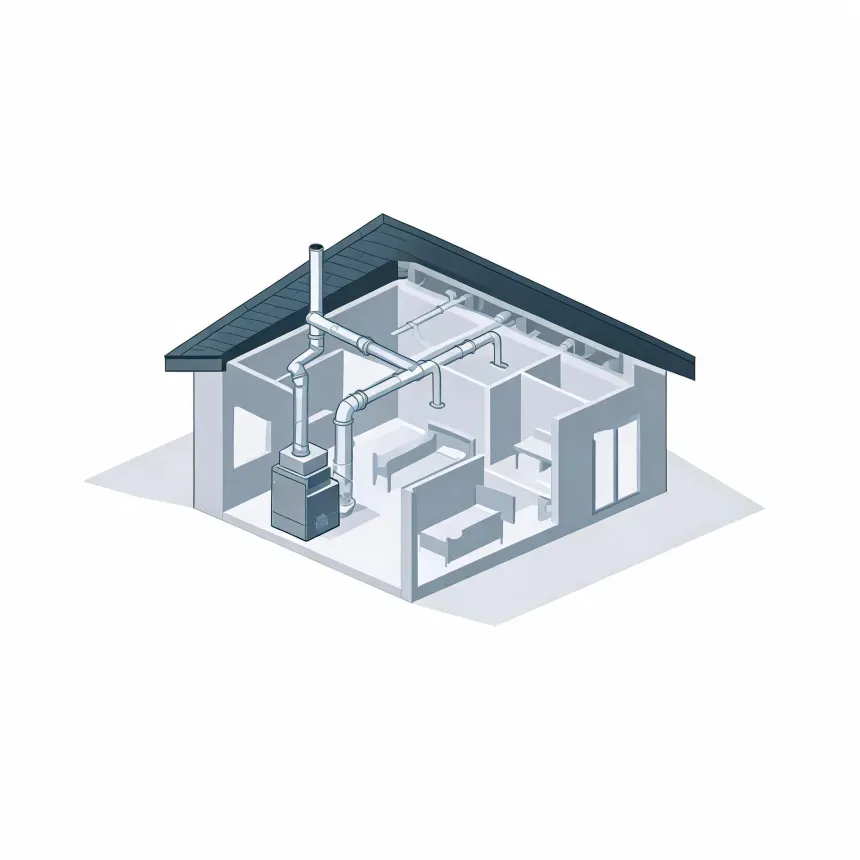
NOAA nClimDiv, 1991–2020 normals
Half the homes in Eddy County were built in 1966 or earlier.
A furnace going into one of those houses has to match the house it's going into, not a generic one.



Eddy County falls under zone 6A, the cold end of the national energy code. Any new furnace going in here has to meet the federal minimum for that kind of equipment: 80.0 percent efficiency, meaning at least 80 cents of every dollar of gas becomes heat in the house rather than exhaust out the flue. That floor rises to 95.0 percent for furnaces built from December 18, 2028 onward. Nothing below the current minimum can legally be installed, so the real choice is how far above it to go. A furnace running well above that floor costs less to run through a long winter than one sitting right at the line.
Gas here runs $8.44 per million Btu, and that rate doesn't change based on what you install. The furnace's efficiency rating does the rest. Ask what rating the new furnace carries before you settle on one, and weigh it against the ones you're comparing.
Find a contractor
Heat here starts in September and runs through May, nine months of the year this furnace will be on. August is the last quiet month before it has to carry the house. That makes August the time to have the old furnace out and the new one running and checked over, while there's still no rush. Wait past that and the job gets done after the heat is already needed, with less time to pick the right unit for your house.
A furnace is sized to the heat loss of the house, not to the furnace it's replacing. Getting that right takes a room by room look at the place, not a guess based on square footage. A unit sized too big cycles on and off instead of running steady, and costs more going in. One sized right costs less to buy and runs longer, steadier stretches that wear the parts less.
A higher efficiency furnace vents through plastic pipe out a sidewall instead of a metal flue up through the roof. Swapping to one means running new venting, and sometimes a condensate line to drain the moisture that kind of furnace produces. If the gas line or ductwork already in place doesn't match what the new furnace needs, that gets changed too. None of that is the furnace itself, but all of it is part of putting one in.
Estimates for a typical Eddy County home, from EIA household energy data, North Dakota fuel prices and NOAA climate normals. Your home will differ.
Installation starts with the old furnace coming out, along with the vent pipe and gas line connections feeding it. The new furnace gets set in place, leveled, and connected to the ductwork, the gas line, and the vent. Electrical and low voltage wiring for the thermostat gets run next. Once it's hooked up, the gas line gets pressure tested for leaks before anything is fired on. The furnace then gets fired up and run through a full cycle while static pressure, gas pressure, and temperature rise get checked against what that unit is built to run at. Airflow gets checked at the registers, and the vent system gets checked for proper draft so exhaust is actually leaving the house instead of lingering. A furnace that passes all of that on install day is one that's set up to run the way it's supposed to for years.