





A snow-covered small-town street at dusk, lined with illuminated two-story houses and a grain elevator on the horizon.

Furnace Installation in Minot, ND

Tell us about the job

Takes about a minute. No obligation.

New system or replacementFurnace or heatingWard County, ND
Step 1 of 2

What ZIP code is the job in?

Gas heats 56.7 percent of homes in Ward County, more than electric and propane combined. If your house is already on a gas line, a gas furnace is the straightforward replacement. A contractor can size the new unit to the house and vent it the way the old one was vented, or correct that if it was never done right. Homes on electric or propane follow the same rule. Match what's already feeding the house unless there's a real reason to switch. Changing fuel types means new gas lines or new electrical work before the furnace itself goes in.

9 months
September through May, your furnace is on duty
5°F
the average winter night it heats against
57%
of homes here heat with gas, so most furnaces here burn gas
80% AFUE
the federal minimum any new unit must meet
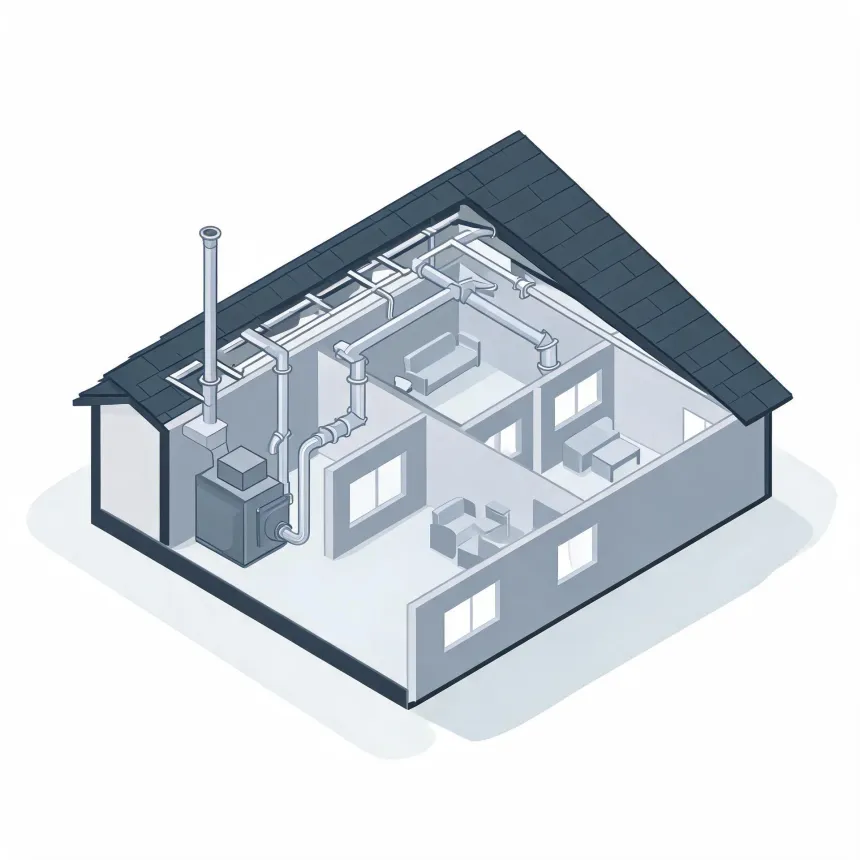
Isometric cutaway illustration of a single-story house showing interior rooms, a furnace unit with flue pipe, and branching ductwork running through the ceiling space under a dark shingled roof.
Your furnace works hardest from November through March.

NOAA nClimDiv, 1991–2020 normals

The old furnace doesn't just get left in the basement.

A contractor disconnects the gas line and flue, pulls the unit out, and hauls it off, so the new one goes into an empty spot.

Minot winters are cold, not unusual. A standard furnace built for zone 7 handles them.

Heat runs September through May
Winter nights average 5°F
Climate zone 7
Heat runs nine months hereHomes in Ward County run furnaces September through May, so August is the time to put the new one in.

Ask what the furnace is rated to do at its lowest setting, not just its highest. A unit that only fires at full output will heat the house fast and then shut off, cycling on and off all day instead of holding a steady temperature. Furnaces carrying the same output number can still behave differently once installed, because so much depends on the ductwork they're paired with. Ask how the contractor is sizing the unit to the house, not just picking a bigger number because bigger sounds safer. An oversized furnace short cycles, and that wears the heat exchanger and the igniter faster than running a correctly sized one on a cold night. Ask about the venting too. A high efficiency furnace vents differently than the standard kind, through a different type of pipe, and that affects where it can go and what it costs to set up right.

Size it for how hard it works here

A new system here will work harder than most, every year. Size it right and don't buy on price alone.

Find a contractor
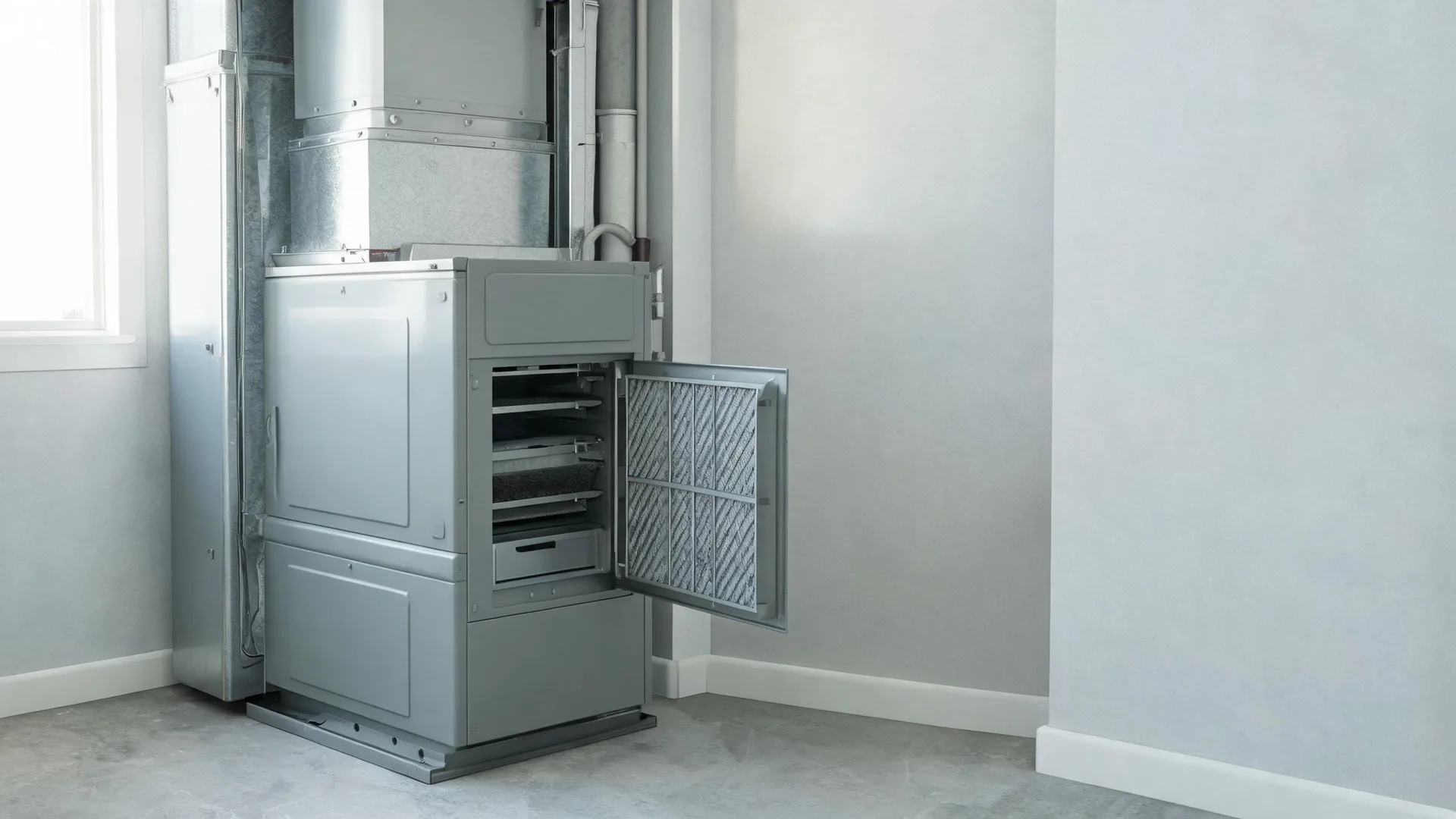
A gray high-efficiency gas furnace installed in an unfinished basement, surrounded by gas lines, a condensate drain, and sheet-metal ductwork.

What you're really paying for

The unit itself is only part of what a contractor is pricing out. Ductwork is the other part. If the existing ducts already match what the new furnace needs, the install goes faster and that shows up in the price. If they don't, runs have to be modified or replaced to match the blower, and that's labor and material the furnace price alone won't show you. Venting matters too. A standard furnace vents through metal pipe into a chimney or straight out a wall. A high efficiency furnace vents through plastic pipe that has to run a certain way to drain condensation properly, and that can mean a longer run or a different wall penetration than the old furnace used. A furnace that fits the house without any of that extra work costs less to install than one that looks better on paper but fights the existing setup the whole way.

AFUE tells you what's wasted, not what you'll feel

The AFUE number on the label is how much of the gas you burn turns into heat in the house versus how much goes out the flue. It doesn't say how evenly that heat gets delivered or how the furnace handles a mild day versus a cold snap. A furnace with a high AFUE can still short cycle and leave cold spots if it's sized or installed wrong. The label is about fuel use, not comfort.

The rating only holds if the install matches it

A high efficiency furnace hits its rated number when the venting, the ductwork, and the condensate drain are all set up the way that furnace needs. Skip any of that and the furnace still runs, but it won't run at the number on the label. Ask the contractor straight out whether the house is set up to get what that furnace is rated for, or what has to change so it does.

An unfinished basement containing a forced-air furnace with metal ductwork, exposed wooden ceiling joists, a hanging Edison bulb, and bare concrete floors.

A high-efficiency gas furnace would save about $100 a year to run in Ward County compared with a gas furnace.

  • A high-efficiency gas furnace$480 a year
  • A gas furnace$580 a year

Estimates for a typical Ward County home, from EIA household energy data, North Dakota fuel prices and NOAA climate normals. Your home will differ.

The old furnace comes out before the new one goes in, so there's usually a stretch where the house has no heat at all. The contractor cuts the gas line, disconnects the flue or vent pipe, and disconnects the ductwork boot before the unit moves. Setting the new furnace means leveling it, connecting the supply and return plenums, running new flue or vent pipe to match what that model needs, and wiring it to the thermostat. Gas lines get pressure tested before the burner is ever lit. Once it's running, the contractor checks the flame, checks for gas leaks at every joint, and measures the temperature rise across the furnace to confirm it's in the range the manufacturer specifies. That last check matters more than whether the unit powers on. A furnace that lights but runs outside its rated temperature rise is installed wrong even if it seems fine that day.