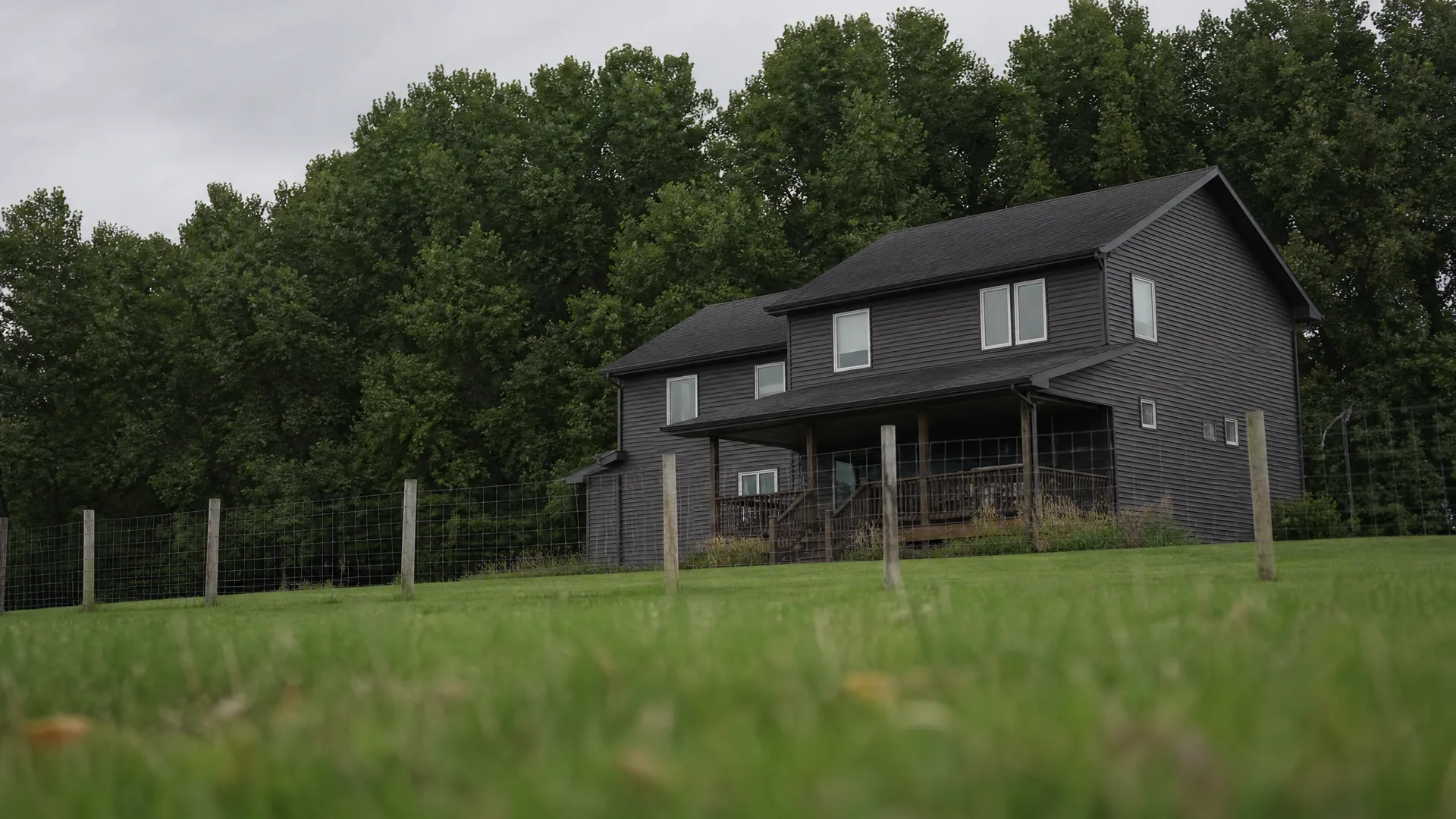





A two-story dark gray house with a covered porch stands behind a wire fence, with a mowed grass lawn in the foreground and dense deciduous trees behind under an overcast sky.

Furnace Installation in Wahpeton, ND

Tell us about the job

Takes about a minute. No obligation.

New system or replacementFurnace or heatingRichland County, ND
Step 1 of 2

What ZIP code is the job in?

Electricity in North Dakota runs $33.73 per million Btu, among the higher rates in the country. If your furnace runs on electric heat or you're weighing a heat pump against gas, that rate applies to every hour it runs. A furnace that converts fuel to heat more efficiently uses less of it to hold the same temperature, and at this rate the difference shows up on the bill each month, not just over the life of the unit. Ask what efficiency rating a new furnace carries before you decide between models.

9 months
September through May, your furnace is on duty
5°F
the average winter night it heats against
80% AFUE
the federal minimum any new unit must meet
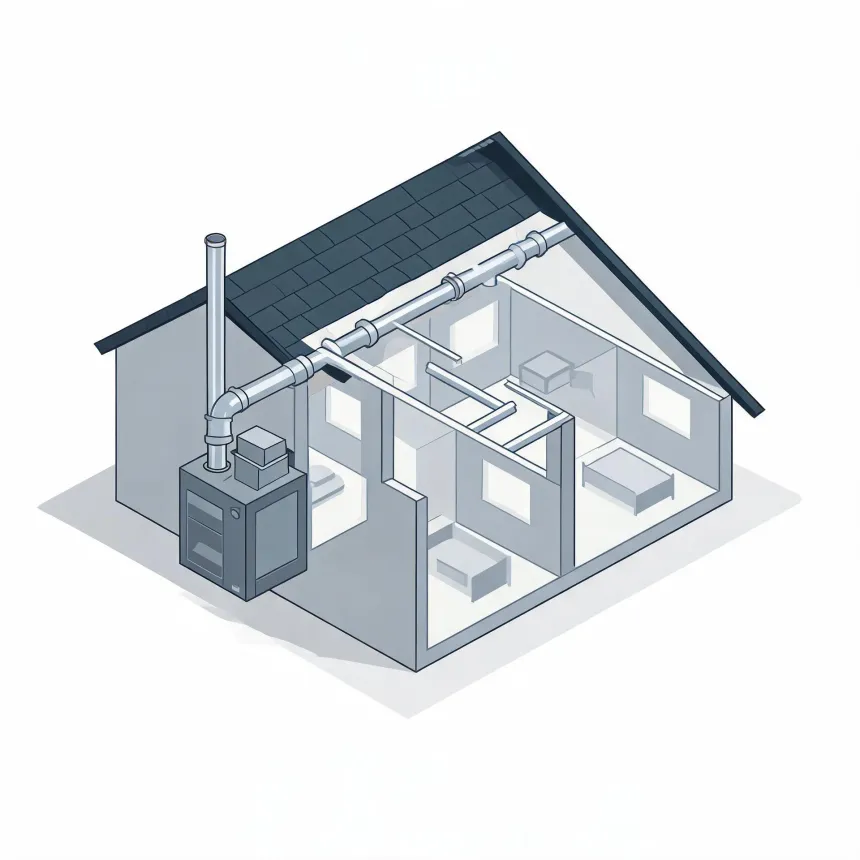
Isometric cutaway illustration of a small house showing interior rooms, ductwork running through the attic, and a furnace unit with a vertical flue pipe on the exterior wall.
Your furnace works hardest from November through March.

NOAA nClimDiv, 1991–2020 normals

Almost half the homes in Richland County heat with electricity.

A furnace replacement here most often means matching the electric setup already in place.

Nine months of heat, down to 5 below. This furnace doesn't get an easy season.

Heat runs September through May
Winter nights average 5°F
Climate zone 6A

Heat starts running here in September and goes through May. That's most of the year. If your furnace is old enough to be a question mark, August is the month to deal with it, not after the first cold night. Wait too long and you're choosing from whatever unit someone can get installed fast. Replace it in August and you get to pick the furnace that fits your home, installed on a day that works for you instead of one the weather picked.

Efficiency pays here

Power costs more here, so an efficient system pays you back on every bill.

Find a contractor
A man in a cap, gray long-sleeve shirt and tan work pants climbs porch steps toward a dark blue front door, carrying a canvas tool bag with tools in its outer pockets.
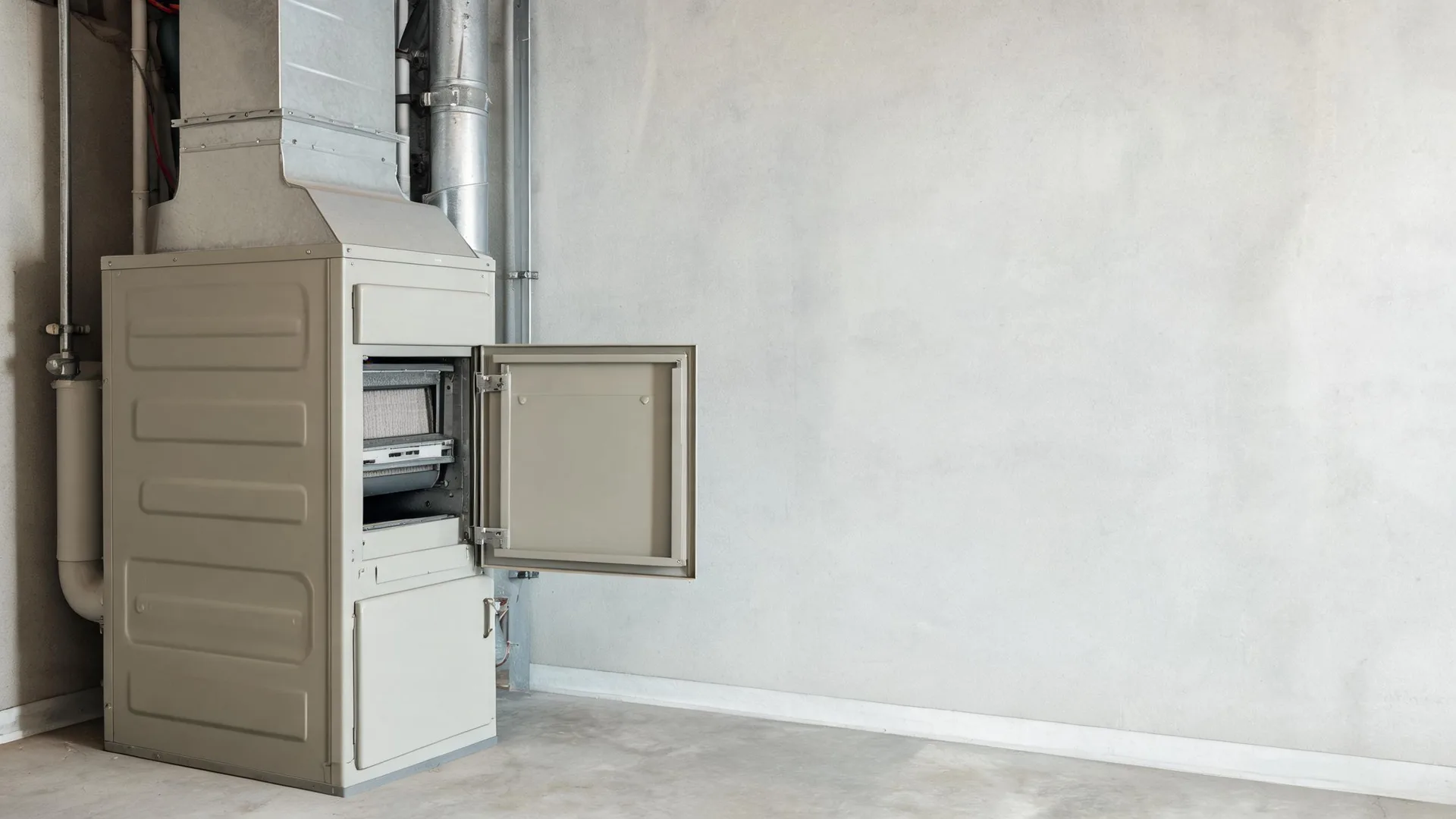
A gray residential gas furnace installed in an unfinished basement, surrounded by ductwork, a metal flue pipe, and a gas supply line.

An old house needs a furnace sized to fit it

Half the homes in Richland County were built in 1972 or earlier. A furnace going into a house that old is going into ductwork and a layout it didn't design. The new unit should get sized to the house, not swapped in at whatever size the old one happened to be.

Bigger isn't better

A furnace sized too big for the house will heat it fast, shut off, and start again soon after. That short cycling wears the igniter and the blower motor harder than steady runs do, and it leaves rooms farther from the furnace colder than the ones nearby because the air never runs long enough to even out.
The math behind the size

Sizing a furnace means working out how much heat the house loses on the coldest days, room by room, based on wall and window area, ceiling height, and how much of the house is insulated versus not. A contractor who sizes it right does this room by room instead of going by the square footage of the house alone.

The sizing work is only part of what you're paying for. Someone has to run a gas line or confirm the existing one can handle the new unit, set up venting that matches how the furnace exhausts, and check whether the ductwork can carry the air a new system moves. A furnace that sits in a different spot than the old one, or vents differently, costs more to put in than one that's a straight swap. The furnace itself is one line item. The work to make it breathe, vent, and tie into the house correctly is the rest.

Installation day starts with the old furnace coming out, and that takes longer than people expect once the gas line, vents and ductwork are disconnected. The new unit gets set in place. Then the gas line gets connected or swapped to one rated for it, the vent pipe gets run to match how this furnace exhausts, and the ductwork ties in to carry the air it moves. Once it's connected, a tech runs the furnace through its paces, checking gas pressure, airflow and the temperature rise across the heat exchanger against what the manufacturer specifies. The last step is combustion testing. That confirms the furnace is burning fuel cleanly and venting exhaust the way it should, not backdrafting into the house. Skipping any of that is how a furnace ends up running unsafely or falling short of the efficiency it's rated for.