



Side profile of a bearded man wearing a faded dark blue baseball cap and a matching dark T-shirt against a plain light gray background.

Furnace making a loud noise in Wahpeton, ND

RepairFurnace or heatingRichland County, ND
Step 1 of 2

What ZIP code is the job in?

A loud noise from your furnace usually points to one of a few things. A banging or boom when it starts is often a delayed ignition, where gas builds up before it lights and catches all at once. A squeal or screech points to the blower motor or its bearings. Rattling can mean a loose panel, but it can also mean something loose inside the cabinet, which is worth checking before you run it again. A scraping sound often means a part inside the blower wheel has come loose and is hitting the housing as it spins. With Wahpeton winters as hard as they are, your furnace runs for hours at a stretch most days from fall through spring, and a problem that starts small tends to get worse fast under that kind of use. Shutting it off and having someone look at it before the next cold stretch is the safer move than waiting to see if the noise goes away on its own.

A gray high-efficiency furnace in a basement with PVC vent pipes, sheet-metal ductwork, copper and insulated pipes, a water heater at left, and an unfinished wood-stud wall at right.
A furnace running right stays quiet, maybe a low hum when the blower kicks on and off.
An older beige furnace with louvered front panels stands on a concrete basement floor beside galvanized ductwork, metal and plastic pipes, exposed wood framing, and a cylindrical water heater at right.
A furnace left to keep banging or squealing is wearing down a part that will eventually fail outright.
A woman in a gray turtleneck sweater stands near a window with snow outside, in a dimly lit living room with a lit Christmas tree, table lamp, sofa and bookshelf.
A woman in a cream knit sweater with her hair in a bun stands in a dimly lit living room looking out a large window at snow-covered evergreen trees, with a lamp, sofa, framed picture and lit candle behind her.
A woman in a thick gray knit sweater stands beside a window looking out at falling snow, with a dimly lit living room containing a lamp, sofa, string lights and a candle behind her.
A woman in a gray turtleneck sweater stands in a dimly lit room with a lit table lamp, framed picture and sofa, looking toward a window with snow outside.

Why does my furnace make a banging noise when it kicks on?

You hear a bang or a boom right when the furnace fires up, loud enough that you checked to see if something fell. It happens at the start of the cycle, not while it's running, and that timing matters. Winters in Wahpeton get hard, and a furnace that kicks on with a bang every time isn't something to just get used to before the cold really sets in.

Delayed ignition is usually the cause

Gas furnaces light through an igniter near the burners. When that igniter is weak or dirty, or the burners themselves are dirty, the gas doesn't catch right away. It keeps flowing for a second or two before it finally lights, and by then there's enough built up in the burner chamber that it ignites all at once instead of lighting smoothly. That small explosion is the bang you hear, and it's loud enough to carry through the ductwork into the rest of the house. It's a problem that tends to get worse over time, not better, since a weak igniter keeps weakening and dirty burners stay dirty until someone cleans them.

A gray high-efficiency furnace with white PVC venting pipes stands on blocks in a basement next to sheet-metal ductwork, with exposed wood framing on the left and a concrete wall and floor.

Running quiet

This is what a furnace should sound like. Air moves through the ductwork, the burners light without a sound, and the loudest part of the cycle is the blower settling into a steady hum. Nothing bangs, nothing squeals, and nothing needs your attention.

An older gas furnace with two white PVC vent pipes stands on a concrete basement floor beside galvanized sheet-metal ductwork, flexible conduit, and piping along a wall.

Noise and wear

This older unit is past the point of staying quiet. A bang at startup or a squeal from the blower is a sign something inside is wearing down, and in a cabinet this age, parts are closer to the end of their run. Left alone, the noise doesn't go away on its own.

Is this noise something to worry about tonight?

Walk through the house and listen. If the bang happens once when the furnace fires and then it runs quiet, that's the ignition delay, and it's worth getting looked at before a harder winter night makes it worse. If you're hearing the squeal every cycle, or it's getting louder over a few days, the blower is working against something it shouldn't have to, and that puts more strain on the motor each time it runs. A grinding or rattling sound usually means something loose or worn is about to let go. None of this means you lose heat tonight. It means the part making the noise is heading toward failing on a night when you need it most, and in a Richland County winter that's not a good night to be without it.

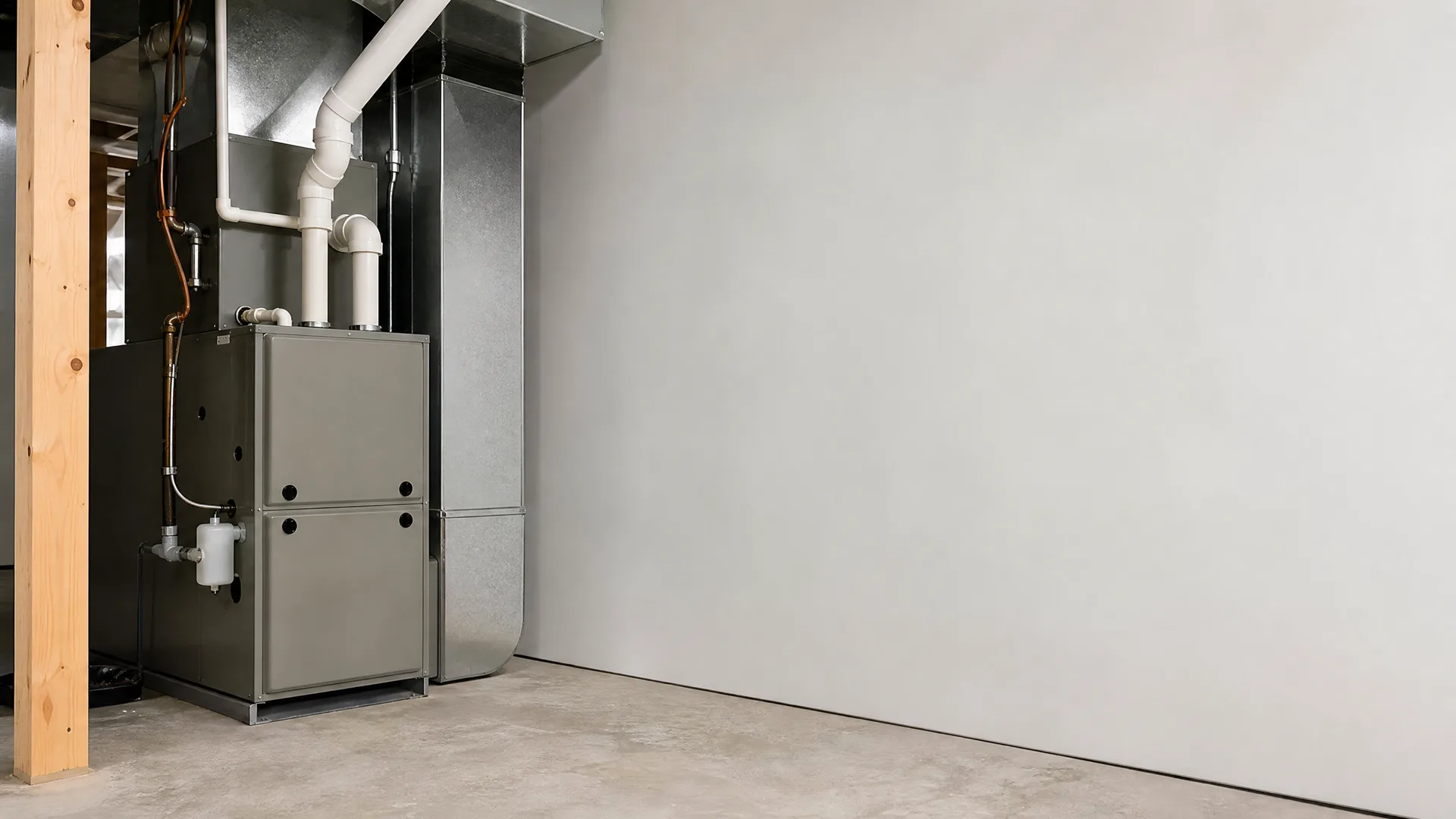
A gray high-efficiency furnace with white PVC venting pipes and sheet-metal ductwork stands against a basement wall beside a wooden post, with a bare concrete floor and plain gray wall to the right.

Why the bang happens at ignition

Gas furnaces light with a small flame at the burner, timed to catch the gas as soon as it flows. If the igniter is weak or the burner is dirty, gas builds up for a second before it catches, and that pocket lights all at once instead of igniting smoothly. The bang you hear is that small delayed flash, and it hits the heat exchanger each time the furnace starts.

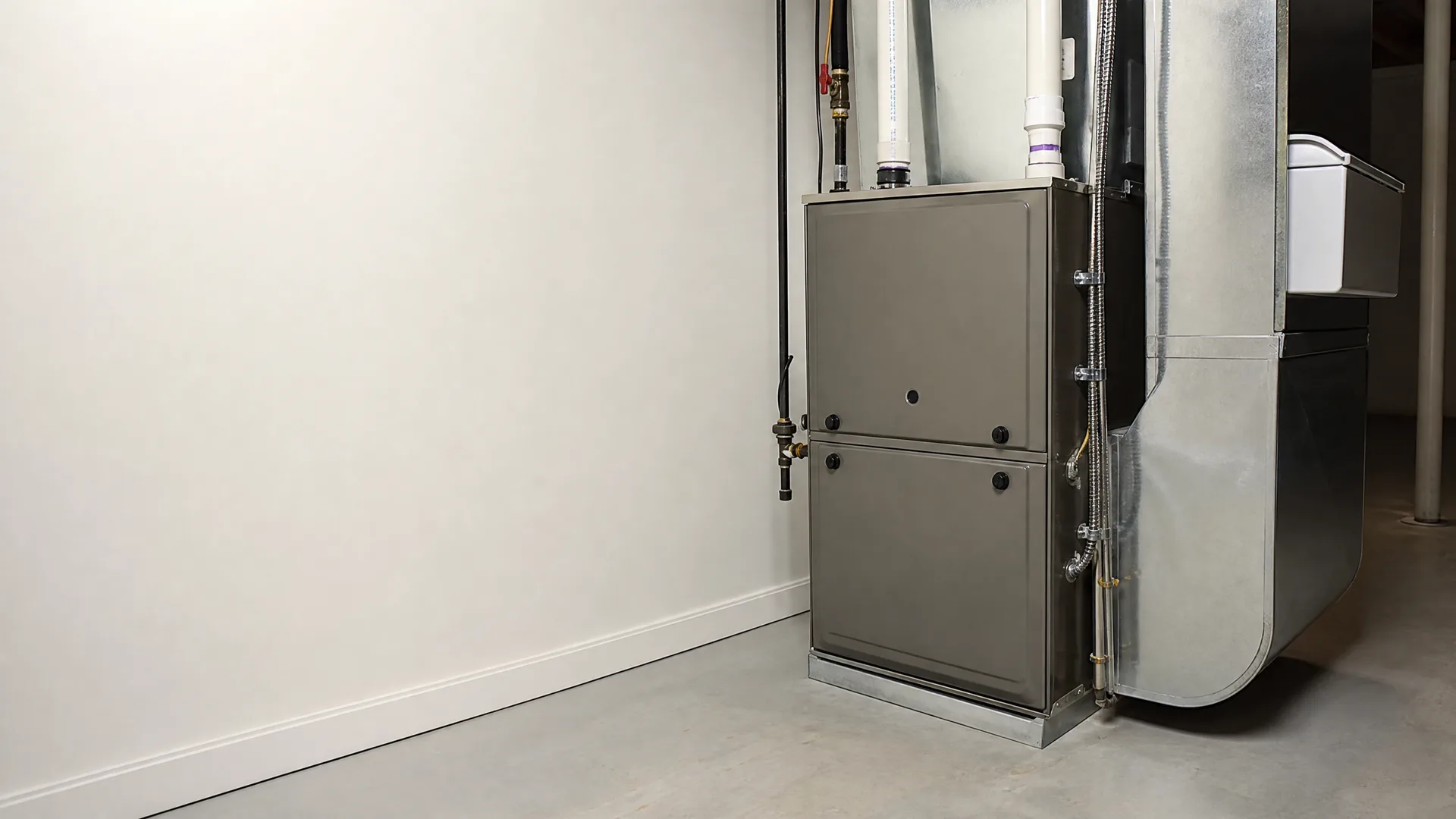
A gray high-efficiency furnace with white PVC vent pipes and flexible metal lines stands against a plain light wall in a basement, connected to galvanized sheet-metal ductwork on a concrete floor.

Why the squeal points to the motor

The blower motor spins every time the furnace calls for heat, often more than a dozen times a day in a Richland County winter. A worn bearing inside that motor loses its lubrication over time, and metal starts to turn against metal instead of sliding free. That friction is what makes the screech, and it gets louder and more frequent the longer the motor keeps running without attention.

Winter nights average 5°F

Nights here average 5°F in December, January and February, so your furnace is running long stretches without a break. A bang or squeal that you could ignore on a mild day is a part working harder on a night that cold, and more likely to fail when you need the heat most.

NOAA nClimDiv 1991-2020

Catch it now and a tech replaces an igniter or tightens a blower wheel in one visit, done before dinner, furnace back to quiet.

Wait, and that same igniter fails outright on a night near zero, and now you're without heat until someone can get out to the house.

A bearded man in a plaid flannel shirt stands indoors looking out a window at snow-covered conifers, with a ceramic mug on the wooden sill and wooden cabinets behind him.
A smiling man in a dark blue T-shirt sits on a light gray sofa in a living room with a wooden shelf and window behind him, with a laptop edge visible in the foreground.

A furnace pro near you

A furnace in Richland County doesn't get a day off once the cold sets in, and a noise that started last week won't fix itself by February. Most homes here run on electric heat, and power is cheap, but cheap power doesn't help a blower wheel that's rubbing or an igniter that's about to quit. What it needs is someone who knows the equipment, not a guess. A local contractor who works on furnaces all winter in this county has heard this exact bang or squeal before and knows which part is usually behind it. Submitting your information here connects you with one contractor who covers Wahpeton and the surrounding area, so you're dealing with one call, one visit, one person who can look at your furnace directly instead of troubleshooting over the phone. The noise your furnace is making now is smaller than the noise it makes when the part finally gives out. Get it looked at while it's still the easy fix.

Call now versus wait it out

A tech can usually trace a bang or a squeal in one visit, because the timing of the noise tells most of the story before anyone opens the cabinet. Ignition noise points at the burner and igniter. Noise that rides along with the blower points at the motor or the wheel. A local contractor who works on furnaces all winter has heard both more times than you have, and knows which one is more likely given what you describe on the phone. That's worth something when nights are running near 5 degrees and you'd rather not guess.

What waiting usually costs you

Nothing about a furnace noise gets quieter on its own. A delayed ignition that bangs once a cycle now will keep doing that every cycle until the igniter is replaced or the burner is cleaned, and a weak igniter tends to get weaker, not stronger. A squeal from the blower is friction, and friction wears the part it's coming from. The furnace that's merely noisy today is the one that stops running on the night you need it least, and a cold snap in Richland County doesn't wait for a convenient appointment. Getting it looked at while it's still just a noise keeps the problem a repair instead of a breakdown.

An older gas furnace with a louvered front panel stands on a concrete basement floor beside large sheet-metal ductwork, a metal flue pipe, copper piping and wood framing.
Before you get your furnace repair
A beige high-efficiency furnace stands on a concrete basement floor beside sheet-metal ductwork, with white PVC vent pipes, flexible conduit and copper and steel piping running up a concrete wall to an electrical box.
After you get your furnace repair

Fix the Noise or Risk a Breakdown

Fix it now

  • A tech traces the noise to its source in one visit, since timing and sound point to the part before the cabinet comes off.
  • A weak igniter or a dirty burner gets replaced or cleaned before a hard freeze puts the furnace through its longest runs of the year.
  • A loose blower wheel or worn bearing gets caught while it still only squeals, not after it seizes and takes the motor with it.
  • The furnace goes back to running quiet, and you stop listening for it every time the heat kicks on.
  • A local contractor who works on these furnaces every winter knows which noise usually means which part, so the visit isn't a guessing game.

Wait it out

  • The bang or squeal keeps happening every cycle, and every cycle is wear on whatever part is already struggling.
  • A delayed ignition that keeps banging is stressing the heat exchanger a little more each time it fires.
  • A squeal from the blower motor or its bearings usually gets worse, not better, the longer it runs like that.
  • Nights in Richland County average 5°F in December, January and February, and that's when a strained part is most likely to quit.
  • If it fails outright on one of those nights, you're without heat until a tech can get out, instead of on your own schedule.
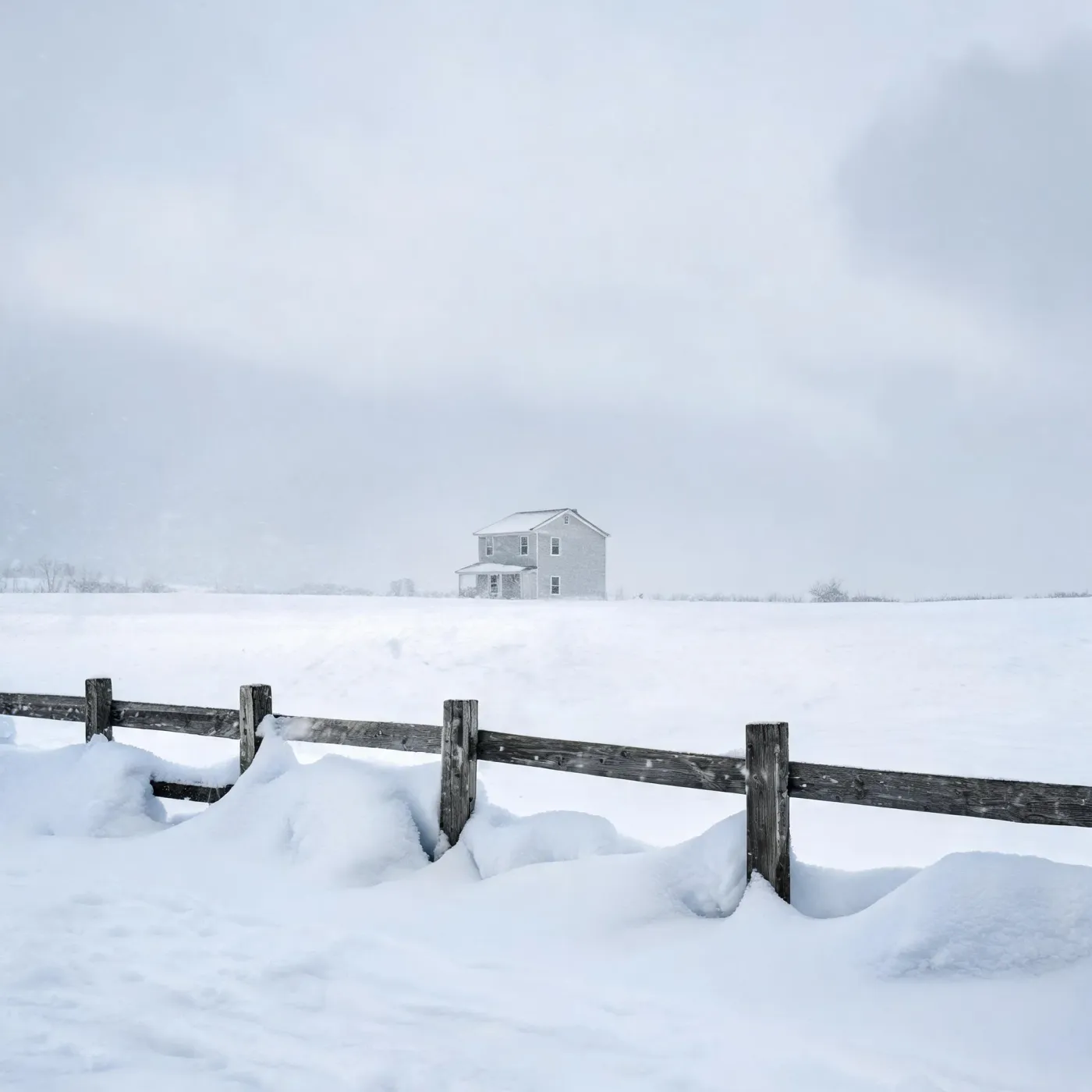
A two-story light-colored house stands alone in a snow-covered field under a pale overcast sky, with a weathered wooden post-and-rail fence partly buried in snowdrifts in the foreground.

Winter nights in Richland County average 5°F in December, January and February, according to NOAA climate records. That's a long stretch with the burners firing over and over through the night, not just on the coldest week of the year. A noise that shows up at that pace gets worse fast. A bang at ignition one night becomes a bang every cycle within a few days, because the part causing it is wearing with each start, not resting between them. Same with a squeal from the blower. At 5 below, you'll hear it more, not less, since the furnace is running longer to keep up.

NOAA nClimDiv 1991-2020

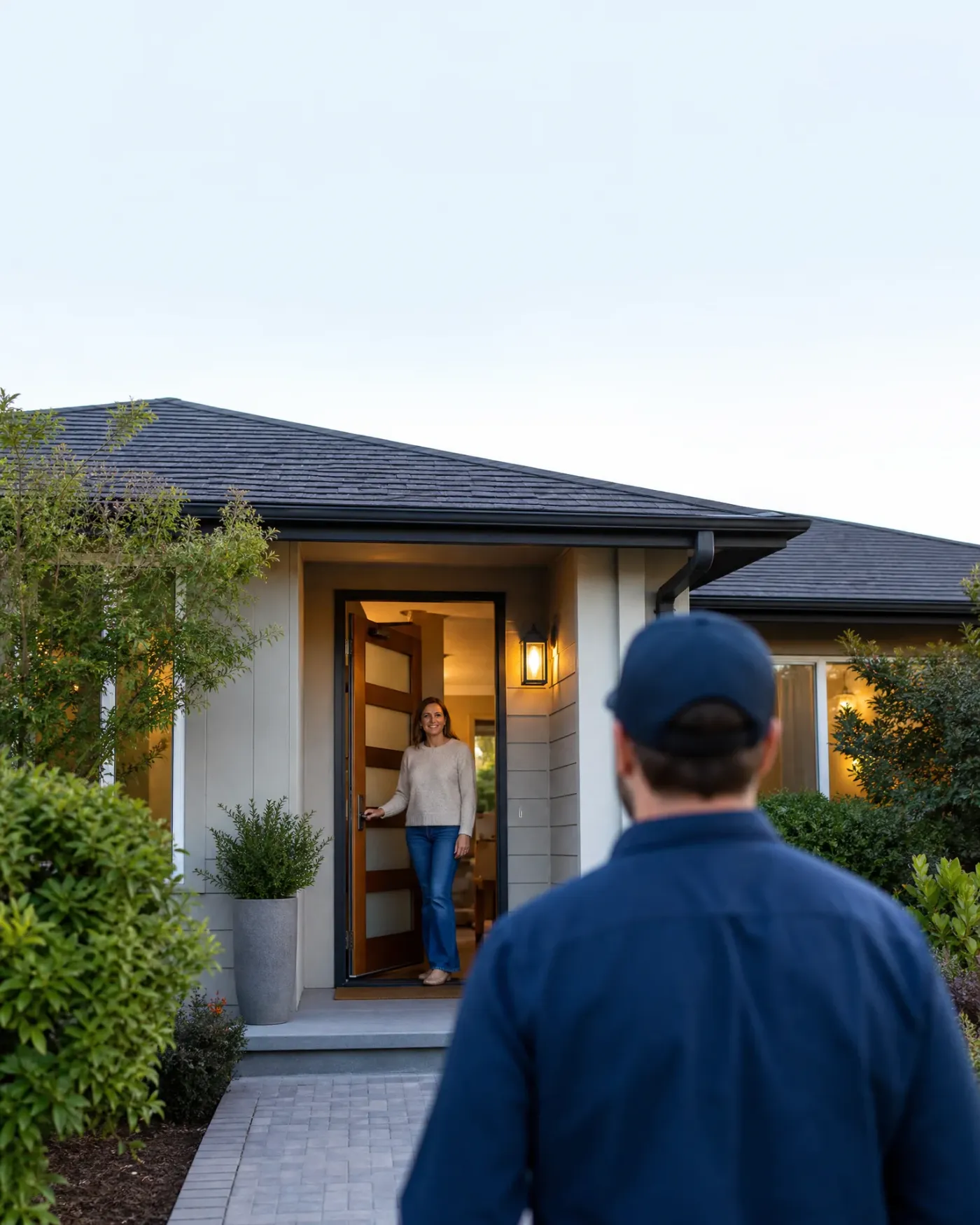
A woman stands in the open front doorway of a single-story house with a dark hipped roof and light siding, while a man in a navy jacket and cap is seen from behind in the foreground on the paved walkway.

A noise that tells you something, if you listen

A bang at startup is the igniter or the burner. A squeal while it runs is the blower. Either way, the noise is telling you which part is wearing out before it quits on you. You don't need to know which one. You just need to not wait through a Wahpeton January to find out.

A local contractor who works on furnaces all winter in Richland County has heard this exact noise before and knows what it usually turns out to be. Once you're matched, that's who calls you, one contractor who already has a sense of what to check first, not a string of companies working down a list. Tell them when the noise started and what it sounds like, and they'll take it from there.

A dark ceramic vase holding a leafy green branch sits on a round wooden table, with a blurred cushioned wooden armchair, woven basket, window and shelving with pottery in the background.
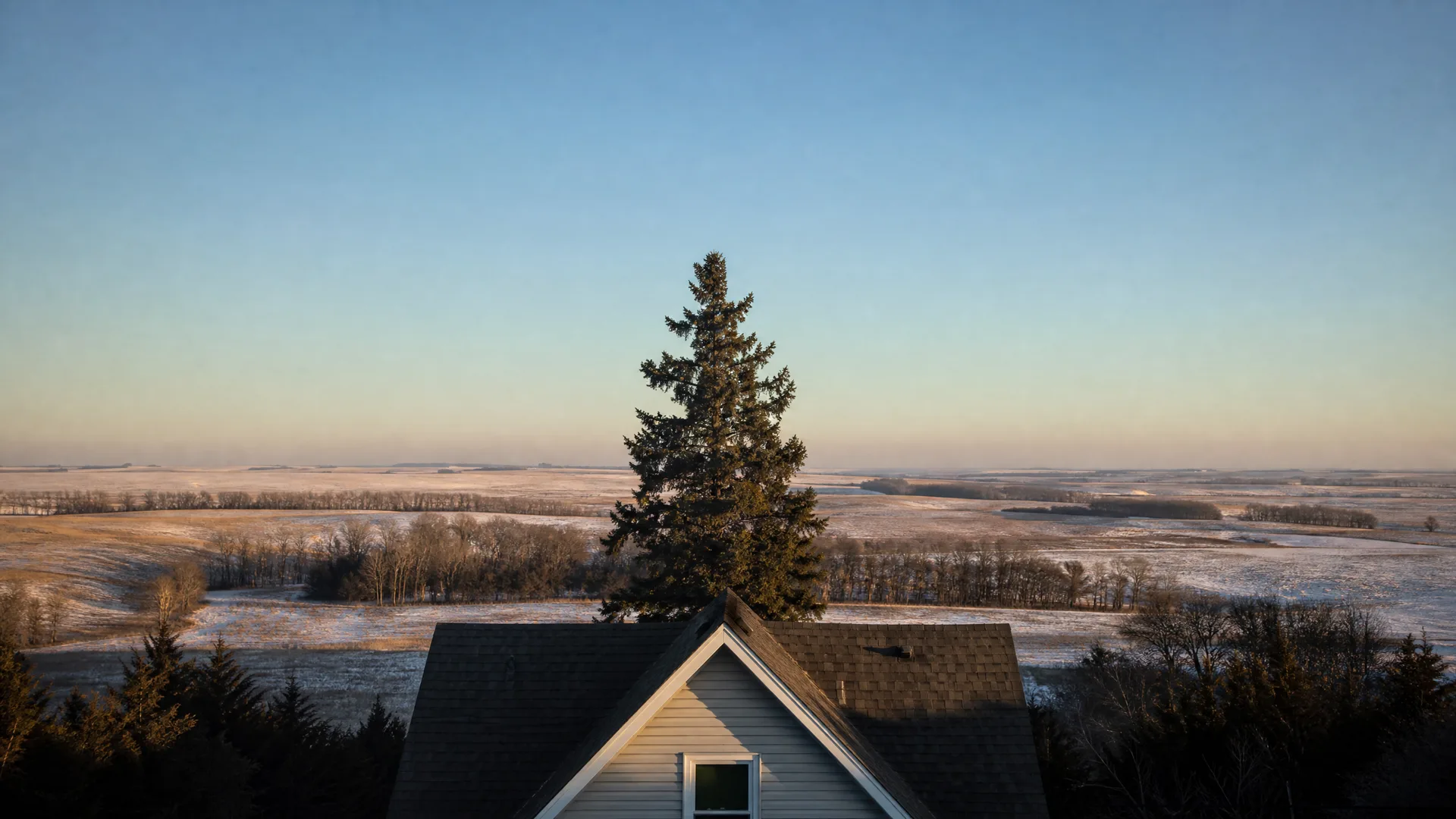
A gabled roof with light siding and a small window in the foreground, a tall spruce behind it, and snow-patched open farmland with bare tree lines extending to the horizon under a clear sky.

Get matched with a furnace pro in Richland County

Get one local pro

There's no charge for the request.

A noise that's getting louder week to week is a part on its way out, not a part that fixes itself. Getting it checked before a stretch of zero-degree nights means the repair happens on your schedule instead of at 2 a.m. with no heat.