
Running the way it should
Heat comes on when the thermostat calls for it. The igniter glows, the gas lights, and warm air moves through the ducts within a minute. No delay, no extra clicks, no cold spots while the house waits it out.
Get matched with a pro who fixes furnaces in Morton County.
Find my proA furnace that won't light on a cold night in Mandan is more than an inconvenience. Below zero temperatures outside mean the house loses heat fast, and most homes here depend on that gas furnace to keep everyone warm through a Morton County winter. Before you call anyone, it helps to know what's actually stopping the flame.
Most no-light calls come down to one of two parts. The flame sensor is a thin metal rod near the burner that tells the furnace a flame is actually present. A coat of soot on it can make the furnace think no flame exists, so it shuts the gas valve right back off. The igniter is the other common failure. Older furnaces use a pilot light that can blow out or clog; newer ones use a hot surface igniter that cracks over time and simply stops glowing. A furnace running hard through a Morton County winter puts more cycles on both parts than one running a few mild months, so they wear faster here. A pressure switch or a flooded intake can also block ignition after heavy snow.
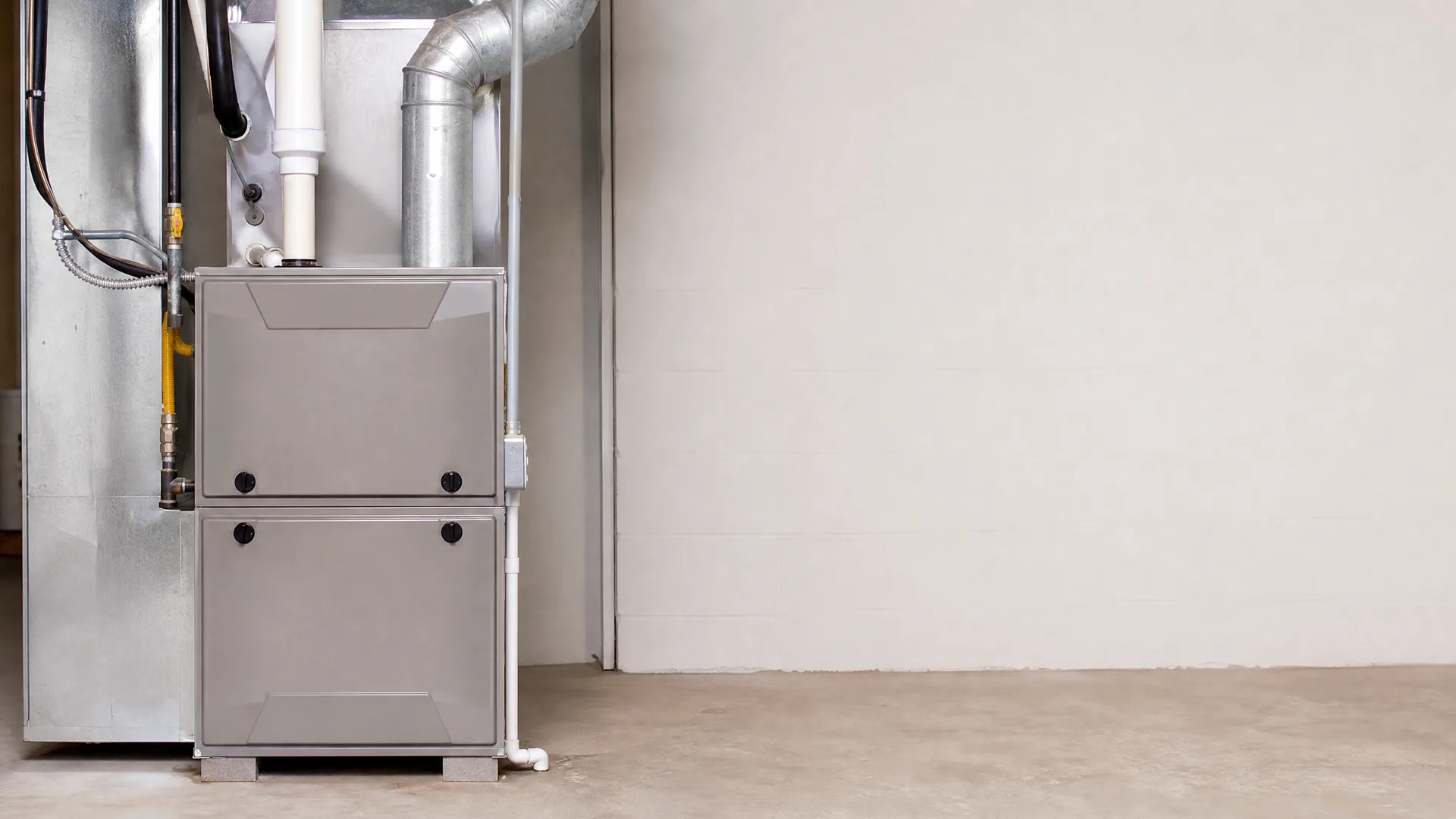
Most furnaces built in the last couple decades use a hot surface igniter instead of a standing pilot. It is a small ceramic strip that glows and heats up in seconds to light the gas. That strip is fragile. It cracks after years of heating and cooling cycles, the same way a light bulb filament eventually gives out. Once it cracks, it cannot get hot enough to light the burners, and the furnace will run its fan but never produce heat.
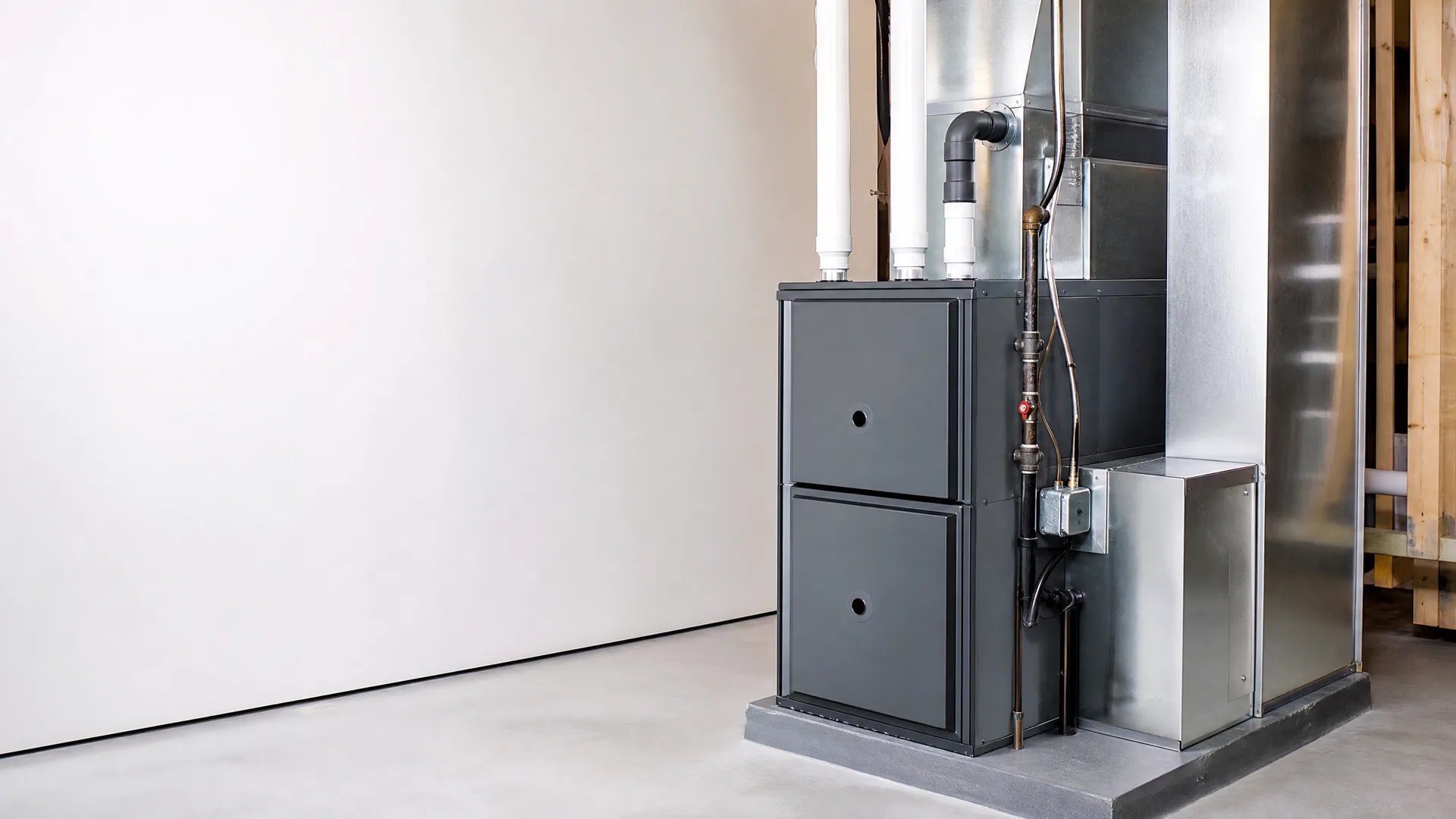
A furnace that lights for a second and then quits is often not an ignition problem at all. A flame sensor, a thin metal rod near the burners, confirms a flame is actually present after ignition. If soot builds up on it, the furnace reads that as no flame and cuts the gas valve for safety, even though the burners lit fine. This happens more in homes running the furnace hard through a Morton County winter, since more hours running means more cycles for soot to collect.
You bump the thermostat up and nothing happens, or the furnace tries and gives up. Maybe you hear the inducer motor run, a click, then quiet. Maybe there's no sound at all, just cold air sitting in the house. Some homeowners catch a faint gas smell near the furnace before it shuts down, which means the gas valve opened but nothing lit it. Check the vents: if air is barely moving or not warm, the burners never fired. With Mandan nights well below zero this time of year, a house with no working furnace cools off fast, and pipes along outside walls are the first thing at risk if it goes untouched for long.




Winter nights average 6°F
Winter nights average 6°F here, so a furnace that quits doesn't give you much time before the house feels it.
Heat runs September through May
Furnaces in Morton County run from September through May. That's nine months of the igniter cycling on and off, year after year.
67.2% of homes heat with gas
67.2% of homes in Morton County heat with gas, which is why a dead igniter or no flame means calling for a furnace repair, not a space heater fix.
NOAA nClimDiv 1991-2020 · ACS 2020-2024

Heat comes on when the thermostat calls for it. The igniter glows, the gas lights, and warm air moves through the ducts within a minute. No delay, no extra clicks, no cold spots while the house waits it out.

The inducer motor kicks on, then nothing lights. Maybe it tries again and gives up a second time. An older furnace like this one has had more years for the igniter or the gas valve to wear down, and on a night near zero in Mandan, that failure shows up fast.


Send the request today and stop worrying about who to call.
Tell a local repair pro what your furnace is doing.
Sending the form costs nothing.


Thermostat calls for heat and sends power to the control board.
Inducer motor starts and pulls air through to clear the vent.
Pressure switch closes once it senses the inducer running.
Control board sends power to the hot surface igniter.
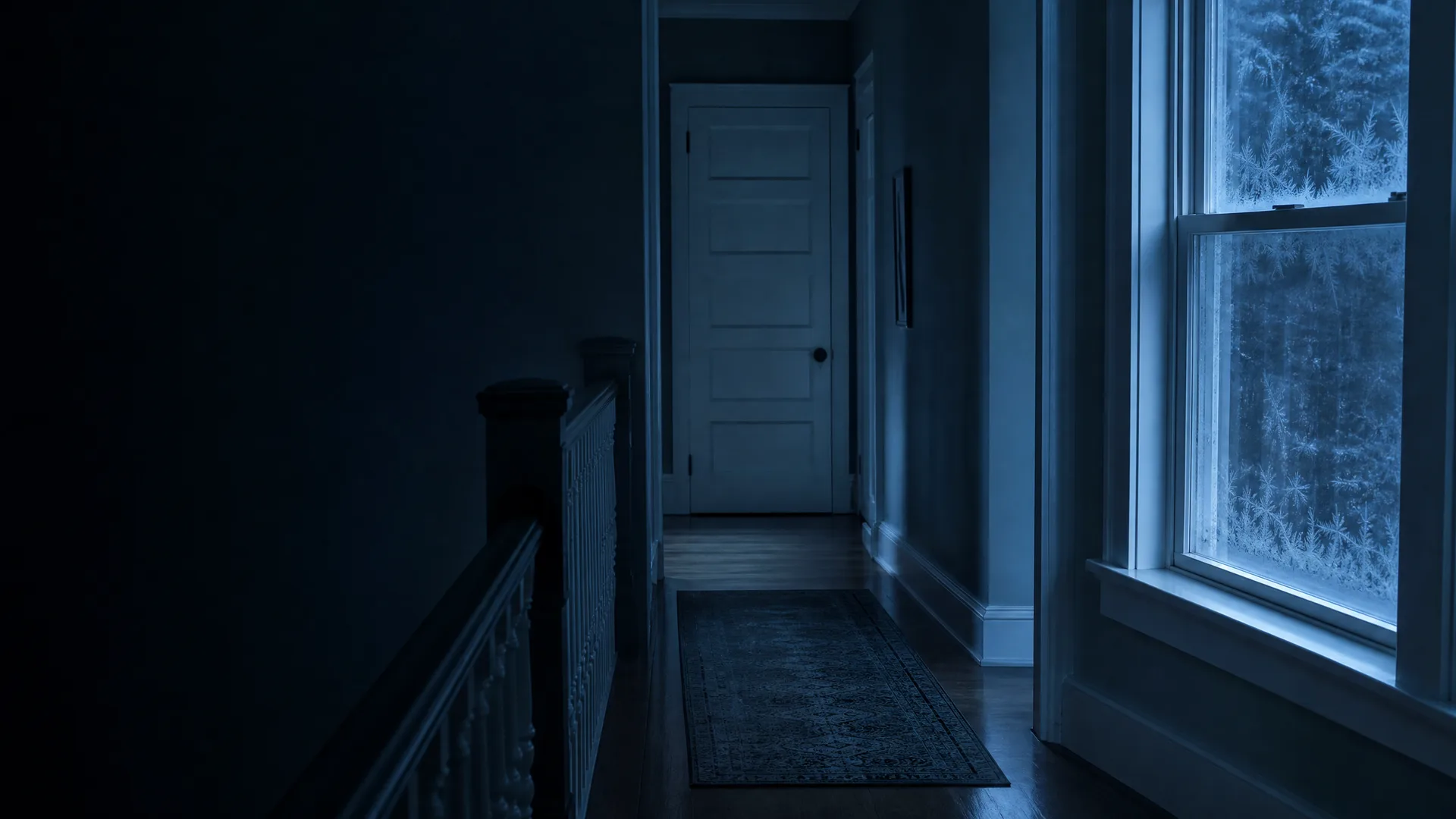
It is just past two in the morning and the house has gone quiet in a way that wakes you up. You walk the upstairs hallway in sock feet, and the vent under the window isn't pushing anything out, not even a whisper of air. The window itself has frost crawling up the inside of the glass. Outside, Morton County is sitting somewhere near zero or below it. The hall light you flipped on comes up dim and blue against the dark, and you can see your breath isn't visible yet, but the cold is starting to settle into the floor. Downstairs, the furnace sits there having tried, and failed, to catch.
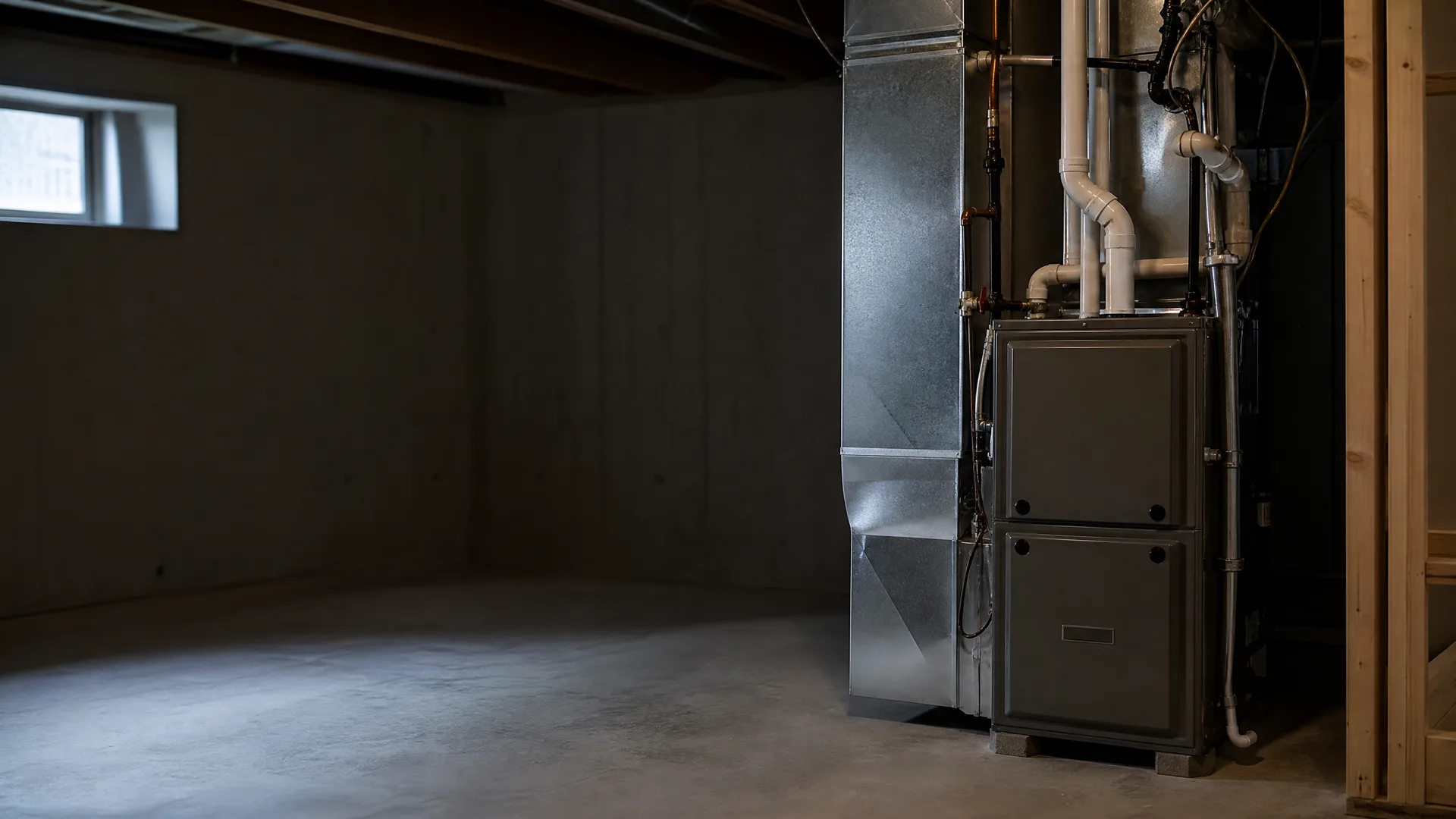
A furnace that won't light almost always comes down to one of a handful of parts: the igniter, the pressure switch, the flame sensor, or the gas valve. None of those are things to guess at from the hallway at two in the morning. Someone who works on furnaces for a living can look at the sequence, see where it stops, and know which part failed. That's the whole answer. Once you send the request, you're done chasing it down. A contractor who handles this in Mandan gets matched to you, and finding the right person stops being something you have to figure out on your own. The house is cold now, and Morton County nights don't leave much room to wait, but the part of this that was yours to solve ends when the form goes in. What's left is getting the igniter or the switch or the valve replaced, and that's a job for someone who's done it before, not a reason to stay up worrying about which part it is.
One request and the search for a pro is handled.