Heat pump vs gas heat in Mandan, ND

Your new furnace project goes to an installer who works in Morton County.

Request a pro

In Mandan, gas heat is the better choice for most homes, and a heat pump on its own struggles once temperatures drop into the single digits and below, which happens plenty through a Morton County winter. A heat pump pulls warmth from outside air, and the colder that air gets, the less heat it has to give, so it has to work harder for less output right when you need heat most. Gas furnaces don't have that problem. They burn fuel to make heat directly, so a furnace puts out the same warmth whether it's 20 degrees outside or 20 below. Some homes here do use a heat pump alongside a furnace, switching to gas only when it's too cold for the heat pump to keep up efficiently. But as the only source of heat, through a full Mandan winter, gas is what holds up.

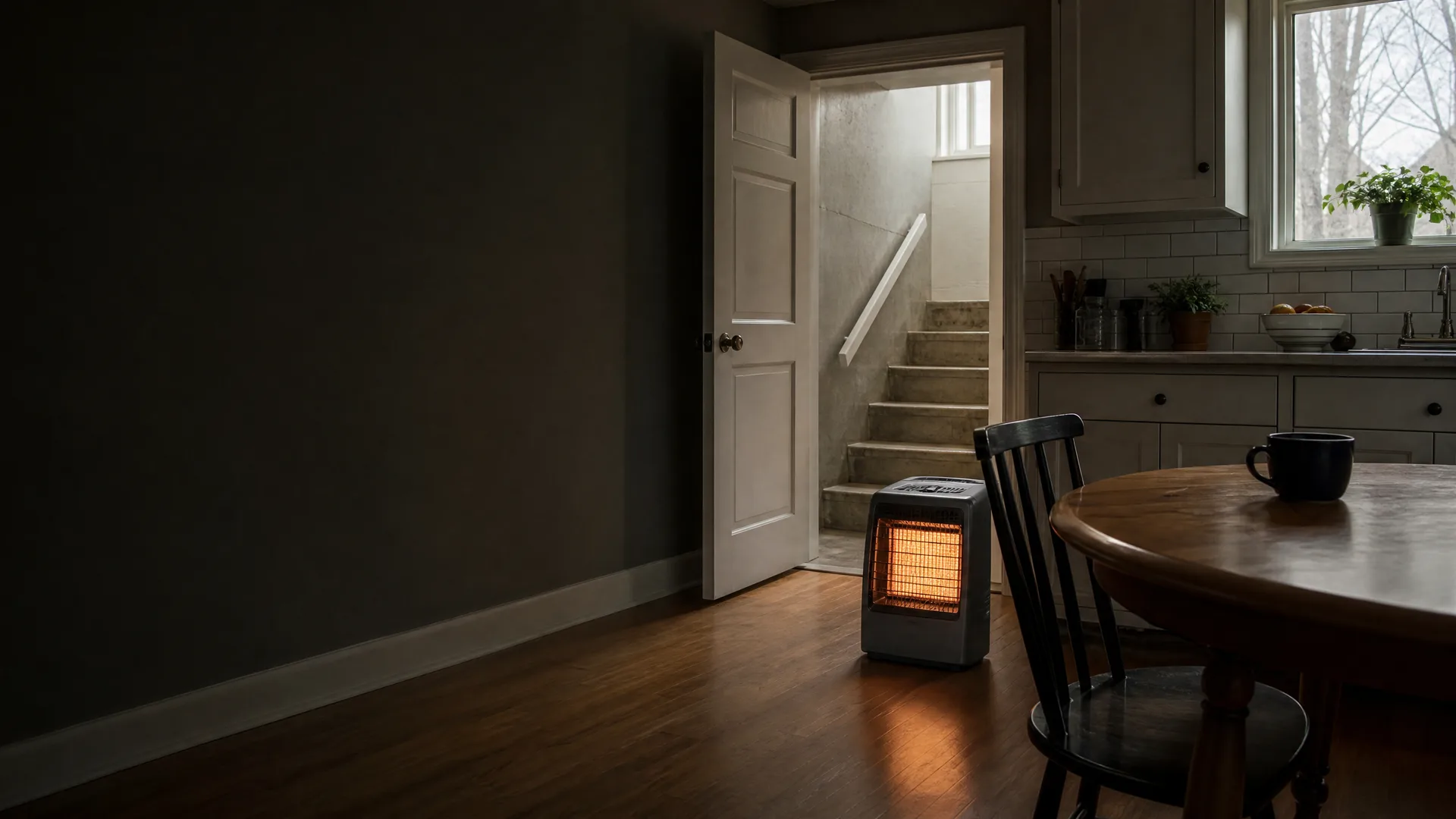
A portable space heater with a glowing orange element sits on a wood floor in a dim room beside a round table and black wooden chair, with an open door leading to a stairwell and a kitchen counter with a window at right.

The space heater by the table has been running since five. Outside it's still dark, somewhere below zero the way Morton County mornings get in January, and the furnace in the basement has been losing ground since about three. You came down to check it once already, left the basement door open to hear it kick on, and it hasn't. So the space heater does what it can for the kitchen while you wait on the coffee to finish and the sky to lighten enough to call someone. The dog won't come off the heat vent. Your hands stay near the heater's glow while you think through what you'll say on the phone, and what it'll take to get the house warm again before the kids are up for school.


A woman in a cream sweater and jeans stands in the open doorway of a white stucco house, holding the dark door, while a man in a dark quilted jacket seen from behind walks toward the entry past potted plants.

How a heat pump runs out of heat before your house does

A heat pump moves heat, it doesn't make it. The compressor pulls warmth out of the outside air and carries it inside through refrigerant, the same cycle an air conditioner runs in reverse. That works fine down into the thirties and twenties. Below that the outside air holds less and less heat to grab, and the unit has to run longer to move the same amount indoors. Most heat pumps lose real capacity somewhere around 25 to 30 degrees and keep losing it as the temperature keeps falling. A furnace doesn't have that problem. It burns gas and makes its own heat, so a January night at ten below asks the same thing of it as a day at twenty above: run the burner, push the heat through the ducts.

That's why most homes around Mandan are set up on gas alone, and it's also why some homeowners still look at a heat pump for the shoulder months, spring and fall, when it can carry the load efficiently and let the furnace sit idle. Getting that pairing right, sizing the heat pump, setting the switchover point, wiring the controls to hand off to the furnace at the right temperature, is not a guess. It's worth having someone local look at your house and your ductwork before you decide, someone who installs both kinds of systems in this county and knows where the gas furnace alone is the better call and where a dual setup earns its keep.

A living room corner with a beige sofa and cushion, a round wooden coffee table holding a pale ceramic vase of eucalyptus stems and a wooden bowl, and a curtained window with a potted plant above a latticed radiator cover in the background.
A gray high-efficiency furnace in a basement with PVC vent pipes, sheet-metal ductwork, copper and insulated pipes, a water heater at left, and an unfinished wood-stud wall at right.

A gas furnace sized to the house

A furnace like this is built for a Morton County winter. It pulls gas straight to the burner and makes its own heat, no matter what it's doing outside. On a morning near zero it runs the same way it does at twenty degrees.

An older beige furnace with louvered front panels stands on a concrete basement floor beside galvanized ductwork, metal and plastic pipes, exposed wood framing, and a cylindrical water heater at right.

An old furnace losing the fight

Galvanized duct and an aging furnace like this one can still hold the house at setpoint most days. But an older unit works harder for the same heat, and once it starts falling behind on a cold morning, it doesn't catch back up on its own.

An older gas furnace with two white PVC vent pipes stands on a concrete basement floor beside galvanized sheet-metal ductwork, flexible conduit, and piping along a wall.
Before you get your furnace installation
A gray high-efficiency furnace with white PVC venting pipes stands on blocks in a basement next to sheet-metal ductwork, with exposed wood framing on the left and a concrete wall and floor.
After you get your furnace installation

A furnace doesn't just dump gas on a flame and call it done. The thermostat calls for heat, and a hot surface igniter starts glowing first. A few seconds pass before the gas valve opens, that's the delay you hear before the burner catches. Once it's lit, the flame sensor has to confirm it, otherwise the control board cuts the gas valve again rather than let gas flow unlit. A draft inducer motor pulls the exhaust out through the vent the whole time the burner runs, keeping combustion gases moving out of the house instead of back into it. The blower doesn't start right away either. It waits on a limit switch, which only tells it to start once the heat exchanger has actually reached temperature, so the first warm air you feel is already real heat, not lukewarm air pushed through too soon. When the burner shuts off, the blower keeps running a bit longer, pulling the last heat out of the exchanger before it idles. Then the thermostat calls again, and the whole sequence starts over from the igniter.

How a furnace actually fires

  • A furnace lights a burner inside a heat exchanger, and a draft inducer motor pulls combustion gases out through the vent before the blower pushes warm air into the ducts.
  • A hot surface igniter glows for a few seconds before the gas valve opens, which is why you hear a short delay before the burner catches.
  • The flame sensor checks that the burner actually lit, and if it doesn't detect a flame within a few seconds the control board shuts the gas valve again.
  • Once the heat exchanger reaches temperature, a limit switch tells the blower motor to start, which is why warm air doesn't come through the vents right away.
  • The blower keeps running a short time after the burner shuts off, clearing the last of the heat out of the exchanger and into the house.
  • A furnace cycles on and off through the night as the thermostat calls for heat, and each cycle repeats the same ignition sequence from the start.
A woman wrapped in a cream textured blanket sits in an armchair beside a lit lamp and a dark window, with an open book in the foreground.
A smiling older woman with gray hair in a cream knit sweater stands in a dimly lit kitchen beside a window showing snow outside, with a round loaf of bread on the counter in the foreground.

A local pro for your furnace installation

That furnace losing ground at three in the morning isn't a sign to switch systems. It's a sign the furnace needs a look, or needs replacing with one sized right for a Morton County winter. Gas heat still makes sense here, and a new furnace that matches your house will hold its own on the mornings that beat the old one. What it takes is getting the sizing and the installation right, and that's a job for someone who installs these year-round in this county, not just whoever answers first. One local contractor gets your request, licensed to work in North Dakota, and they're the one who calls you back, not four or five companies competing for your number. They've seen what a Morton County winter does to a furnace that's the wrong size or on its way out, and they'll look at your house, not a general rule. If mornings like this one keep happening, the furnace is telling you something. Worth having someone who knows the equipment take a look before the next cold snap.

A beige high-efficiency furnace stands on a concrete basement floor beside sheet-metal ductwork, with white PVC vent pipes, flexible conduit and copper and steel piping running up a concrete wall to an electrical box.

Furnace running clean

This is what a gas furnace looks like doing its job. Gas runs straight to the burner, the inducer clears the flue, and warm air moves through the ducts within minutes of the thermostat calling. It doesn't matter if it's ten below outside. The flame makes the same heat either way.

An older gas furnace with a louvered front panel stands on a concrete basement floor beside large sheet-metal ductwork, a metal flue pipe, copper piping and wood framing.

Furnace losing ground

Dust built up around the base, an older burner, a flue pipe that's seen years of service. A furnace in this shape can still heat the house on a mild day, but on a hard Morton County morning it falls behind and runs longer to make less heat. That's the point where it needs a look, not a replacement by default.

Heat Pump Alone or Gas Furnace

Heat pump alone

  • A heat pump has to run its compressor harder as the outside air gets colder, and it loses output right when a Morton County house needs more of it.
  • Below the single digits, a heat pump can struggle to keep the house at temperature even running nonstop.
  • Most heat pumps install with backup electric resistance heat for the coldest stretches, which adds to the install and to the power draw during that run.
  • Power here is cheap, which helps offset that backup heat, but it doesn't change how little warmth the compressor can pull from subzero air.
  • A heat pump also works as the air conditioner in summer, so it covers both jobs in one piece of equipment.
  • Replacing a gas furnace with a heat pump alone means the house has no other way to make heat if the compressor can't keep up on the coldest nights.

Gas furnace

  • A furnace burns gas at the burner to make its own heat, so outside air temperature doesn't change how much heat it can produce.
  • On a morning near zero, a furnace sized right for the house runs the same way it does at twenty degrees.
  • Most homes in and around Mandan already heat with gas, so the gas line and venting are usually already in place.
  • A furnace doesn't cool the house in summer, so a home still needs a separate air conditioner for that.
  • A furnace sized to the house holds the temperature through a long cold stretch without losing ground.
  • Furnaces need the gas line, the vent and the burner checked over time, same as any gas appliance.
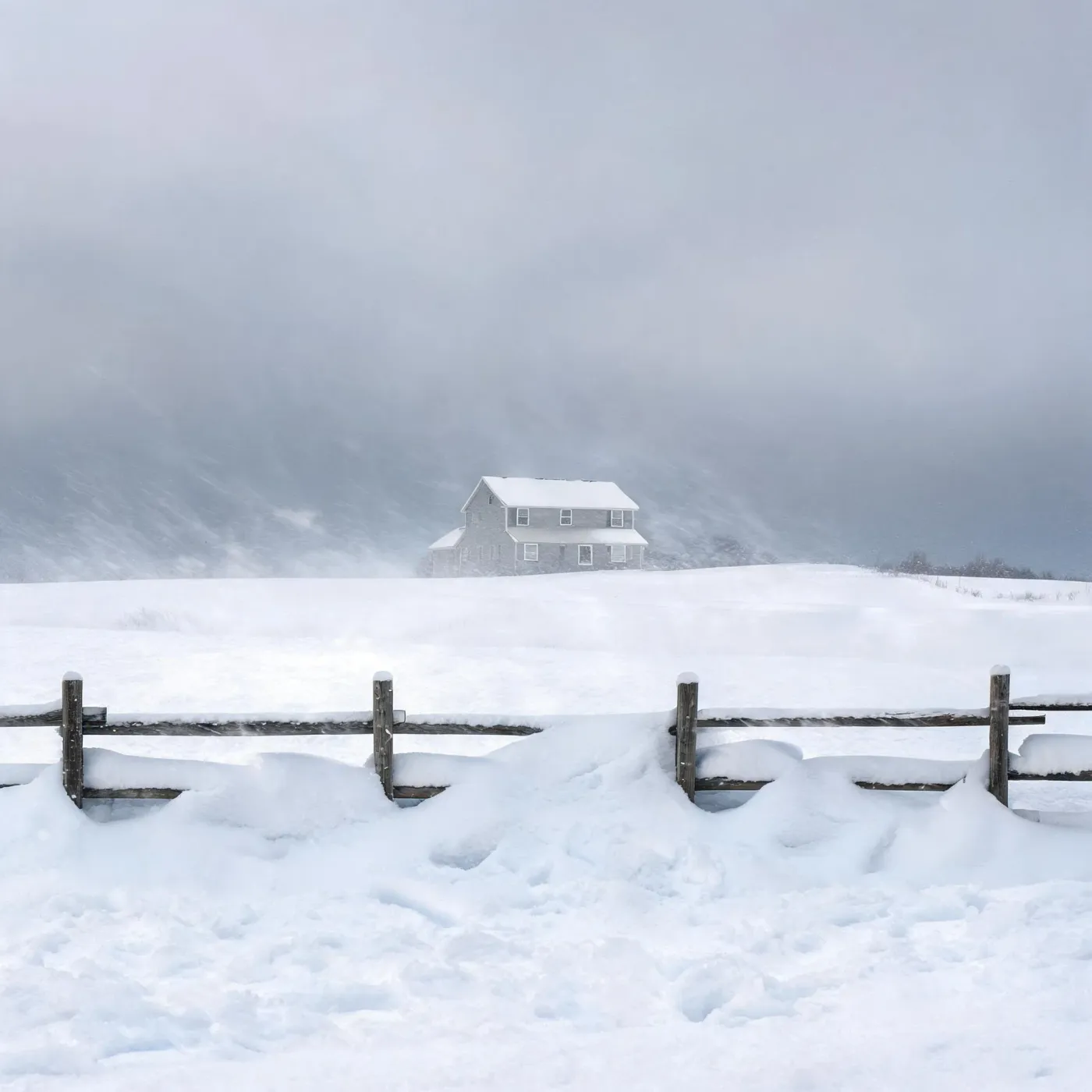
A two-story light-colored house stands on a snow-covered rise under a gray sky during blowing snow, with a partially buried wooden post-and-rail fence in the foreground.

A winter night in Morton County averages 6°F, and most nights through December, January and February sit right around there or colder. Your furnace has to make up that whole difference on its own, and it does, as long as it's sized for it. What you'd notice is a furnace that runs longer stretches than it did in October, cycling on through the night to hold the thermostat setting. That's normal work for a gas furnace. It's also why a furnace that's undersized, old, or losing efficiency shows its weak points in exactly this kind of cold, not in April. Source: NOAA climate data for Morton County, ND.

NOAA nClimDiv 1991-2020

Why does your furnace sound like it's working harder than it used to?

You might hear the blower run longer than it did last winter, or the burner kick on more often even when the thermostat hasn't moved. Rooms farthest from the furnace take longer to warm, or never quite catch up. Maybe there's a smell when it first fires, or a rattle from the cabinet that wasn't there before. None of that means you need a different kind of system. It usually means the furnace is straining to do what it was built to do, whether that's from age, a part wearing out, or a unit that was undersized for the house from the start. Left alone through a Morton County winter, that strain tends to get worse, not better, and it's your gas bill and your comfort that absorb the difference.

  1. Thermostat calls for heat and opens the gas valve.

  2. Hot surface igniter glows, then the burner lights.

  3. Flame sensor confirms the burner is lit and stays on.

  4. Draft inducer motor pulls exhaust gases out through the vent.

Winter nights average 6°F

At 6°F, a furnace sized for your house should hold its own all night without the blower running nonstop. If yours is straining to keep up on nights like that, it's worth having someone check whether it still matches what the house needs.

NOAA nClimDiv 1991-2020

Gas Heat Wins in Mandan

  • Gas heat is the stronger choice for most Morton County homes, since furnaces hold steady output no matter how cold the air outside gets.
  • A heat pump alone loses capacity as the temperature drops, and Mandan winters push well below where that matters.
  • Morton County nights average 6°F through the coldest months, a range where a gas furnace keeps up and a heat pump on its own falls behind.
  • A furnace losing ground overnight usually points to a sizing or maintenance problem, not a reason to switch systems.
  • Cheap power here doesn't change the physics of how a heat pump loses heat output as outdoor air gets colder.
  • A furnace sized correctly for your house should carry it through a single-digit night without straining.

Gas heat holds up in Mandan because it works the same way regardless of how cold it gets outside. A furnace burns gas and makes its own heat, so a morning at six below asks no more of it than a morning at twenty. A heat pump works differently. It pulls warmth from the outside air, and the colder that air gets, the less it has to offer, right at the point a Morton County house needs it most. Cheap electricity here doesn't fix that. The problem isn't what the power costs, it's what the outside air is capable of giving up once the temperature drops into the single digits, which is where a lot of winter nights in this area sit. That's why a gas furnace sized to your house is still the better system for carrying it through December, January and February. If your furnace has started losing ground, running longer, falling behind overnight, struggling to keep rooms warm, that's not an argument for switching to a heat pump. It's a sign the furnace itself needs attention, either a repair or a replacement sized correctly for what your house actually needs on its coldest nights. A furnace that matches the house should hold steady through a single-digit night without the blower running nonstop to keep up. Gas heat was the right call when the house was built, and for most homes around Mandan, it still is.

A gray-haired, bearded man in a dark coat dusted with snow stands smiling in a dimly lit room with a lamp, mirror, framed art, and a sofa in the background.
An older man with white hair and a beard, wearing a dark snow-dusted coat and scarf, stands in a warmly lit interior hallway with a framed landscape picture, a table lamp and a potted plant behind him, and a snowy view through a window at left.
An older man in a dark snow-flecked overcoat and scarf stands smiling in a warmly lit home entryway, with a glass-paned door showing darkness outside and a lamp-lit room visible through a doorway behind him.
An older man with gray hair and a beard, wearing a dark snow-dusted jacket and scarf, stands smiling in a warmly lit interior hallway with a lit table lamp, a vase of dried branches, and a framed picture in the background.

Furnace Installation

Get the right pro for your furnace

Only one pro gets your request, so you hear from one company.

A black-framed smartphone standing upright against a plain light gray background, its screen filled with solid green.
New system or replacementFurnace or heatingMorton County, ND
Step 1 of 2

What ZIP code is the job in?