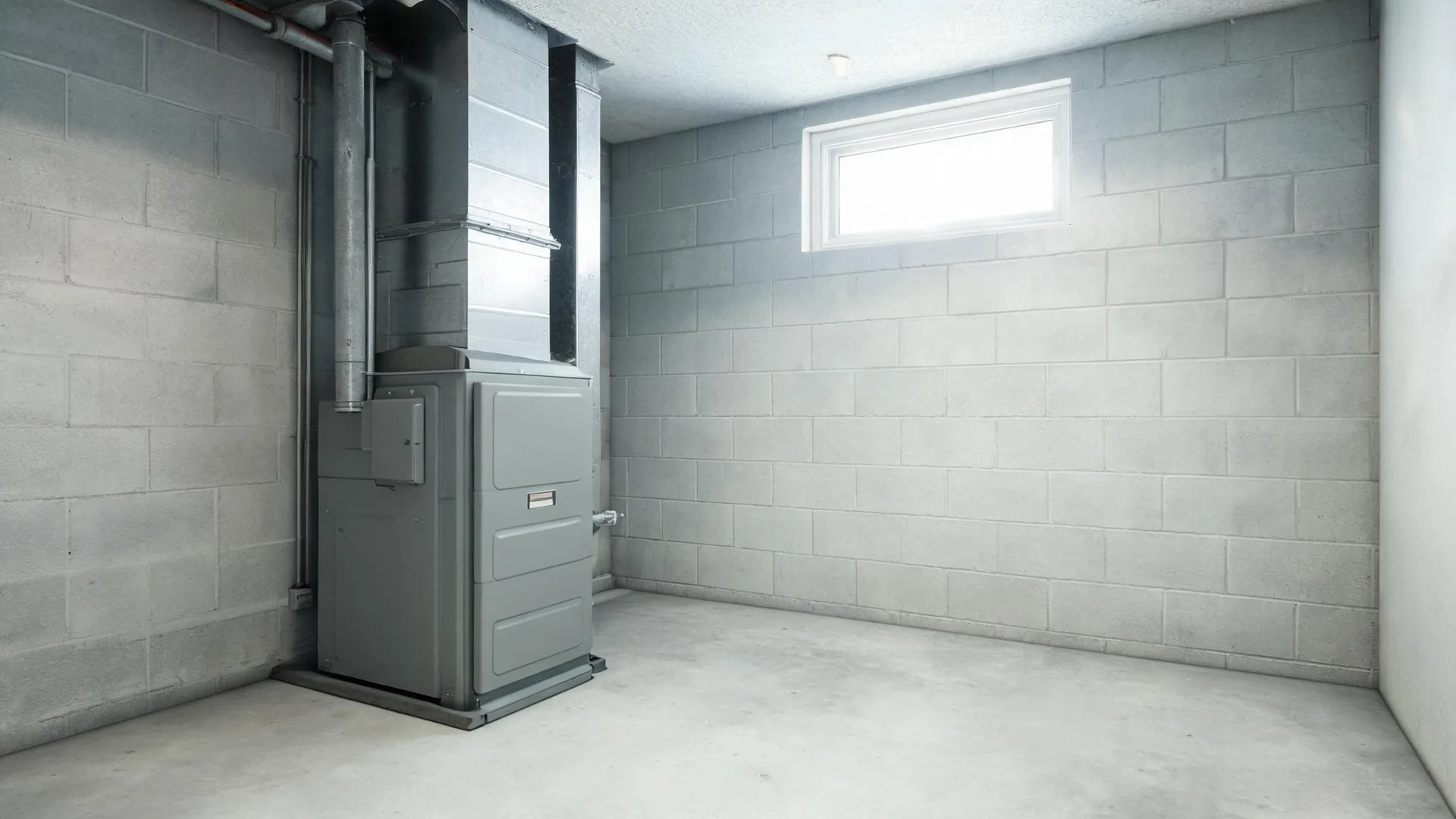
Electricity here runs $33.73 per million Btu
Most furnaces around Bottineau run on electricity, and North Dakota's 2024 rate for it was $33.73 per million Btu. That number sits behind every bill this furnace produces, all winter long.
Takes about a minute. No obligation.
Most furnaces around Bottineau run on electricity, and North Dakota's 2024 rate for it was $33.73 per million Btu. That number sits behind every bill this furnace produces, all winter long.
A furnace install here is not just about heat output. With electricity priced the way it is, the efficiency rating on the unit you choose decides how much of that cost shows up on your bill every month.
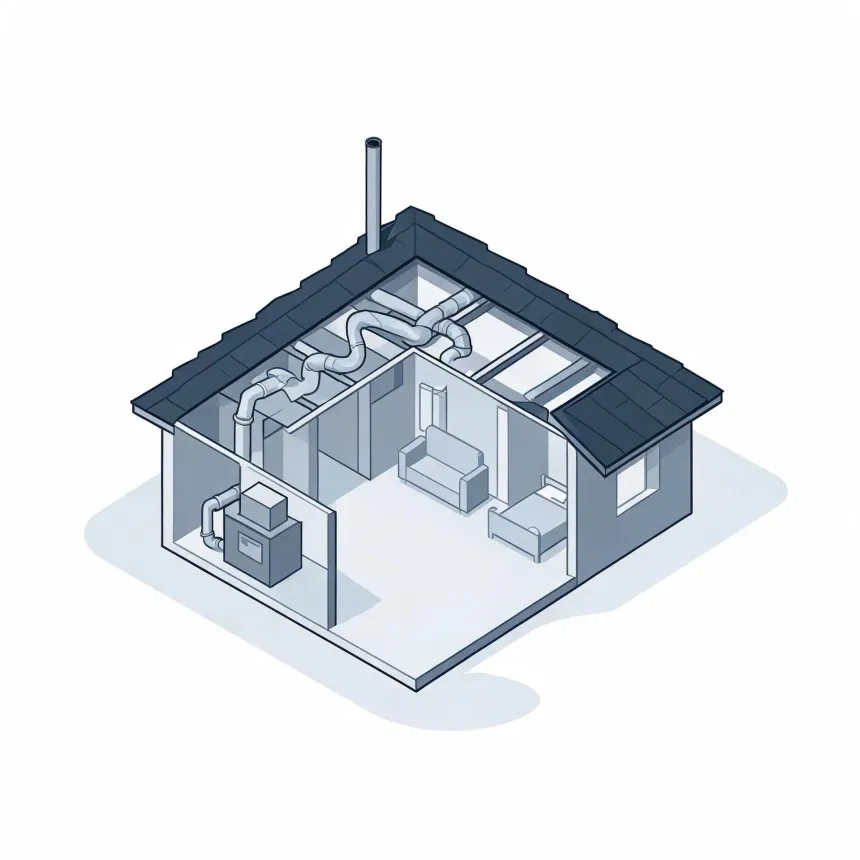
NOAA nClimDiv, 1991–2020 normals
A furnace in Bottineau County runs from September through May.
Nine months of work a year means parts wear sooner, so sizing this furnace right matters more here than somewhere it runs half that long.



August is the last easy month to get this done. Heat comes on in September here and runs through May, so waiting means putting this off until the furnace is already needed. Installing before the season starts gives the crew time to size the unit properly instead of rushing to get something, anything, running. Wait too long and you're choosing from whatever can go in fast, not what actually fits your house.
Get the sizing and efficiency rating right at install and that $33.73 per million Btu works for you instead of against you, every month this furnace runs.
Find a contractorNine months of runtime wears a furnace down faster than a shorter season would. That's the case for sizing it right. It's also the case for not picking a unit by price tag alone. A furnace too big for the house will short cycle, turning on and off more than it should, and that wears the parts that start it up. One too small will run longer stretches trying to keep up, which does its own kind of damage. Either way you feel it in the parts that fail first, the igniter, the blower motor, whatever gives out under the extra work. Get the size matched to the house now, and the furnace spends those nine months doing what it was built to do instead of fighting its own mismatch.
A furnace can only push air through what's already there. If the ducts are too small, poorly sealed, or routed with sharp turns, the installer has to work around that, sometimes adding a return or resizing a trunk line to get the airflow right. That work costs more than swapping one furnace for another, but skipping it means the new unit fights the same restrictions the old one did.
A furnace with a heavier gauge heat exchanger and better insulated cabinet costs more to buy than a stripped down model, but it holds up to the heating and cooling cycle longer and loses less heat through the casing. Venting matters too. A high efficiency furnace needs proper intake and exhaust piping run to the outside, which takes more material and more labor than tying into an existing flue.
The old furnace does not just get unhooked and hauled off. A gas unit has to be disconnected from the gas line and the vent pipe, and the line capped off safely if nothing else is going to use it. An electric furnace gets disconnected from its circuit at the panel, not just unplugged. Whoever pulls the old unit should also check what it leaves behind: a cracked heat exchanger, scorched wiring, or ductwork that was built around a furnace of a different size and shape. The cabinet itself usually gets scrapped for the metal, since a furnace that's reached the end of its life isn't worth repairing or reselling. None of that work is hard, but skipping a step, especially capping a gas line, leaves a hazard behind in a house that still has to be lived in.
Bottineau County is rated zone 7, the coldest tier in the 2021 energy code, since heat is needed here most of the year. That rating does not change what you can buy, but it does shape what the furnace has to be able to do. Any gas furnace made since November 2015 has to turn at least 80 percent of the gas it burns into heat over the season. That floor rises hard in a few years: units built from December 2028 on need to hit 95 percent. Buying toward that number now means a furnace that burns less fuel for the same heat, which matters more here than in a zone where the furnace barely runs.