


What winter here does to a heat pump
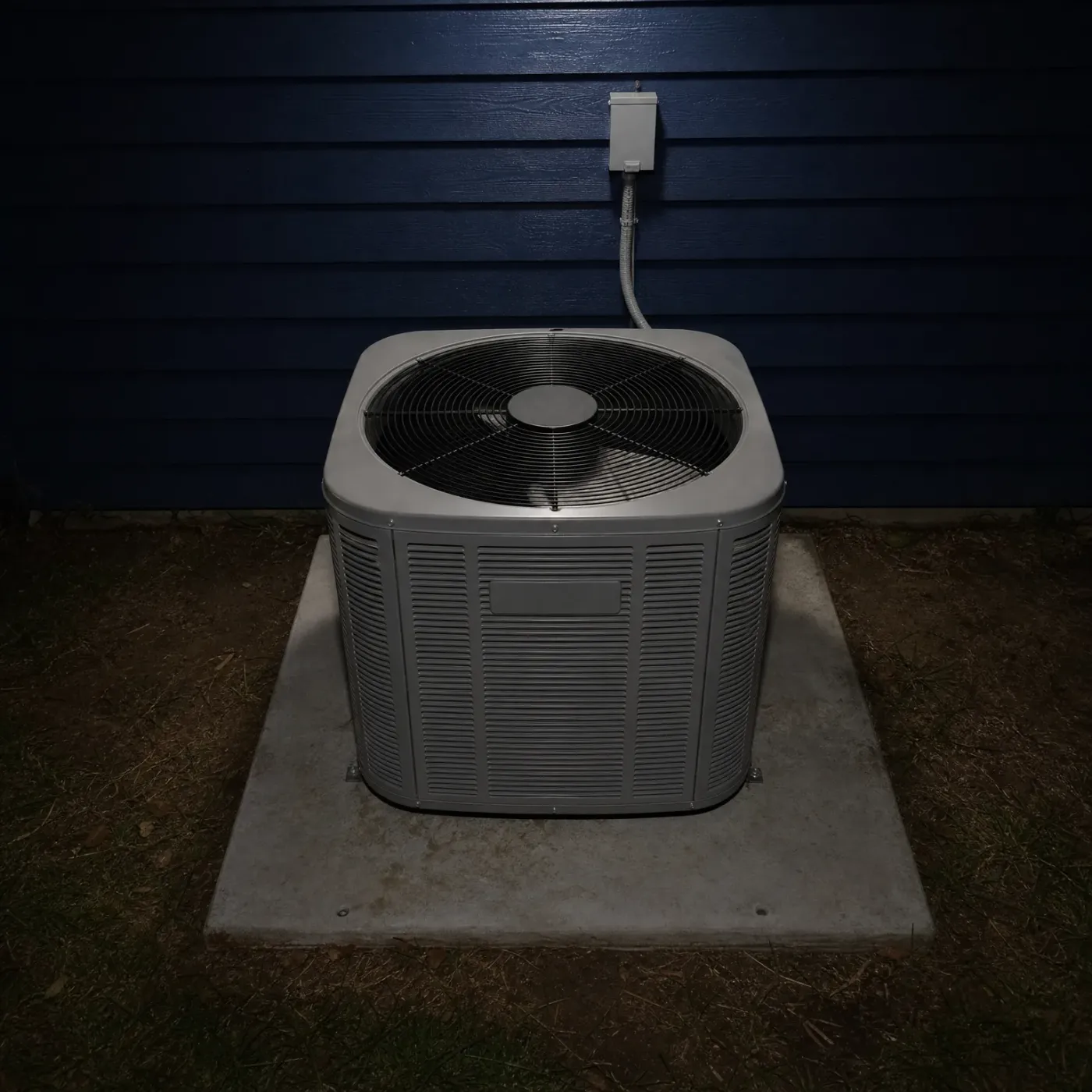
Your winter low averages 1°F. A standard heat pump starts losing ground before it even gets that cold: below 40°F it puts out less heat than its rating, and below about 35°F it usually needs backup heat to keep up. Every single night here that drops to freezing or below, about 195 of them a year, falls under both marks.
That matters because this is not a place where cold snaps pass through once or twice. Over half the nights in the nine months your heat runs are at or below freezing, and about 55 of them a year reach 0°F or colder. A heat pump sized and rated like most on the market will be leaning on backup heat for a good part of an average winter here, not just on the worst nights.
There is a category built for this. The ENERGY STAR Cold Climate designation requires a heat pump to keep at least 70 percent of its 47°F heating capacity once it drops to 5°F, and to still produce 1.75 units of heat for every unit of electricity it uses at that temperature, checked by outside testing. A field test of prototype cold-climate units over two winters backs this up: backup heat covered only a small share of the load between 0°F and 35°F, and the units rarely ran on backup alone unless it was below 0°F. The federal-minimum heat pump priced in the running-cost band above is not that machine. If a heat pump is on the table for this house, the cold-climate rating is what makes the difference between a system that carries the winter and one that is quietly running on backup through most of it.