





An outdoor heat pump unit mounted on a concrete pad beside a house with beige siding and a landscaped garden bed.

Heat Pump Installation in Bottineau, ND

Tell us about the job

Takes about a minute. No obligation.

New system or replacementHeat PumpBottineau County, ND
Step 1 of 2

What ZIP code is the job in?

Electricity heats 59.2% of homes in Bottineau County, more than any other fuel. Bottled or LP gas comes in second at 28%, and fuel oil heats a small share on top of that. A heat pump fits into a home already wired for electric heat without needing a new fuel line run to it. If your home falls into that 59.2%, you're looking at a straightforward swap rather than a change in how the house gets its energy.

9 months
September through May, your system heats
2 months
July through August, it cools
1°F
the average winter night it heats against
78°F
the average summer afternoon it cools against
Isometric cutaway illustration of a single-story house showing interior ductwork, an indoor air handler and furnace unit, and an outdoor condenser connected by a line, on a white background.
Your system heats September through May and cools July through August.

NOAA nClimDiv, 1991–2020 normals

A heat pump sized for an average North Dakota home is built to handle winters like this one.

Bottineau doesn't need a bigger or special unit, just one sized to the house it's going into.

A heat pump here runs through hail, blizzards and nights at 1 below zero

65 hail events from 2015 to 2024
30 winter storms from 2015 to 2024
Winter nights average 1°F

A standard heat pump, sized the usual way for the square footage, is what this job calls for. North Dakota homeowners paid 11.51 cents per kilowatthour in 2024, and that rate is what a unit's efficiency rating works against. A higher SEER2 or HSPF2 number means less of that rate gets spent to move the same heat. There's nothing about Bottineau that changes the math, so there's no reason to size up or pay for a model built for some harder case. The right fit is the one matched to the house.

Get it installed before heat season starts in September

Heat here runs September through May, nine months of the year. August is the last quiet month before the house needs it every day. A heat pump installed then is already proven out and running right when the cold sets in, instead of going in under pressure once the house can't wait.

Find a contractor
A gray outdoor HVAC unit mounted on a concrete pad beside a house with gray lap siding and a stone foundation.

What comes out when a heat pump goes in

The old system coming out usually still ran. It just couldn't keep up anymore, or parts for it got hard to find. A cracked heat exchanger or a weak compressor is a common reason for pulling one out rather than it failing outright. Whatever comes out goes out complete. The indoor coil, the outdoor unit, the line set between them if it's not being reused. A contractor checks the ductwork and the electrical before tying the new system into either one. Refrigerant in the old unit gets recovered, not vented. That's a legal requirement, not a courtesy. If a gas furnace is part of what's coming out, the gas line serving it gets capped off properly instead of left live.

The ductwork decides more than the unit does

If the ductwork already moves air well, a heat pump ties into it without much else needing to change. If the ducts are undersized or leaky, that gets found during installation and it has to be addressed before the new system can run the way it's rated to. Nobody can tell which case a house is until the ducts get looked at.
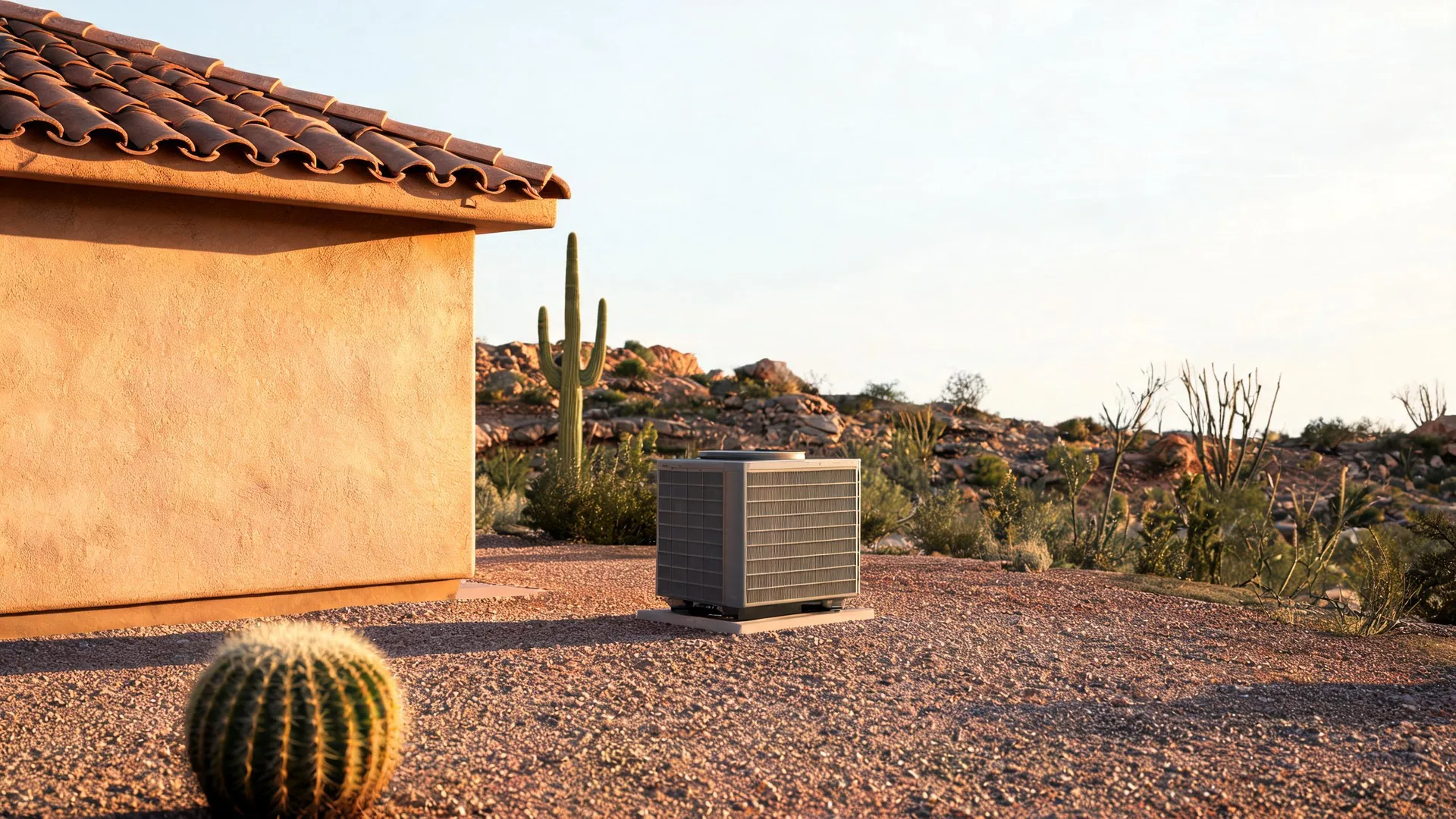
The outdoor unit needs a clear, level spot

A heat pump's outdoor unit has to sit on a level pad with clearance on all sides so air can pull through the coil. Where that pad goes, what's already there, and how far the line set has to run to reach the indoor coil all factor into the labor, separate from the equipment itself.

The rating on the label, SEER2 for cooling and HSPF2 for heating, comes from a lab test run over a full season of typical conditions, not any single hour. That's why it won't match what you see on the coldest night or the hottest afternoon. Units with the same rating can still use different amounts of power once installed, depending on how the ductwork moves air and whether the system is sized right for the space. The rating is a fair way to compare one model against another before you buy. It isn't a promise about what your bill will look like afterward.

Installation day starts with the old equipment coming out, then the new outdoor unit goes on its pad and the line set runs to the indoor coil. That connection gets pressure tested and checked for leaks before any refrigerant goes in. A joint that leaks slowly can take months to show up otherwise, so this gets checked before the system ever runs. Electrical work usually follows, tying the new unit into its own circuit sized for what it draws. Once it's connected, a contractor checks airflow at the vents, checks the refrigerant charge, and confirms the thermostat is actually controlling the unit the way it should. Most homeowners don't expect the last part, which is someone walking through how the thermostat works, including what the backup heat setting does and when it switches on by itself.