Dual-fuel setup
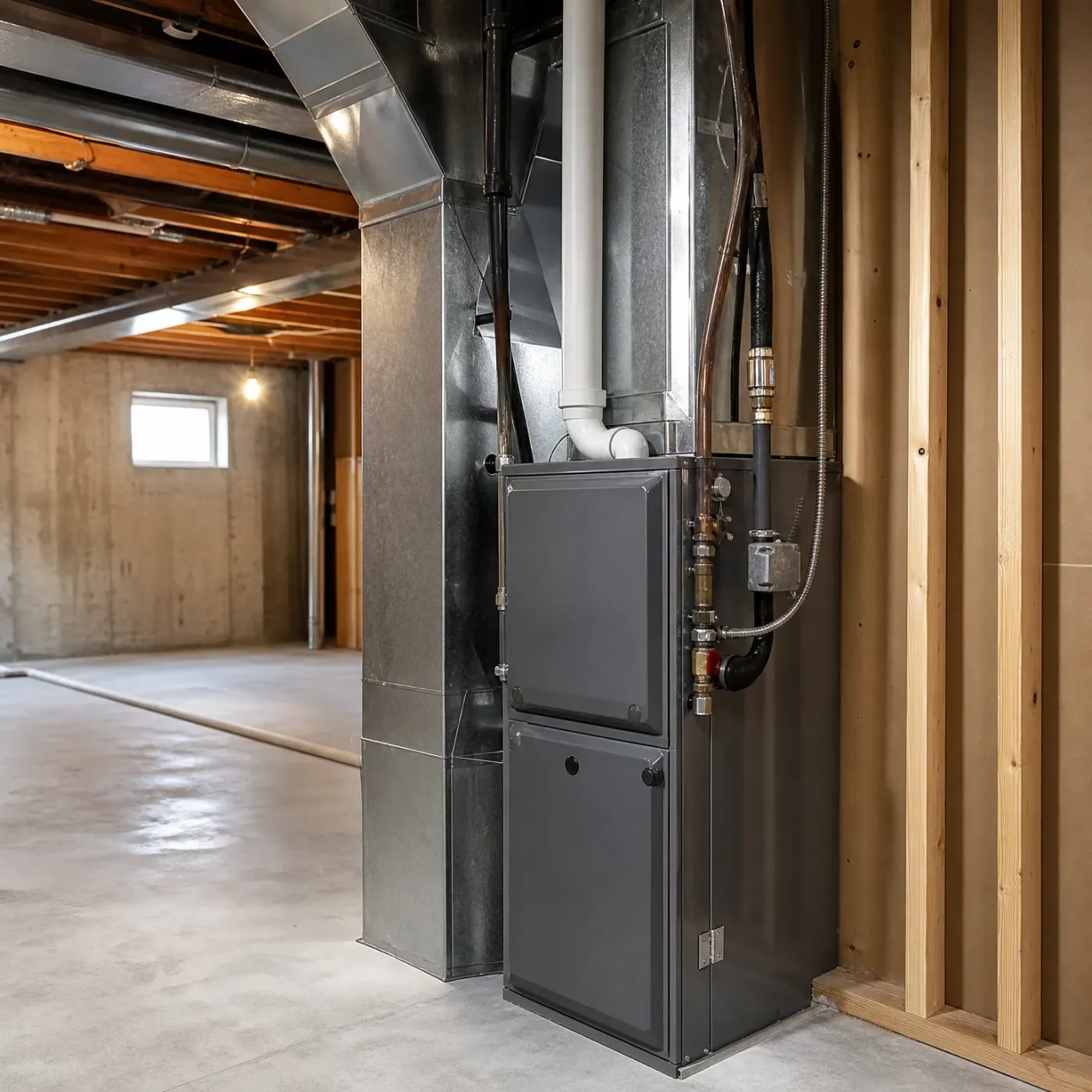
A heat pump paired with a propane furnace lets the pump handle the milder months and hand off to propane once temperatures drop too far for it to keep up.
Propane bills add up fast once winter sets in, and a lot of homeowners around Center wonder if a heat pump would let them cut propane out altogether. It's a fair question when electricity here is cheap and propane isn't. But the answer depends on what a heat pump can actually do once temperatures drop well below freezing, which is most of the winter in Oliver County.
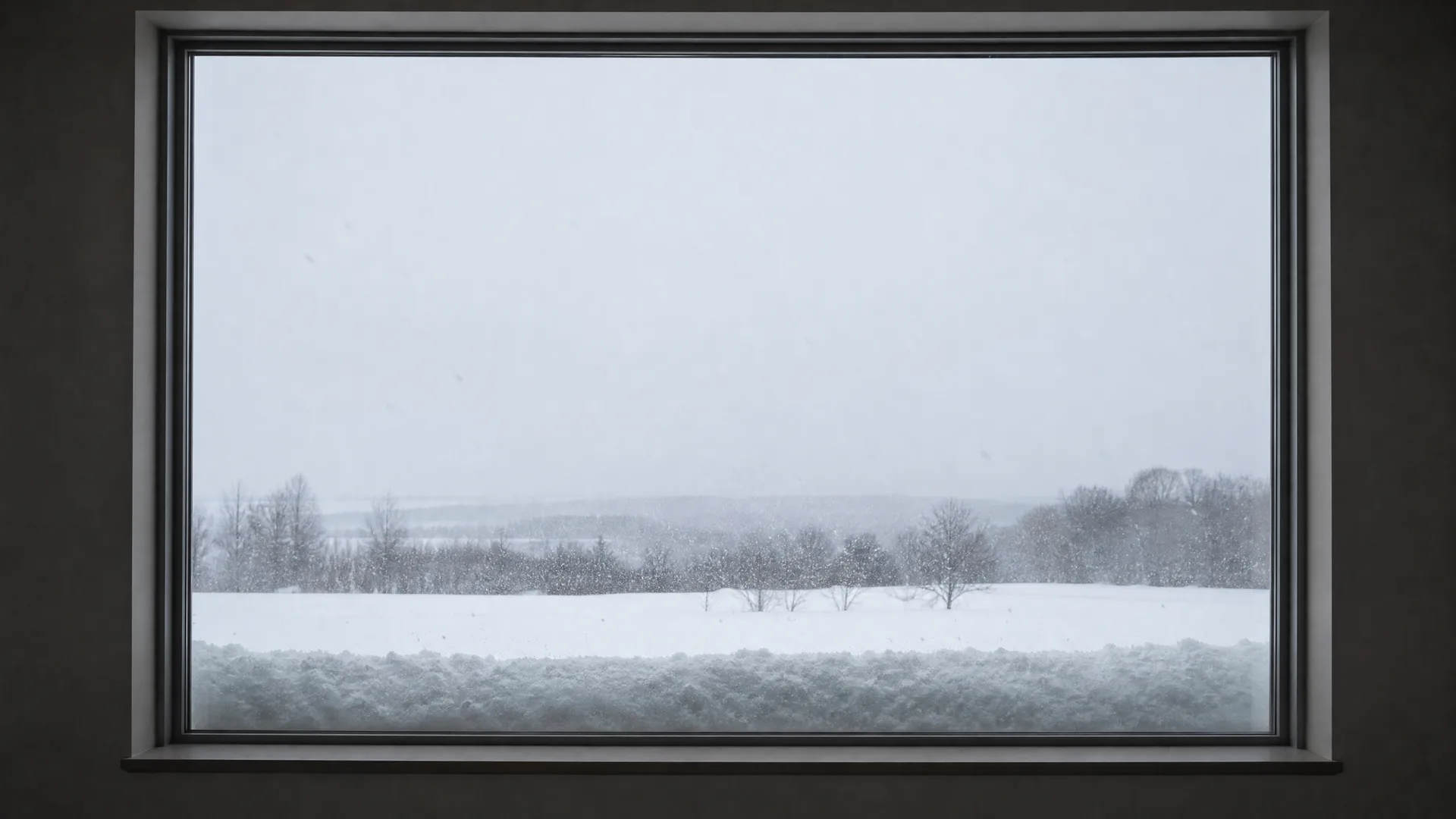
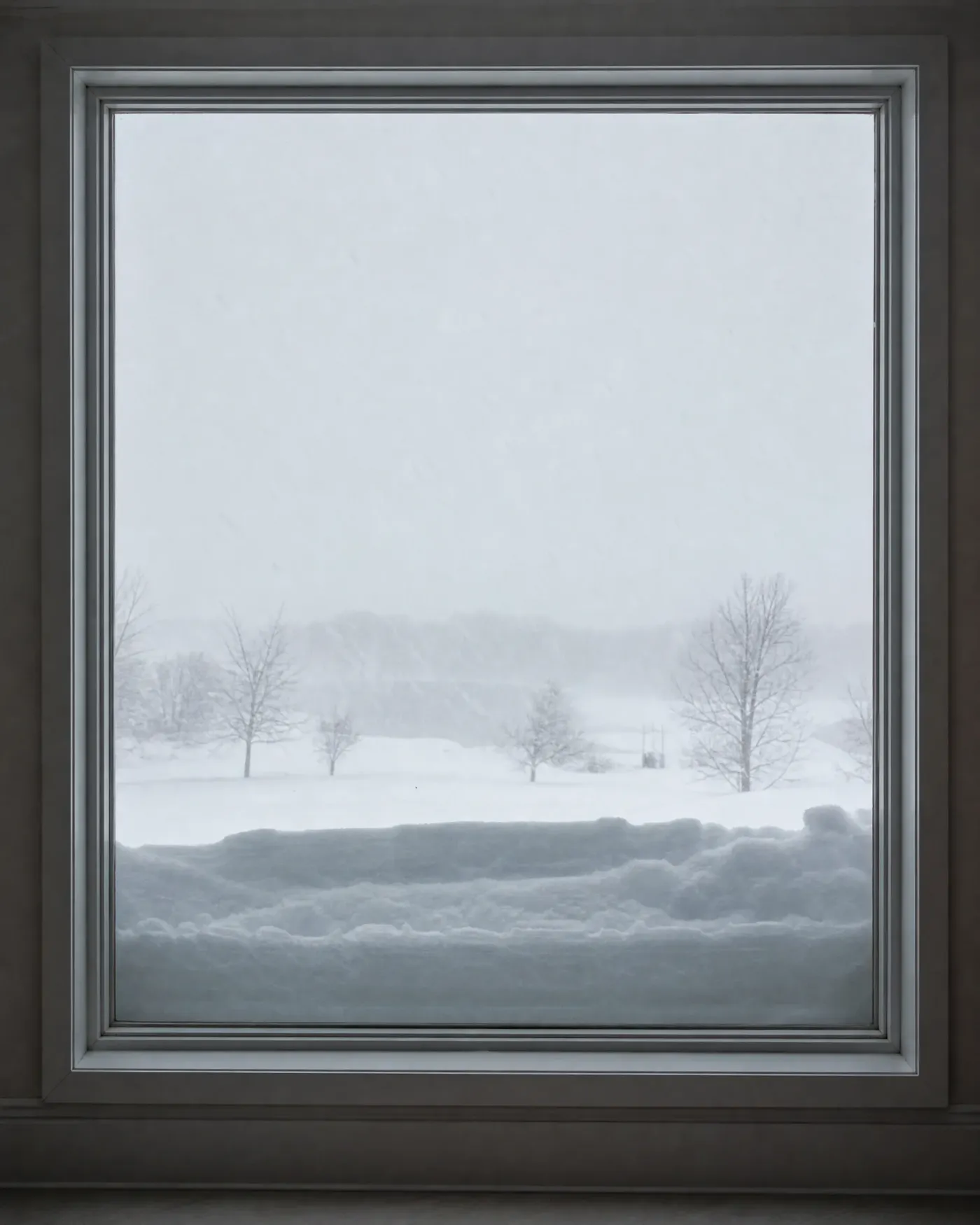
A heat pump pulls heat from outside air, and the colder that air gets, the less heat it can pull and the harder it has to work. Oliver County winters drop well below the point where a heat pump can keep up on its own. Propane furnaces don't have that limit, which is why most homes here still run on propane. The setup that works is a dual fuel system: the heat pump handles heating and cooling in fall and spring, when outdoor air is mild and electricity, which is cheap here, does the job efficiently, and the propane furnace takes over once temperatures drop too low for the heat pump to keep the house warm. You'd still need propane on hand for the hard months, but you'd burn a lot less of it over the year.






Picture a January night in Center with the temperature sitting at ten or twenty below. A heat pump alone, working that hard against outdoor air that cold, loses ground, and your house cools faster than it can keep up. That's why most homeowners here who look at heat pumps end up pairing one with the propane furnace rather than replacing it, letting the furnace take over once the outdoor air drops past the point where the heat pump can still pull warmth from it. Go the other way and drop propane entirely, and you're asking one system to carry a load it wasn't built for on the coldest nights of the year, with no backup if it falls short. The propane tank still needs filling either way, but a dual setup means fewer fill-ups over a winter, since the heat pump handles the milder stretches on its own. What it protects you from is the specific risk of a system that can't keep up when you need it most.
Winter nights average 6°F
Six degrees is the average overnight low for December, January and February here, not the occasional cold snap. Equipment has to hold up to that every winter night.
Heat runs September through May
Nine months of heat a year, September through May, means a system here works most of the year. It has little time off to make up for a bad month.
62.6% of homes heat with propane
62.6% of homes in Oliver County heat with propane, the most of any fuel. Whatever you choose is competing against what already works for most of your neighbors.
NOAA nClimDiv 1991-2020 · ACS 2020-2024


Fill out one short form instead of calling around.
A local installer who puts in furnaces gets your project.
Sending the form costs nothing.


A heat pump paired with a propane furnace lets the pump handle the milder months and hand off to propane once temperatures drop too far for it to keep up.
A propane furnace alone needs one gas line and one thermostat, with no outdoor unit to size, place or wire into the system.
A night that only gets down to 6°F is already colder than most heat pumps can handle well, and Oliver County sees that as the average, not the low point. Your furnace needs to be sized to carry the house on the nights well below that.
NOAA nClimDiv 1991-2020
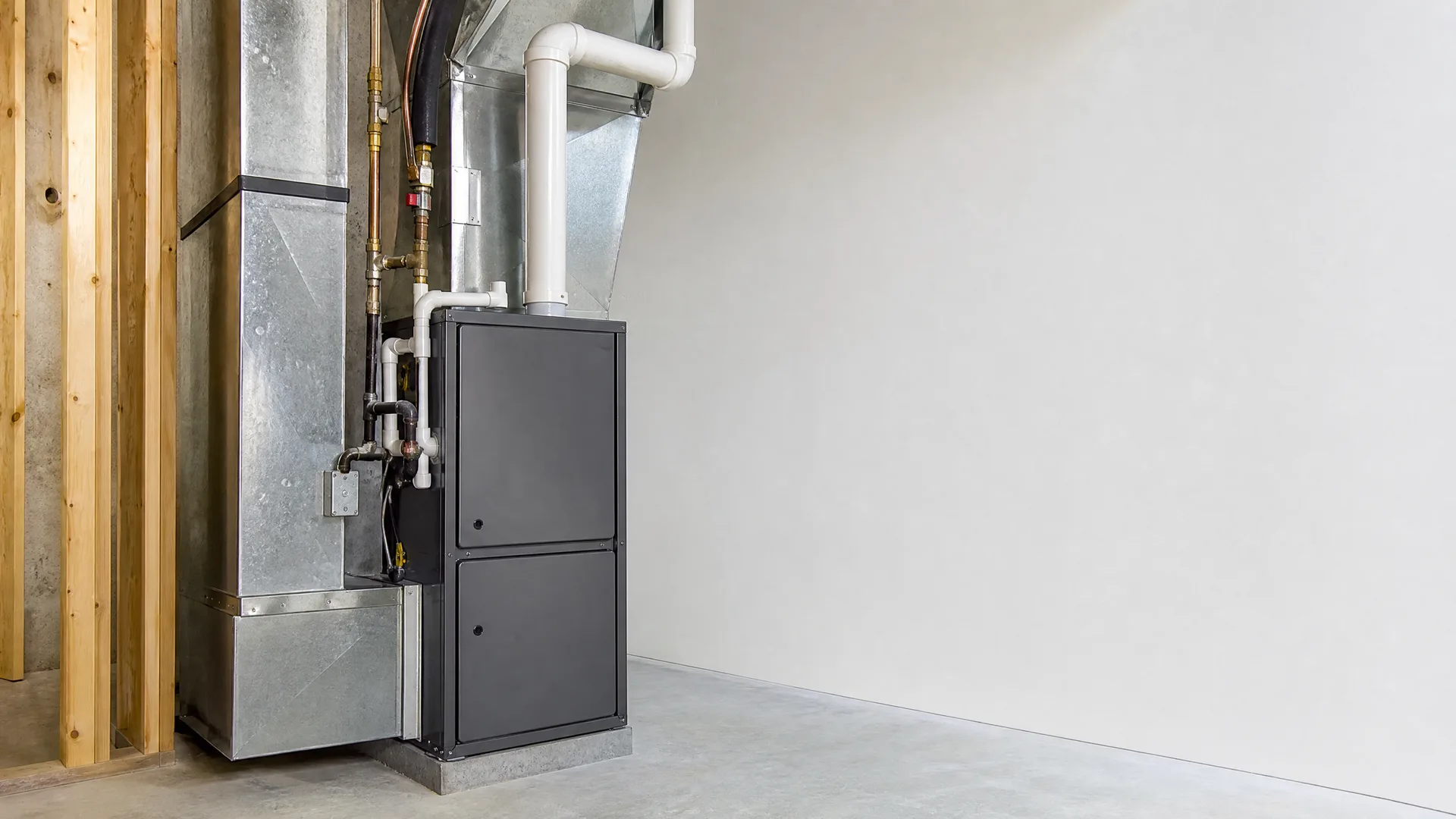
A heat pump isn't wasted money in Oliver County if it's paired with propane rather than asked to replace it. Through October and into November, and again come spring, it can carry the house on cheap power and leave the propane tank untouched. Those are the months a furnace would otherwise burn fuel for mild heat it barely needs. The pump handles that stretch well, and the furnace stays parked until the real cold shows up.
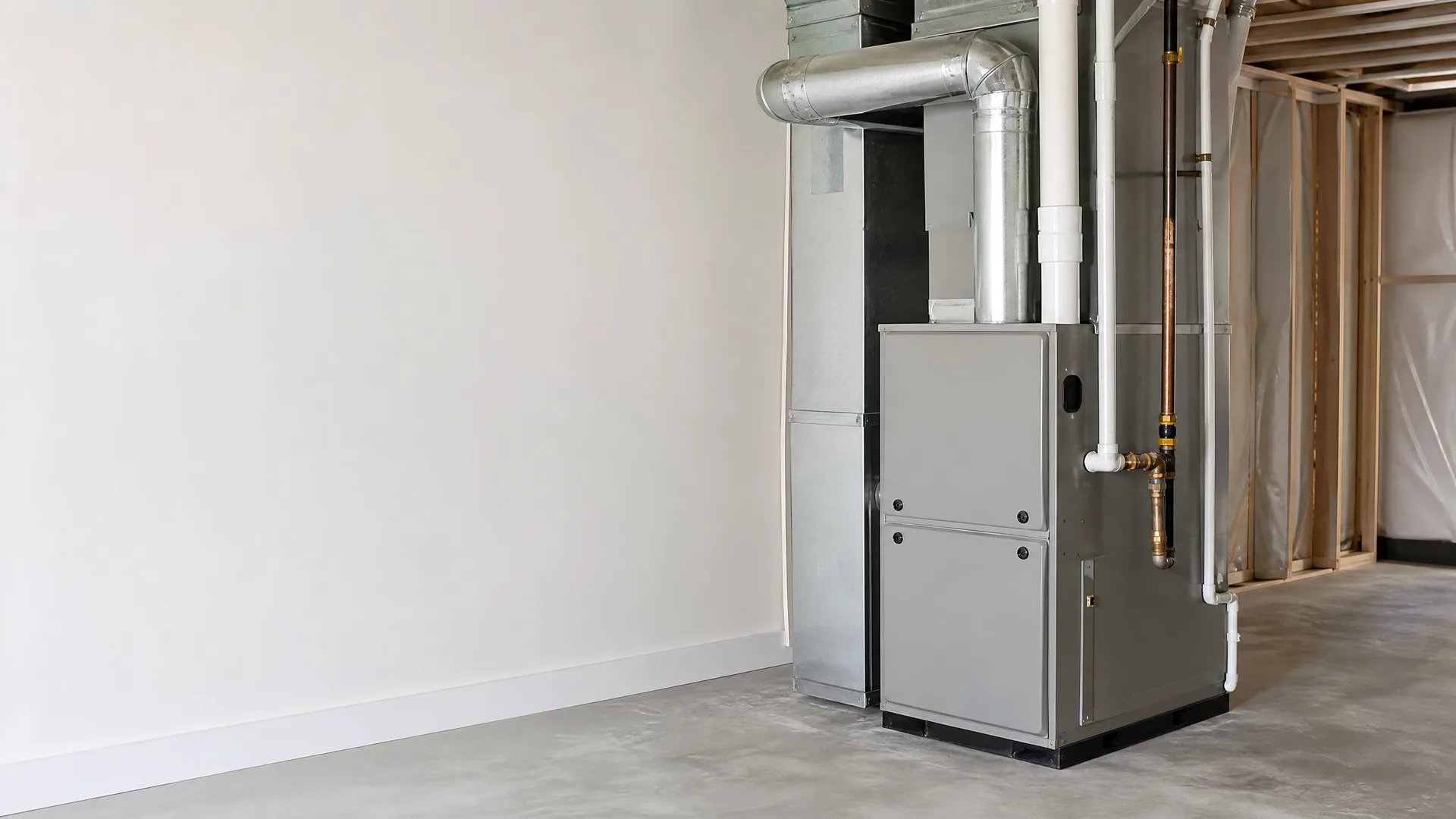
Once the nights settle in below zero, propane is doing the work a heat pump can't. A furnace holds its output no matter how hard the wind is blowing outside, and it doesn't need the outdoor air to have heat left in it to work with. That's the stretch of winter, often running two or three months straight, where a propane furnace sized for your house is what keeps the inside of it warm at two in the morning.

A heat pump can take some of the load off a propane furnace here, but it can't replace it. Six below is a normal night in Oliver County, not a bad one, and that's past the point where a heat pump works hard for little heat. Propane keeps the house warm no matter how far the temperature drops, and that's what carries you through December, January and February.
Sizing a system for Center means planning for those nights, not the mild ones in October. Whether that means a propane furnace on its own or a dual-fuel setup with a heat pump for the shoulder months depends on your house, your ductwork, and what's already running out there. A contractor who works on homes around Center can look at your setup and tell you which one fits, rather than you guessing at it or piecing together advice from homes that aren't yours.






Skip searching for a furnace pro and answer a few questions instead.
It costs nothing to send, and you don't have to hire anyone.