




An unfinished basement containing a gray HVAC furnace with ductwork, exposed wooden joists, a concrete floor, and miscellaneous clutter in one corner.

Furnace Installation in Grafton, ND

Tell us about the job

Takes about a minute. No obligation.

New system or replacementFurnace or heatingWalsh County, ND
Step 1 of 2

What ZIP code is the job in?

Natural gas ran $8.44 per million Btu across North Dakota homes in 2024. A furnace burns that gas all winter long here, and Grafton winters are hard enough that the furnace is working most days from fall into spring. That price is the same whether the furnace wastes a share of what it burns or puts nearly all of it into your house as heat. The difference shows up on the gas bill every month the furnace runs.

9 months
September through May, your furnace is on duty
1°F
the average winter night it heats against
80% AFUE
the federal minimum any new unit must meet
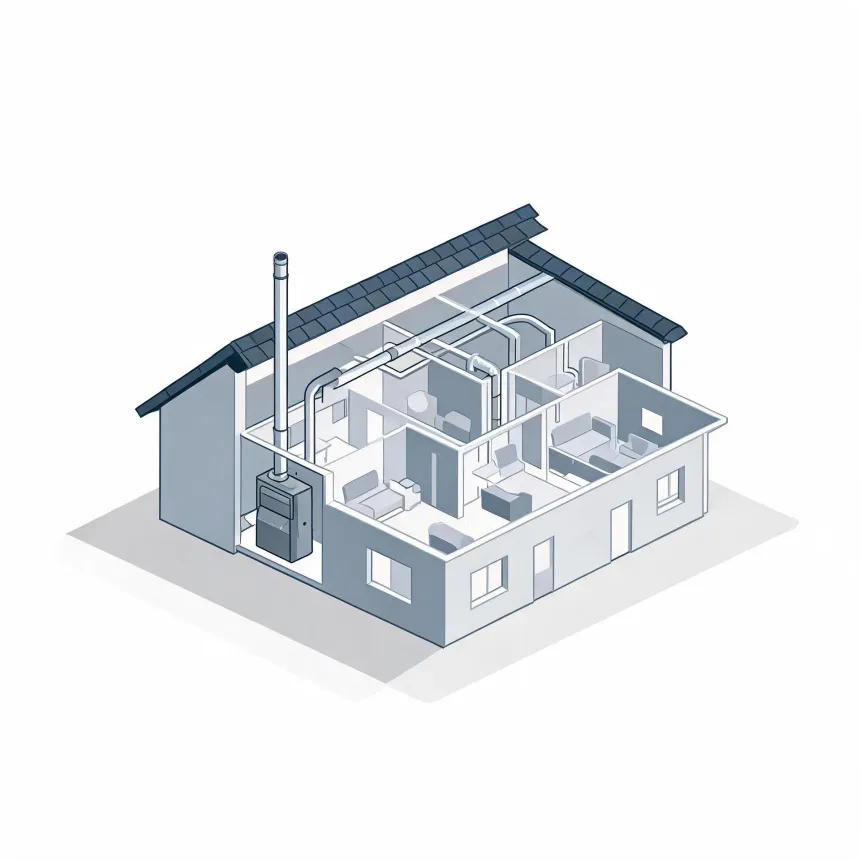
Isometric cutaway illustration of a single-story house in gray tones, showing interior rooms with furniture, ceiling ductwork, and an exterior furnace unit with a tall flue pipe.
Your furnace works hardest from November through March.

NOAA nClimDiv, 1991–2020 normals

Gas heats 40.4% of homes in Walsh County, more than electric, propane, or oil.

A gas furnace is the standard swap here, and most installers know the setup cold.

Nine months of heat a year means this is not a machine you want breaking down in January.

Heat runs September through May
Winter nights average 1°F
Climate zone 7

Half the homes in Walsh County were built in 1971 or earlier. A furnace going into one of those houses is going into ductwork and a layout sized for whatever unit came before it, not sized fresh around the new one. If your system came with the house, it's worth having the installer check the duct sizing and the vent setup against the new furnace rather than assuming the old match still works. Furnaces also come in different cabinet sizes and vent configurations, and an older home doesn't always have room for a straight swap. Getting that fit right matters more here than somewhere with mild winters, because this furnace will run hard for months at a time once the cold sets in.

Get the efficiency right now, since you will be living with this furnace's gas bills all winter

Ask the installer how the furnace is rated for efficiency before it goes in. Gas here costs the same per therm no matter what unit burns it, and this one will run most days from fall into spring. A furnace that puts more of that gas into your house as heat, instead of out the flue, keeps paying off on every bill for as long as you own it.

Find a contractor
A man in a cap, navy long-sleeve shirt and tan work pants carries a canvas tool bag up steps toward a dark front door, with a potted shrub beside the porch.
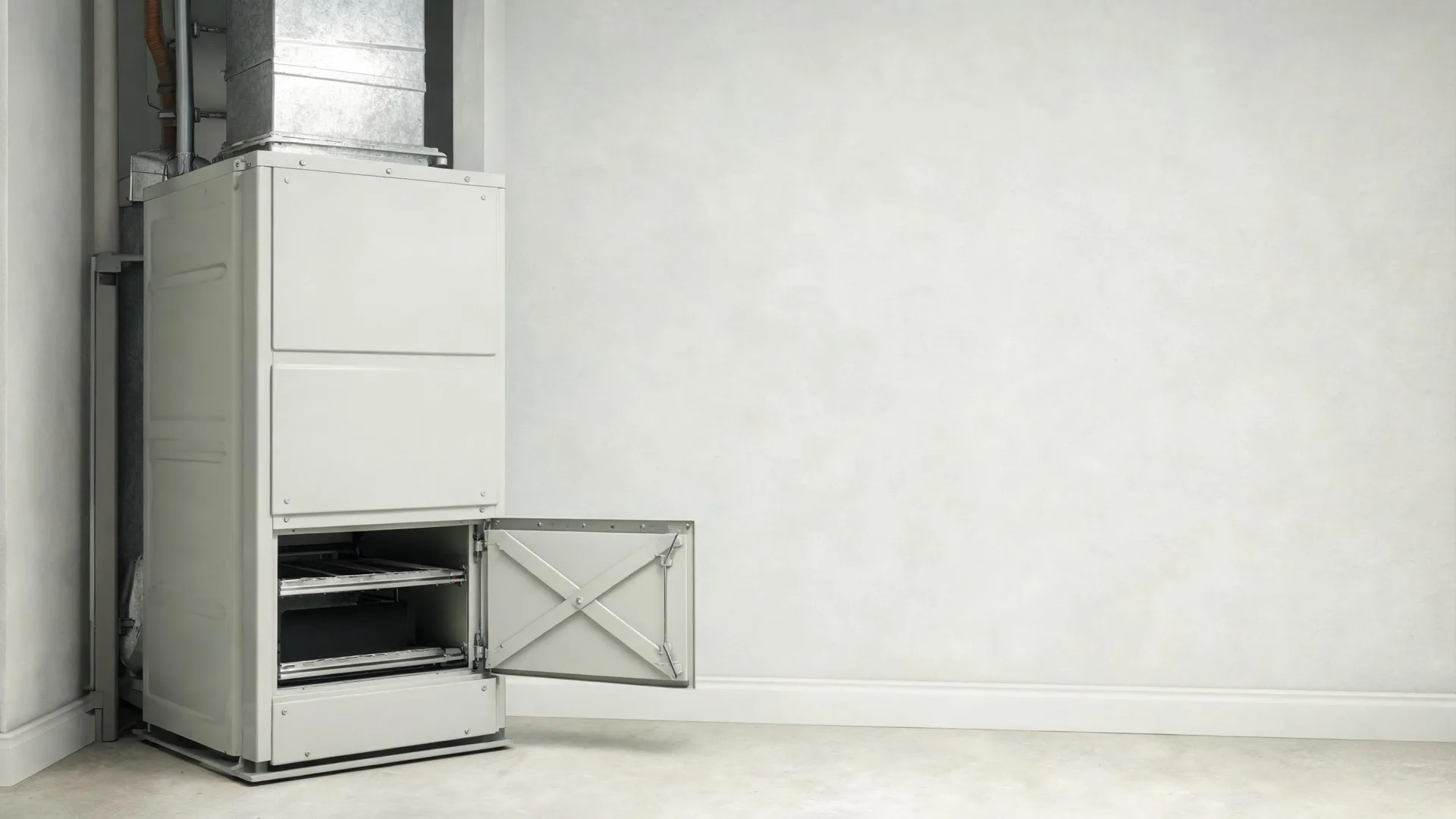
A gray gas furnace with attached ductwork and piping installed in an unfinished concrete basement.

Nine Months of the Year, Working

Nine months of heat a year is a long season. Homes in Walsh County run their furnace from September through May, which leaves a short stretch in summer for the thing to sit idle. Most of the year it's cycling on and off, pushing air through the ducts, and that's where the wear happens. The igniter fires, the blower motor spins up, the heat exchanger heats and cools, over and over, month after month. A new furnace going into a Grafton home is signing up for that same stretch every year. The parts built to handle it will hold up. The ones that are undersized or cheaply made start showing it sooner here than they would somewhere with a shorter winter.

Ask for the AFUE number, not just the model name

Every furnace carries an AFUE rating that says how much of the gas it burns turns into heat in your house versus what goes out the flue. Two furnaces can look the same size and price and still have different ratings. Get the number in writing before you decide, not just a sales term like high-efficiency.

Ask what the vent change will involve

A higher-efficiency furnace often vents differently than an older one, sometimes through a wall with plastic pipe instead of up through the old metal flue. That can mean new venting work, not just swapping the unit in the same spot. Ask the installer to walk through what venting the new furnace needs before the job starts, so there are no surprises once the old one is out.

An unfinished basement containing a gas furnace with ductwork in the foreground and miscellaneous stored items along the far concrete wall.

A high-efficiency gas furnace would save about $110 a year to run in Walsh County compared with a gas furnace.

  • A high-efficiency gas furnace$500 a year
  • A gas furnace$610 a year

Estimates for a typical Walsh County home, from EIA household energy data, North Dakota fuel prices and NOAA climate normals. Your home will differ.

Installation day starts with the old furnace coming out, and that alone takes a few hours once the gas line, venting and ductwork are disconnected. The installer sets the new cabinet, levels it, and connects the supply and return plenums before touching gas or power. Gas line and venting come next, and that's where timing can stretch if anything needs to be resized or rerouted. Once it's hooked up, the installer checks for gas leaks before firing it for the first time. The first cycle is where they set the gas pressure, check the temperature rise across the heat exchanger, and confirm the blower is moving the right amount of air. A furnace that fires but never gets tested under a full cycle can run with the wrong airflow for years without anyone noticing.