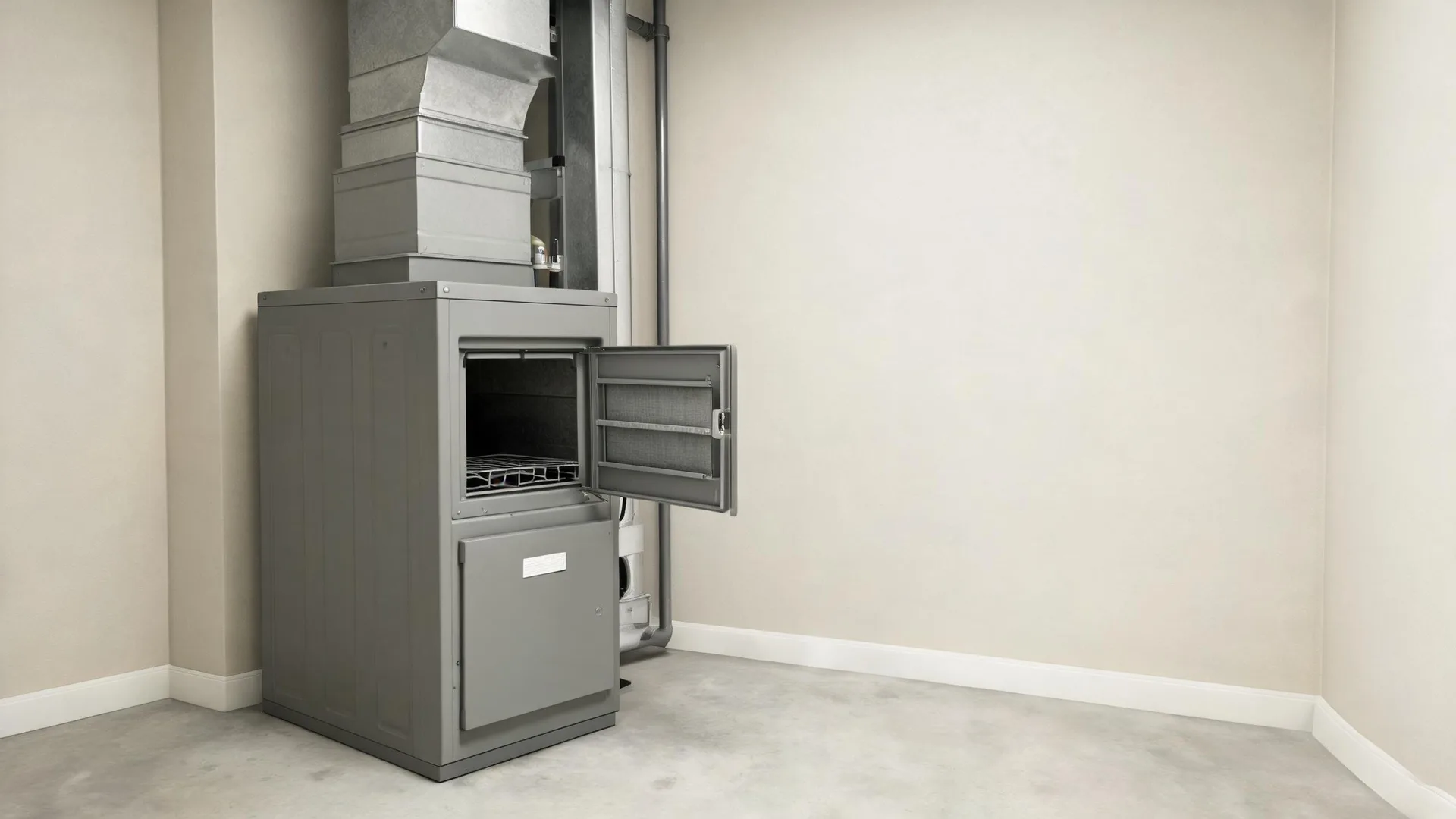
Gas is the common choice here
Utility gas heats 42.5% of homes in McLean County, more than any other fuel. Bottled or LP gas heats another 27.0%. Between the two, gas furnaces are what most contractors in the area install and service.
Takes about a minute. No obligation.
Utility gas heats 42.5% of homes in McLean County, more than any other fuel. Bottled or LP gas heats another 27.0%. Between the two, gas furnaces are what most contractors in the area install and service.
If your old furnace ran on gas, a contractor can likely install a new one using the same gas line and vent. If your home runs on propane instead of utility gas, say so up front, since the furnace and venting differ between the two.
NOAA nClimDiv, 1991–2020 normals
Gas here runs $8.44 per million Btu, in line with what furnaces across the region are built to run on.
A standard furnace sized to your house is what this calls for, nothing bigger or more expensive.



Heat comes on here in September and runs through May, nine months out of the year. August is the one stretch where a furnace can sit off while someone works on it. Wait until the first cold morning and a failed heat exchanger or a cracked igniter becomes a same-day scramble, with whatever unit a contractor can get that week. Replace it in August instead and there's time to size it right, schedule the gas line and venting work properly, and have it running before it needs to be.
Furnaces here run from September through May, and overnight lows average 5°F in December, January and February. That is most of the year spent working, with real cold to push against. A furnace sized right for your house will handle that load for years. One sized wrong will struggle through those months and show it early.
Find a contractor
A load calculation takes the size of your house and works out what furnace it needs, not a guess off the old unit's nameplate. Ask for one before you buy. Nine months of heat a year means a furnace that's too big short cycles all winter, and one that's too small never catches up on the cold mornings. Either way you'll feel it in the house, in every one of those nine months.
The percentage on the label is how much of the gas burned turns into heat for the house, the rest goes out the vent. A higher number means less gas wasted per cycle. It says nothing about how evenly the house heats or how long the furnace lasts, those come down to sizing and installation.
A high-efficiency furnace still needs the correct size for the house and venting built for the condensate and lower exhaust temperature that come with it. Oversize the unit or get the venting wrong and the rating on the label stops meaning much. The install is what decides whether that number shows up in how the furnace actually runs.
Estimates for a typical McLean County home, from EIA household energy data, North Dakota fuel prices and NOAA climate normals. Your home will differ.
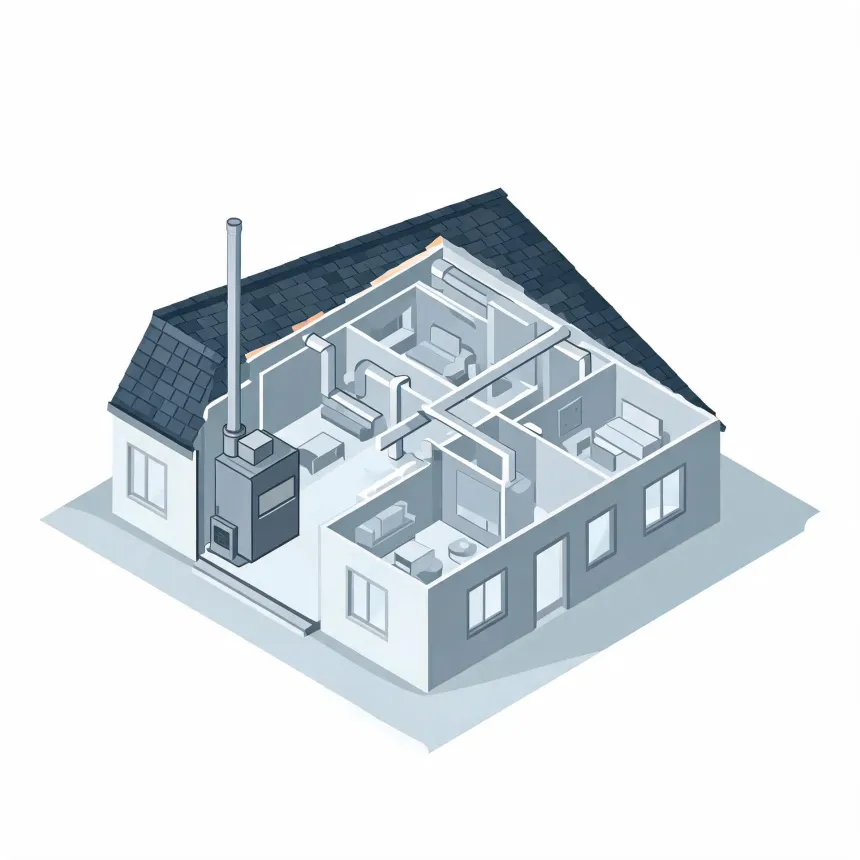
Installation day starts with the old furnace coming out, along with the vent pipe and gas line fittings that fed it. A contractor checks the ductwork before setting the new unit in place. A trunk line or return built for one size furnace doesn't always suit another. The gas line gets connected and pressure tested before anything is fired up. Venting comes next. A high-efficiency furnace vents through PVC pipe out a side wall, not up through a chimney an old unit may have used, and that's where the work differs most from a straight swap. Once it's set, connected and vented, the contractor runs it through a full cycle, checking the flame, the temperature rise through the plenum and the draft pulling exhaust out correctly. Nothing gets called finished until it's actually run and measured, not just switched on.