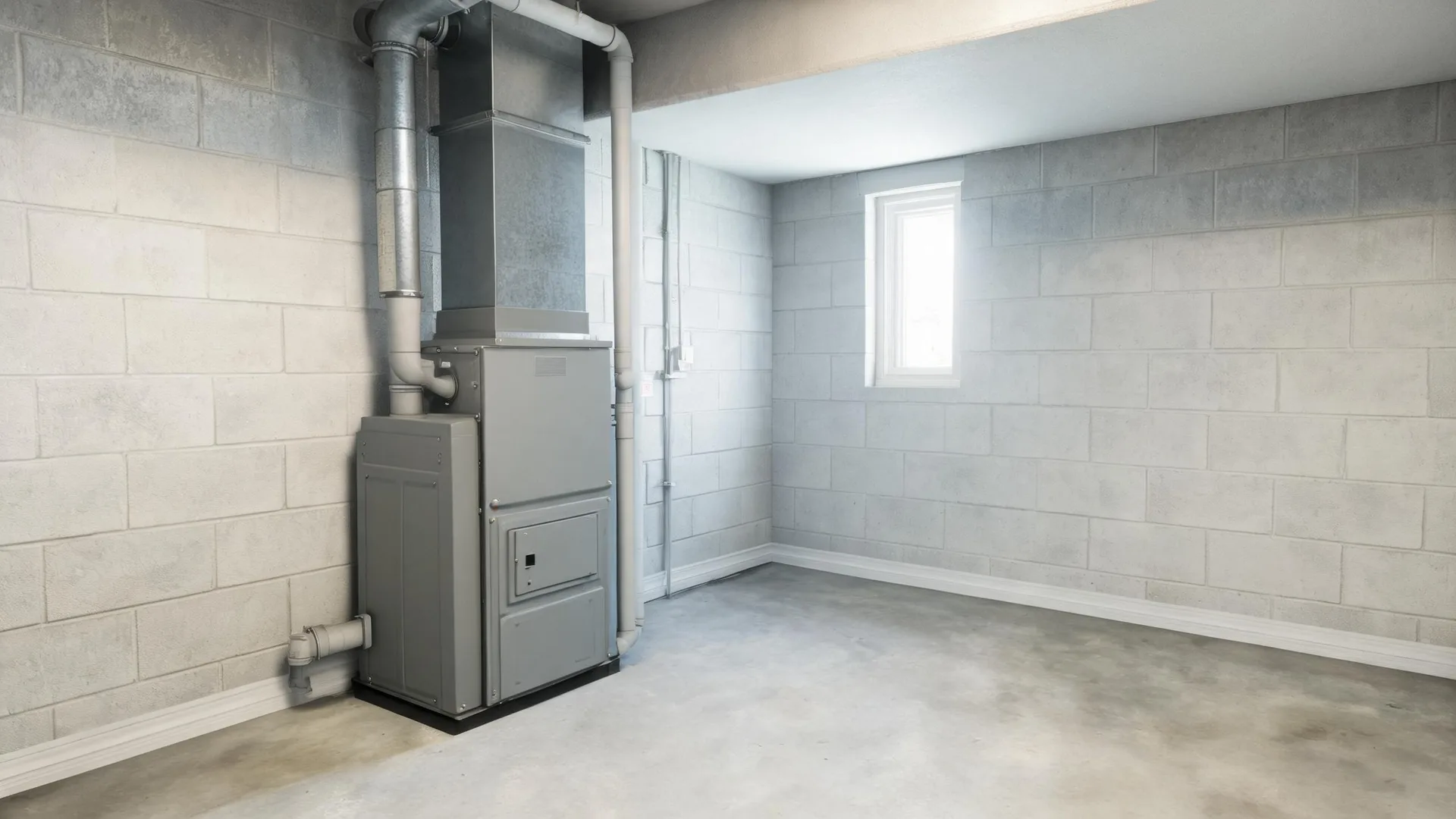
Propane runs $17.33 per million Btu here
North Dakota homes paid that rate in 2024, and a furnace that burns propane less efficiently burns through more of it at that price every winter.
Takes about a minute. No obligation.
North Dakota homes paid that rate in 2024, and a furnace that burns propane less efficiently burns through more of it at that price every winter.
A furnace that turns more of each gallon into heat instead of exhaust is worth comparing closely before installation, since the rate per Btu here does not leave much room to waste it.
NOAA nClimDiv, 1991–2020 normals
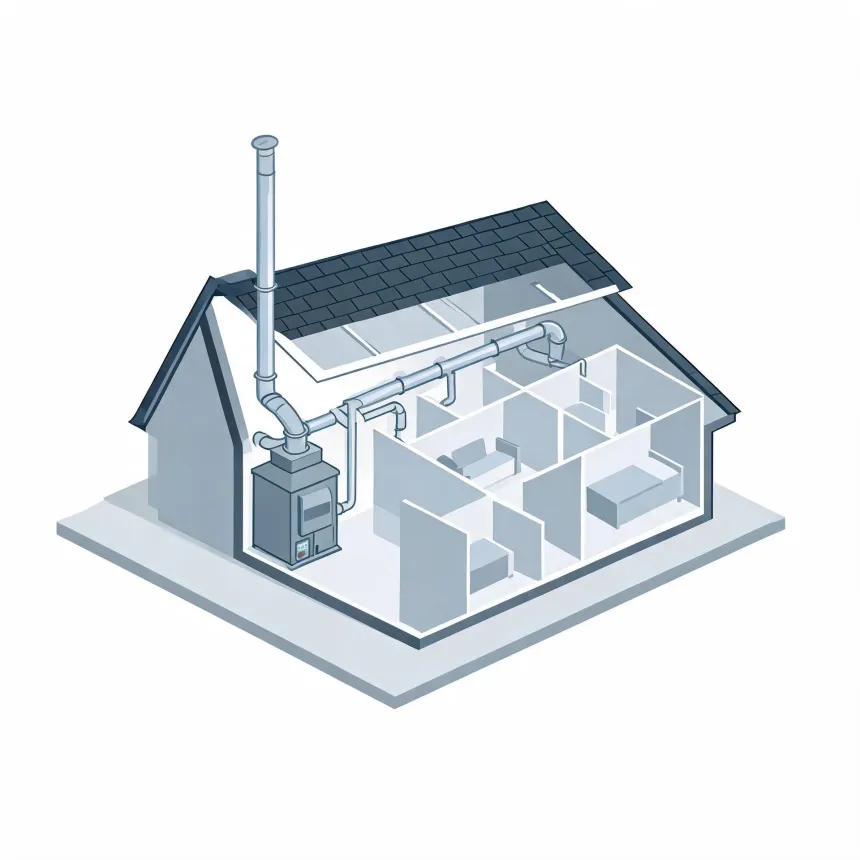
Furnaces in Leeds run nine months a year, September through May.
A system sized wrong here has almost no off season to make up for it.



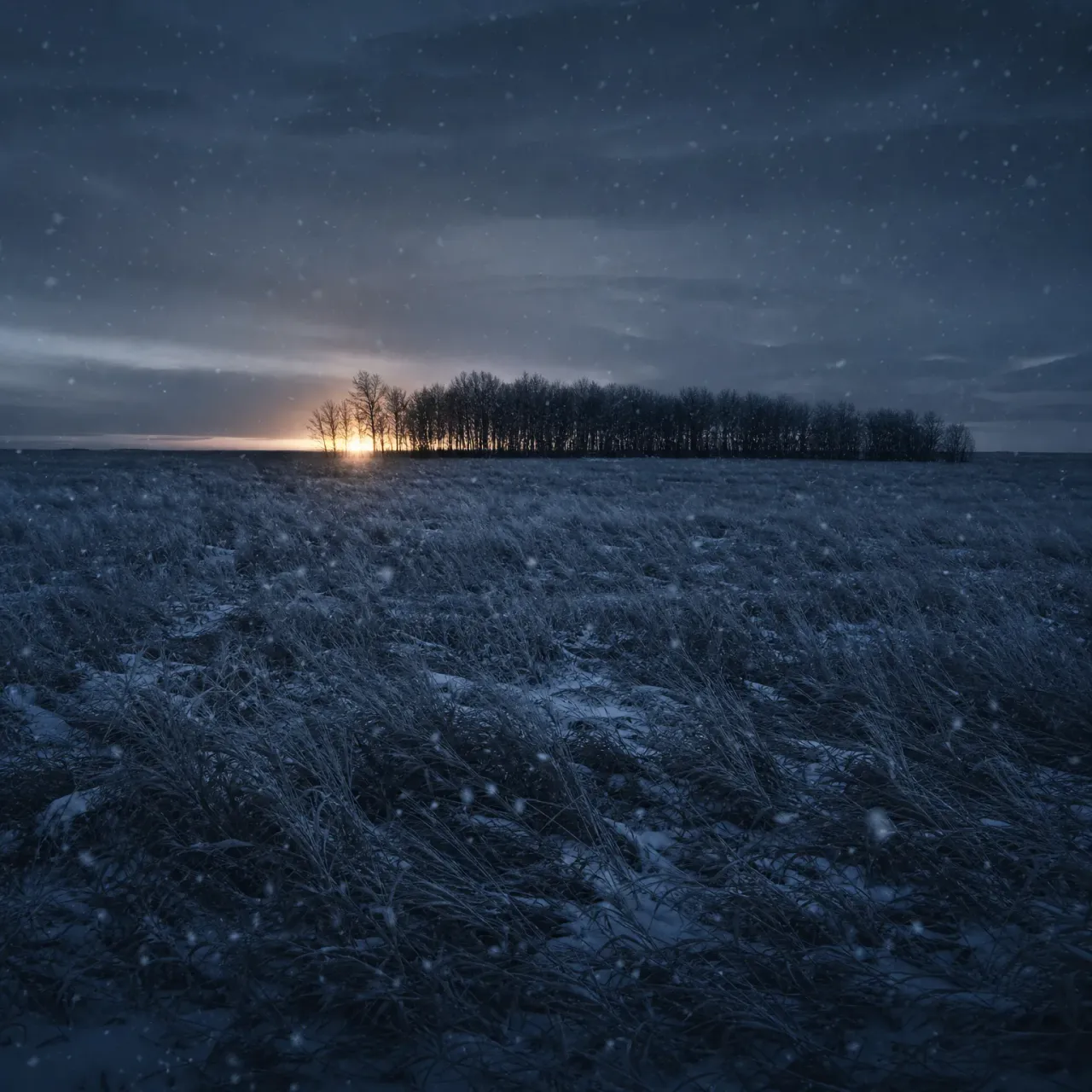
Half the homes in Benson County were built in 1972 or earlier. A furnace going into one of those houses is going in without the specs from whatever came before it. The ductwork was sized for some other unit, maybe even a different fuel, and nobody installing today knows what assumptions went into that original system. Before sizing the new furnace, a contractor should run a load calculation on the house as it stands now, not go by what the old equipment happened to be rated for. Get that wrong and the furnace either short cycles or runs longer than it should, and a mismatch like that only shows itself once the cold sets in.
Benson County sits in zone 7, the coldest tier in the energy code, and any furnace going in has to meet the efficiency minimum that comes with it. That floor is set to rise for units manufactured from December 2028 on. A federal tax credit is available for qualifying high-efficiency equipment, worth asking about when comparing models.
Find a contractor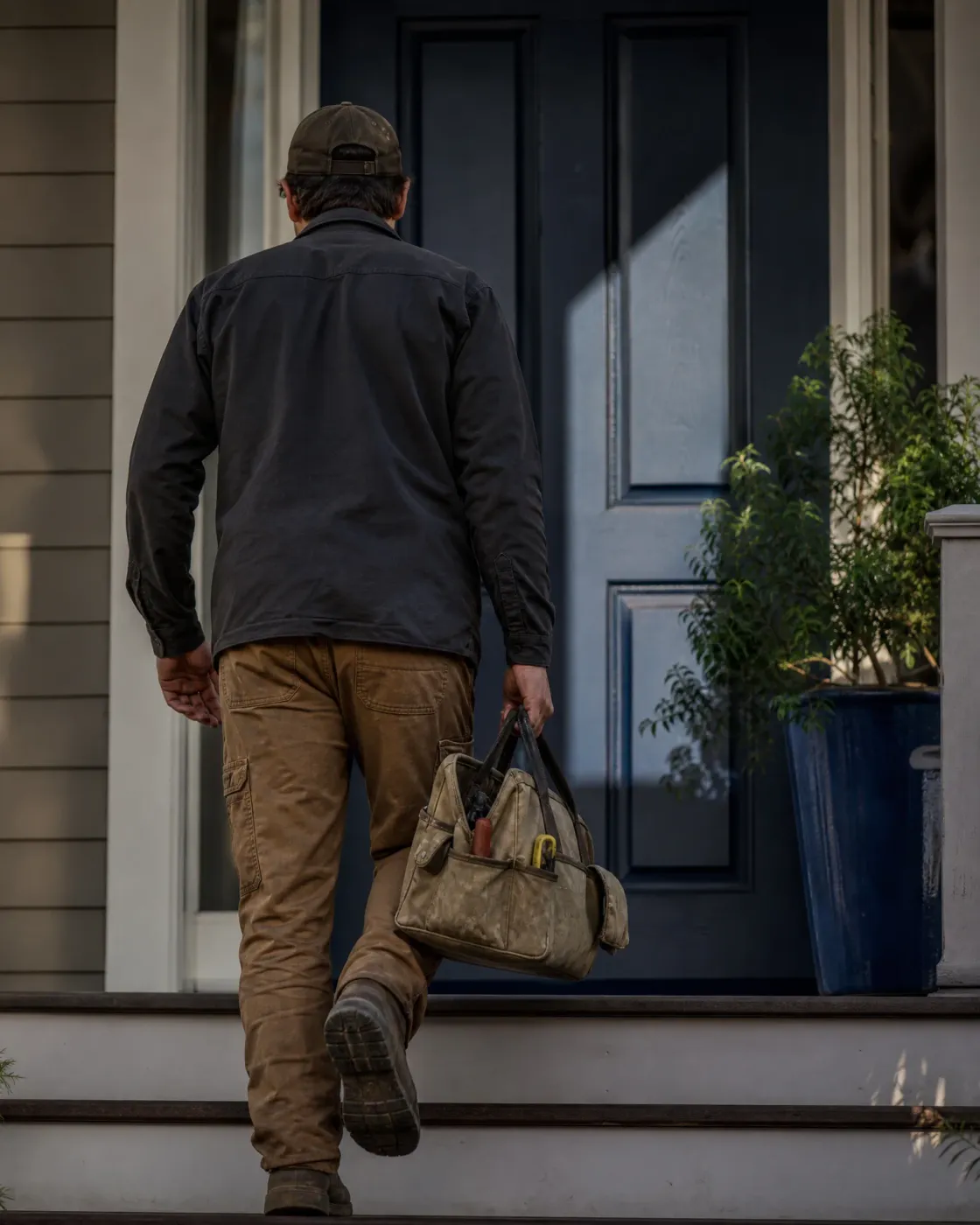
At 1 below zero overnight, a furnace here runs close to flat out, winter after winter. That is the load it has to be sized for, not the square footage on a listing sheet. When you compare models, ask what each one is rated to do at design temperature, not just its sticker efficiency. A furnace that is right for Leeds in January is the one worth paying for.
New ductwork, a bigger gas line, a vent pipe run to the outside wall or a new electrical circuit for the blower all add to the job. A furnace that fits the existing duct and vent setup costs less to put in than one that needs them rebuilt.
A furnace that condenses its exhaust to pull out extra heat needs a drain line and different venting than an older style, and that equipment costs more before anyone touches labor. The payoff comes later, in lower fuel use over the life of the unit, not on the install invoice.
Estimates for a typical Benson County home, from EIA household energy data, North Dakota fuel prices and NOAA climate normals. Your home will differ.
Installation day starts with pulling the old furnace out, and that part goes fast. What takes the time is everything around it. A contractor runs new vent pipe if the venting changes, sets the gas line, and if the house didn't have one already, wires in a dedicated circuit for the blower. The ductwork gets tied in next, and this is where a lot of jobs slow down, because the new furnace rarely bolts up to the old plenum without some cutting and resealing. Once it's set, the real work is in the testing, not the mounting. Gas pressure gets checked and set to spec. Static pressure gets measured across the coil and ducts to make sure air is actually moving the way the furnace expects. Temperature rise gets checked against the nameplate range, because a furnace running outside that range will short cycle or crack a heat exchanger years early. None of that shows up by looking at the unit. It shows up in whether the house heats evenly and the furnace shuts off when it's supposed to.