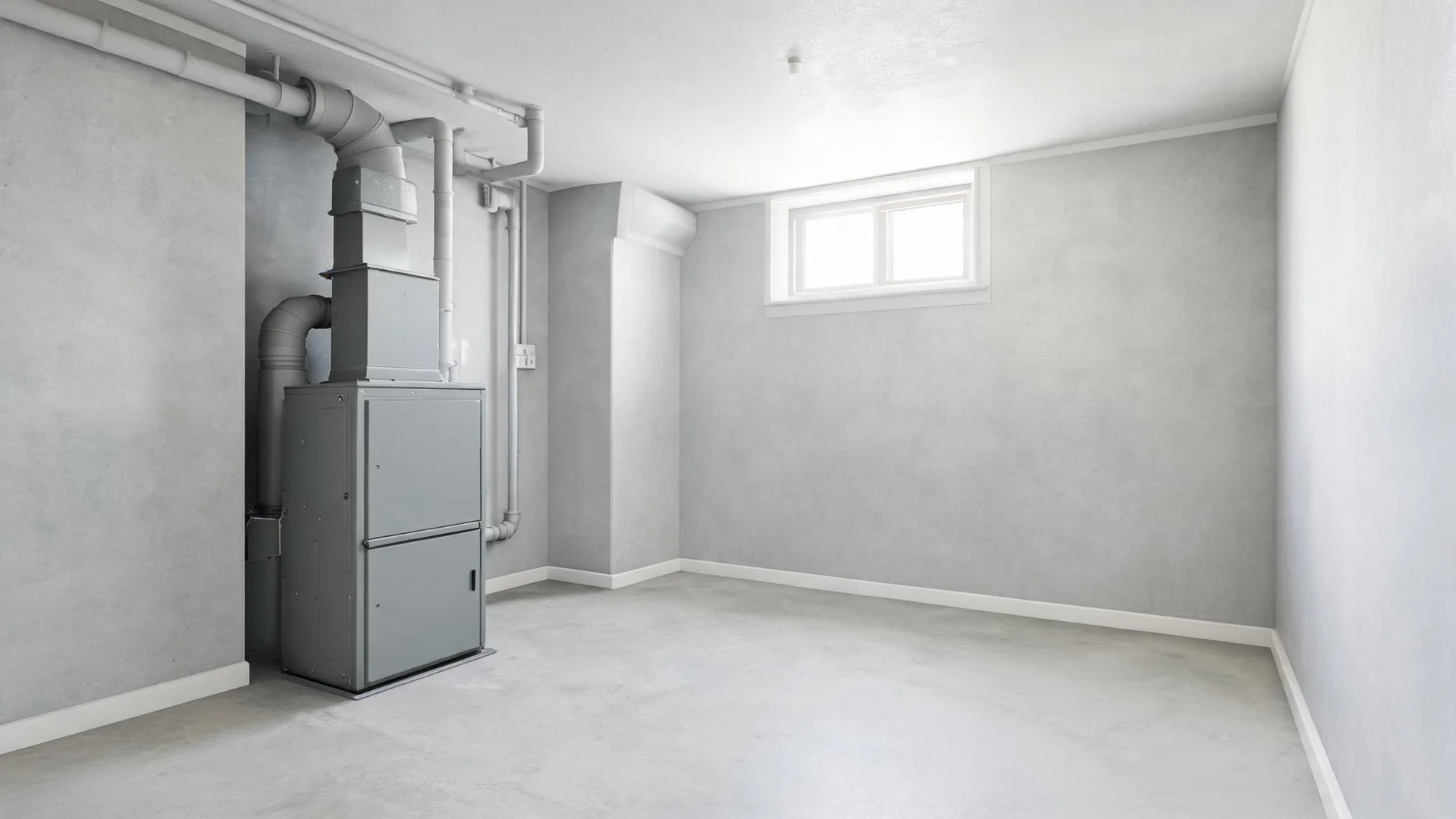
Gas here runs $8.44 per million Btu
North Dakota households paid $8.44 per million Btu of natural gas in 2024. A furnace that wastes heat burns more gas to make up for it, and that waste shows up on every bill all winter.
Takes about a minute. No obligation.
North Dakota households paid $8.44 per million Btu of natural gas in 2024. A furnace that wastes heat burns more gas to make up for it, and that waste shows up on every bill all winter.
Two furnaces can heat the same house and cost different amounts to run. Beach homes lean on gas heat for months at a stretch, so the furnace you install here keeps costing you something long after the install is done.

NOAA nClimDiv, 1991–2020 normals
Gas heats 56.9% of homes in Golden Valley County, more than electricity and propane combined.
A gas furnace is the easy call here, and the installer still has to size it to your house, not just swap in what was there.



Nine months of heating a year, September through May, is close to constant work for a furnace. It cycles on and off most days for most of the year, with only a few months off in summer. That kind of use wears an undersized unit fast, because it never gets a real break, it just keeps firing to keep up. The fix isn't buying the biggest furnace on the lot. It's sizing one correctly to your house, so it runs long, steady cycles instead of straining through short ones. An installer should figure that size from your square footage, your insulation, and your windows, not from what the old unit happened to be.
The furnace going into your house will run on $8.44 gas for years. One sized and installed right burns less to hold the same temperature. That difference shows up on every bill, not just the first one.
Find a contractorHalf the homes in Golden Valley County were built in 1957 or earlier. A furnace going into a house that old is going into walls, ducts and windows the manufacturer never saw. The ductwork may have been sized for a different unit entirely, or added on after the fact. None of that shows up on a spec sheet. An installer who measures the house instead of guessing from the old unit's size is the only way the new furnace matches what it's actually heating.
A furnace rated for the exact same output can still install differently depending on the venting it needs, the gas line feeding it, and the return air coming back to it. Some units vent through a sidewall, some need a dedicated flue. Some need a bigger gas line than what's already run to the old unit. Any of that changes the labor before the furnace itself ever enters into it.
A new furnace pushes air through the ducts already in the house. If those ducts are too small, too leaky, or routed poorly, the new unit works around those limits no matter how well it's built. Matching the furnace to the house sometimes means opening up a duct run or sealing joints that were never sealed right, not just setting a new box where the old one sat.
Estimates for a typical Golden Valley County home, from EIA household energy data, North Dakota fuel prices and NOAA climate normals. Your home will differ.
Installation day starts with the old furnace coming out, and that alone can take a while if it's venting into a chimney liner or tied into ductwork that was never meant to come apart easily. The installer runs new venting if the new unit needs it, which is common since not every furnace vents the same way the old one did. Gas line gets checked next, and sized up if the new furnace calls for more than what's already feeding it. Electrical is part of it too, since the furnace needs power for the blower and the control board. Once everything's connected, the installer fires it up and watches it run a full cycle, checking the temperature rise, the gas pressure, and the airflow before calling it done. A furnace that gets installed right gets tested while the installer is still standing there, not after they've left.