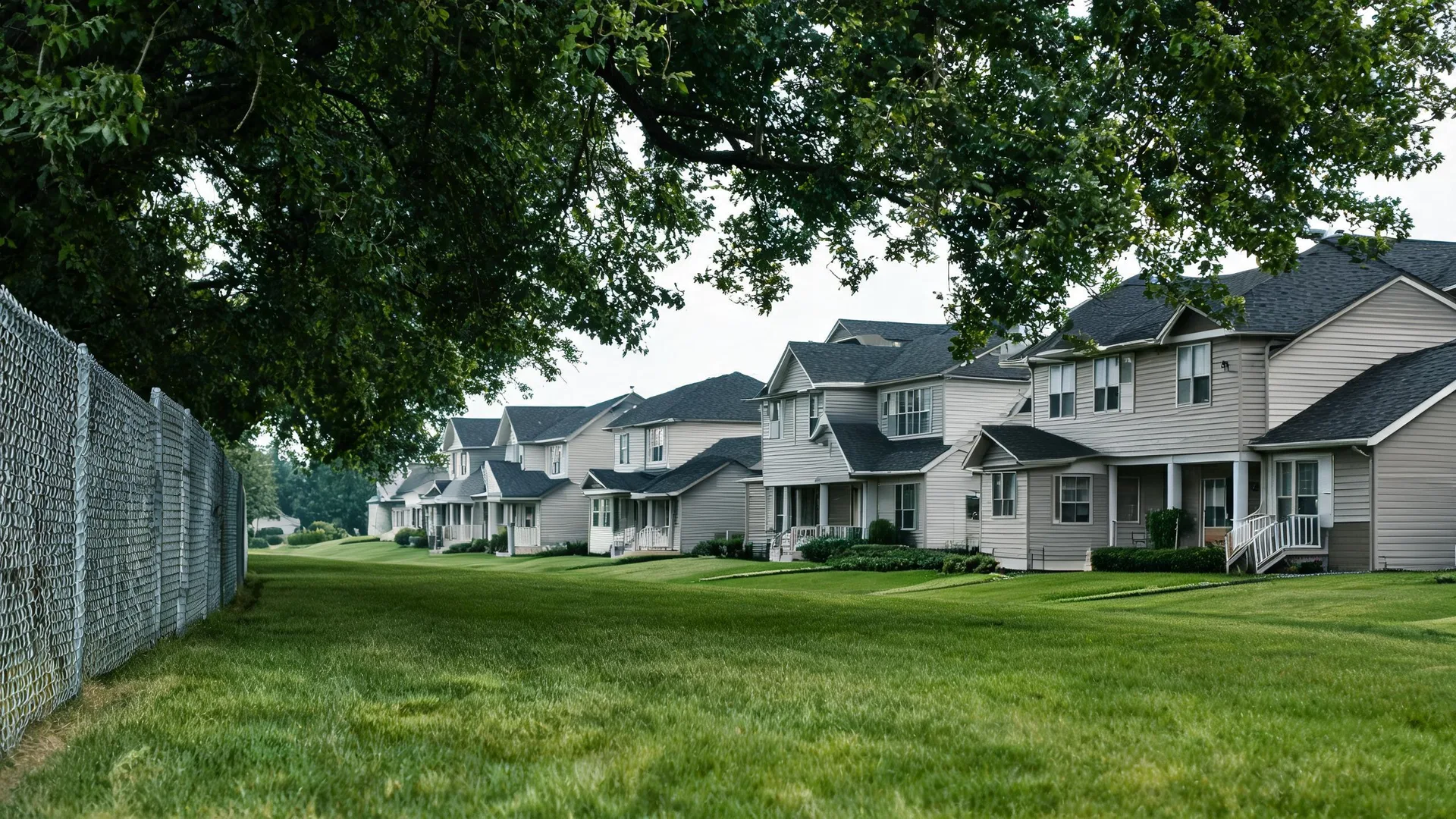





A row of two-story houses with gray vinyl siding and shingled roofs behind a wide mown lawn, with a chain-link fence at left and large tree branches overhead.

Furnace Installation in Velva, ND

Tell us about the job

Takes about a minute. No obligation.

New system or replacementFurnace or heatingMcHenry County, ND
Step 1 of 2

What ZIP code is the job in?

Half the houses in McHenry County went up in 1966 or earlier. A furnace sized and installed for one of those homes isn't just dropped in and hooked up. Older ductwork was often sized for a different furnace than what's on the market now, and a contractor needs to check that the trunk lines and returns can actually move the air a new unit puts out. Leave that mismatch alone and the furnace runs harder than it should, even if it's a good one. This is the kind of thing a sizing and duct check catches before the install, not after.

9 months
September through May, your furnace is on duty
3°F
the average winter night it heats against
80% AFUE
the federal minimum any new unit must meet
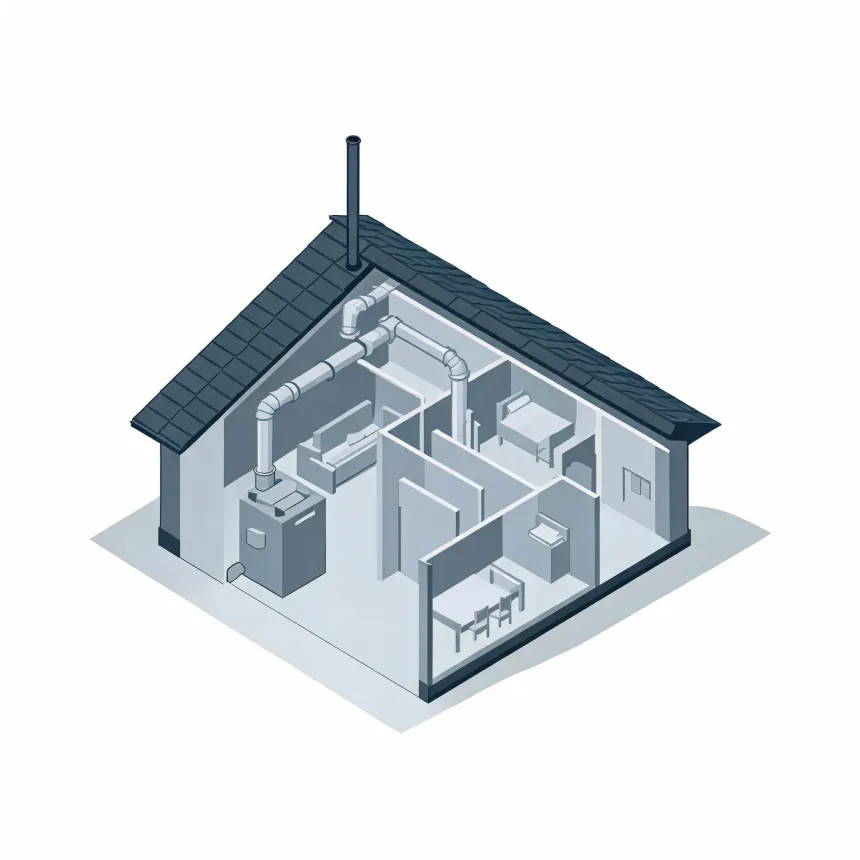
Isometric cutaway illustration of a small single-story house showing interior rooms with furniture, a furnace unit with attached ductwork running to a roof flue, and a dark shingled roof.
Your furnace works hardest from November through March.

NOAA nClimDiv, 1991–2020 normals

Furnaces in McHenry County start running in September.

Get a new one installed in August and it's broken in before the first cold morning, not during one.

Nine months of heat a year means this furnace doesn't get an easy season

Heat runs September through May
Winter nights average 3°F
Climate zone 7
Built for a different furnace. Ask before you install.Half the homes in McHenry County were built in 1966 or earlier. Ask for a sizing and duct check before the install.

The efficiency rating on a furnace label tells you how much of the fuel it burns turns into heat in your house, and how much goes out the flue. A higher rated furnace pulls more heat out of the same flame before the exhaust leaves. That is the idea behind a condensing furnace. It cools the exhaust gas enough to pull a second round of heat out of it, which is also why those models need a drain for the condensate and venting built for cooler, wetter exhaust instead of a traditional flue. A lower rated furnace sends more of that heat up the flue before it ever reaches your rooms. The rating does not say anything about how big a furnace your house needs, only how well it uses the fuel once it is burning. A furnace sized wrong for the house will not run any better because the rating on the label is high.

Efficiency pays here

Power costs more here, so an efficient system pays you back on every bill.

Find a contractor
A man in a cap, gray shirt and brown work pants, seen from behind, carries a canvas tool bag up steps toward a dark navy front door beside a potted shrub.
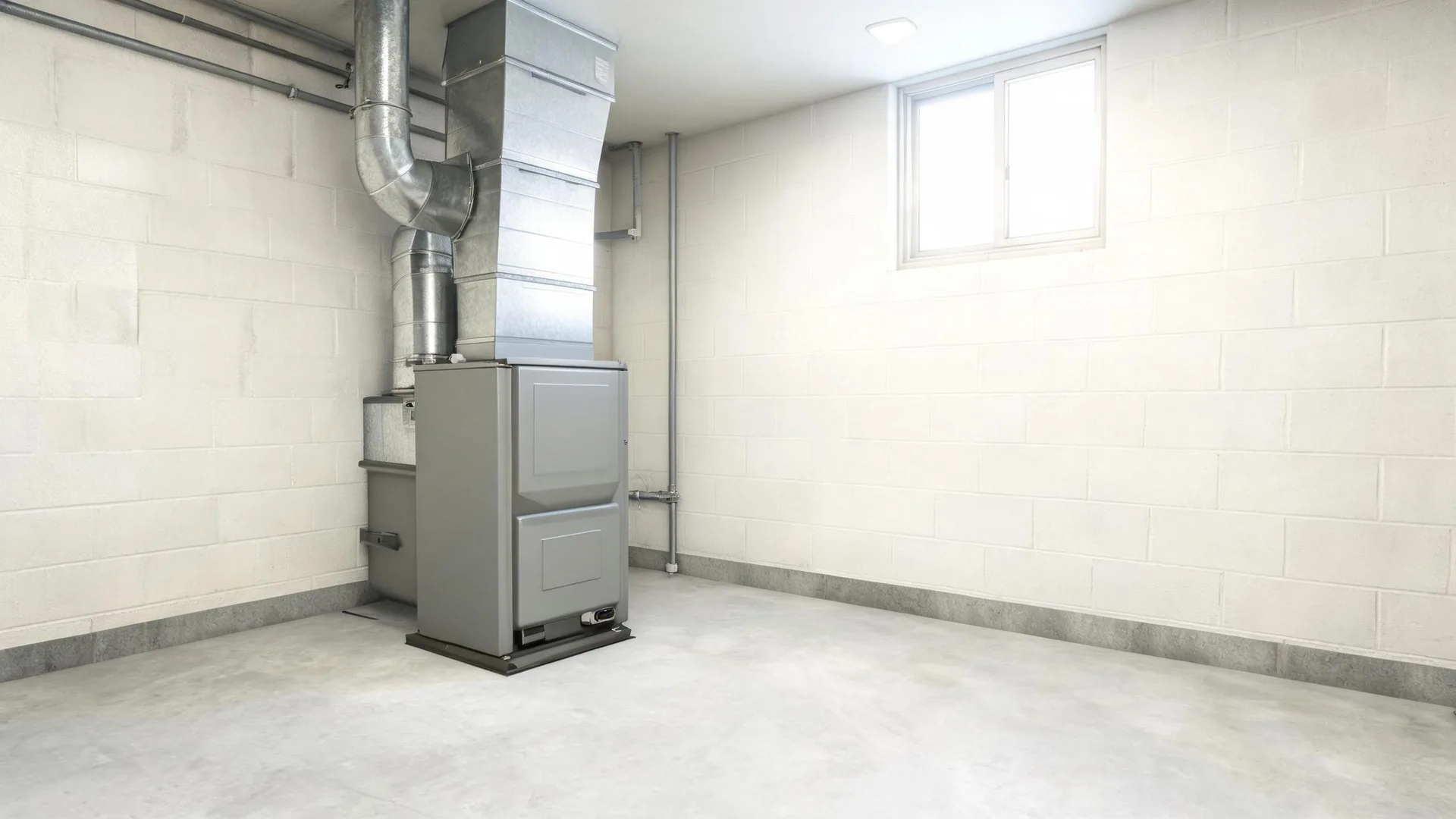
A gray residential gas furnace installed in an unfinished basement, connected to sheet-metal ductwork and PVC pipes.

Pulling the old furnace is its own job

A furnace that's been running that long has earned a real inspection before it comes out, not just a shutoff. A tech pulling the old unit checks what it's been doing to the flue, the gas line and the ductwork it was tied to. Heat exchangers crack with age, and a cracked one is a reason the replacement can't wait. The old thermostat usually isn't worth reusing either, especially if the new furnace is a different type of system underneath. And whatever gets disconnected, gas line, vent pipe, electrical, has to be capped or removed properly, not just left alive behind a wall.

The furnace is the smaller part of the bill

A furnace swap almost never stops at the furnace. The vent might need to change from a traditional flue to the plastic pipe a condensing unit uses. The gas line gets checked for the right size. The plenum above the furnace often gets rebuilt to fit the new cabinet, since furnaces aren't all the same height and width even at the same output. None of that is optional extra work. It's what makes the new unit actually safe to run.
Stage and blower type move the price too

A single stage furnace is either on at full fire or off. A modulating furnace adjusts its flame and airflow to match the load, which asks more of the control board and the blower motor underneath it. That's a more complex furnace to build and to install, and the price follows that, separate from where its efficiency rating lands.

When you're comparing quotes, ask what each contractor's load calculation actually found, not just what size furnace they're proposing. Contractors can walk the same house and land on different numbers if one is going by square footage alone and the other is checking the windows, the insulation, and the duct layout room by room. Ask what stage and blower type is in each quote, since a single stage furnace and a modulating furnace aren't the same machine even at the same output. Ask whether the quote includes venting, gas line, and plenum work, or just the furnace itself, because bids that look close on price aren't always close on what they cover. And ask who's doing the install, not just whose name is on the furnace. The equipment matters less than whether it's sized, vented, and set up right for the house it's going into.

Install day starts with the old furnace already out and the new one staged nearby. Getting it into place sometimes means taking a door off its hinges, since furnace cabinets don't always fit through the path they came in through years ago. Once it's set, the work is mostly connections. The gas line gets hooked up and pressure tested before anything fires. The vent pipe gets run and sealed. The return and supply plenum get tied back in, along with the condensate drain if it's a condensing unit. The first ignition is where a tech checks gas pressure, checks temperature rise across the heat exchanger, and watches how the blower ramps up. A furnace that lights isn't the same as a furnace that's set up right. Expect the house without heat for a stretch while all this happens, and expect a few questions about thermostat wiring and how the new control board gets matched to it.