Propane runs $17.33 per million Btu here
North Dakota propane prices put a real number on what a furnace burns through all winter. A furnace that wastes less of that fuel keeps more of it as heat in the house instead of exhaust.
Takes about a minute. No obligation.
North Dakota propane prices put a real number on what a furnace burns through all winter. A furnace that wastes less of that fuel keeps more of it as heat in the house instead of exhaust.
McClusky winters mean long stretches where the furnace is the only thing standing between the house and the cold. A more efficient model pulls less propane out of the tank to do the same job, every day it runs.
NOAA nClimDiv, 1991–2020 normals
Furnaces in Sheridan County run about nine months a year, September through May.
Sizing the new furnace right matters more here, where overnight lows average 4°F all winter.



When you're pricing furnaces, ask the contractor for the AFUE rating on every unit they quote. That number tells you how much of each propane dollar becomes heat in the house instead of exhaust out the vent. A higher AFUE costs more upfront, but at $17.33 per million Btu, the gap between a good furnace and a wasteful one shows up on the propane bill all winter. Compare that rating across bids the same way you'd compare the price tag.
Heat here runs nine months, September through May. Installing in August means the new furnace is broken in and running right by the time it has to carry the house, instead of getting picked out while the old one is already struggling.
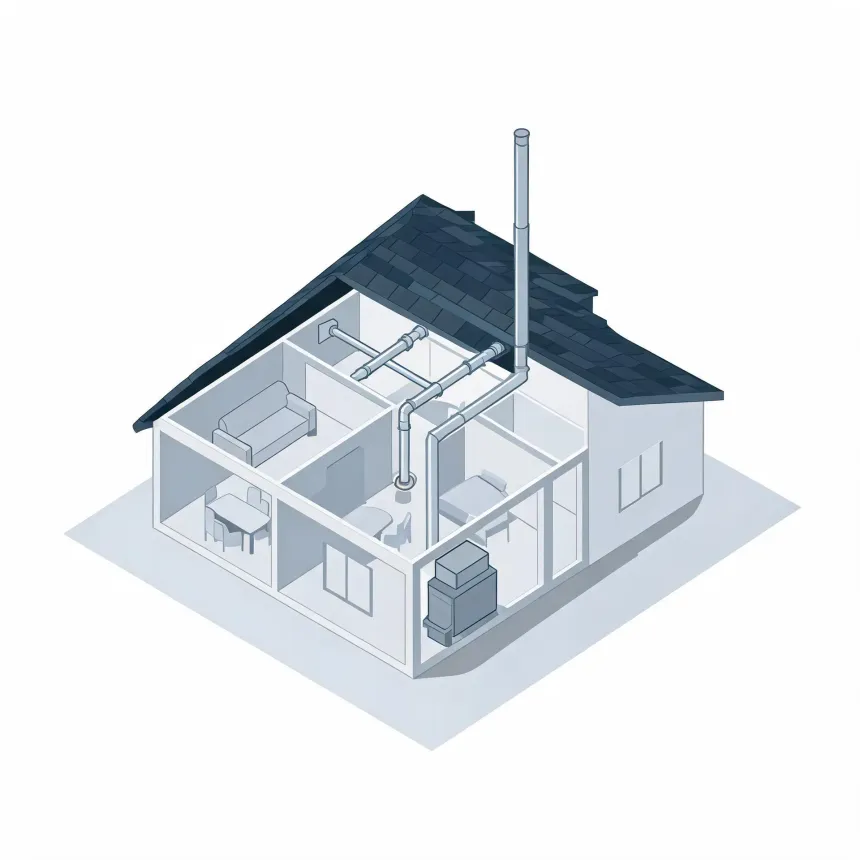
Find a contractorHalf the homes in Sheridan County were built in 1967 or earlier. A furnace going into a house that old is going into ductwork, gas lines and venting that were likely sized for whatever ran here decades ago. The new furnace has to work with what's already in the walls, not with a blank slate. That's worth walking through with the contractor before they quote a unit.
A furnace that fires at full output every time wears harder and overshoots mild days, cycling on and off more than it should. One that stages or modulates matches its output to what the house actually needs that hour. Ask whether the unit quoted has more than one stage, and what that does to how long it runs per cycle.
A furnace sized off square footage alone can end up too big, which short-cycles and never runs long enough to heat evenly. The right way is a load calculation that accounts for insulation, windows and layout. Ask the contractor to walk through how they got to the number, not just what the number is.
Estimates for a typical Sheridan County home, from EIA household energy data, North Dakota fuel prices and NOAA climate normals. Your home will differ.
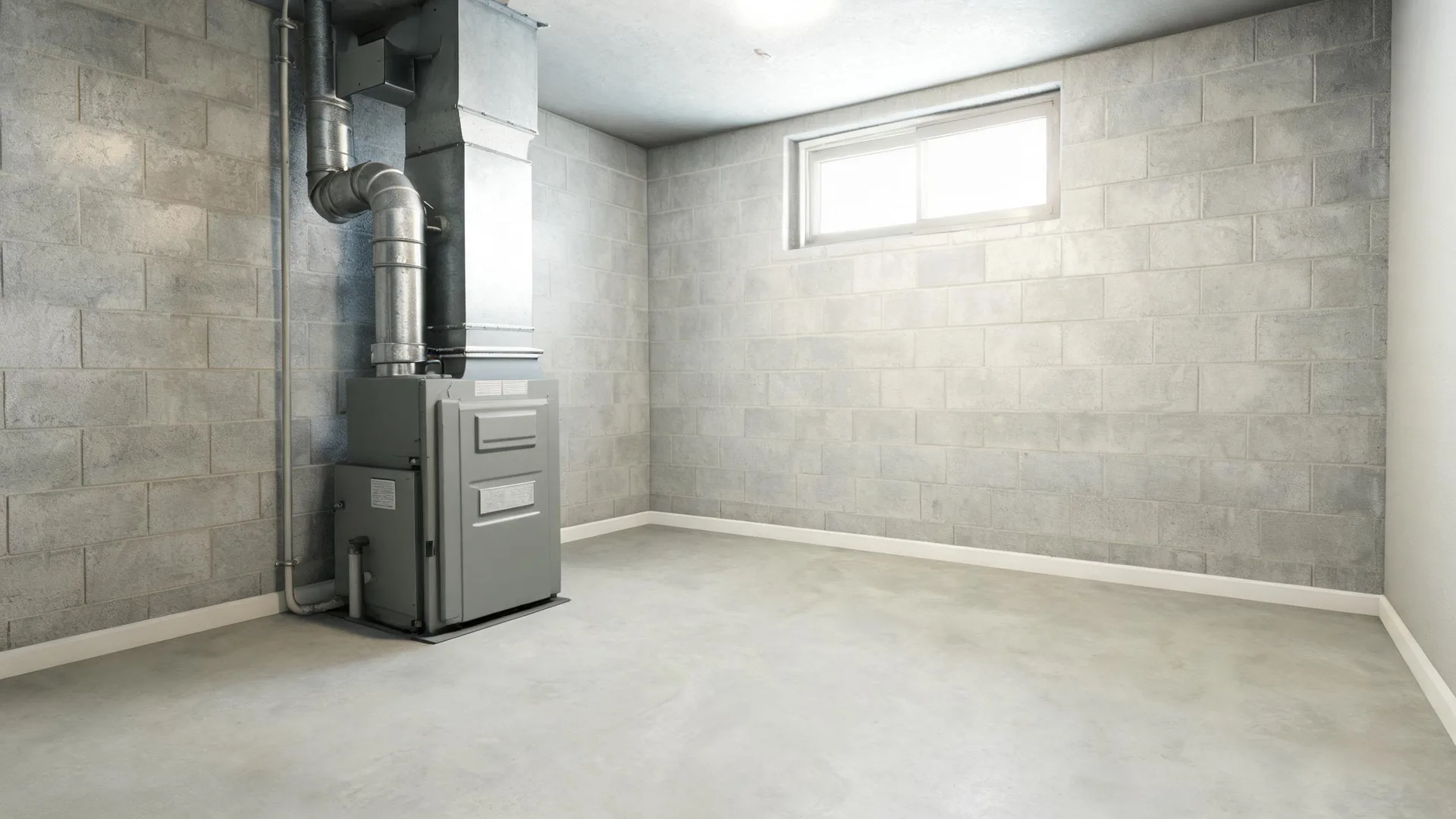
Installation day starts with the old furnace coming out, along with the flue pipe and the old duct transitions attached to it. The contractor should check the gas line and venting before setting the new unit, not after. A new furnace can need a different vent size or a different gas pressure than the one it's replacing. Setting the furnace itself usually doesn't take long. Most of the day goes to connecting it properly, sealing the duct transitions, running the gas line, wiring the thermostat, setting up the venting so it drafts the way it's supposed to. Before they leave, the contractor should fire it up, check the temperature rise across the furnace, and confirm the gas pressure is set right for that unit. A furnace installed right but never tested at startup can still run wrong from day one.