




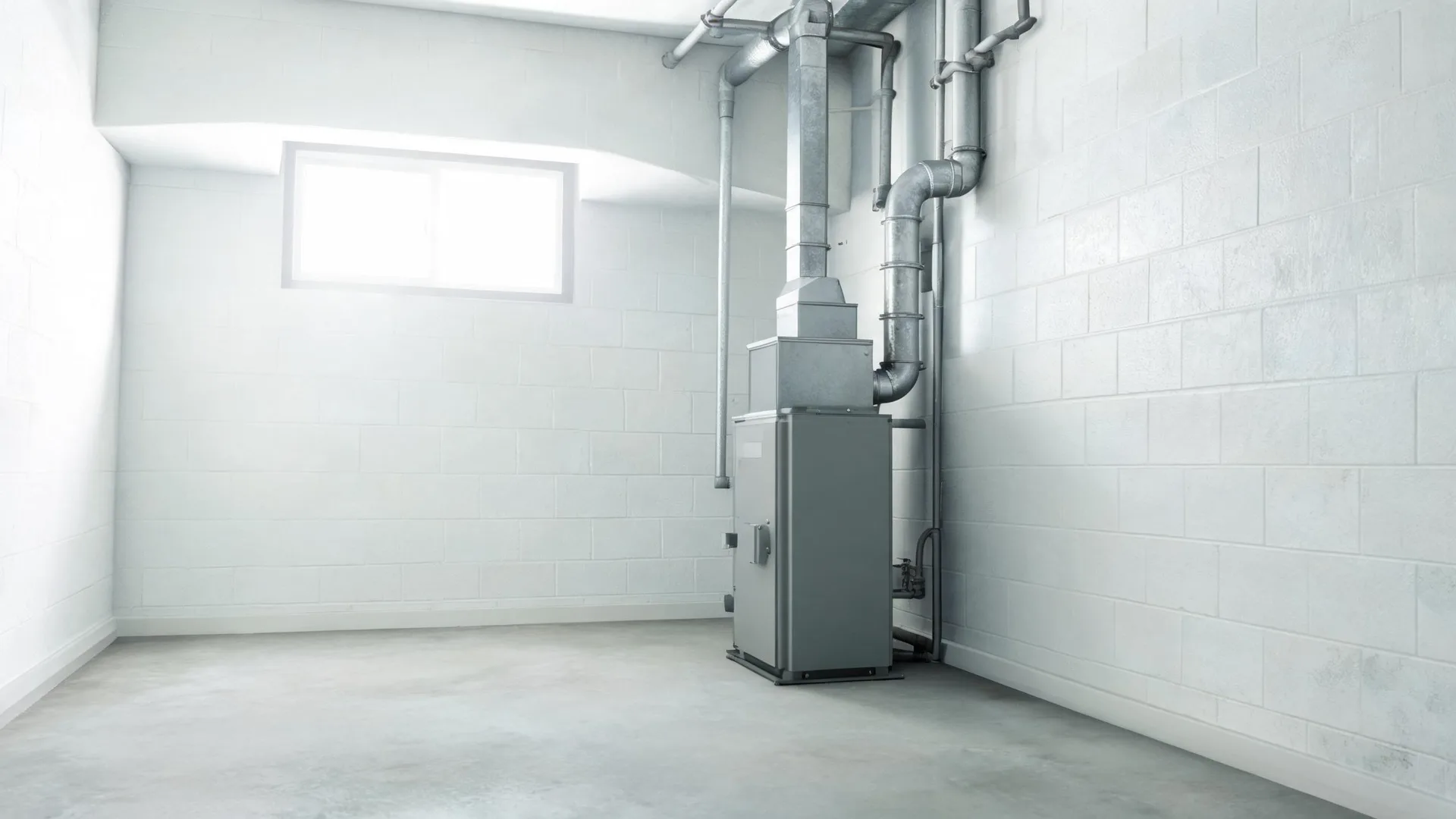
A gas furnace and sheet-metal air handler unit installed in an unfinished concrete basement.

Furnace Installation in Bismarck, ND

Tell us about the job

Takes about a minute. No obligation.

New system or replacementFurnace or heatingBurleigh County, ND
Step 1 of 2

What ZIP code is the job in?

Gas heats 63.6% of the homes in Burleigh County, more than electricity and LP gas combined. If your old furnace burns gas, a new one almost always will too. The gas line, the vent, the fuel setup, all of it is already there, and a contractor can size the right furnace for your house without redoing that work. Electric furnaces and heat pumps show up here as well, in about a quarter of homes, but gas stays the default most people are replacing like for like.

9 months
September through May, your furnace is on duty
5°F
the average winter night it heats against
64%
of homes here heat with gas, so most furnaces here burn gas
80% AFUE
the federal minimum any new unit must meet
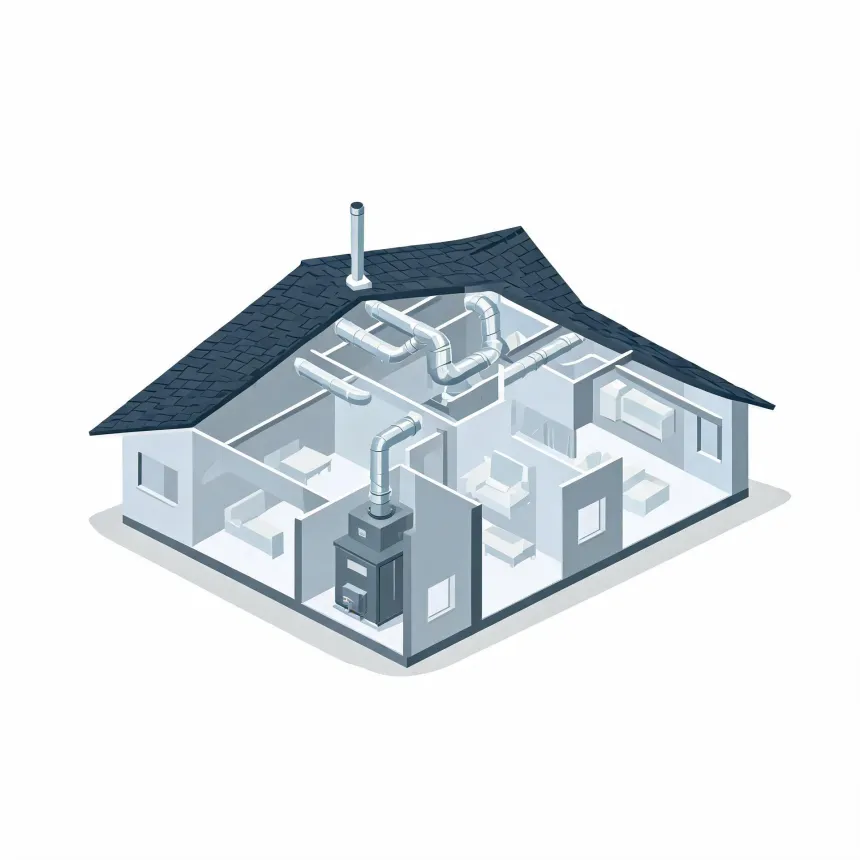
Isometric cutaway illustration of a single-story house showing interior rooms with furniture, a metal ductwork network, and a furnace unit connected to a vertical flue through the dark shingled roof.
Your furnace works hardest from November through March.

NOAA nClimDiv, 1991–2020 normals

Gas runs $8.44 per million Btu here, nothing unusual for the region.

A standard furnace sized for your house is the right call, not an upgrade to chase savings that aren't there.

August, before the heat goes on, is the right time to replace a furnace here

Heat runs September through May
Winter nights average 5°F
Climate zone 6A

Burleigh County sits in zone 6A, a cold climate with winter that runs long. Any furnace going into a home here has to hit at least 80.0 percent AFUE, the federal floor for gas furnaces built since late 2015. Most furnaces on the market today are already built to that number, so it won't narrow what you're looking at. That floor is set to rise later this decade, up near 95.0 percent, but a furnace going in now only has to meet today's minimum.

Nine months of heat a year. Size it for that.

Furnaces here run September through May, and overnight lows average 5°F through December, January and February. A furnace sized right for your house will run most of the year and still keep up on the coldest nights. The cheapest unit on the list isn't built for that kind of year.

Find a contractor
A gray residential gas furnace installed in an unfinished basement, surrounded by ductwork, a metal flue pipe, and a gas supply line.

Nine months a year, for as long as this one lasts

A furnace installed this year will run nine months of most years it's in that house. That's the stretch from September through May, and on the worst nights in January it has to hold a house warm against a 5°F low outside. Get the size wrong, either way, and that long a season will find it out. Too small and it never stops running. Too big and it short cycles, turning on and off instead of settling into a steady run. A contractor sizing this one should be running a load calculation for your house, not matching whatever the old unit was.

The size of the furnace, not the brand

A furnace has to match the heat loss of the house it's going into. Bigger isn't a safety margin here, it's a problem. An oversized furnace heats the air fast, shuts off, and starts again a few minutes later, and that start and stop wears the heat exchanger and the igniter harder than a steady run would. The right size costs what it costs. Buying bigger than that doesn't buy comfort, it buys more cycling.

What the ductwork can take

The furnace pushes air through the ducts already in the house. If those ducts are undersized or leaky, a new furnace has to work against that no matter how well it's built. Sometimes a duct needs opening up or sealing before the furnace can actually deliver what its rating promises, and that work gets priced alongside the unit itself, not instead of it.

A gray forced-air furnace with metal ductwork stands in an unfinished basement with exposed wooden joists, concrete walls, and a single hanging light bulb.

A high-efficiency gas furnace would save about $100 a year to run in Burleigh County compared with a gas furnace.

  • A high-efficiency gas furnace$460 a year
  • A gas furnace$560 a year

Estimates for a typical Burleigh County home, from EIA household energy data, North Dakota fuel prices and NOAA climate normals. Your home will differ.

Install day starts with the old furnace coming out. A contractor disconnects the gas line, the vent, the ductwork and the wiring, then pulls the unit before setting the new one in its place. Once it's set, the work is in the connections. The gas line gets hooked up and tested for leaks. The vent gets checked for the right pitch and clearance so exhaust actually leaves the house instead of backing up. The ductwork gets sealed to the new cabinet, since furnace dimensions vary and the old connection point rarely lines up exactly. The last part is startup and airflow. A tech fires the furnace, checks the temperature rise against what the manufacturer specifies, and adjusts the blower speed to match the ductwork it's pushing air through. That reading matters more than whether the furnace turns on. A furnace that lights but moves too much or too little air will run hotter or cooler than it should for as long as it's in that house.