




A snow-covered small-town street at dusk, with lit white clapboard houses, bare trees, and a grain elevator silhouetted against an orange and blue twilight sky.

Furnace Installation in Jamestown, ND

Tell us about the job

Takes about a minute. No obligation.

New system or replacementFurnace or heatingStutsman County, ND
Step 1 of 2

What ZIP code is the job in?

Natural gas ran $8.44 per million Btu across North Dakota homes in 2024. That number sets the bar for every furnace installed in Jamestown, since gas is what most houses here burn to stay warm. A furnace that wastes heat up the flue is burning dollars at that rate every time it fires. Winters here are long and hard, so this isn't a unit that runs a few weeks a year and gets a break. It's working most months, and the efficiency rating on the one you install decides how much of that gas turns into heat in your house versus heat lost to the outdoors.

9 months
September through May, your furnace is on duty
4°F
the average winter night it heats against
80% AFUE
the federal minimum any new unit must meet
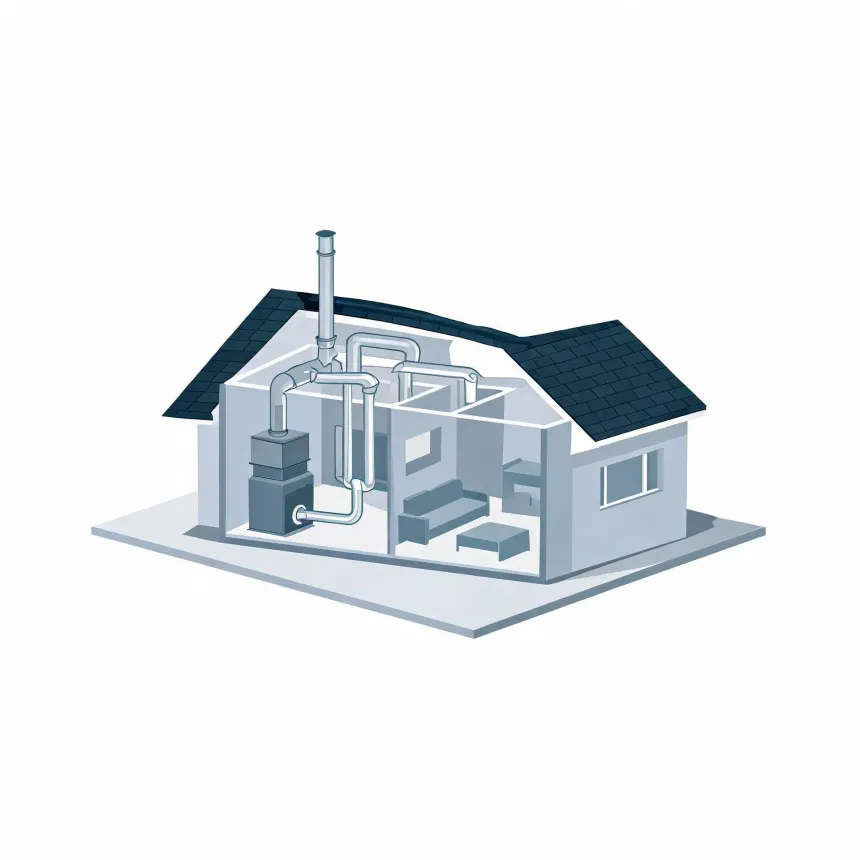
Isometric illustration of a cutaway single-story house showing a gray furnace unit, connected ductwork, and a vertical flue extending above the dark shingled roof.
Your furnace works hardest from November through March.

NOAA nClimDiv, 1991–2020 normals

A furnace in Stutsman County runs about nine months of the year, September through May.

Size this installation for that kind of use, not for a mild climate's spec sheet.

Half these homes were built by 1973, and the furnace has to work with what's already there

Half the homes here were built by 1973
Heat runs September through May
Winter nights average 4°F
Gas Is the Default Choice HereNearly half of Stutsman County homes heat with utility gas, more than any other fuel.

Heat starts in September here, which makes August the month to get a new furnace in. Wait until the first cold snap and you're choosing from whatever's in stock, on whatever schedule a contractor can fit you into. Do it in August and the install happens on a day that works for you, with time to size it right and test it before it has to run. That matters more here than most places, since this furnace won't get a break once it starts. It runs September through May, then it's done until next fall.

The Rating You Pick Is What You'll Pay All Winter

Ask what AFUE rating the installer is quoting before you decide. That number says how much of every dollar of gas becomes heat in your house instead of heat lost up the flue, and the $8.44 per million Btu gas runs at doesn't change based on which one you pick. A furnace that runs most of the year here will show you the difference on the bill long before it shows up anywhere else.

Find a contractor
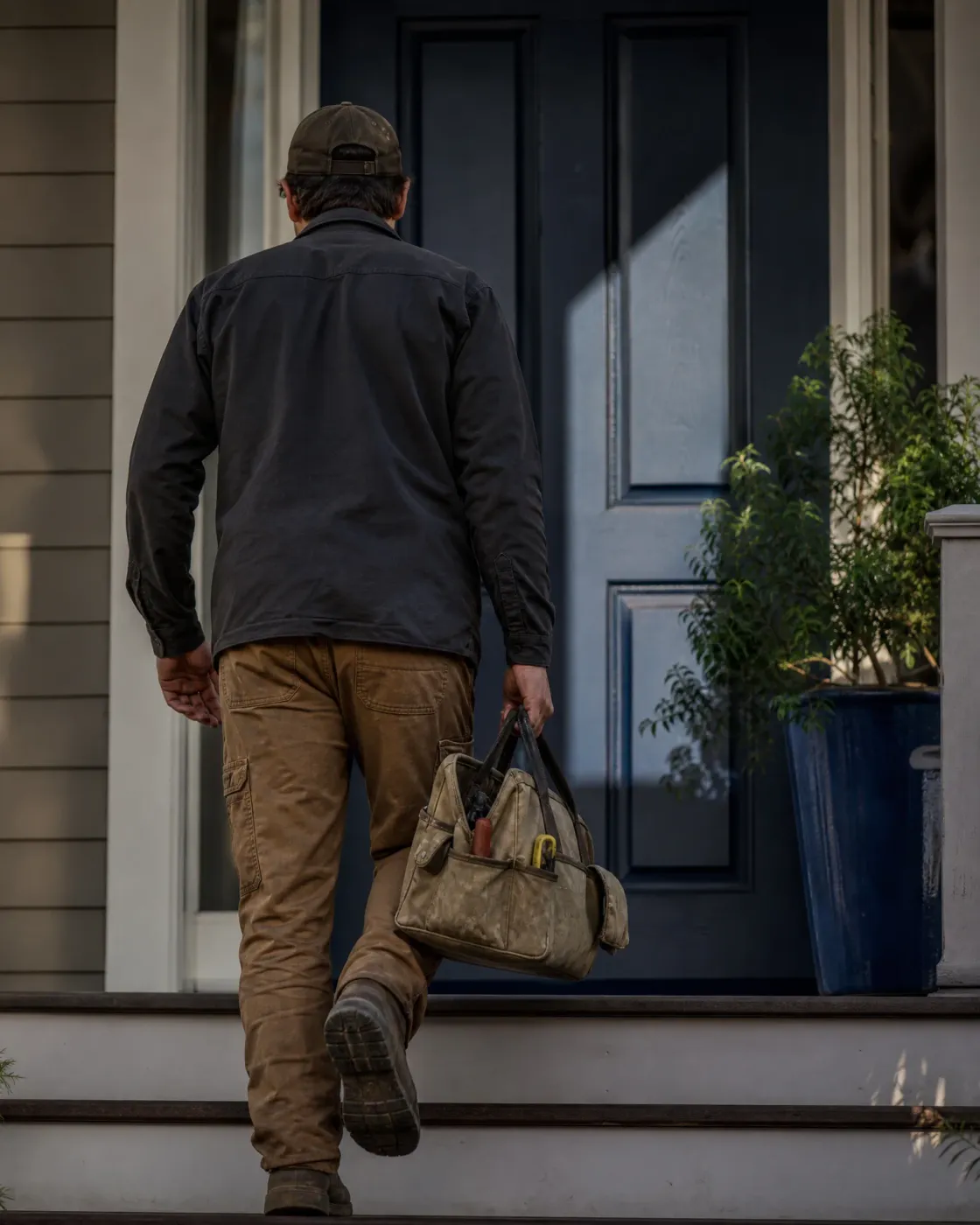
A man in a cap, dark jacket and tan work pants walks up porch steps toward a dark blue paneled door, carrying a canvas tool bag with tools in its outer pockets, beside a potted shrub.
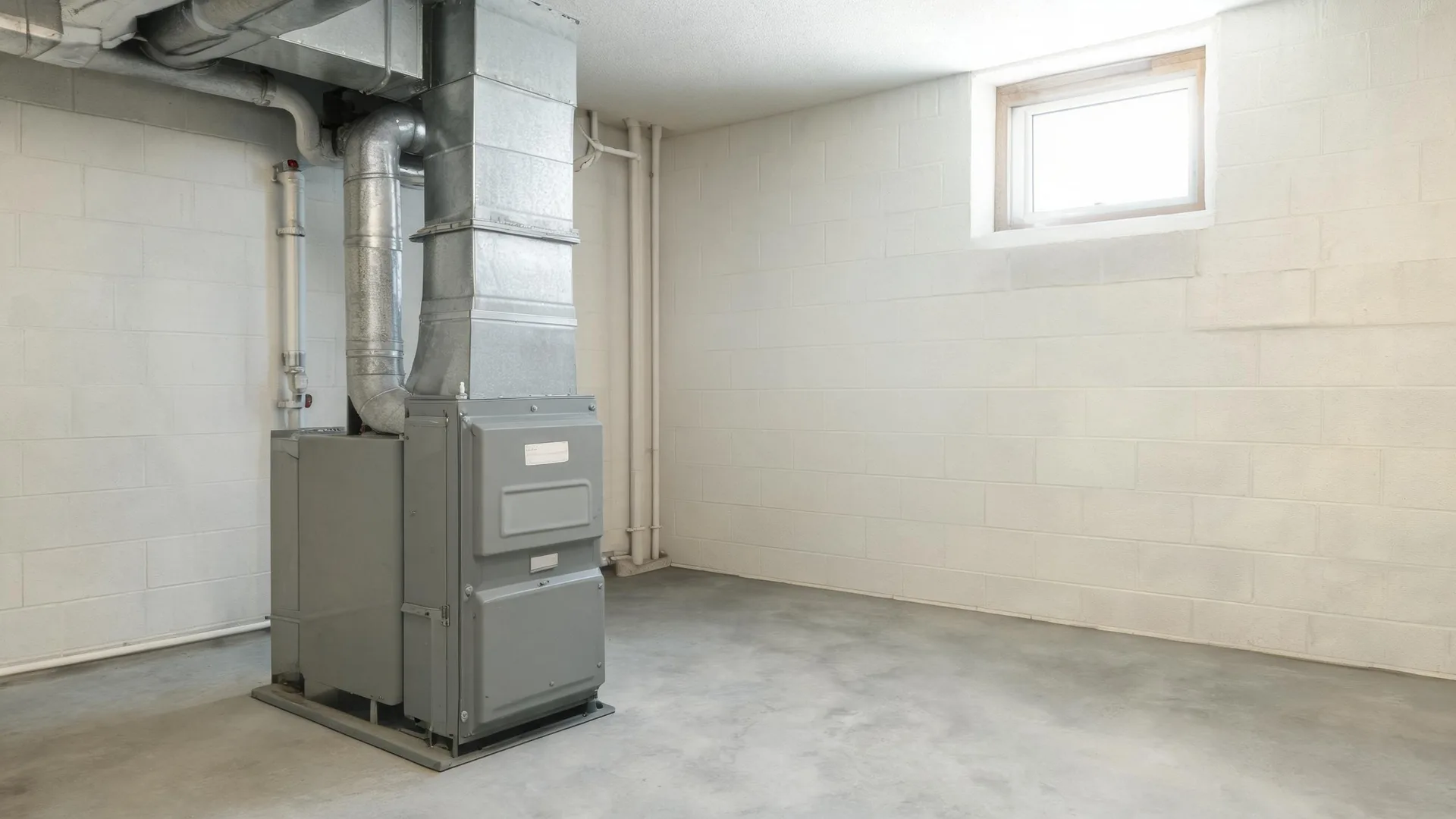
A gray gas furnace with attached ductwork and piping installed in an unfinished concrete basement.

This Furnace Will Outlast the Install Day Decisions

If your furnace is original to the house, get the ductwork looked at before you pick a unit size. A furnace sized for a different system, or installed before an addition went on, won't match what the house needs now. The contractor sizing this one should be measuring your house, not copying the number off the unit you're replacing.

Bigger Isn't Better

A furnace too big for the house turns on, blasts heat, and shuts off again before it's pulled moisture out of the air or warmed the place evenly. That short cycling wears out the ignition system and the blower motor faster, and the house ends up with cold corners anyway because the air never had time to circulate. The right size runs longer, steadier stretches, which is what actually heats a house through.

The Math Behind the Number

Sizing a furnace right means a room by room heat loss calculation, not a guess based on square footage. The contractor needs to account for window area, insulation, ceiling height, and how much outside wall the house has, since two houses the same size can need very different furnaces. If anyone sizes your furnace by matching the number stamped on the old unit, that number may have been wrong from the first install, or wrong for the house as it stands today.

An unfinished basement featuring concrete block walls, exposed floor joists, and a metal forced-air furnace with ductwork near a central pillar.

A high-efficiency gas furnace would save about $100 a year to run in Stutsman County compared with a gas furnace.

  • A high-efficiency gas furnace$470 a year
  • A gas furnace$570 a year

Estimates for a typical Stutsman County home, from EIA household energy data, North Dakota fuel prices and NOAA climate normals. Your home will differ.

Installation day starts with the old furnace coming out, along with the flue pipe and gas line connections feeding it. The installer checks the gas line, the venting, and the electrical before anything new goes in, since a new furnace still has to work with what's already running to it. Setting the unit means leveling it, connecting the ductwork, running the gas line, and wiring it into the thermostat. Once it's in, the venting gets connected and sealed, because a leak there puts exhaust where it doesn't belong. The last part is startup and testing: firing the burners, checking the flame, and making sure the blower is moving air the way it should before anyone calls it done. A furnace that passes that test on day one is the one that won't strand you on the coldest morning of the year.