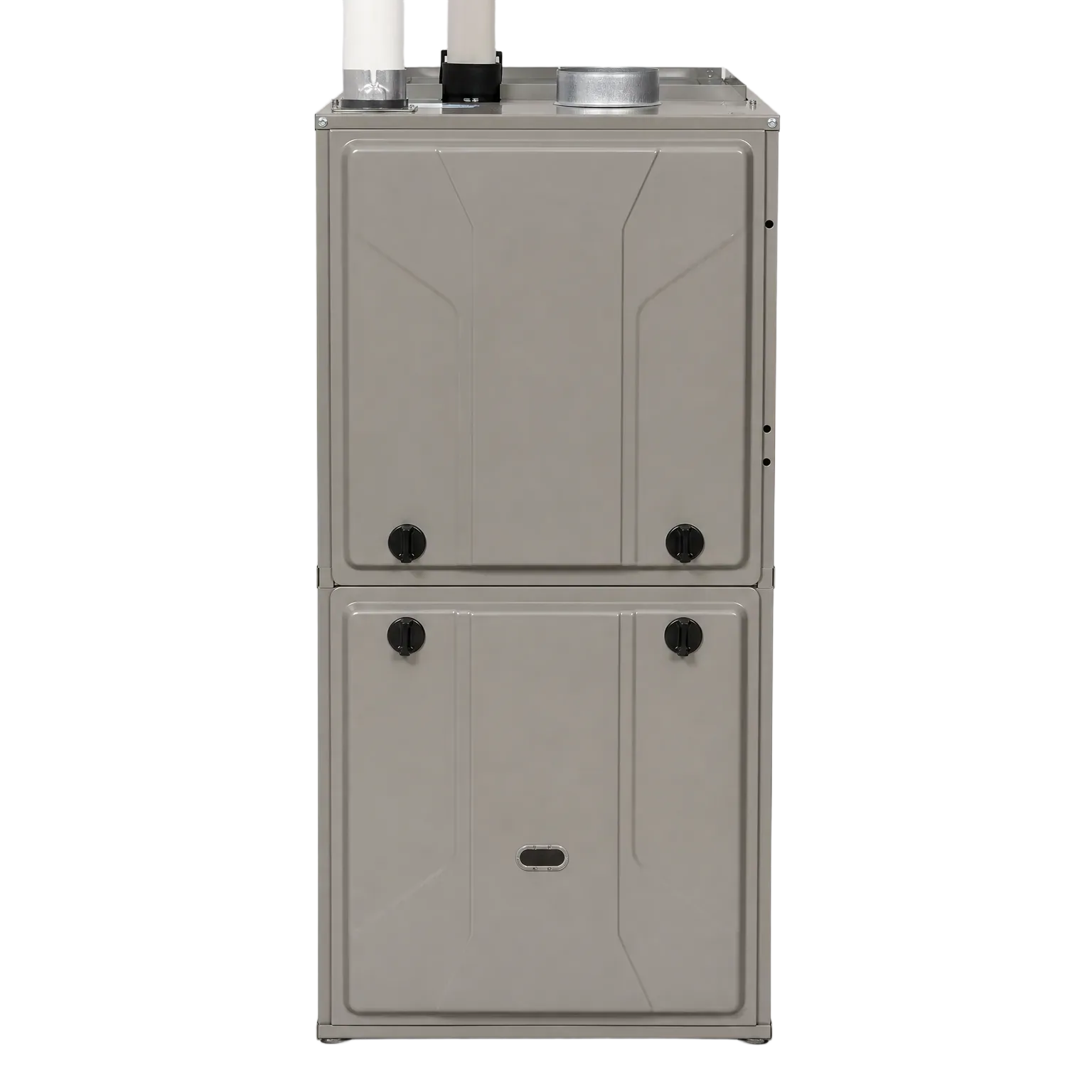
A furnace lighting the way it should
The burners catch on the first try, every time you call for heat. The flame sensor reads a steady flame and holds the gas valve open. No clicking, no delay, just warm air moving through the ducts within a minute.
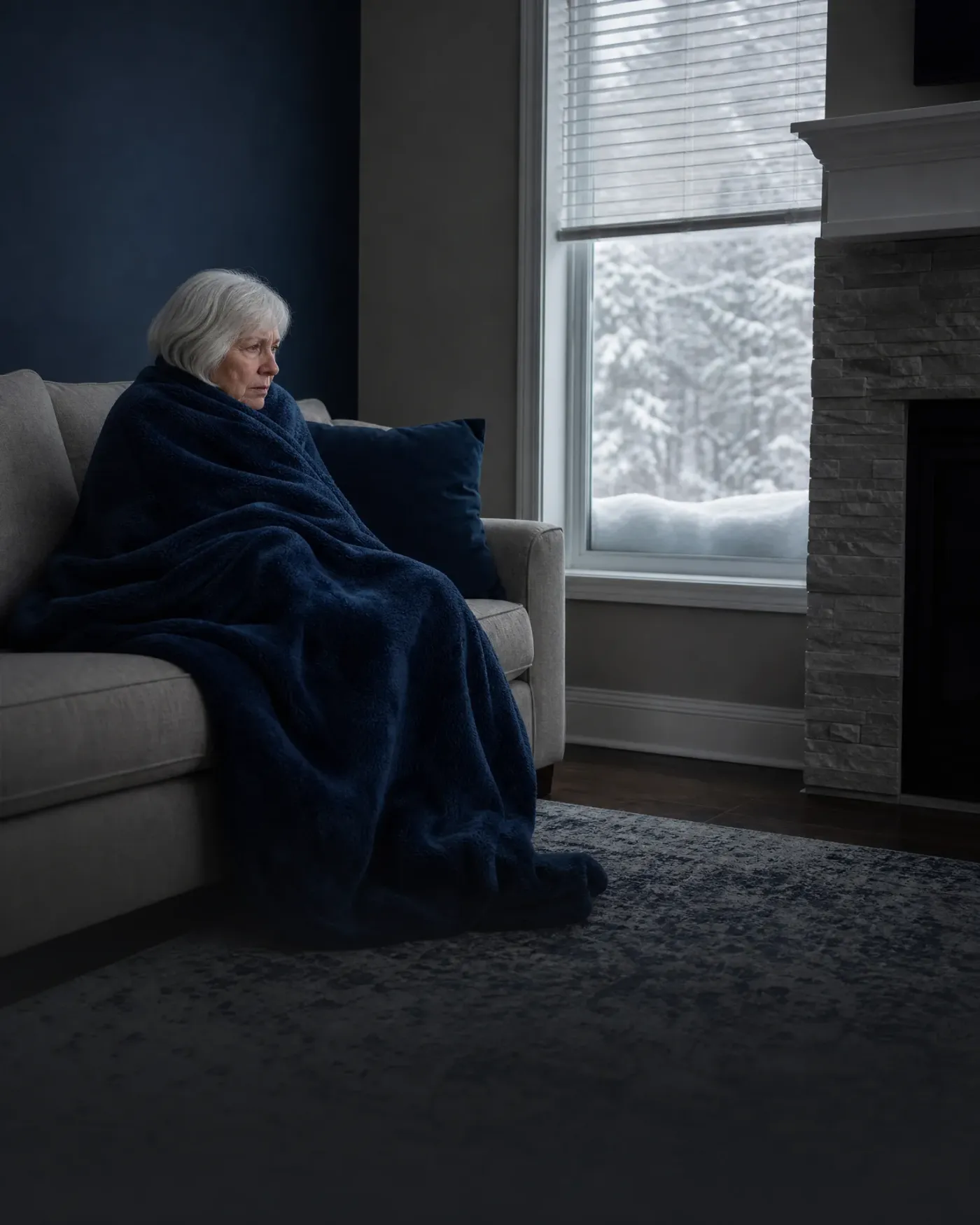
Cold mornings in Stutsman County are when this call comes in most. You go to the thermostat, it's set right, you can hear the furnace trying, and nothing catches. No heat coming out of the vents. In a Jamestown winter that's not something to sit on for long, and most people who've been through it before know to check the simple things first before they call anyone.
Most furnaces around Jamestown use a hot surface igniter instead of a standing pilot light. That igniter glows to light the gas, and after enough winters of heating and cooling it cracks and stops working, the same way a light bulb burns out. If the furnace tries to start, runs for a few seconds, then shuts off, the flame sensor is the more likely cause. It's a small rod that confirms a flame is burning, and soot builds up on it over a season of use until it can't sense the flame anymore. The furnace reads that as no flame and cuts the gas for safety. Either way, the fix is replacing or cleaning a part, not the whole furnace.




You hear the inducer motor start up, maybe a click or two from the igniter, then silence where the flame should be. Sometimes it tries again a minute later and still nothing. The thermostat screen looks normal. No error light, or one you can't read. Walk past a vent and feel nothing but room-temperature air, or cold air pushed through by the blower. On a January morning in Stutsman County that's not a small thing to ignore. A house with no gas heat loses warmth fast once the outside temperature drops well below freezing, and pipes along outside walls are the first to feel it. A furnace that won't light once and then does usually keeps failing until something is actually fixed.

The burners catch on the first try, every time you call for heat. The flame sensor reads a steady flame and holds the gas valve open. No clicking, no delay, just warm air moving through the ducts within a minute.

Dust has built up around the burners and the flame sensor over years of use. The igniter glows weaker than it used to, or the sensor can't detect the flame through the grime. Either one ends with the gas valve shutting back off.
Winter nights average 4°F
Winter nights here average 4°F. A furnace that won't light at that temperature is not a minor nuisance, it's a problem you have to solve the same day.
Heat runs September through May
Heat runs here from September through May. That's most of the year your furnace has to work, so a failure to light isn't a one-off, it's likely to happen again before spring.
48.8% of homes heat with gas
Gas heats 48.8% of homes in Stutsman County, more than any other fuel. When a gas furnace won't light, there's no backup system already in the house to fall back on.
NOAA nClimDiv 1991-2020 · ACS 2020-2024
The flame sensor is a thin metal rod sitting in the burner flame. Once the burners light, it reads the flame through a tiny electrical signal called microamps. If that signal doesn't come back strong enough, the control board shuts the gas valve again, even though the igniter worked and the burners caught for a second. A coated or worn sensor can't read the flame right, so the board treats a lit furnace as an unlit one and shuts it down to be safe.
Most furnace control boards are built to try lighting the burners three times before they lock out. Each attempt runs the inducer motor, opens the gas valve, and fires the igniter in sequence. If the flame isn't sensed each time, the board stops trying rather than keep feeding gas into the burner chamber with nothing lighting it. That lockout is a safety step, not a breakdown on its own, and it usually needs a reset once whatever stopped ignition gets fixed.


Explain the furnace problem once instead of to every shop in Stutsman County.
Asking costs nothing, and the choice to hire stays yours.
Ignition on a gas furnace is a sequence, not one event, and the control board checks each step before it moves to the next. First the draft inducer motor starts pulling air through the vent. A pressure switch has to sense that airflow and close, telling the board the vent is clear. Only then does the board send power to the igniter. On most furnaces built in the last couple decades, that igniter is a hot surface igniter, a ceramic strip about the size of a matchstick. It needs several seconds of steady current to glow hot enough to light gas, and it only gets one short window to do it. If the igniter is cracked, or weak from age, it may glow dim and never reach that temperature, or it may reach it too slowly and the board moves on without opening the gas valve. The gas valve itself won't open until the board sees the igniter is hot. No glow, no gas. If gas does flow but the flame sensor doesn't pick up a flame within a few seconds, the board shuts the valve again rather than let gas keep flowing with nothing burning it. After three failed attempts, most furnaces lock out entirely and need the thermostat reset to try again. That lockout isn't a malfunction. It's the board refusing to keep sending gas to a burner that isn't lighting, which is exactly what you want it to do.
At 4 below zero overnight, your furnace isn't cycling on and off a few times to keep the house comfortable. It's running long stretches just to hold steady, and every one of those stretches depends on the igniter catching the first time it's asked to.
NOAA nClimDiv 1991-2020
A furnace that won't light almost always comes down to one weak link in the ignition sequence: the igniter, the flame sensor, the gas valve, or the control board reading something wrong and shutting the whole thing down before it lets gas through. You don't need to know which one it is before you call. You need someone who can check all four in the order the furnace checks them and tell you straight which one failed. That's the part that takes time when you're on your own, calling around Stutsman County in the cold, explaining the same clicking-but-no-flame problem to three different shops, waiting on callbacks, trying to compare quotes for a repair you can't fully describe yet. Getting matched with a contractor skips that part. You explain it once, to someone who comes out and looks at the actual furnace, in the actual house, on a morning when the house is getting cold and you don't have days to sort it out. The furnace still has to be fixed. But you're not the one running down who can fix it.





Describe what your furnace is doing once, in one form.
No fee to send it, and nothing to sign.