





An unfinished basement containing a gas furnace with ductwork in the foreground and miscellaneous stored items along the far concrete wall.

Furnace Installation in Elgin, ND

Tell us about the job

Takes about a minute. No obligation.

New system or replacementFurnace or heatingGrant County, ND
Step 1 of 2

What ZIP code is the job in?

Propane ran $17.33 per million Btu in North Dakota last year. That's the price a furnace in Elgin burns against all winter, not just on the coldest days. An old furnace has to burn more propane to put out the same heat, and at that price the difference shows up fast on a bill. A furnace with a higher AFUE rating uses less fuel to do the same job, so that number matters more here than it would somewhere with cheaper gas. Worth asking any contractor what AFUE they're quoting and what it means for propane use over a full winter.

9 months
September through May, your furnace is on duty
7°F
the average winter night it heats against
80% AFUE
the federal minimum any new unit must meet
Isometric cutaway illustration of a small house showing a furnace unit connected to ductwork and a vertical flue pipe extending through the dark shingled roof, with sparse furniture in the rooms.
Your furnace works hardest from November through March.

NOAA nClimDiv, 1991–2020 normals

Furnaces in Elgin run nine months a year, September through May, with overnight lows averaging 7°F in January.

A new furnace here needs to be sized for real North Dakota winters, not just rated for them.

Most homes in Grant County heat with propane, so a new furnace here should burn it well

56.1% of homes heat with propane
Heat runs September through May
Winter nights average 7°F

Ask for the AFUE number in writing before the work starts, not after. A contractor quoting a higher AFUE furnace against a lower one is quoting two different propane bills for the same winter at that price. Get both numbers for the same equipment size, since a furnace sized wrong for the house burns more propane no matter what the rating says. The sizing comes from a load calculation on the house itself, not a guess based on the old furnace. Worth getting that in writing too.

Size the new furnace to the house you have, not the one next door

Half the homes in Grant County were built in 1962 or earlier. A load calculation for a furnace replacement should be based on the house as it stands now, not on what the old furnace was rated for or what a newer home nearby needs. Ask the contractor to run that calculation before they quote a size.

Find a contractor
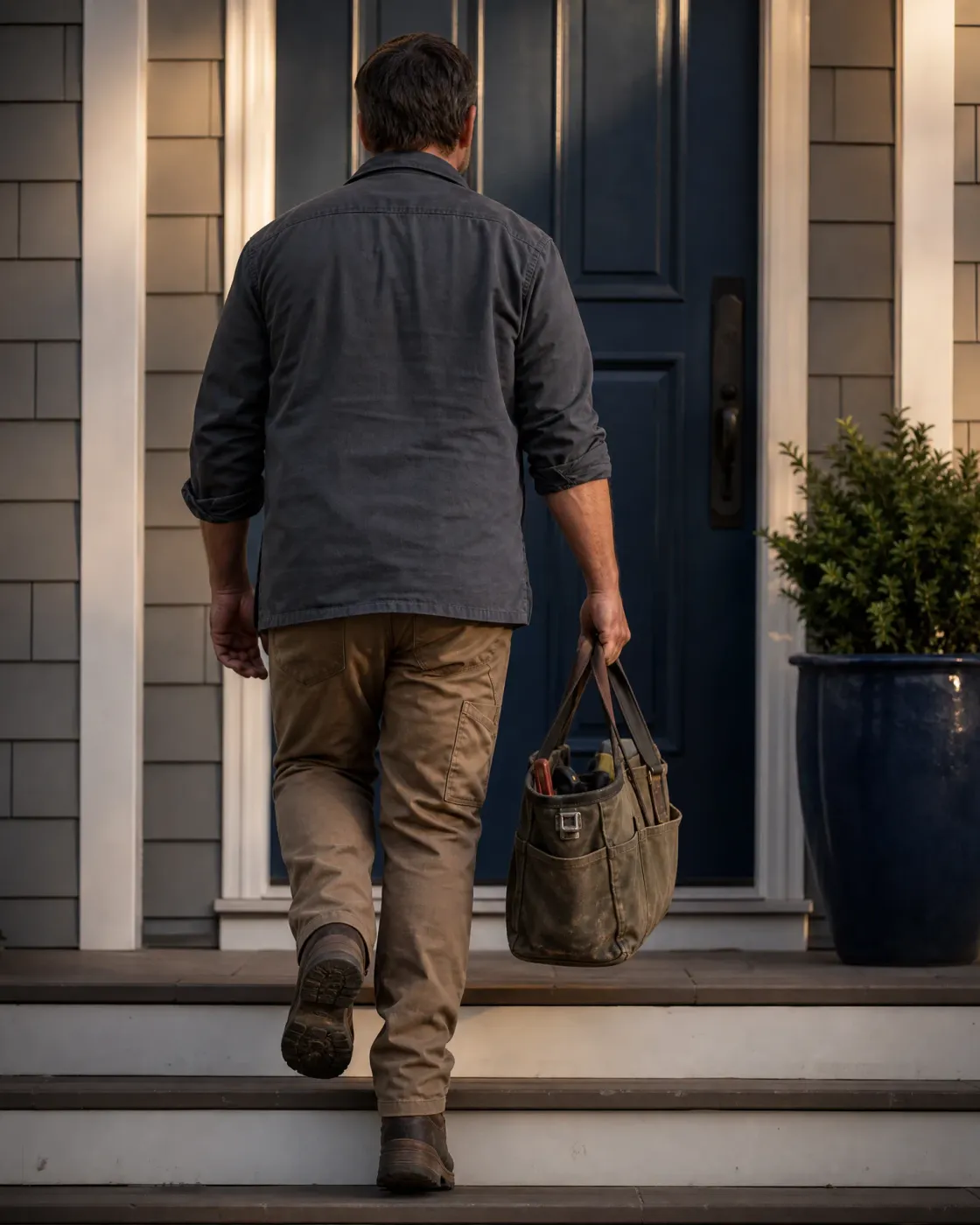
A man in a gray shirt and tan work pants, seen from behind, climbs porch steps toward a dark blue front door while carrying a canvas tool bag, with a potted shrub to the right.
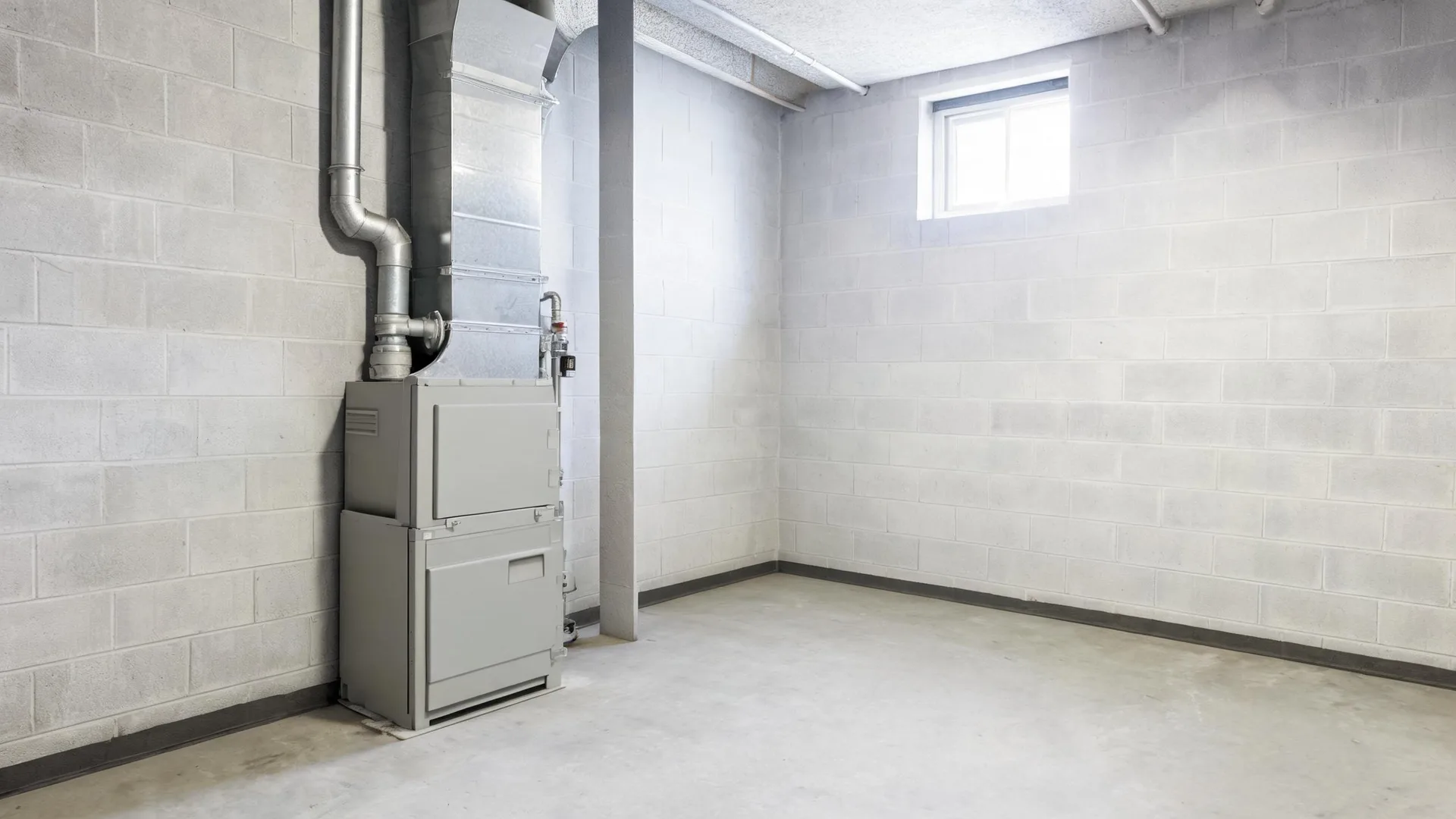
A gray residential gas furnace installed in an unfinished basement, surrounded by ductwork, a metal flue pipe, and a gas supply line.

August is the month to do this, before heat season starts

Furnaces in Grant County run nine months a year, from September through May. August is the last month before that starts. A furnace put in during August gets to run through a full winter from the start, instead of going in during the first cold snap with the old one already failed. That's worth planning around here, where the season runs long and starts early.

Ask what the warranty actually covers

A furnace warranty usually splits into parts and labor, and they don't run the same length. The manufacturer covers the heat exchanger and other parts for a set period, but labor coverage often comes from the installing contractor and can run much shorter. Ask what happens if the igniter or blower motor fails after that labor coverage ends. If the answer is parts only, the service call still comes out of your pocket.

Ask who pulls the permit and does the inspection

A furnace installation should get inspected by the local building authority, not just signed off by the contractor who did the work. The permit means someone outside the job checks the venting, the gas line, and the clearances before it's buried behind a wall. A contractor who skips this step, or talks you out of it, is cutting a corner that matters most the one time something goes wrong with the exhaust.

A gray forced-air furnace with sheet-metal ductwork stands in an unfinished basement with exposed wooden joists, concrete walls, and a hanging incandescent bulb.

A high-efficiency propane furnace would save about $180 a year to run in Grant County compared with a propane furnace.

  • A high-efficiency propane furnace$860 a year
  • A propane furnace$1,040 a year

Estimates for a typical Grant County home, from EIA household energy data, North Dakota fuel prices and NOAA climate normals. Your home will differ.

Installation day starts with the old furnace coming out, not the new one going in. A contractor disconnects the gas line, the venting, and the ductwork connections before any new equipment gets set in place. The new furnace gets set, leveled, and connected to the existing ductwork, then the gas line and venting get run to it fresh in most cases rather than reusing old connections. Once it's hooked up, a contractor checks gas pressure, tests the ignition, and confirms the blower is moving air the way it should. The last step is a draft test on the venting, making sure exhaust is actually leaving the house instead of backing up. A job done right ends with the contractor walking the house with you, showing where the shutoff is and what the thermostat is doing differently.