





An unfinished basement interior showing a gray furnace unit beneath a bare incandescent bulb, surrounded by exposed joists, concrete walls, cardboard boxes, and utility pipes.

Furnace Installation in Napoleon, ND

Tell us about the job

Takes about a minute. No obligation.

New system or replacementFurnace or heatingLogan County, ND
Step 1 of 2

What ZIP code is the job in?

Taking out the old furnace is part of the job, not an extra step. The installer disconnects the gas line and caps it, pulls the electrical, and detaches the venting before the unit comes out. If the old furnace runs on a chimney liner or an old style vent, the new one will likely need a different setup, since most new furnaces vent through the sidewall with plastic pipe instead. The old ductwork usually stays, but the installer should check the transition where it meets the new unit, since furnace sizes and connection points vary. Whatever gets pulled out, a licensed installer disposes of it. You shouldn't be left with a furnace sitting in the yard.

9 months
September through May, your furnace is on duty
5°F
the average winter night it heats against
80% AFUE
the federal minimum any new unit must meet
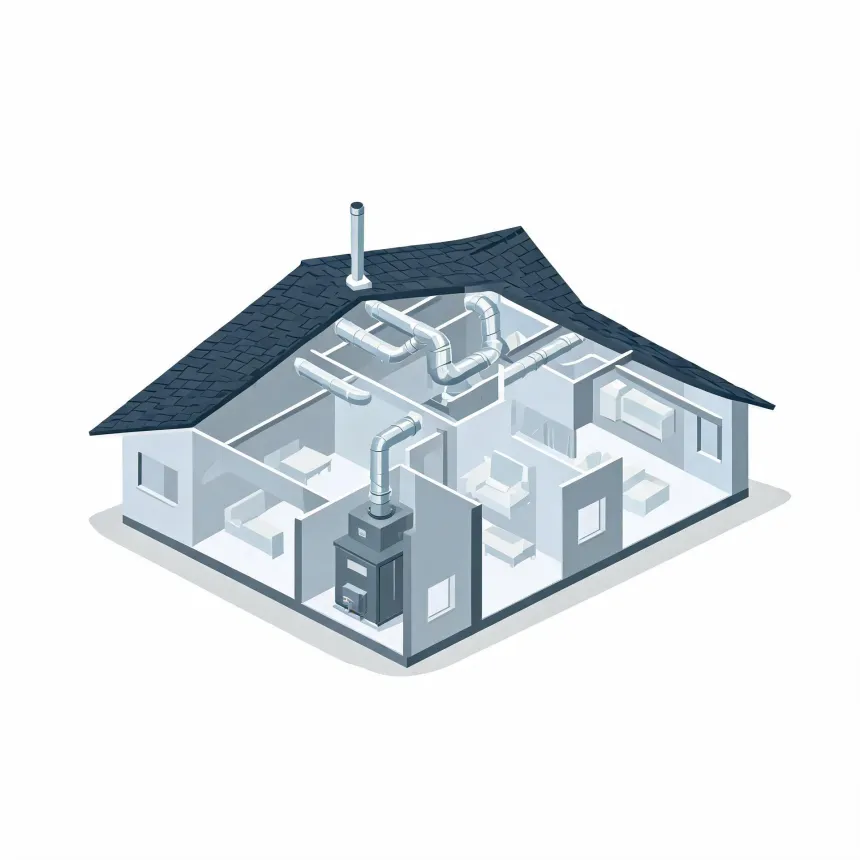
Isometric cutaway illustration of a single-story house showing interior rooms with furniture, a metal ductwork network, and a furnace unit connected to a vertical flue through the dark shingled roof.
Your furnace works hardest from November through March.

NOAA nClimDiv, 1991–2020 normals

Half the homes in Logan County went up in 1967 or earlier.

A furnace going into a house that old has to match the ductwork and venting already there, not some standard layout.

Nine months of heat, down to 5 below. This furnace doesn't get a break.

Heat runs September through May
Winter nights average 5°F
Climate zone 6A
Get it done before SeptemberHeat runs September through May here.

The efficiency rating on the label tells you how much of the fuel burns into heat for the house and how much goes out the vent. A higher rated furnace pulls more heat out of the same flame before letting the exhaust go, which is why those models vent through plastic pipe instead of a metal flue, the exhaust is cool enough for it. A lower rated furnace is simpler, with fewer parts to fail, but it sends more heat up the vent unused. Neither rating says anything about how big a furnace you need. Sizing comes from the house, the ductwork, and how much heat it takes to keep the place warm on the coldest day, and a furnace that's oversized for the house wastes fuel no matter what the label says.

Get the new furnace matched to the house before it goes in

If your place is on the older side of the county, have the installer confirm the duct connections and venting match the new furnace before it's set. That's the check that keeps an install from turning into a bigger job once the old one's already out.

Find a contractor
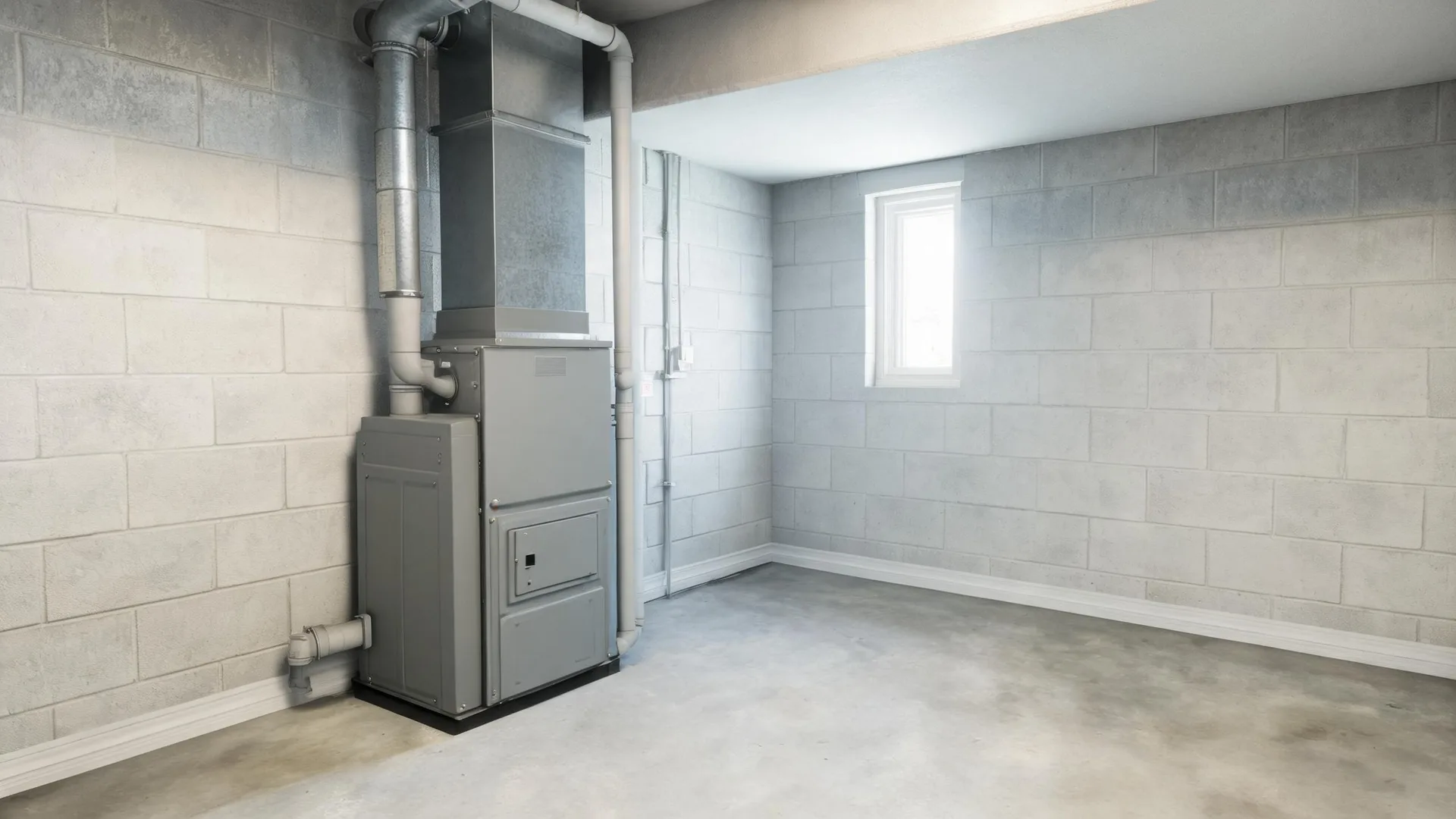
A gray high-efficiency gas furnace installed in an unfinished basement, surrounded by gas lines, a condensate drain, and sheet-metal ductwork.

What changes the job changes the price

What a furnace costs to put in comes down to how much has to change to make the new one fit. A straight swap, same fuel, same vent type, same spot, is the simplest version of this job. Once the vent type changes, the installer is running new pipe through the wall or roof, and that's labor the old system didn't need. If the gas line needs resizing for the new unit, that's another trade showing up. Ductwork drives it too. A transition that doesn't line up with the new cabinet means building a new one instead of reusing what's there. Bigger furnaces, higher efficiency models, and furnaces going into tight mechanical rooms all take more time to set, connect, and test before the installer can call it done.

Sizing is a calculation, not a guess from square footage

A load calculation looks at the walls, the windows, the insulation, and how the rooms connect, then works out how much heat the house loses on the coldest day. That number is what the furnace has to replace. An installer who skips this and just matches the old unit's size is copying a number that might have been wrong to begin with.
Bigger isn't safer, it's worse

An oversized furnace heats the house fast, shuts off, then starts again a few minutes later. That short cycling keeps the heat exchanger from ever reaching a steady temperature, wears the ignition parts faster, and leaves cold spots because the air never runs long enough to mix through the ducts. The right size runs longer stretches at a steady output, which is what actually keeps a house even.

Nine months of heat a year means this furnace runs more hours than one in most other places, so get the sizing right before anything else. Ask what load calculation the installer ran on your house, not the old unit's number carried over. On efficiency, the higher rated models and the simpler ones both hold up to this kind of run time, so don't let the label alone decide it. What matters more is whether the quote is sized to your house or just matched to what was there before. Get a few quotes, and ask each installer to show the load calculation behind the number, not just the number.

Install day starts with the old unit gone and the space open, so the first real step is setting the new furnace in place and leveling it before anything gets connected. Gas gets hooked up and leak tested before the installer moves on, not after. The venting gets run and sealed, then the ductwork ties in at the transition. Electrical and the thermostat wire come next, low voltage first, then power. Once everything's connected, the installer fires it up, checks the flame, checks the temperature rise across the heat exchanger, and watches how it cycles. A furnace that looks done but hasn't been run through a full cycle isn't actually finished, the gas pressure and airflow still need checking while it's working, not just sitting there connected.