

Cold is the whole question here
Winter nights in Logan County average 5°F, and about 190 nights a year dip to freezing or below. Forty of those reach 0°F or colder. A standard heat pump starts losing heating capacity below 40°F, and below about 35°F it usually needs backup heat to keep up. Here, every single one of those 190 freezing nights falls under both marks. That's not a cold snap a couple times a winter. That's most of the heating season.
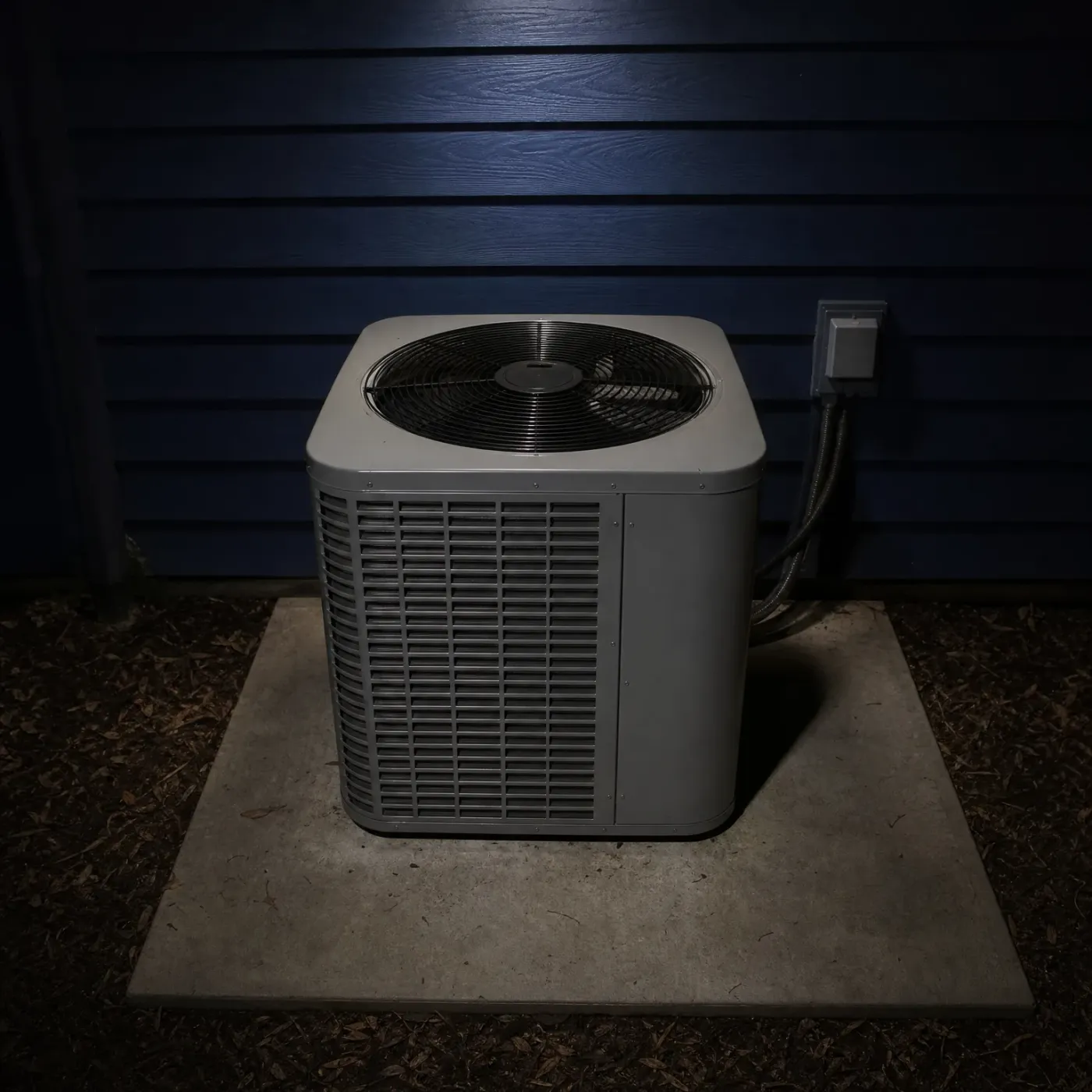
A heat pump built to the ENERGY STAR Cold Climate spec is tested to hold at least 70 percent of its 47°F capacity at 5°F, and still make more heat than the electricity it uses at that temperature. A standard heat pump isn't built or tested to that mark. If you're going to run a heat pump through a Logan County winter, the cold climate version is the one worth looking at. The standard kind will lean on backup heat for a good part of the season, on this county's numbers.
Field testing on cold-climate heat pumps in occupied homes found backup heat carried only a small share of the load between 0°F and 35°F, and running on backup alone was rare even above 0°F. That's the newer equipment, tested through real winters, not the federal minimum machine the running-cost figures are built on. The gap between the two matters more in a county where the average low is 5°F than it would somewhere milder.