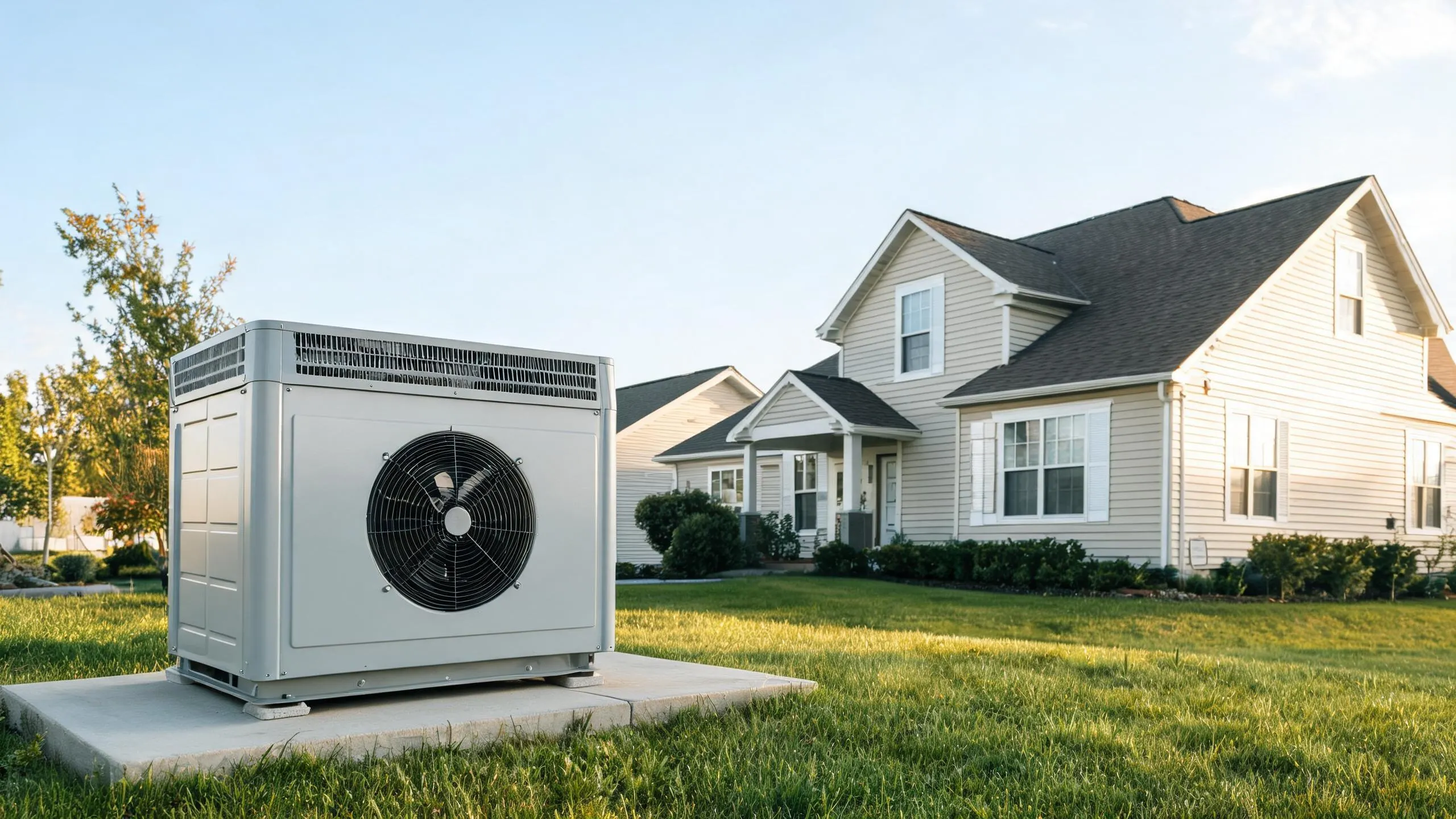
An outdoor heat pump unit mounted on a concrete pad in the front yard of a gray suburban house.

Heat Pump Repair in Napoleon, ND

Tell us about the job

Takes about a minute. No obligation.

RepairHeat PumpLogan County, ND
Step 1 of 2

What ZIP code is the job in?

Winters here don't let up

Napoleon sees overnight lows averaging 5°F through December, January and February. A heat pump spends those months pulling heat out of air that's barely above zero, and the defrost cycle kicks on over and over to keep the outdoor coil clear. That's a hard way to spend a winter.


Get the actual cause, not a guess

A heat pump struggling after a winter like that could have a failing defrost control, a compressor losing capacity, or something else entirely. Have a contractor check it properly before you spend money on a repair that doesn't address what's actually failing.

9 months
September through May, your system heats
2 months
July through August, it cools
5°F
the average winter night it heats against
79°F
the average summer afternoon it cools against
Isometric cutaway illustration of a two-room house showing an indoor air handler with ductwork connected by lines to an outdoor condenser unit on a pad.
Your system heats September through May and cools July through August.

NOAA nClimDiv, 1991–2020 normals

Half the homes in Logan County went up in 1967 or earlier.

A heat pump on a system that old is already closer to the end of its life than the start.

Nine months of heat means September is when a weak heat pump shows it

Cooling runs July through August
Heat runs September through May
38 hail events from 2015 to 2024

Heat pumps don't usually fail all at once. Most of what sends one into a repair call traces back to a handful of parts that wear the same way in any system. The compressor usually gets strained by something smaller going wrong first, often a slow refrigerant leak at a fitting or coil joint that starves it a little more each season until it's working harder for less heat. The reversing valve is the other common failure point, since it's what switches the system between heating and cooling, and when it sticks, the system can blow the wrong temperature air or get stuck defrosting. Capacitors and contactors are smaller parts that wear out on a schedule, failing quietly until the outdoor unit just doesn't start. Keeping the outdoor coil clear and the filter clean won't stop a part from aging, but it keeps the system from working harder than it needs to while it does.

Find out what's actually failing before you fix it

Get a contractor out to find the actual cause before paying for a repair. A diagnosis tells you whether it's the defrost control, the compressor, or something smaller, and that's the only way a fix holds up through the next cold stretch.

Find a contractor
A man in a gray t-shirt and tan work pants, seen from behind, climbs concrete steps toward a dark blue front door while carrying a canvas tool bag, with a potted shrub beside the entry.
A residential heat pump outdoor unit mounted on a concrete pad next to a house with gray vinyl siding.

Worth asking before you commit to the repair

If your heat pump came in with the house, ask the contractor straight out how many years it has left before you commit to the repair. Sometimes the honest answer is that a new system makes more sense than fixing this one.

Check the thermostat first

Make sure it's set to heat, not cool or auto, and that the set temperature is actually above room temperature. Check the batteries if it has a screen that looks dim or blank. If it's programmable, a schedule change can leave it holding a lower temperature than anyone meant.

Look at the outdoor unit and the air filter

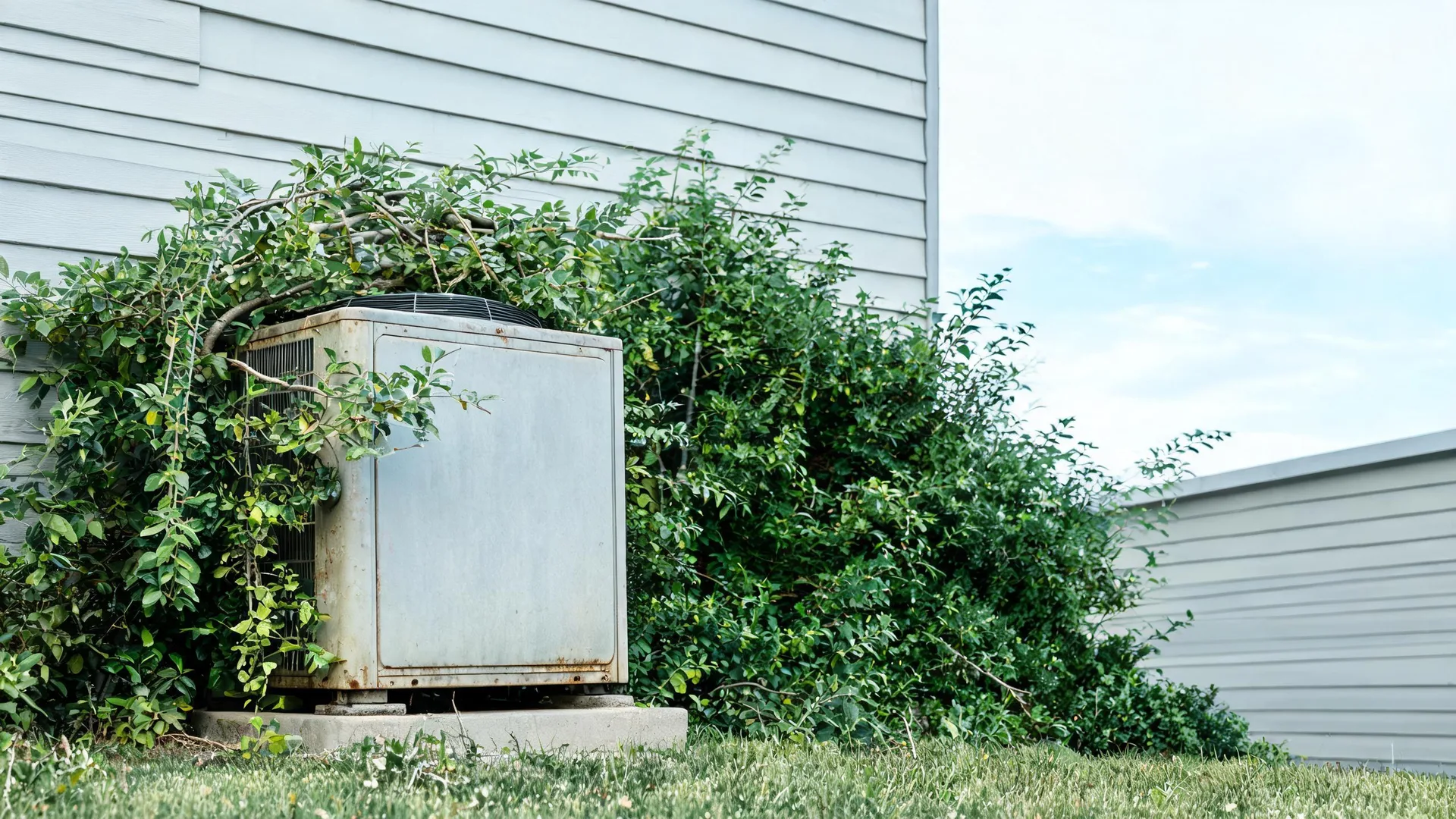
Walk outside and check that the outdoor coil isn't buried in frost, ice, leaves or snow. A thin layer of frost in winter is normal, but a thick coating that never clears points to a defrost problem. Inside, pull the air filter and hold it up to light. If you can't see light through it, swap it. A clogged filter starves the system of airflow and can make a heat pump run constantly without warming the house.

A heat pump that's failing usually tells you before it quits outright. The air coming from the vents turns lukewarm instead of warm, because the system can't pull enough heat out of the cold air anymore to raise it like it used to. It runs longer stretches without shutting off, or it shuts off and starts again within a few minutes. Some units make a hard clunk or a steady rattle from the outdoor cabinet, which usually means a worn motor bearing or a part that's come loose. Ice building up on the outdoor coil and staying there through the day, rather than clearing during the defrost cycle, points to a stuck reversing valve or a bad sensor. If the system is blowing cold air in heat mode, or won't come on at all, that's worth a call the same day rather than waiting it out.

A diagnostic visit starts outside, at the outdoor unit, before anyone touches the thermostat. A contractor checks refrigerant pressure, because low charge from a slow leak is one of the most common reasons a heat pump stops keeping up. They'll run the system through a defrost cycle on purpose to see whether it actually clears the coil or just sits there iced over, which points at a reversing valve or a defrost sensor rather than refrigerant. Electrical readings on the compressor tell them whether it's drawing the way it should or straining to do the same work. They'll pull the filter and look at the indoor coil too, since restricted airflow can mimic a refrigerant problem and send someone chasing the wrong fix. None of this is guesswork. It's a sequence meant to rule things out one at a time until what's left is the actual cause.