Propane runs $17.33 per million Btu here
North Dakota propane averaged $17.33 per million Btu in 2024. A furnace that wastes fuel burning at a lower efficiency turns that price into a bigger bill every month it runs.
Takes about a minute. No obligation.
North Dakota propane averaged $17.33 per million Btu in 2024. A furnace that wastes fuel burning at a lower efficiency turns that price into a bigger bill every month it runs.
At that price per Btu, the AFUE rating on the furnace you install decides how much of what you pay for turns into heat in the house. It is worth comparing closely before you choose a unit.
NOAA nClimDiv, 1991–2020 normals
Furnaces in Sioux County go to work in September.
Get the new furnace in by August and it starts the season already broken in.




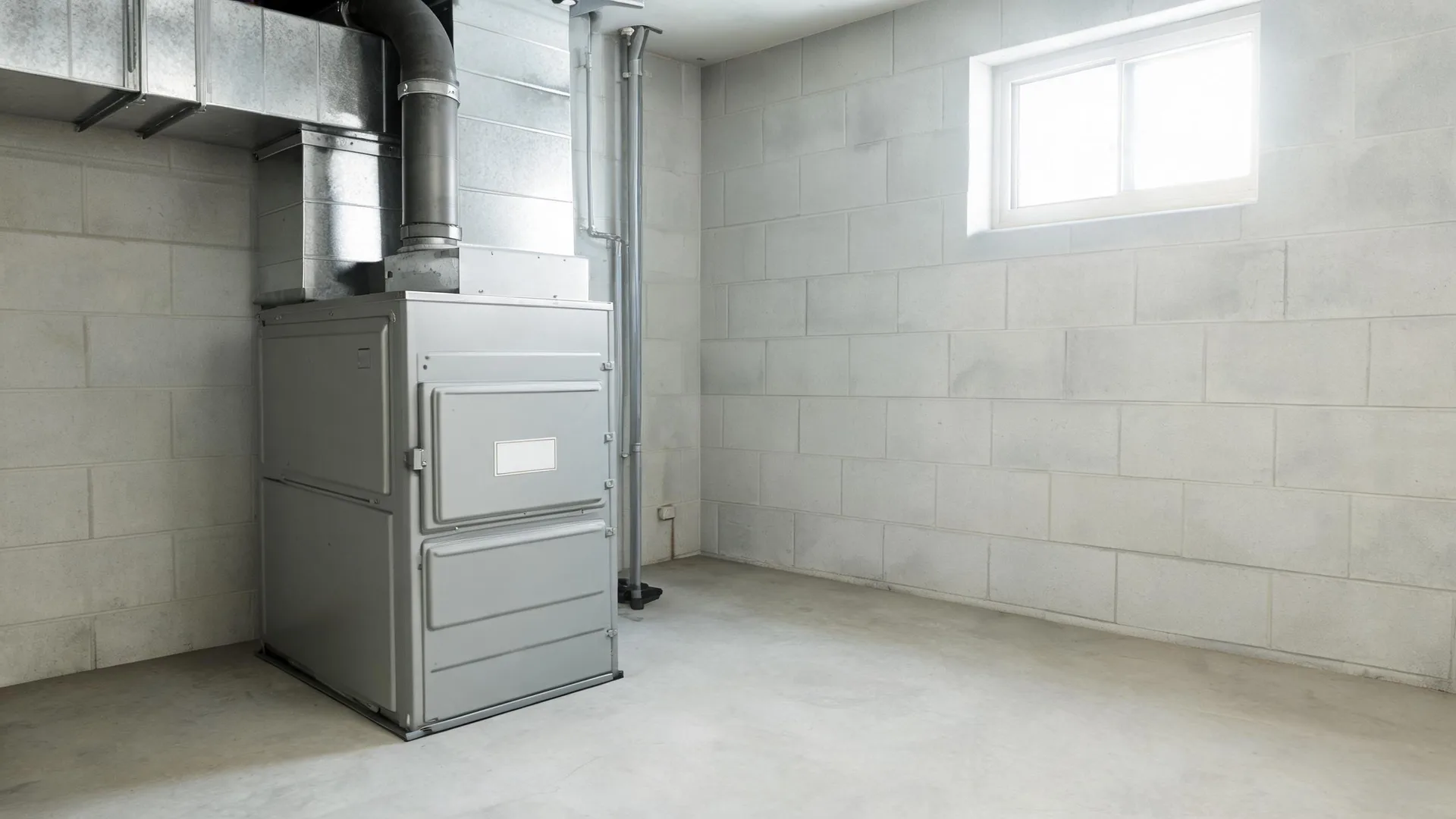
Sioux County is in climate zone 6A, the cold end of the scale, and that limits what you're allowed to put in. Any non-weatherized gas furnace built today has to hit at least 80 percent AFUE. That floor holds for a few more years yet, then jumps to 95 percent for new units. An 80 percent furnace meets the rule, but it sends a fifth of what you burn straight out the flue instead of into the house. A furnace rated higher keeps more of that propane working as heat, which matters in a climate that asks a lot of a furnace. Ask what AFUE rating the unit carries before it goes in.
The furnace you choose now sets your propane bill for as long as it runs. Ask for the AFUE rating on every unit quoted, and weigh the higher upfront cost of a more efficient furnace against what it keeps out of the flue each winter.
Find a contractorNine months of run time a year means a lot of cycles on and off, and a furnace sized wrong for this house feels that strain sooner than one sized right. Too big and it short cycles, switching off before it's run long enough to heat evenly, and that start-stop pattern wears on the igniter and the blower both. Too small and it runs flat out trying to keep up on the 7°F nights, with no rest at all. A load calculation on this house tells you the right size before you buy, not after.
A contractor who sizes a furnace off the old unit's rating or a walk through the house is guessing. A load calculation looks at the walls, the windows, the ceiling height, and it tells you the actual heat loss of the house. Contractors quoting the same house off a real calculation should land in the same range. If one won't run it at all, that tells you something.
A new furnace moves a different amount of air than the one it replaces, and ducts sized for the old unit do not always suit the new one. Ducts that are too small for the blower choke the airflow and the furnace strains against it. Ask whether the ductwork was checked against the new unit's output, not just reused because it was already there.
Estimates for a typical Sioux County home, from EIA household energy data, North Dakota fuel prices and NOAA climate normals. Your home will differ.
Installation day starts with the old furnace coming out. That is when a contractor finds out whether the vent pipe, the gas line and the electrical all line up with what the new unit needs. A gas line gets sized for the Btu input of the furnace going in, not assumed to carry over from the old one. The vent has to match too, since a more efficient furnace often vents differently than the one it replaces, sometimes through the sidewall instead of up through the roof. Once the unit is set and connected, it gets fired up and checked. Gas pressure, temperature rise across the heat exchanger, airflow at the registers, all of it gets measured, not guessed at. A furnace that's installed right gets tested under a full heating cycle before anyone calls the job done, not just switched on to see if it lights.