






A gas furnace with sheet-metal ductwork and PVC pipes installed in an unfinished basement.

Furnace Maintenance in Cando, ND

Tell us about the job

Takes about a minute. No obligation.

Tune-up, service, or cleaningFurnace or heatingTowner County, ND
Step 1 of 2

What ZIP code is the job in?

Electricity in North Dakota runs $33.73 per million Btu, among the higher rates in the country. A furnace that has to work harder to push out the same heat burns through more of it, and that cost shows up on every bill for as long as the furnace runs. A dirty burner, a clogged filter or a flame sensor losing its reading all make the furnace run longer to reach the same temperature on the thermostat. None of that is damage you can see. It just quietly raises what the season costs you.

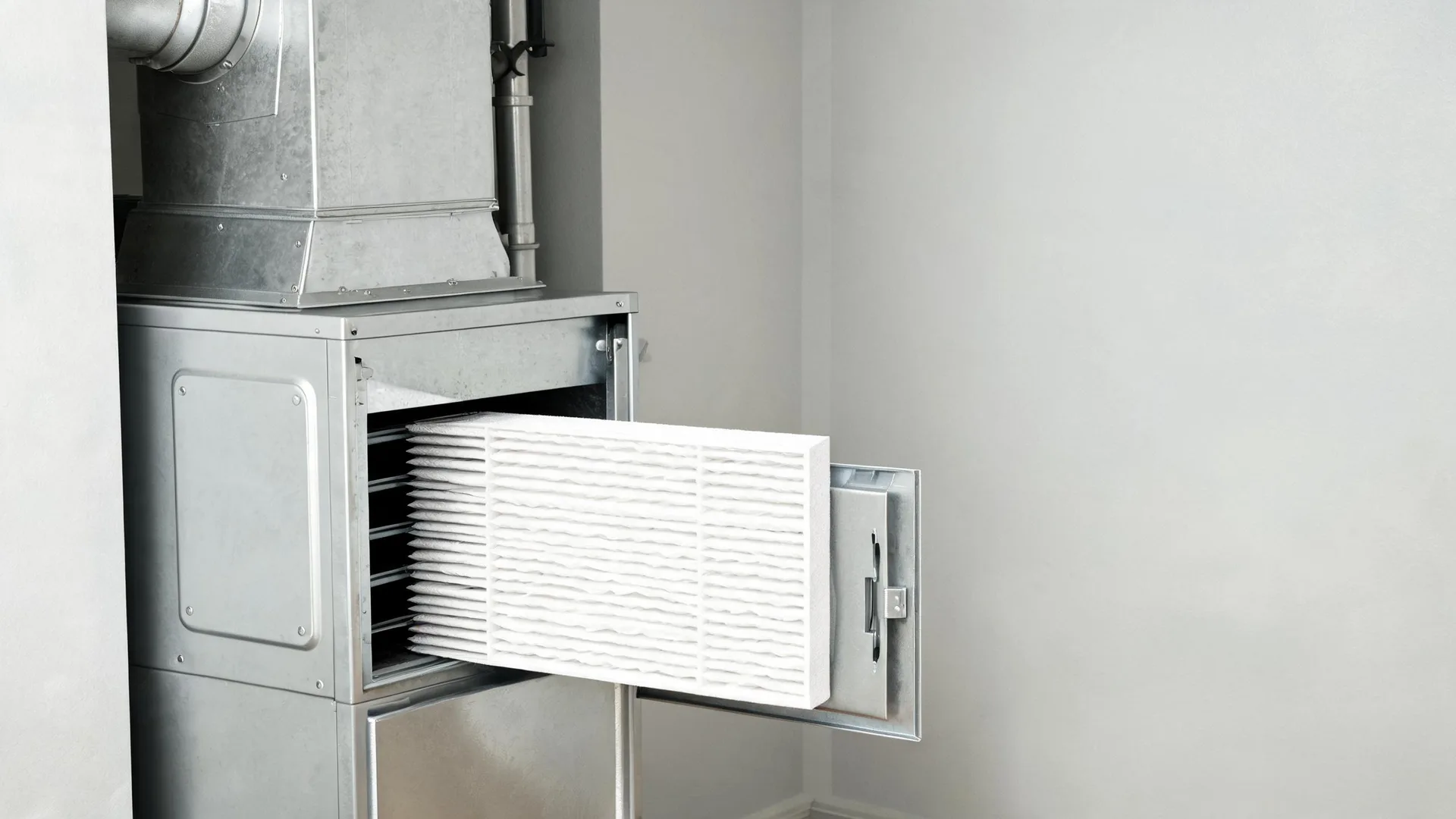
A clogged filter chokes the airflow a furnace needs to run right.

Swap it on a schedule and the heat exchanger never has to work against its own exhaust.

Nine months of heat starts in September. Have it checked in August.

Heat runs September through May
Winter nights average -1°F
Climate zone 7
Older homes need a closer lookHalf the homes in Towner County were built in 1969 or earlier, and an older furnace drifts out of adjustment in ways you won't see.

Electricity heats 57.9% of occupied homes in Towner County, more than any other fuel. Bottled or LP gas comes next at 35.2%, with a small share on fuel oil. If your furnace runs on gas or oil, upkeep means more than swapping a filter. A tech needs to check the burner, look at the flue venting, and test the safety controls that shut the system down if something goes wrong. A cracked heat exchanger or a venting problem will not show itself until it already is one. That kind of check is what catches it first.

Get it checked before it costs you all winter

A furnace that's drifted out of tune does not announce itself. It just runs longer than it should, and at $33.73 per million Btu, that difference shows up on the bill before it shows up anywhere else. A tune-up gets the burner and the airflow back to where they belong before the season puts them to the test.

Find a contractor
A man in a cap, dark shirt and tan pants carries a worn canvas tool bag up concrete steps toward a dark blue front door with a sidelight window and a large planter beside it.
A gray gas furnace with attached ductwork and piping installed in an unfinished concrete basement.

A yearly check catches what a glance won't

A furnace that has sat in the same house since 1969 or earlier has had decades to drift out of adjustment, one degree at a time. Nothing about that shows up on the thermostat. A yearly check puts a tech on the burner, the flue and the controls every season, so whatever has shifted gets caught while it is still small.

Small problems don't stay small

A furnace left alone doesn't fail all at once. A film of dirt on the burner, a weak flame sensor, a slipping belt on the blower, each one makes some other part work harder to cover for it. Given enough seasons, that strain is what turns a worn part into a cracked one.
Safety checks are part of the service

A tune-up isn't only about running efficiently. The same visit tests the limit switch, checks the flue connection, and makes sure the burner is actually burning clean. Those are the parts that keep exhaust going outside instead of into the house, and they're worth confirming before cold weather puts the furnace to work every day.

A tune-up gets inside places a filter swap never touches. A tech pulls the burner cover and looks at the flame itself, not just whether it lights. A flame that burns yellow or uneven instead of a steady blue means it isn't burning clean, and that's something you'd never see with the panel shut. The same visit checks the flame sensor's reading, tests the limit switch that shuts the furnace down if it overheats, and looks at the heat exchanger for hairline cracks that don't show up until they're already leaking exhaust where it doesn't belong. None of that is loose or rattling. It all looks fine from the hallway, which is exactly why it has to be checked, not just watched.

A tune-up also means hands-on work, not just a look and a listen. The blower wheel gets pulled and checked for dust caked on the blades, since enough buildup there throws it out of balance and wears the motor bearing early. Every electrical connection at the control board gets checked for a loose screw or a connector working itself free from vibration, the kind of thing that causes a furnace to quit mid-cycle for no reason anyone can see. The igniter gets tested under power, because one that glows weak will still light the burner some mornings and fail on others. A tech also checks the gas pressure at the manifold against what the furnace is built to run on, since pressure that drifts even a little changes how the burner flame behaves. Belt-drive blowers get the belt tension checked too, since one that's slipping shows up as weak airflow long before it shows up as a sound.