Gas here isn't cheap to waste
North Dakota households paid $8.44 per million Btu of natural gas in 2024. A furnace that's skipping maintenance works harder to put out the same heat, and every extra cubic foot it burns gets billed at that rate.
Takes about a minute. No obligation.
North Dakota households paid $8.44 per million Btu of natural gas in 2024. A furnace that's skipping maintenance works harder to put out the same heat, and every extra cubic foot it burns gets billed at that rate.
A technician checking the burner and the airflow finds the drag that's making your furnace run longer than it should. Fixing that now means the furnace isn't quietly costing you more all winter.
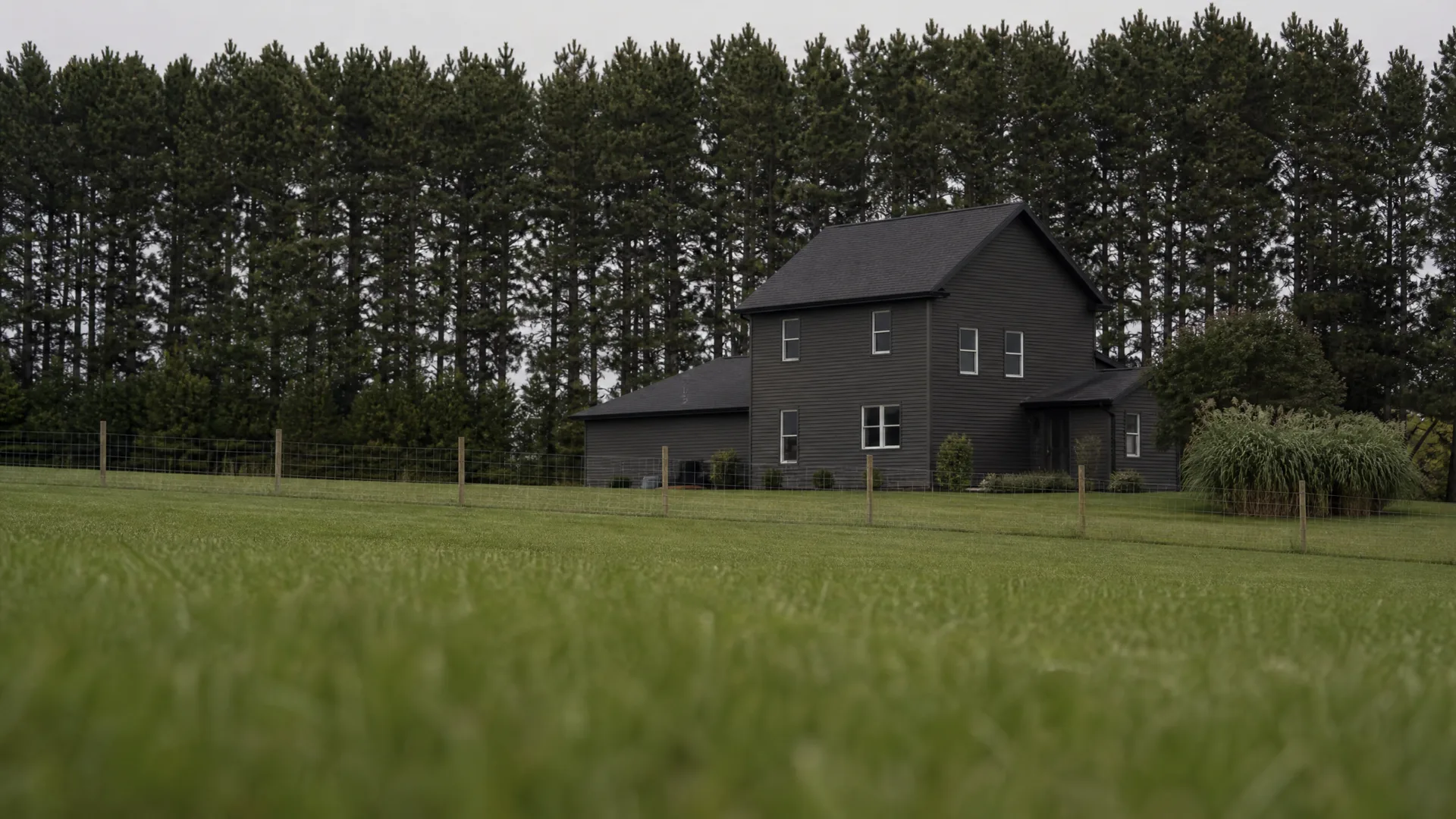
Half the furnaces in Eddy County are working inside a house built in 1966 or earlier.
A furnace that old has likely never had anyone look at the parts that wear down first.
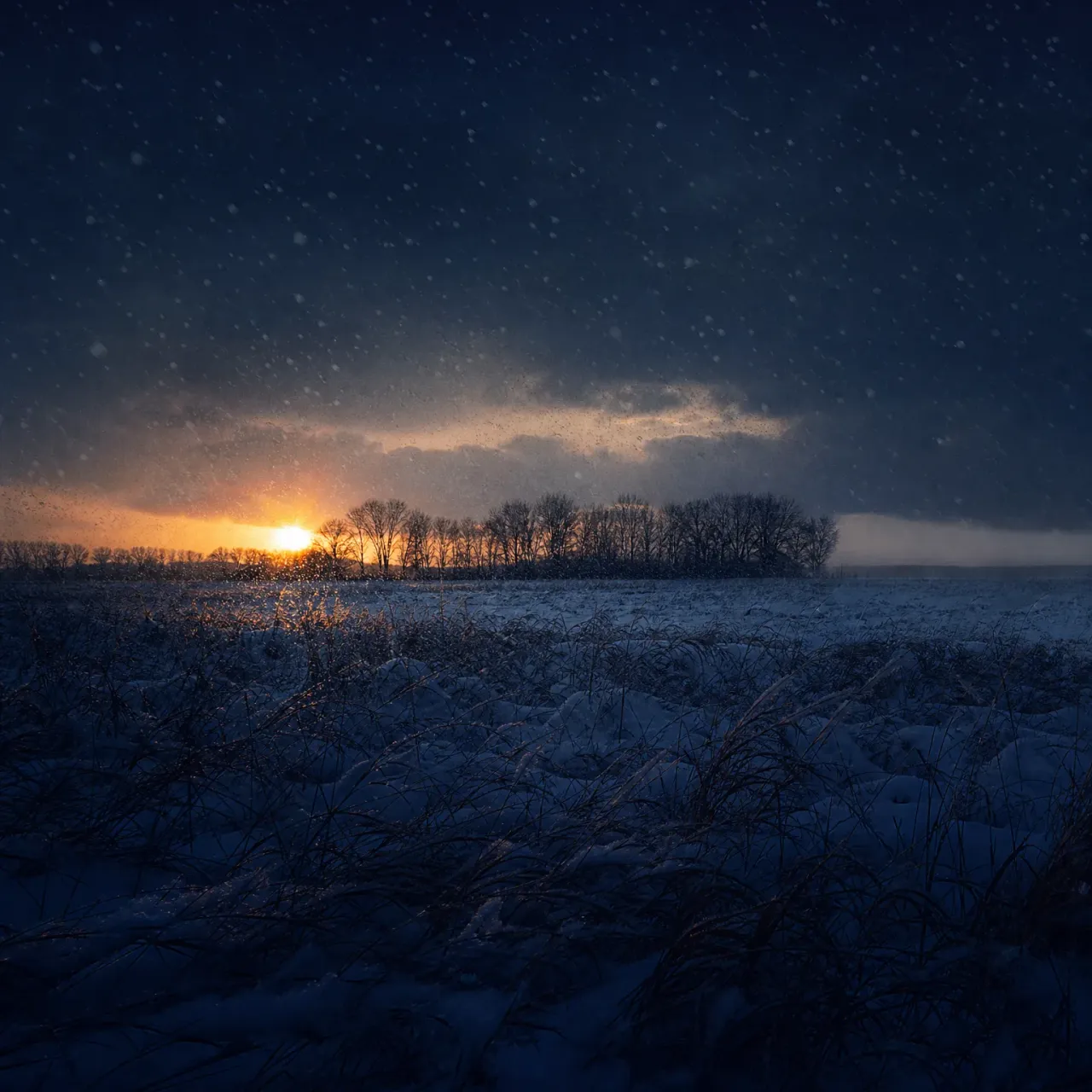



September through May, this furnace is either running or about to be. That's nine months of the year, more than most places ask of a furnace, and it means the burner and the blower log more hours here than they would almost anywhere else. More hours means the parts that wear down, wear down sooner. A furnace that's been skipped a year or two doesn't usually fail outright. It runs longer to put out the same heat, and something small, a dirty flame sensor or a cracked heat exchanger, gets found later than it should. Nine months is a long season to find that out partway through it.
Have the burner and airflow checked before this furnace settles in for the winter. A technician can find what's making it work harder than it needs to, while that just means a tune-up instead of a bigger bill.
Find a contractor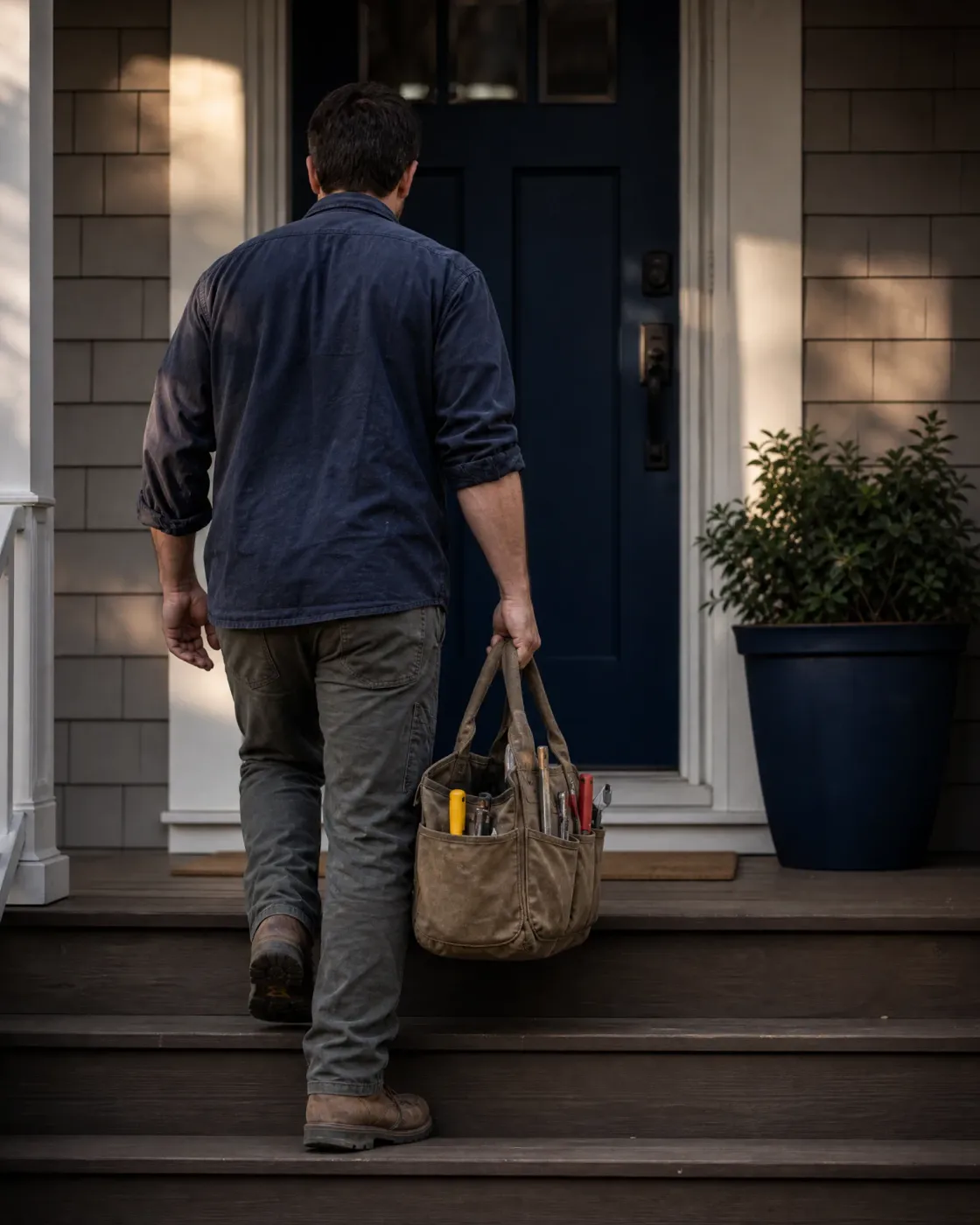
If nobody has opened the cabinet since the house was built, a yearly check is the only way to know what shape those parts are in. A technician can put eyes on the heat exchanger and the blower bearing before either one turns into a bigger job. Put it on a schedule, once a year, before the cold sets in for good.
A dirty filter chokes airflow across the heat exchanger, and that makes the furnace run longer to put out the same heat. You can check it by pulling it out and holding it up to a light. If you can't see light through it, swap it. Keep a spare on hand so you're not waiting on a trip to the store.
The burner, the flame sensor, the heat exchanger and the blower bearing aren't things to open up yourself. A cracked heat exchanger can leak exhaust into the air you breathe, and you won't see it by looking at the cabinet from outside. Keep vents and the area around the furnace clear, listen for new rattles or a burner that sounds different, and save the rest for the yearly check.
A quick tune-up means someone glances at the burner flame, maybe swaps the filter, and calls it done. A thorough one means the panels come off. The flame sensor gets cleaned or tested, not just looked at. The blower wheel comes out from under its housing, where dust builds up without anyone seeing it, and gets checked for buildup that throws it off balance. The heat exchanger gets inspected for cracks, usually with a camera or a mirror, since a crack can sit in a spot you'd never spot by eye. Someone checks the gas pressure at the manifold rather than assuming it's still set right. And the venting gets checked for blockage or corrosion, not just a glance to see it's still attached. If the visit is over before any of that happens, something got skipped.
Once the furnace is running every day, a technician is looking at a machine that hasn't had a day off to show what's wrong with it. Before September, it's sitting idle, so a weak flame sensor or a blower pulling more amps than it should shows up clearly. That's also the easier time to get on someone's schedule, before the first cold snap has every furnace in the county getting checked at once. Get it looked at while it's still convenient, not after the season has already started asking more of it.

