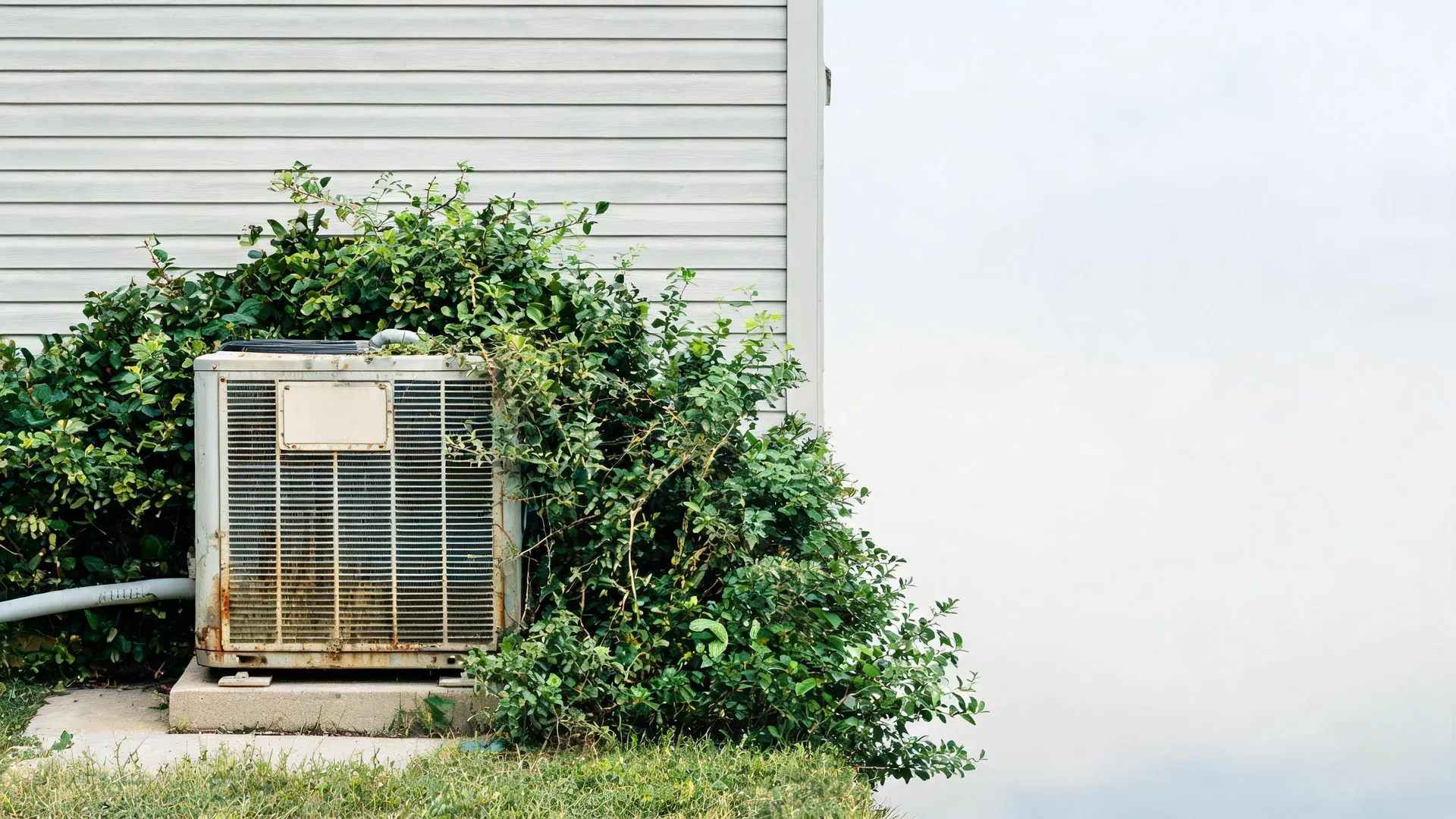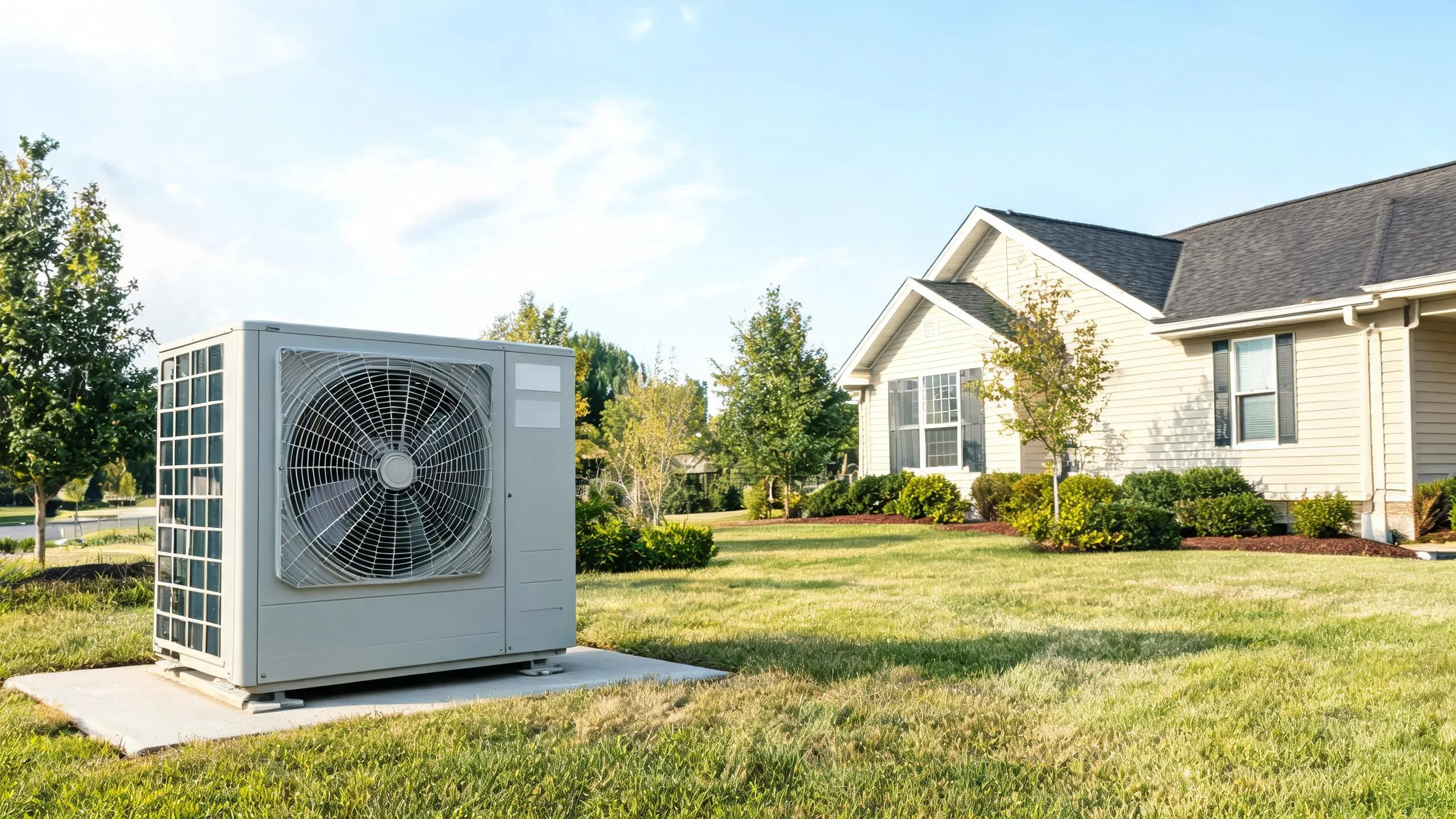
A grey heat pump outdoor unit mounted on a concrete pad in a suburban backyard, with a single-storey house visible behind it.

Heat Pump Repair in Cando, ND

Tell us about the job

Takes about a minute. No obligation.

RepairHeat PumpTowner County, ND
Step 1 of 2

What ZIP code is the job in?

Ice and snow test every part of it

Towner County saw 37 winter storms between 2015 and 2024, and your heat pump has to keep pulling heat from outside air through all of them. The outdoor coil, the defrost cycle, the reversing valve all take the brunt of that.

A breakdown here usually has a reason

When a heat pump runs this hard for this many years, something failing is rarely bad luck. It's usually a part that wore down faster than it would somewhere milder. Finding which one matters more than just getting it running again.

9 months
September through May, your system heats
1 months
July through July, it cools
-1°F
the average winter night it heats against
77°F
the average summer afternoon it cools against
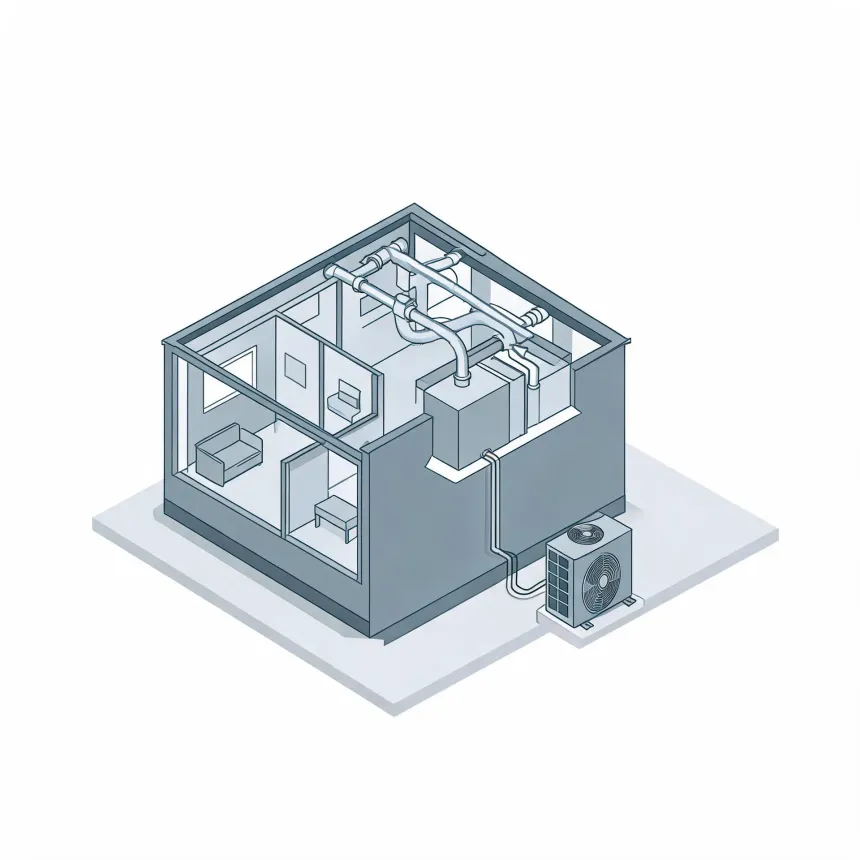
Isometric line illustration of a cutaway house showing interior rooms with furniture, ceiling ductwork connected to an indoor air handler, and refrigerant lines running to an outdoor condenser unit on a pad.
Your system heats September through May and cools July through July.

NOAA nClimDiv, 1991–2020 normals

Half the homes in Towner County were built in 1969 or earlier.

A heat pump that came with a house that old is likely closer to the end of its life than the middle.

Electricity here is cheap, but a struggling heat pump still runs up your bill

Power here costs 11.00 cents per kilowatt-hour
Climate zone 7
Cooling runs July through July
September is when weak parts give outHeat starts running in Towner County in September, and it runs through May.

A heat pump that's low on charge or icing over doesn't just work worse, it pulls more power to do less. That shows up on the bill even with cheap electricity behind it. The longer a bad part stays in the system, the more months it costs you before anyone looks at it. Getting it checked now keeps a small problem from turning into a winter without heat.

Get the part that failed found, not just restarted

A part that failed after years of pulling heat through storm after storm won't be fixed right by a quick reset. Whoever comes out should find the part that gave out and check what the rest of the system took on these winters, so you're not back here again next season.

Find a contractor
A man in a cap, dusty dark shirt and work pants walks up stone steps toward a dark navy front door, carrying a worn canvas tool bag, with a potted shrub beside the entry.
A gray heat pump outdoor unit mounted on a concrete pad next to a residential house with lap siding and stone accents.

Know what you're repairing before you pay to repair it

If the heat pump outside is the one the house came with, ask the contractor straight out how much life is left in it before paying for a major repair. A unit that's been pulling heat through Cando winters for decades has already done more work than the same age unit would somewhere milder. Sometimes the fix is small and the system has years left. Sometimes the repair costs real money and the honest answer is that it won't be the last call. Get that answer before you decide what to spend.

A small fault asks the rest of the system to cover for it

When one part of a heat pump starts failing, the parts around it don't get a break, they get asked to make up the difference. A compressor low on refrigerant runs longer to hit the same temperature. A dirty coil makes the fan push harder to move the same air. The system doesn't slow down to match its weakest part. It leans on everything else instead, and that's what wears next.

Ice is a sign something downstream already gave out

A heat pump is supposed to clear frost off its outdoor coil on its own, melt it, and get back to work. When that cycle isn't happening right, ice builds instead of clearing, and ice on the coil blocks the airflow the whole system depends on. Running it through that doesn't just stress one part. It can push a struggling compressor into a repair that costs a lot more than the fault that started it.

Before you pay for a service call, there are a few things worth looking at yourself. Check the thermostat first. Make sure it's set to heat and the temperature is actually above room temperature, not accidentally bumped into cool. Look at the outdoor unit and clear away any snow, ice or debris piled against it, since blocked airflow around the coil can look exactly like a failed part. Check your air filter and swap it if it's dirty, because restricted airflow makes the whole system work harder and can trigger a shutdown on its own. Go around to your breaker panel and check that the breaker for the heat pump hasn't tripped. If the outdoor unit is caked in ice and it isn't melting off on its own after a while, that's not something to chip away at by hand. That's a sign the defrost cycle itself isn't working, and it's time to call someone.

Repair makes sense when one part failed and the rest of the system is sound. Replacement starts to make sense when you're chasing the second or third failure in a few years, because that pattern usually means the whole system is wearing out at once, not just the part in front of you. Age matters more than it gets credit for. A compressor nearing the end of its working life can be repaired around, but whatever you fix next will be leaning on a machine that's already tired, and the next failure tends to come sooner than the last one did. Ask what else is showing wear before you commit to the repair in front of you. If the coil, the compressor and the reversing valve are all original and all old, fixing one of them is just a down payment on fixing the next.