





An outdoor HVAC condensing unit on a concrete pad next to a beige single-story house with a dark shingle roof.

Heat Pump Repair in Mandan, ND

Tell us about the job

Takes about a minute. No obligation.

RepairHeat PumpMorton County, ND
Step 1 of 2

What ZIP code is the job in?

Morton County saw 260 severe weather events between 2015 and 2024. Damaging wind came through 114 times in that span, and hail hit the county 112 times. Hail dents a heat pump's outdoor coil, and wind-blown branches or grit can do the same to the fins and the fan. A unit can take that kind of hit and keep running for weeks before the owner notices it's working harder than it should. If a storm has come through since you last had the outdoor unit looked at, it's worth having someone check the coil and the fan blades, even if the system still puts out heat.

9 months
September through May, your system heats
2 months
July through August, it cools
6°F
the average winter night it heats against
81°F
the average summer afternoon it cools against
Isometric line illustration of a cutaway single-story house showing interior rooms, ceiling ductwork, an indoor air handler unit, and an outdoor condenser connected by a line set.
Your system heats September through May and cools July through August.

NOAA nClimDiv, 1991–2020 normals

Morton County's heat pump runs through winters that stay hard for months and summers that bring their own storms.

That kind of year-round load wears parts faster, so a breakdown now is usually something that was building for a while.

Electricity here is cheap. A heat pump running wrong still adds up fast.

Power here costs 12.82 cents per kilowatt-hour
114 damaging wind events from 2015 to 2024
112 hail events from 2015 to 2024

Heat runs here from September through May, nine months out of the year. August is when that load is about to land, and a part that limped through summer on two months of light cooling duty can quit once the system switches over and starts working harder. Winter is when a heat pump earns its keep, running for hours at a stretch with overnight lows averaging 6°F through December, January and February. A weak part does not usually fail on a mild day. It fails in the first cold snap, when the compressor is working hardest and the house needs it most. If your system struggled at any point last winter, that trouble does not fix itself over the summer. It is still there, waiting for the first real cold to find it again.

Storm Damage Doesn't Always Show Up Right Away

If hail or wind has come through since the outdoor unit was last looked at, get the coil and fan blades checked now, before the system has to lean on them through a hard winter.

Find a contractor
A gray heat pump outdoor unit mounted on a concrete pad next to the stone-accented exterior wall of a house.

Years of Running Hard Add Up

This system has already been through hail, wind and hard winters before whatever is wrong with it now showed up. A long heating season and storms that hit the outdoor unit both leave marks, and the marks do not always show right away. When a tech comes out, checking the refrigerant charge, the compressor and the coil before swapping anything catches the part that actually failed instead of the one that was easiest to reach. That matters here, because the next hard freeze or the next storm is not far off, and a repair done right the first time is the one that holds up through it.

A Struggling Compressor Doesn't Rest, It Strains Harder

When a heat pump loses refrigerant or a part starts failing, the compressor has to work past what it was built for to make up the difference. It draws more current and runs hotter than it should. Left alone, that heat and strain can score the compressor's internals or burn out its windings, turning a part that could have been repaired into one that has to be replaced along with the compressor itself.
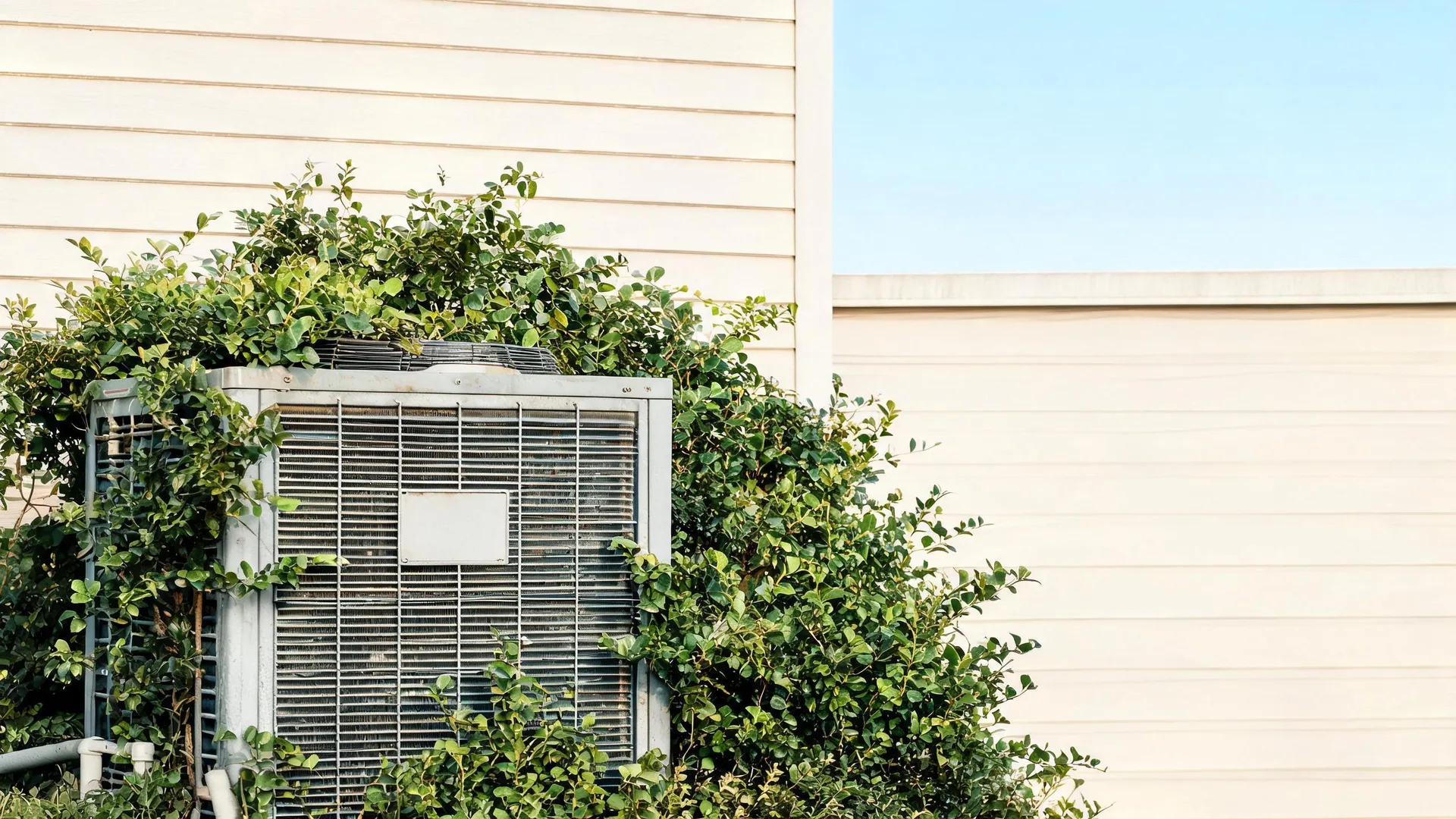
A Small Leak Or Short Rarely Stays Small

A slow refrigerant leak gets worse every day the system keeps cycling, and a failing capacitor or contactor that's already arcing or swelling can take other electrical parts with it when it finally lets go. Shutting the system down and having it looked at while the problem is still minor is usually the difference between replacing one part and replacing several.

Before calling anyone, look at the outdoor unit. If it's caked in ice beyond the thin frost that's normal in cold weather, or if snow has drifted up against it, that blocks airflow and the system can't do its job. Clear debris or snow away from the sides and give it a few inches of breathing room. Inside, check the thermostat is set to heat and the temperature is actually set above room temperature, since a setting bumped by accident looks exactly like a broken system. Go to the breaker panel and check nothing has tripped. If you have a standard filter, check it, because a clogged filter chokes airflow across the indoor coil and can bring the whole system to a crawl. Listen for anything new: a hum with no air moving, a click that repeats without the system starting, grinding from the outdoor unit. None of that tells you what part failed, but it tells the tech what to listen for when they get there, and it rules out the handful of things that aren't actually broken at all.

A heat pump that's lost refrigerant or is drawing too much current doesn't just run worse, it runs longer to make up for it. Here that shows up on the bill fast, because the rate might be low but a struggling system leans on it hard through a long heating season. Waiting on a repair means paying to run a strained compressor for as long as the problem sits. The repair itself doesn't get cheaper by putting it off. The running cost while you wait does the opposite.