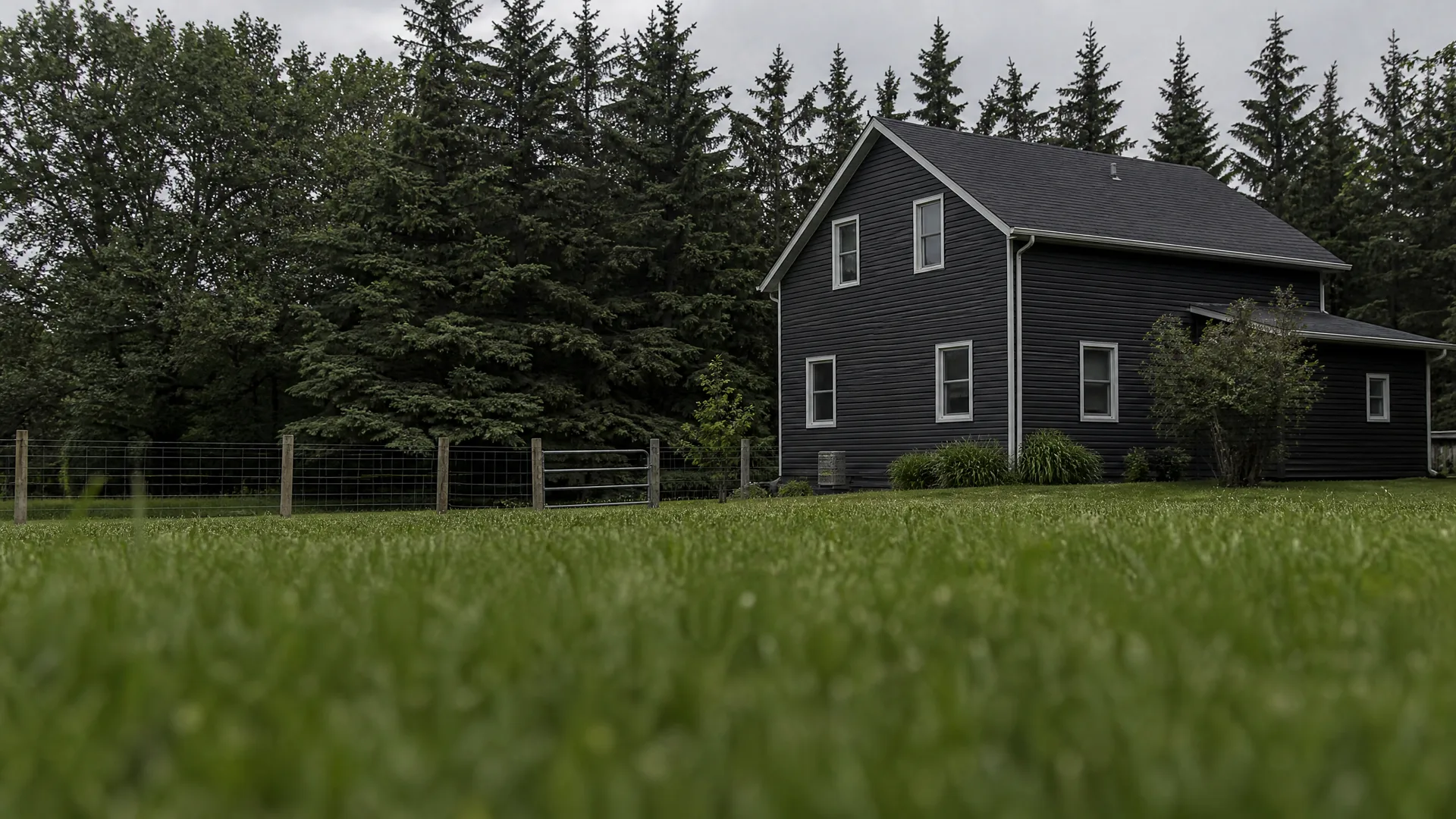






A dark-painted two-story house with white-trimmed windows stands behind a wire fence and tall evergreen trees, photographed low to the ground with blurred green grass in the foreground.

Heat Pump Repair in Leeds, ND

Tell us about the job

Takes about a minute. No obligation.

RepairHeat PumpBenson County, ND
Step 1 of 2

What ZIP code is the job in?

A heat pump outside Leeds spends the winter pulling heat out of air that doesn't have much to give, and that's hard running even with propane carrying part of the load. The outdoor unit also sits through whatever the weather does. Damaging wind has hit Benson County 87 times between 2015 and 2024, hail 60 times, and winter storms with heavy snow or ice 39 times in that same stretch. Every one of those reaches the coil and fan directly. Summers here run cooler and drier than most of the country, so the strain through those months comes more from hours of running than from heavy air. A part failing now usually isn't bad luck. It's what happens to equipment that works this hard in a place like this. Worth having someone trace it to the actual part before anything gets replaced.

9 months
September through May, your system heats
2 months
July through August, it cools
1°F
the average winter night it heats against
78°F
the average summer afternoon it cools against
Isometric illustration of a cutaway single-family house showing interior ductwork and an air handler, with an outdoor condenser unit connected by lines along the exterior wall.
Your system heats September through May and cools July through August.

NOAA nClimDiv, 1991–2020 normals

Electricity here runs about 10.52 cents a kilowatt-hour, cheaper than most of the country.

A heat pump that's struggling still runs up a bigger bill than it should, even with power priced low.

Nine months of heat, two of cooling, and not much time between

Cooling runs July through August
Heat runs September through May
Climate zone 7

Half the homes in Benson County were built in 1972 or earlier. If yours is one of them, your heat pump may not be the original one, but whatever is out there now has likely been replacing an older unit that already struggled through the same winters and the same wind and hail. A heat pump nearing the end of its life tends to show it in exactly the way repair calls start: short cycling, ice that won't clear, a compressor that strains to hit temperature. None of that tells you on its own whether this is a small fix or the last one worth making. That's worth knowing before money goes into a part.

Get the actual problem found before anything gets replaced

Find the part that failed and fix that part. A heat pump working this hard in this much weather doesn't need guesswork, it needs someone who can trace the problem to what actually broke.

Find a contractor
A man in a cap, navy long-sleeve shirt and tan work pants carries a canvas tool bag up steps toward a dark front door, with a potted shrub beside the porch.
A gray heat pump outdoor unit mounted on a concrete pad next to a residential house with lap siding and stone accents.

What a tech actually checks

A diagnostic call starts outside at the unit itself. A tech checks refrigerant pressure, looks at the coil for ice or damage, and watches how the fan and compressor behave when the system cycles on. Inside, they check airflow at the vents and look at the air handler for signs of strain, things like a dirty coil or a blower working harder than it should. They'll pull data from the thermostat or control board if the system logs any fault codes, since those often point straight at what tripped. Electrical connections get checked too. A loose wire or a failing capacitor can cause symptoms that look like something bigger. The goal of all this isn't to guess which part might be worn. It's to find the one that actually failed, confirm it, and know that replacing it solves the problem instead of masking it for a month.

Check the thermostat and the breaker first

Make sure the thermostat is set to heat or cool as needed and the setting isn't just a degree or two off from the room. Check the breaker panel for anything tripped, and look at any shutoff switch near the indoor air handler. A reset there costs nothing and rules out the simplest cause before anyone comes out.
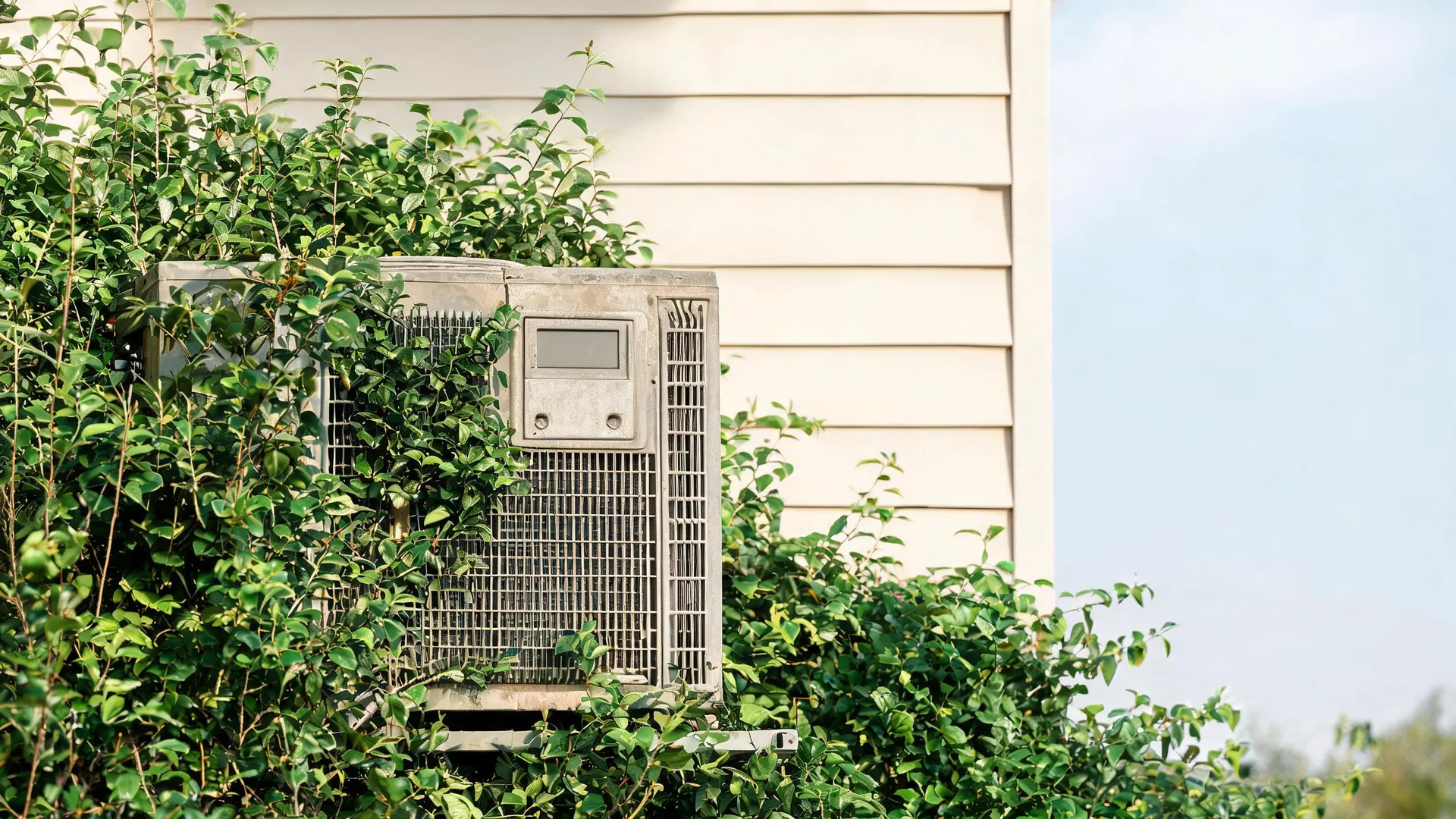
Look at the outdoor unit and the filter

Walk out to the outdoor unit and clear away anything piled against it, leaves, snow, ice, so air can move through the coil. Pull the air filter and hold it up to the light. If you can't see through it, swap it or clean it. A blocked filter or a smothered coil makes the whole system work harder and can look like a much bigger problem than it is.

A heat pump that's icing up or short cycling and gets left alone doesn't just keep failing the same way. It fails worse. A coil losing its defrost cycle keeps building ice instead of shedding it, and more ice means less airflow, which pushes the compressor harder to move the same heat. A compressor run that hot for that long wears faster than one given the chance to rest. Refrigerant leaks follow the same pattern. A small one lets the compressor run low on charge, and a compressor working low on charge overheats and shortens its own life. None of these fix themselves by waiting. The part that's struggling now is usually the same part that ends up failing for good if the system keeps running unchecked.

A heat pump that's running inefficiently wastes power every hour it runs, not just on the coldest days. In Leeds, propane carries part of the winter load, but the heat pump is still working long hours against outdoor air that holds little heat, and a struggling unit pulls more power to do the same job. Waiting doesn't lower that cost. It just stacks more months of it onto the bill before the actual problem gets found and fixed. Cheap power only helps if the machine using it is working the way it should.