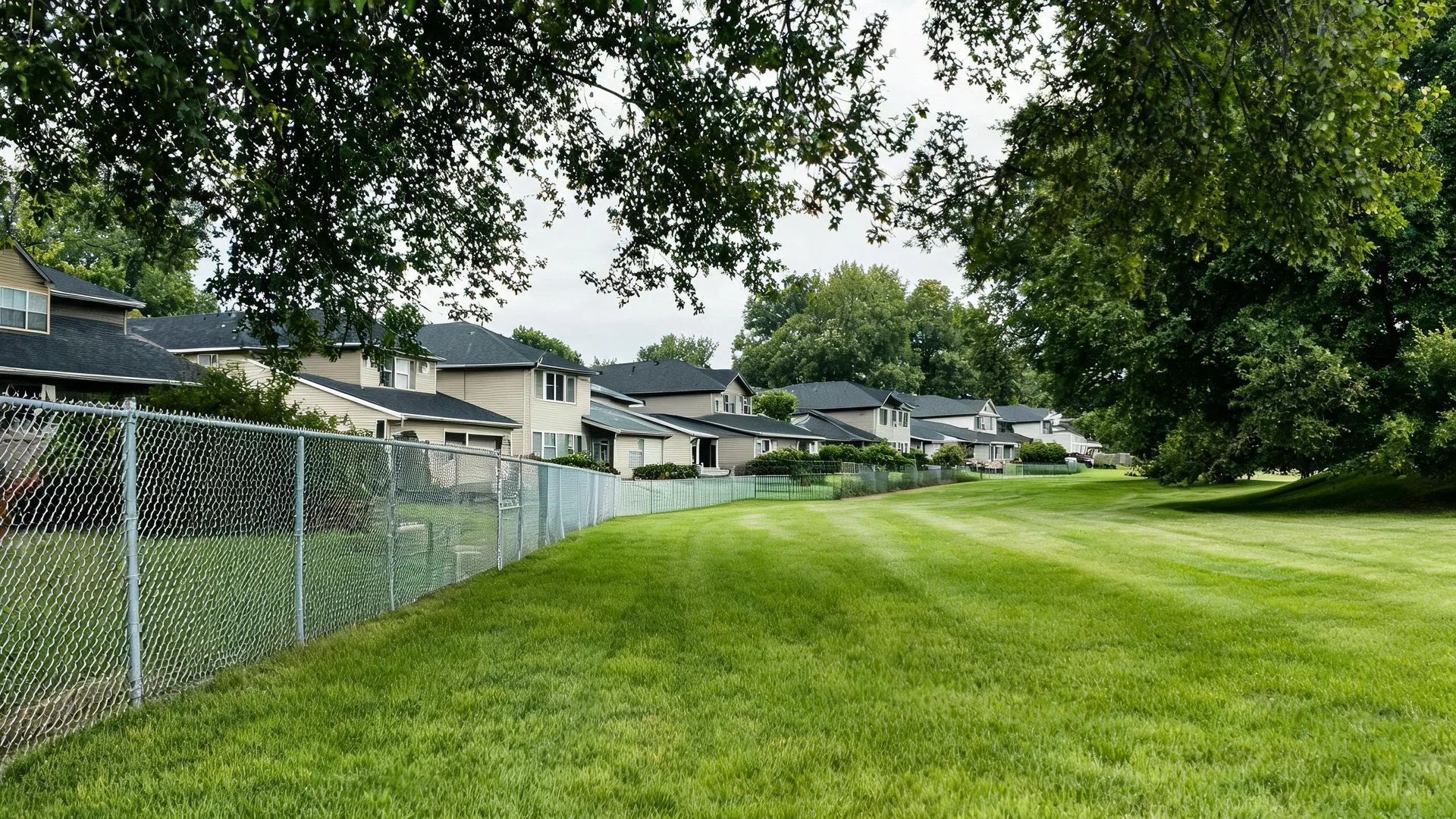
A mowed grass field bordered by a chain-link fence, with a row of two-story houses and mature trees behind it under an overcast sky.

Heat Pump Repair in LaMoure, ND

Tell us about the job

Takes about a minute. No obligation.

RepairHeat PumpLaMoure County, ND
Step 1 of 2

What ZIP code is the job in?

Your heat pump runs year round here

A heat pump in LaMoure is the main source of heat all winter, not just the summer cooling unit. That means it runs through blizzards and subzero stretches as well as warm, sticky afternoons. There's no season where it gets to rest.


That changes what a repair call should look like

A system working this many months a year wears its parts sooner than one that only runs half the year. When something acts up, it pays to find the actual cause rather than patch the symptom, because the next failure is already closer than it would be somewhere milder.

9 months
September through May, your system heats
2 months
July through August, it cools
5°F
the average winter night it heats against
79°F
the average summer afternoon it cools against
Isometric line illustration of a cutaway single-story house showing interior rooms with furniture and attic ductwork connected to an outdoor condenser unit beside the building.
Your system heats September through May and cools July through August.

NOAA nClimDiv, 1991–2020 normals

Half the homes around LaMoure were built in 1965 or earlier.

A heat pump installed in an older home has likely been running long hours for years already, so a repair now may be one of the last it's worth making.

Nine months of heat land on this machine before the next two months of cooling start

Cooling runs July through August
Heat runs September through May
37 hail events from 2015 to 2024

Electricity in LaMoure County averages 12.01 cents per kilowatt-hour, cheaper than most of the country pays. That helps, because a heat pump here is already working longer hours than it would almost anywhere else. When a part is failing, whether it's a weak capacitor, a stuck reversing valve, or low refrigerant, the system doesn't just stop working right, it works harder to make up for it. That shows up on the power bill every month it goes unfixed, even with lower rates helping some. A machine running inefficiently all winter has a lot of months to rack up that extra cost before spring gives it a break.

Find the cause before the next storm asks more of it

That's the case for having a repair diagnosed properly rather than patched. A worn part under strain tends to drag others down with it, and this one doesn't get downtime to recover before the next cold stretch or the next blizzard rolls through. Getting the actual problem found now means the fix holds.

Find a contractor
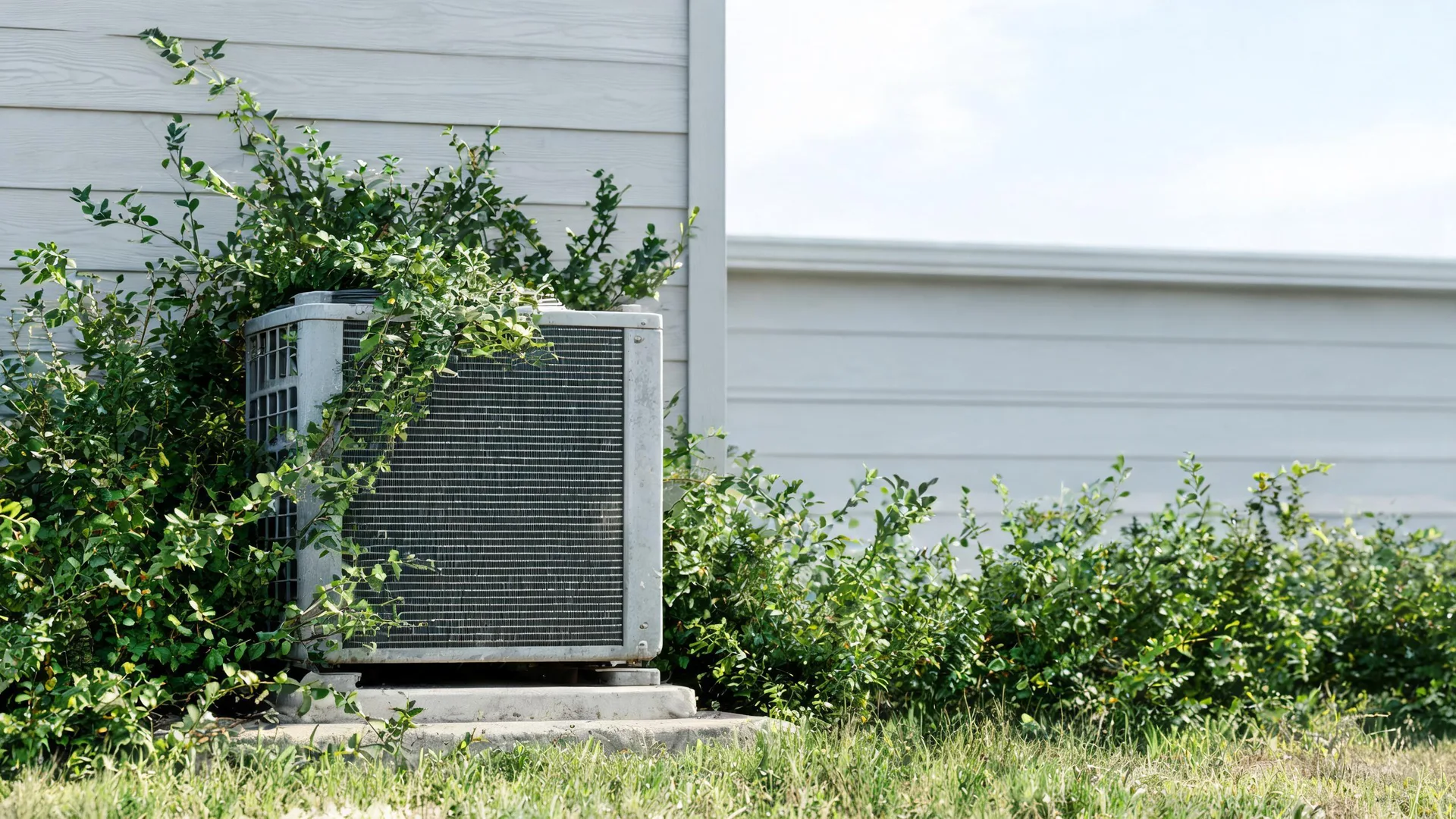
A gray outdoor HVAC unit mounted on a concrete pad beside a house with gray lap siding and a stone foundation.

How many years has this one already put in

If this system came with the house, ask the contractor how much life it has left before paying for a major part. A heat pump that has been running this many months a year for years already is a different repair decision than a two-year-old unit with the same symptom. The contractor who diagnoses the problem can tell you which one this is.

What actually wears out first

The reversing valve is usually the first thing to go, since it switches every time the system changes between heating and cooling and the seals inside take the wear. Contactors and capacitors burn out from the motors cycling on and off. The defrost control board can fail or start misreading the coil temperature, so the system either defrosts when it doesn't need to or skips a cycle it does need. Low refrigerant from a slow leak shows up as weaker heat and a coil that ices over and won't clear.

Why these failures feed each other

A heat pump under strain doesn't fail one part at a time. Low refrigerant makes the compressor work harder, and a compressor working harder runs hotter, which shortens its life. A failing defrost board leaves frost on the outdoor coil, and a frozen coil blocks airflow the same way a clogged filter does, forcing the system to run longer to do the same job. Catching the first failing part before it drags the next one down is what keeps a repair small instead of turning it into a compressor replacement.

Most calls start with the system just not keeping up. The air coming out of the vents feels cooler than it should for heat, or the house never quite gets warm even though the unit is running. Short cycling is another one, where it kicks on, runs a few minutes, and shuts off before the room changes temperature at all. Ice on the outdoor unit that doesn't clear during the defrost cycle usually means the defrost board or a sensor isn't doing its job. A hissing or bubbling sound near the lines often points to a refrigerant leak, not something that fixes itself. If the system is blowing room-temperature air instead of warm or cool, or it won't switch between heating and cooling at all, that's the reversing valve. None of these get better by waiting.

A heat pump that's struggling doesn't draw less power, it draws more. The compressor runs longer trying to hit the set temperature, the outdoor fan keeps cycling, and none of that shows up as comfort, just as load on the meter. Lower electric rates here soften that some, but they don't stop it from adding up over a winter this long. Waiting for a slow problem to turn into an obvious one just means more months paying for work the machine isn't doing right. Getting a contractor out as soon as something feels off is the cheaper call, even with rates on your side.