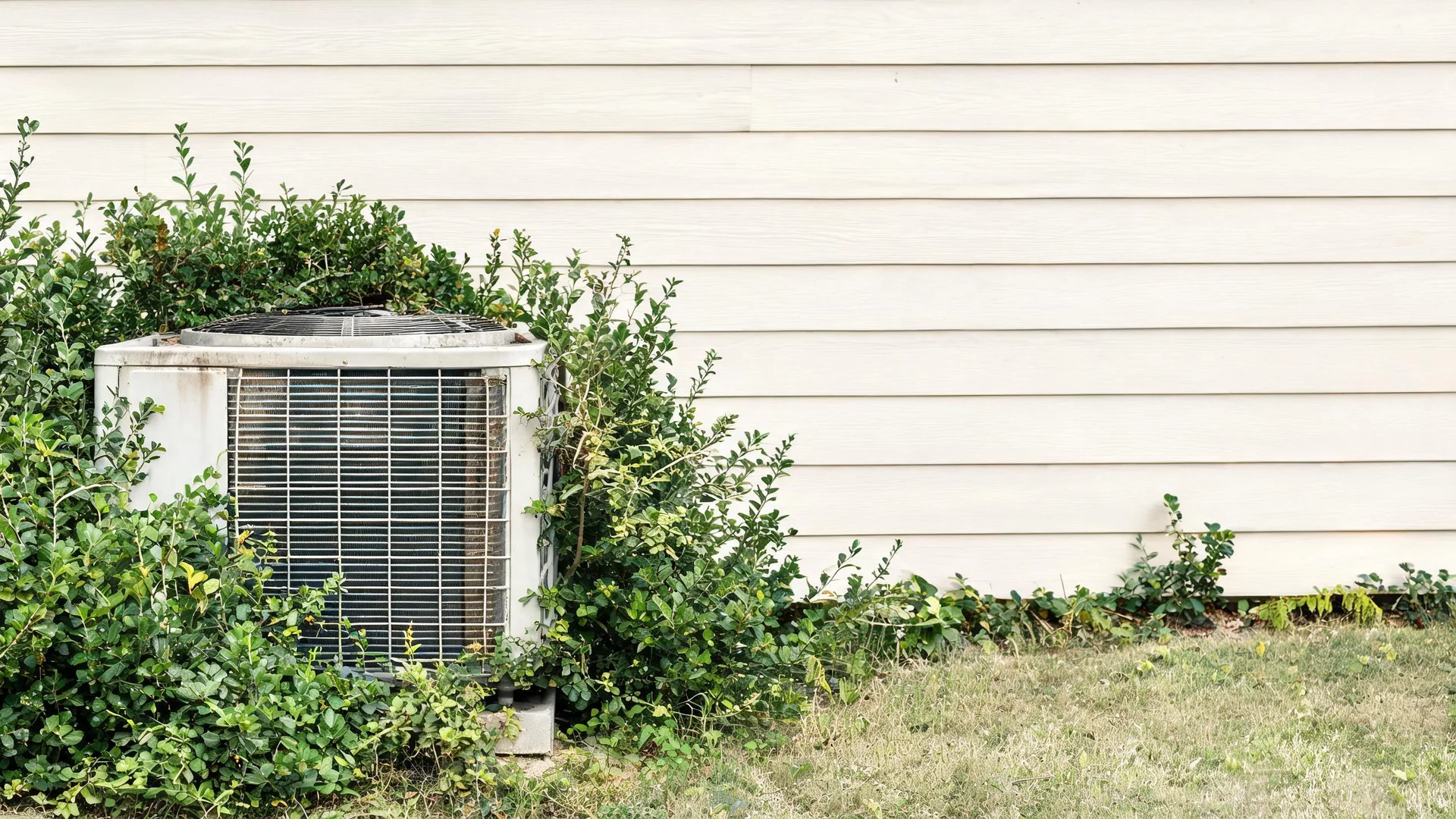
A heat pump outdoor unit mounted on a concrete pad next to the gray-sided exterior wall of a residential house.

Heat Pump Repair in Beulah, ND

Tell us about the job

Takes about a minute. No obligation.

RepairHeat PumpMercer County, ND
Step 1 of 2

What ZIP code is the job in?

A heat pump in Mercer County earns its keep

Mercer County sits in zone 6A, a cold climate with a long heating season. A heat pump here runs through hard winters and holds up against 65 damaging wind events and 41 hail events recorded between 2015 and 2024. That is a lot of hours and a lot of weather for one machine to answer to.


Parts give out sooner than the manual says

A heat pump pushed this hard wears on a schedule the brochure never mentions. The reversing valve, the defrost control, the outdoor coil, all of them see more cycles here than in a milder place. When something acts up, it is usually plain wear catching up with the machine, not a fluke, and it is worth having someone trace it to the actual part before calling it fixed.

9 months
September through May, your system heats
2 months
July through August, it cools
6°F
the average winter night it heats against
80°F
the average summer afternoon it cools against
Isometric line illustration of a cutaway single-story house showing interior rooms, ceiling ductwork and an indoor air handler, connected by a line to an outdoor condenser unit on a pad beside the building.
Your system heats September through May and cools July through August.

NOAA nClimDiv, 1991–2020 normals

Heat runs from September through May here, nine months out of twelve.

A weak part usually fails in those first September weeks, once the heat pump has to carry a full load again.

Electricity here is cheap, but a heat pump running wrong still runs up the bill

Power here costs 12.43 cents per kilowatt-hour
65 damaging wind events from 2015 to 2024
41 hail events from 2015 to 2024

Half the homes in Mercer County were built in 1981 or later, so plenty of the heat pumps out there are running in houses that haven't been standing all that long. If yours came with a newer build, the unit itself is probably not old enough to be worn out on age alone. A system still inside its working life is usually worth repairing rather than replacing, even after hard winters like these. Mobile homes make up a share of the housing here too, and those often run smaller systems that show strain the same way, just sooner. Either way, a breakdown now points more to a specific part giving out than to the whole machine being done.

Find out what's actually wearing out

The reversing valve, the defrost control, the outdoor coil: whatever's acting up on your heat pump, it's been working harder than the manual accounts for. Get it diagnosed properly so you're fixing the part that failed, not guessing.

Find a contractor
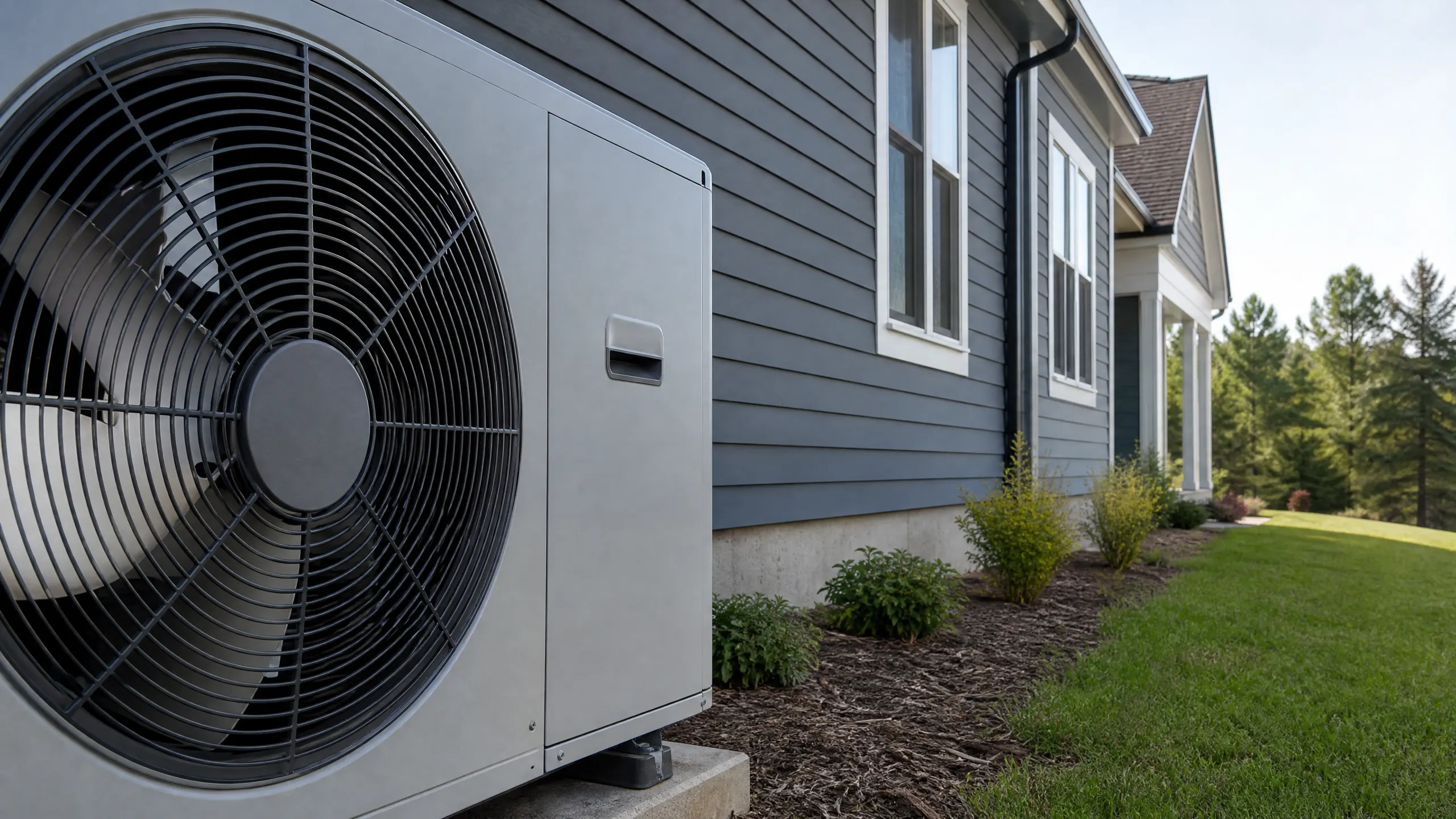
A gray heat pump condenser unit mounted on a concrete pad against the gray lap-siding exterior wall of a house.

What actually gives out

Most heat pump failures trace back to a handful of parts, and they tend to go in predictable ways. The capacitor that helps start the compressor and the outdoor fan weakens with age and heat cycles, and when it goes the unit hums but won't start, or the fan spins slow. The contactor, a set of electrical contacts that switches power to the outdoor unit, pits and burns with every cycle until it stops making contact reliably. Refrigerant leaks usually show up at a joint or a coil, slow at first, and they don't heal on their own. The defrost board can fail in a way that leaves the outdoor coil icing over with nothing to clear it. Fan motors wear out on their bearings and start making a grinding or squealing sound before they quit outright. None of these parts fail because the machine is old in years. They fail because they've done their job a certain number of times, and that count runs up faster on a machine that works hard in both directions, heating and cooling, instead of sitting idle half the year.

What the sounds and cycles tell you

A heat pump that keeps running but never seems to catch up is losing capacity somewhere, often the compressor or a low charge. Short cycling, where it kicks on and off every few minutes, usually points to a bad sensor or a control board telling it to shut down early. A clicking reversing valve that won't complete its shift will leave you stuck in one mode, heat or cool, when you need the other. Ice building up on the outdoor coil that doesn't clear during the defrost cycle means that cycle isn't finishing the way it should.

What to do once you notice it

None of these signs mean the whole system is done. Each one points to a specific part that failed, and a tech can usually confirm which one in a single visit. Waiting rarely helps a heat pump problem. A refrigerant leak gets worse, a struggling compressor can burn out trying to keep up, and ice on the coil left alone can back up into real damage. Getting it looked at while it's still one bad part is what keeps it a repair instead of a replacement.

A heat pump that's struggling doesn't fix itself by staying on. If the compressor is working harder than it should to reach temperature, it keeps drawing on itself the same way a car engine does climbing a hill in the wrong gear. That wear doesn't reverse when the thermostat finally shuts it off. A refrigerant leak behaves the same way. The system keeps circulating what's left, the compressor keeps trying to move a full charge through a line that's lost some of it, and the parts built to handle liquid refrigerant end up handling vapor instead, which they weren't built for. Ice on the outdoor coil follows the same pattern. Left alone, it blocks airflow, the unit pulls harder to compensate, and the coil can take damage that a clean defrost cycle would have prevented. The part that's struggling now is usually the cheapest part to fix. Left running, it tends to take a more expensive part down with it.

A heat pump pulling on cheap power all winter still adds up when something's making it work harder than it should. A stuck reversing valve or ice that won't clear off the coil means longer runtimes for the same heat, every day it goes unfixed. The bill shows it before you can name the part. Getting it diagnosed stops the waste at the source, instead of paying to run a machine that's fighting itself.