A snow-covered residential street at twilight with illuminated houses, bare trees, and an orange horizon glow beneath a deep blue sky.

Heat Pump Repair in Langdon, ND

Tell us about the job

Takes about a minute. No obligation.

RepairHeat PumpCavalier County, ND
Step 1 of 2

What ZIP code is the job in?

The cold here is hard on a heat pump

Cavalier County saw 51 winter storms between 2015 and 2024, counting heavy snow, ice and blizzards. Each one is a stretch where your heat pump has to pull warmth out of air that doesn't want to give it up. That strain lands on the compressor and the defrost cycle long before a part actually fails.

What that means for a repair call

A heat pump that has been through storms like that has usually been running at the edge of what it was built for. When something goes wrong, it's worth finding out which part gave out and why, not just resetting it and hoping. A fix that skips that step tends to come back.

9 months
September through May, your system heats
1 months
July through July, it cools
0°F
the average winter night it heats against
76°F
the average summer afternoon it cools against
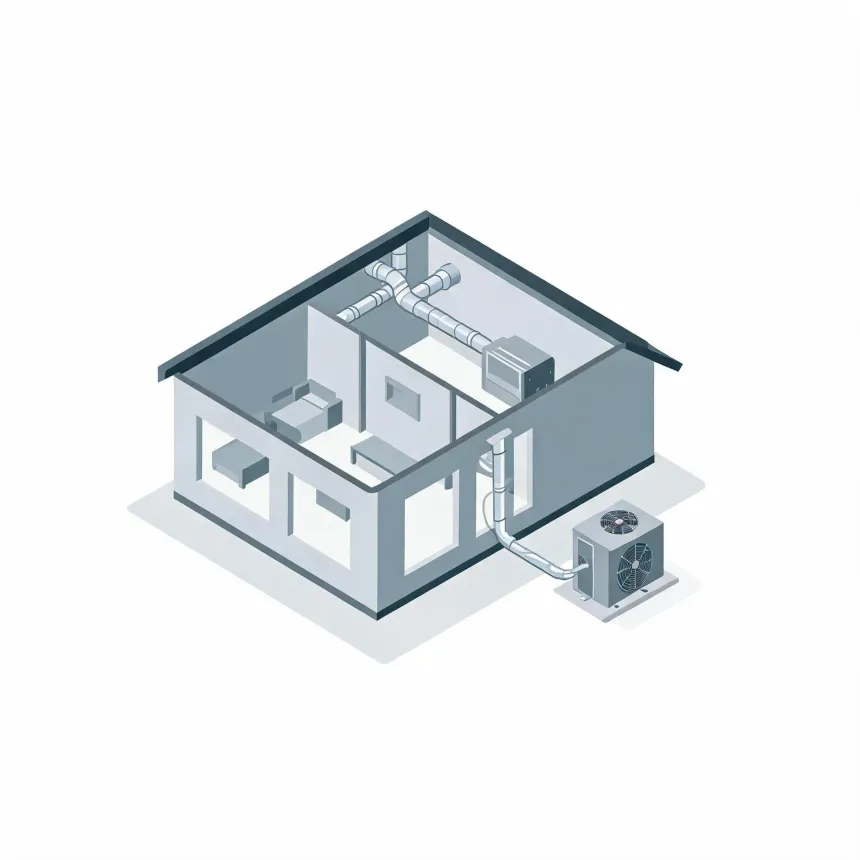
Isometric illustration of a cutaway house showing interior rooms, ceiling ductwork and an air handler, connected by lines to an outdoor condenser unit on a pad beside the building.
Your system heats September through May and cools July through July.

NOAA nClimDiv, 1991–2020 normals

Electricity here runs 12.76 cents per kilowatt-hour, cheaper than most of the country.

A heat pump that's running wrong still costs you every month it stays that way, even at that rate.

Half these homes were built before this machine was

Half the homes here were built by 1968
38 hail events from 2015 to 2024
51 winter storms from 2015 to 2024
Called in September, found in AugustHeat runs nine months here, and September is when a weak part finally gives out.

If your heat pump is short cycling, blowing cool air, or running nonstop and still losing the fight against the cold, that's not a problem that fixes itself with time. Cheap power doesn't help you if the unit is working twice as hard to do half the job. A compressor that's struggling draws more current whether electricity costs a lot or a little. The longer a bad part stays in the system, the more every other part around it has to compensate. Getting a tech out to find the actual cause, whether it's a failing defrost board, a refrigerant leak, or a worn contactor, stops that bill from climbing while you wait.

Find out what the winters already wore down

A heat pump that's been straining through storms like that doesn't fix itself quietly. Get the actual cause found, part by part, so the repair holds through the next one.

Find a contractor
A man in a navy T-shirt, tan work pants and cap, seen from behind, carries a worn canvas tool bag up wooden porch steps toward a dark blue front door.
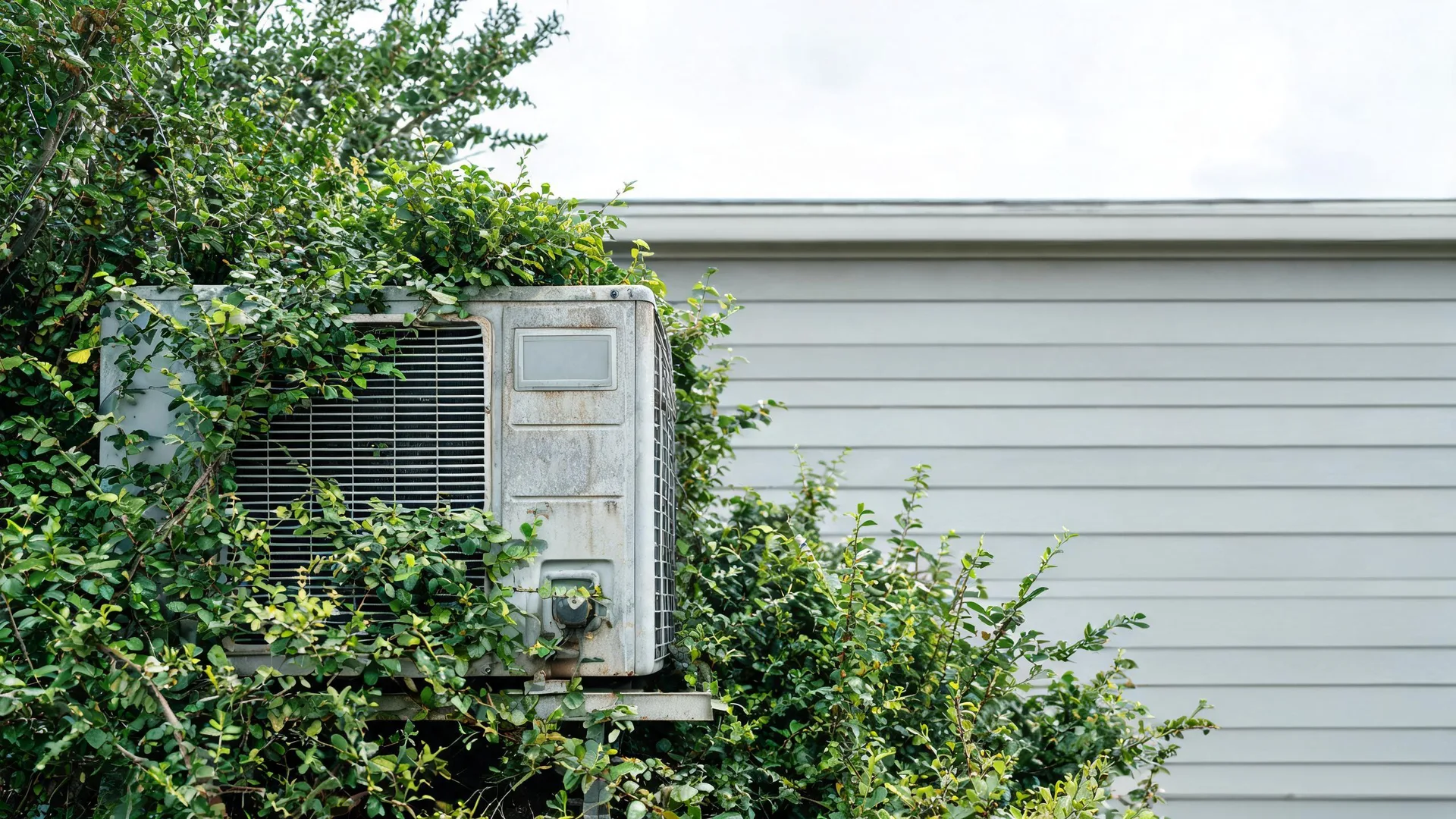
A white mini-split heat pump outdoor unit mounted on a concrete pad beside a gray-sided house, surrounded by gravel and green shrubs.

How many winters does this one have left

If your heat pump came with the house, its age is worth checking before you pay for a big repair. A compressor or control board replacement is money you don't want to spend on a unit that's already near the end of its run. Ask the tech doing the repair how many years are likely left in this one, not just what the fix costs today. That answer changes what's worth doing here.

A struggling heat pump doesn't rest, it fights harder

When a heat pump can't hit the temperature on the thermostat, it doesn't give up and idle. It keeps calling for more. The compressor stays under load longer, the reversing valve cycles more often, and whatever was already weak keeps taking that same strain, over and over, with no break to recover.

Small faults turn into bigger ones under load

A refrigerant leak that starts as a slow loss gets worse as the compressor keeps pulling against low charge. A failing capacitor that's barely getting the fan started wears out faster with every run. Letting the system keep working instead of shutting it down often turns a part replacement into a compressor replacement.

Before you call anyone, a few things are worth checking yourself. Look at the outdoor unit first. If it's packed in snow or ice, or if something is blocking airflow around it, that alone can make a heat pump struggle even with nothing actually broken. Check the air filter. A filter clogged with dust forces the system to work harder and can bring on problems that look like a bigger failure. Walk through the house and check if every room is affected or just one, since a single cold room often points to a duct or a blocked vent rather than the unit itself. Check the thermostat batteries and settings, including whether it's set to heat and not accidentally switched to fan only. None of this fixes a bad compressor or a refrigerant leak, but it rules out the simple stuff before you pay someone to find it for you.

A tech can tell you what's wrong. Whether it's worth fixing is a different question, and it comes down to what part failed and what else is close behind it. A capacitor or a contactor is a small job on its own, and replacing one doesn't say much about the rest of the system. A compressor or a reversing valve is a different conversation, because those are expensive enough that the age and condition of everything else start to matter. Ask what else is wearing down, not just what broke. A unit that's needed two or three repairs in as many years is telling you something a single fix won't change.