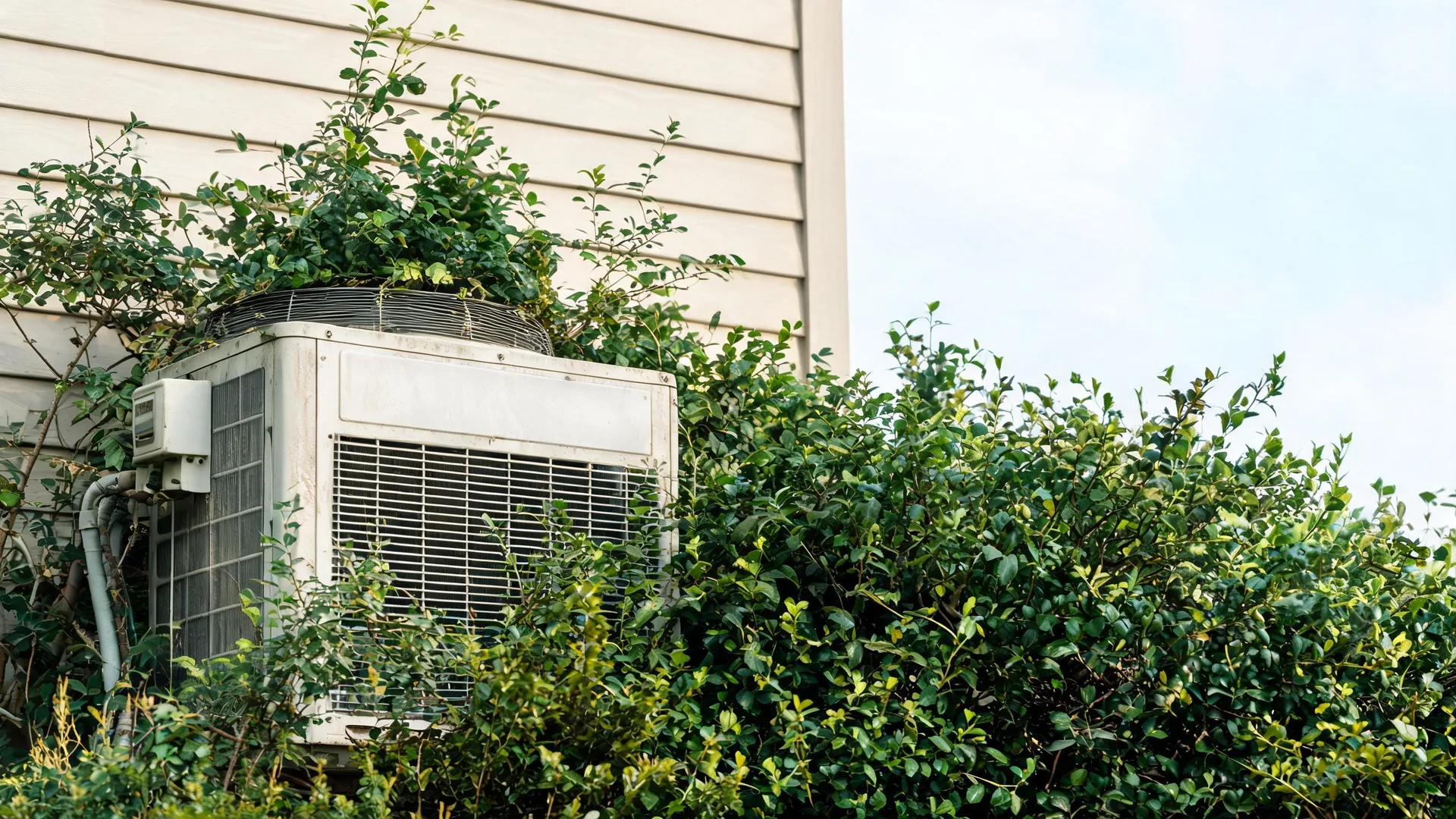
Nine months of heat, starting in September
A heat pump in Golden Valley County works from September through May, then switches over for July and August. That's most of the year on the heating side, so a weak part gets found fast.
Takes about a minute. No obligation.
A heat pump in Golden Valley County works from September through May, then switches over for July and August. That's most of the year on the heating side, so a weak part gets found fast.
If your heat pump struggled last winter or is already making noise, August is the time to get it checked, before heat season starts back up in September and puts full load on it again.

NOAA nClimDiv, 1991–2020 normals
Winter nights in Golden Valley County average 8°F, and your heat pump runs hardest right at that mark.
A heat pump that struggles at 8°F isn't facing anything unusual for this area. It's more likely a low charge or a worn part than a sign the cold is too much.




If the heat pump came with the house rather than going in new, ask the contractor how many years it has left before you pay for a major repair. A unit near the end of its life can still be worth fixing for one more season, but not always worth a compressor replacement. Have them check the age against the make and model when they come out, since that tells you more than the house does. That answer should decide whether to repair or start pricing a new system.
Problems tend to show up in the first weeks of the season, when the load hits a part that was already weak.
Find a contractor
A heat pump that's struggling doesn't fail all at once. A weak capacitor makes the compressor work harder to start each cycle, so it draws more current every time it kicks on, and that wear adds up. Low refrigerant charge makes the compressor run longer to hit the same indoor temperature, which runs it hotter than it's built to handle. A frozen outdoor coil blocks airflow, so the system pulls in less heat and leans on the backup strip heat to make up the difference, and you still end up with a house that doesn't feel warm. None of that corrects itself by running longer. The part that's struggling now is the part that quits outright later, and running it hard in the meantime only moves that day closer.
The outdoor unit holds the compressor, the reversing valve and the fan motor, and all sit exposed to the weather year round. The reversing valve is what lets a heat pump switch between heating and cooling, and when it sticks, the system blows air that's the wrong temperature for what you asked it to do. A failing run capacitor makes the compressor or fan motor struggle to start, and a motor that struggles to start burns out sooner.
A dirty filter or a blocked return can make a heat pump seem like it's dying when the real problem is just restricted airflow. Low airflow makes the indoor coil run too cold, ice builds up on it, and the system loses its ability to pull heat from outside. Checking the filter and the vents first can rule out a simple fix before anyone starts talking about the compressor.
A few things are worth checking before anyone comes out. Look at the outdoor unit first. If snow or ice has built up around the base or the coil is caked over, clear it away so air can move through. Check the filter next, since a clogged one starves the system of airflow and can make it seem like it's failing when it isn't. Walk around the house and make sure no vents are closed or blocked by furniture. If the thermostat has a battery, swap it, because a low battery can cause the system to act erratic or stop calling for heat at all. None of this fixes a bad capacitor or a stuck reversing valve, but it rules out the easy stuff first.
A diagnostic visit starts outside at the unit itself, not with a clipboard of guesses. The tech checks the refrigerant pressure, the amp draw on the compressor and fan motor, and the voltage at the capacitor, because those numbers point straight at what's failing instead of what might be. Then comes the reversing valve, cycled both ways to see if it actually switches when it's told to. Inside, the tech checks the temperature of the air coming off the coil against what's going in, since that difference says whether the system is actually moving heat or just moving air. Most of this gets answered with gauges and a meter, not by listening to the unit run and taking a guess. By the end, the tech should be able to name the part that's failing, not just the symptom you called in about.