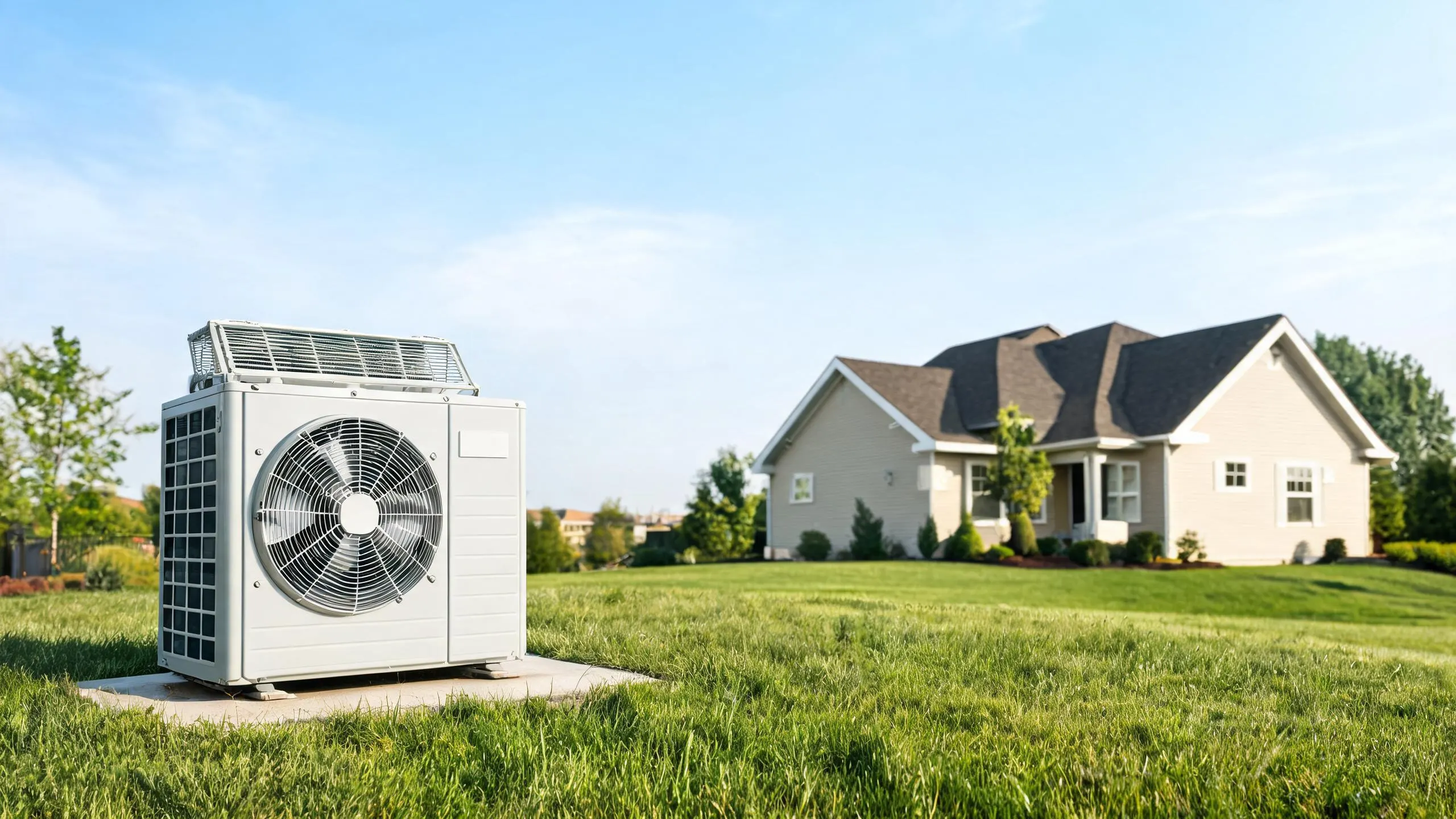





An outdoor air conditioning condenser unit mounted on a concrete pad in front of a single-story suburban house.

Heat Pump Repair in Marmarth, ND

Tell us about the job

Takes about a minute. No obligation.

RepairHeat PumpSlope County, ND
Step 1 of 2

What ZIP code is the job in?

Heat pumps here work hardest right at the start of each season, not in the deep stretch of winter. Heat kicks on in September, so a part that's been weakening all summer tends to fail right when it has to switch over and carry the load. Same with August, the month before cooling starts, if the system sits idle for a stretch before July. A heat pump that struggles to switch modes or keeps running without warming the house is usually pointing to something specific, like a reversing valve or a failing capacitor, not a sign the whole unit is done. Worth having someone look at it as soon as you notice it, since a small problem at the start of the season tends to get worse once the system is running daily.

9 months
September through May, your system heats
2 months
July through August, it cools
9°F
the average winter night it heats against
81°F
the average summer afternoon it cools against
Isometric cutaway illustration of a single-story house showing interior rooms with ductwork, an indoor air handler unit, and an outdoor condenser unit connected by lines along the exterior wall.
Your system heats September through May and cools July through August.

NOAA nClimDiv, 1991–2020 normals

Slope County winters average 9°F overnight, and that's within range for a heat pump to handle.

If yours won't hold a setpoint on a night like that, look at the thermostat settings and the reversing valve before you assume the cold is too much for it.

Half the homes here are old enough that their heat pump isn't the first one

Half the homes here were built by 1961
34 hail events from 2015 to 2024
21 winter storms from 2015 to 2024

Electricity in North Dakota ran 11.51 cents per kilowatt-hour in 2024, and that number matters more for a heat pump than it does for a furnace, since the whole system runs on it rather than burning gas for heat. That's one more reason a repair is worth doing right instead of patching around it. A heat pump losing efficiency, from a dirty coil or a low charge, costs more to run every month it goes unfixed, not just when it finally fails outright. None of this is particular to Marmarth. It's the same reason to fix it early anywhere the power bill reflects what the system is actually doing.

Ask how much life is left in it before you fix it

If your heat pump came with the house, ask whoever looks at it how much life is left before you commit to fixing this one. That answer tells you whether a repair is worth doing or whether you're better off putting that money toward a new system.

Find a contractor
A gray air-source heat pump mounted on a concrete pad next to a house with gray vinyl siding, surrounded by gravel and flanked by green shrubs and white hydrangea flowers.

It runs all year, and that wears specific parts

A heat pump works year round, cooling when it's warm out and heating when it's cold, so the parts that cycle the most tend to be the first to show wear. The reversing valve is the one that switches the system between heating and cooling. After enough cycles it can stick partway, and you'll notice the system blowing cold air when you called for heat, or the other way around. The run capacitor holds the charge that starts the compressor and the fans. As it weakens, the outdoor unit hesitates before it kicks on, or you hear it try and fail to start. The defrost board watches the outdoor coil during cold weather and tells the system when to melt the frost off. When it fails, the coil ices over and stays that way, and airflow drops off until the system can barely move heat. A unit that short-cycles, runs constantly without hitting the set temperature, or makes a new noise is usually pointing to one of these parts, not the whole system.

Check the thermostat before the unit

Make sure it's set to heat, not auto, and that the setpoint is actually above room temperature. Some thermostats have a separate switch for emergency heat that gets bumped by accident. If the display is blank, check for a tripped breaker before you assume the system itself is dead.
Look at the outdoor unit

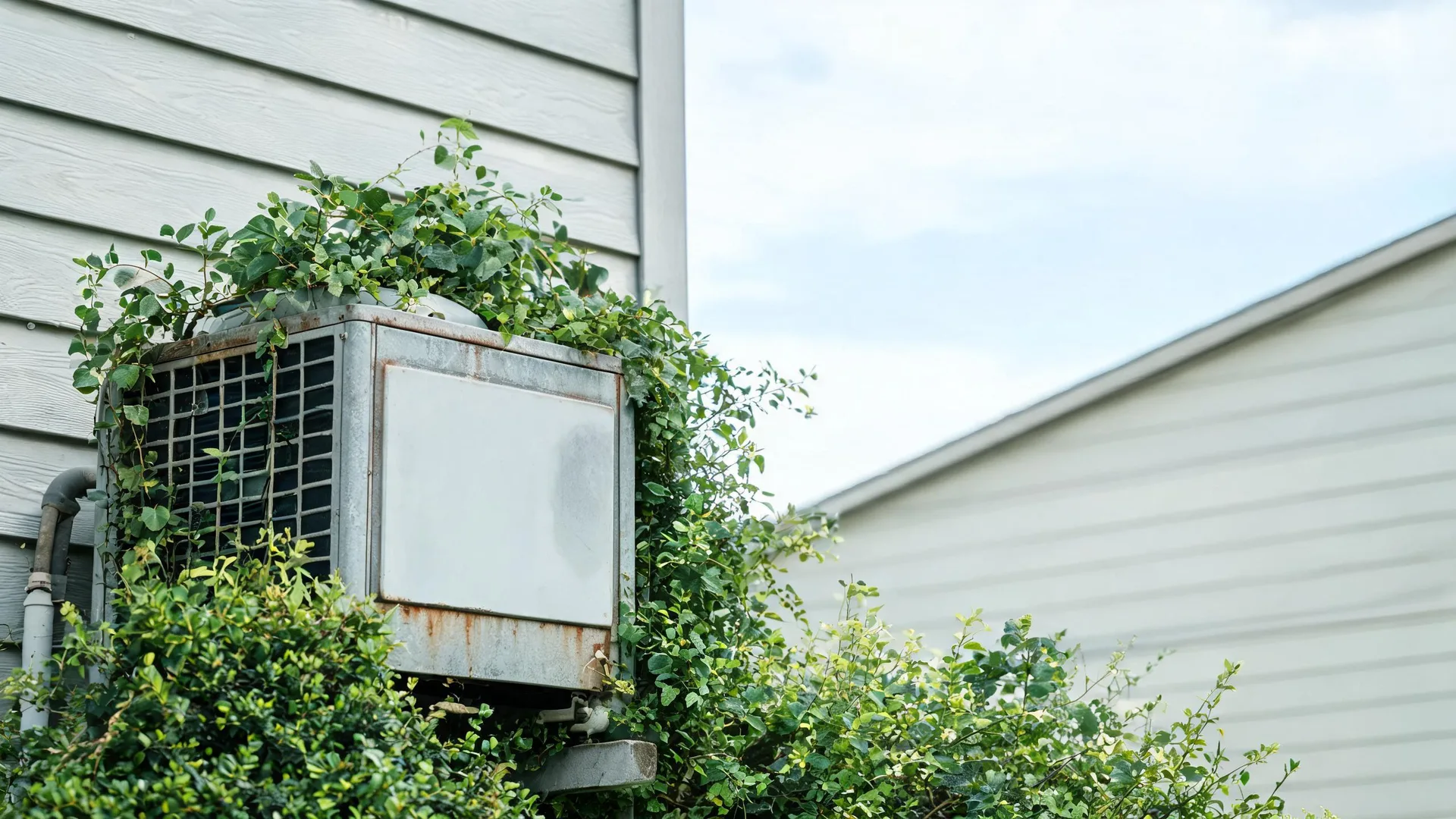
Walk outside and see if it's running at all. A layer of ice on the coil means something is wrong with defrost, not just cold weather. Snow or debris packed against the sides blocks airflow and can make the system struggle even when every part inside it is fine. Clearing it takes a minute and rules out the simplest cause first.

A lot of heat pump failures trace back to the outdoor unit, since that's the part sitting in the weather all year. The compressor is the heart of the system, and once it fails the whole unit usually needs replacing rather than repairing. Low refrigerant charge is different and worth catching early. It almost always means a leak somewhere in the lines, and running the system low on charge for months at a time makes the compressor work harder than it should, which shortens its life. Fan motors wear out too, either the one on the outdoor unit or the one inside, and a motor that's struggling will sound strained before it quits outright. Catching a fan motor or a refrigerant leak early is a straightforward repair. Letting either one run too long is what tends to take the compressor down with it.

Age matters more than any single symptom when you're deciding whether to fix a heat pump or start over. A younger system is usually worth repairing almost regardless of what broke, since the compressor and the cabinet still have good years left in them. An older one changes the question. A failing part on an old unit is often a sign the rest isn't far behind it, and paying for a repair now can mean paying for another one next season. The other thing to weigh is what actually failed. A capacitor or a fan motor is a contained repair with a clear end point. A compressor failure is different, since replacing just the compressor rarely makes sense once you account for the age of everything else attached to it. If a contractor tells you the compressor is going, that's usually the moment to ask about the whole system instead of just the part.