A snow-covered suburban street at dusk with lit houses and bare trees under a twilight sky.

Heat Pump Installation in New Town, ND

Tell us about the job

Takes about a minute. No obligation.

New system or replacementHeat PumpMountrail County, ND
Step 1 of 2

What ZIP code is the job in?

Electric heat is the most common setup here

Electricity heats 43.9% of homes in Mountrail County, more than gas or propane. A heat pump fits right into that kind of setup, since it runs on electricity too and can replace baseboard or furnace heat without any new fuel line.


Propane and gas are still common enough to plan around

Propane heats 31.4% of homes here and gas heats 21.0%. If your home runs on either one, a heat pump can still work alongside it, taking over the mild days and leaving the furnace for the coldest ones.

10 months
September through June, your system heats
2 months
July through August, it cools
4°F
the average winter night it heats against
79°F
the average summer afternoon it cools against
Isometric line illustration of a cutaway single-story house showing interior ductwork, an indoor air handler unit, and an outdoor condenser connected by refrigerant lines, with a dark shingled roof.
Your system heats September through June and cools July through August.

NOAA nClimDiv, 1991–2020 normals

The efficiency rating on a heat pump compares the heat it delivers against the power it draws, and a higher number means more heat for the same electricity.

Systems with different ratings can run up very different power bills side by side in the same house, even if both keep it just as warm.

A standard heat pump is built for nights this cold

Power costs 11.51 cents a kWh statewide
59 hail events from 2015 to 2024
Winter nights average 4°F

Heat pump installations here go faster in summer, before August runs out. September is when heat takes over in Mountrail County, and once it's on, it stays on through June. A new system needs time to get sized and set up right, and a contractor has more room to do that in July than in the last week of August. Cooling only runs July through August here, so there's a short window where losing it matters less than losing heat would. Get it done in that window and the system is already proven out before the long heating stretch starts.

Go with the standard fit

A standard size and efficiency fit fine here. There's no local reason to go bigger or pricier.

Find a contractor
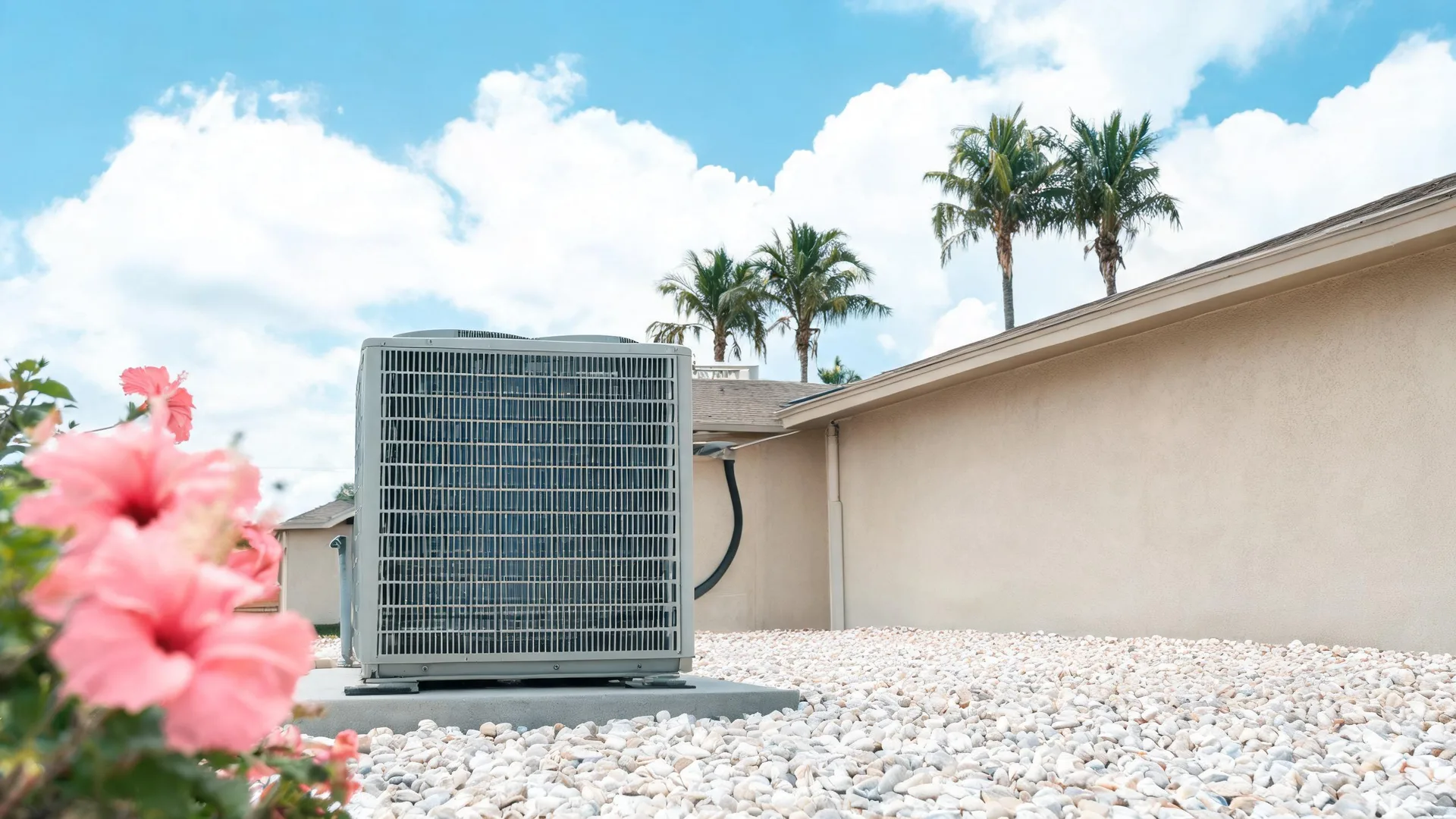
A gray heat pump outdoor unit mounted on a concrete pad next to the stone-accented exterior wall of a house.

What's under the cost of putting one in

Size is what drives most of the cost. A heat pump has to be matched to the home it's heating, and getting that right takes a load calculation, not a guess based on the old system. Go too small and it runs constantly without catching up. Go too big and it short cycles, turning off before it finishes a full heating or cooling run, which wears on the compressor over the life of the system. Beyond sizing, the ductwork matters just as much. If the ducts already in place aren't suited to a heat pump's airflow, they may need rework before the new system can perform the way it's rated to. Installation also carries more than just setting the unit outside. The refrigerant lines need to be run and sealed, the electrical hookup has to match what the compressor draws, and the system needs startup checks once it's in place to confirm it's holding charge and cycling the way it should. None of that shows up on the label of the unit itself, but it's what decides whether the heat pump performs for years or struggles from day one.

Sizing comes from a load calculation, not the old unit

A contractor measures the home, the windows, the insulation, and works out how much heat it actually loses, room by room. Swapping in a heat pump sized to match whatever was there before skips that step, and the old system may never have been sized right either.

Wrong size shows up fast, in how the system runs

An undersized heat pump runs nonstop and still can't hold the temperature on the coldest nights. An oversized one blasts heat, shuts off, then kicks back on again a few minutes later, never settling into a steady cycle. Both wear the compressor down faster than running it the way it's built to run.

Ask what happens on the coldest night of the year, not just the mild ones. Every heat pump loses some capacity as the temperature drops, and the spec sheet should show output at low temperatures, not just at a mild setpoint. Ask whether backup heat is included and how it switches on, since most systems pair with some form of strip heat or a furnace for the nights the heat pump can't fully cover alone. Ask about the sound rating too, since the outdoor unit runs through the coldest months instead of sitting idle, and a loud compressor right outside a bedroom window gets old fast. Ask what the warranty covers on the compressor versus the rest of the system, because that part costs the most to replace if it fails early. And ask who's doing the load calculation, because a quote based on guesswork isn't really a quote at all.

Installation starts with the outdoor unit and indoor coil going in, then the refrigerant lines get run between them and sealed tight, since any leak there means lost charge down the road. The electrical hookup comes next, sized to match what the compressor actually draws, not just spliced into whatever wire was feeding the old system. If ductwork needs rework to handle the heat pump's airflow, that happens before anything gets buttoned up, not after. Once the unit is set and wired, it gets charged with refrigerant and run through startup checks, cycling through heating and cooling to confirm it holds charge and shuts off the way it should instead of short cycling. A contractor should walk through the thermostat and any backup heat settings before leaving, since that's what decides how the system behaves on the coldest night, not just the first mild one.