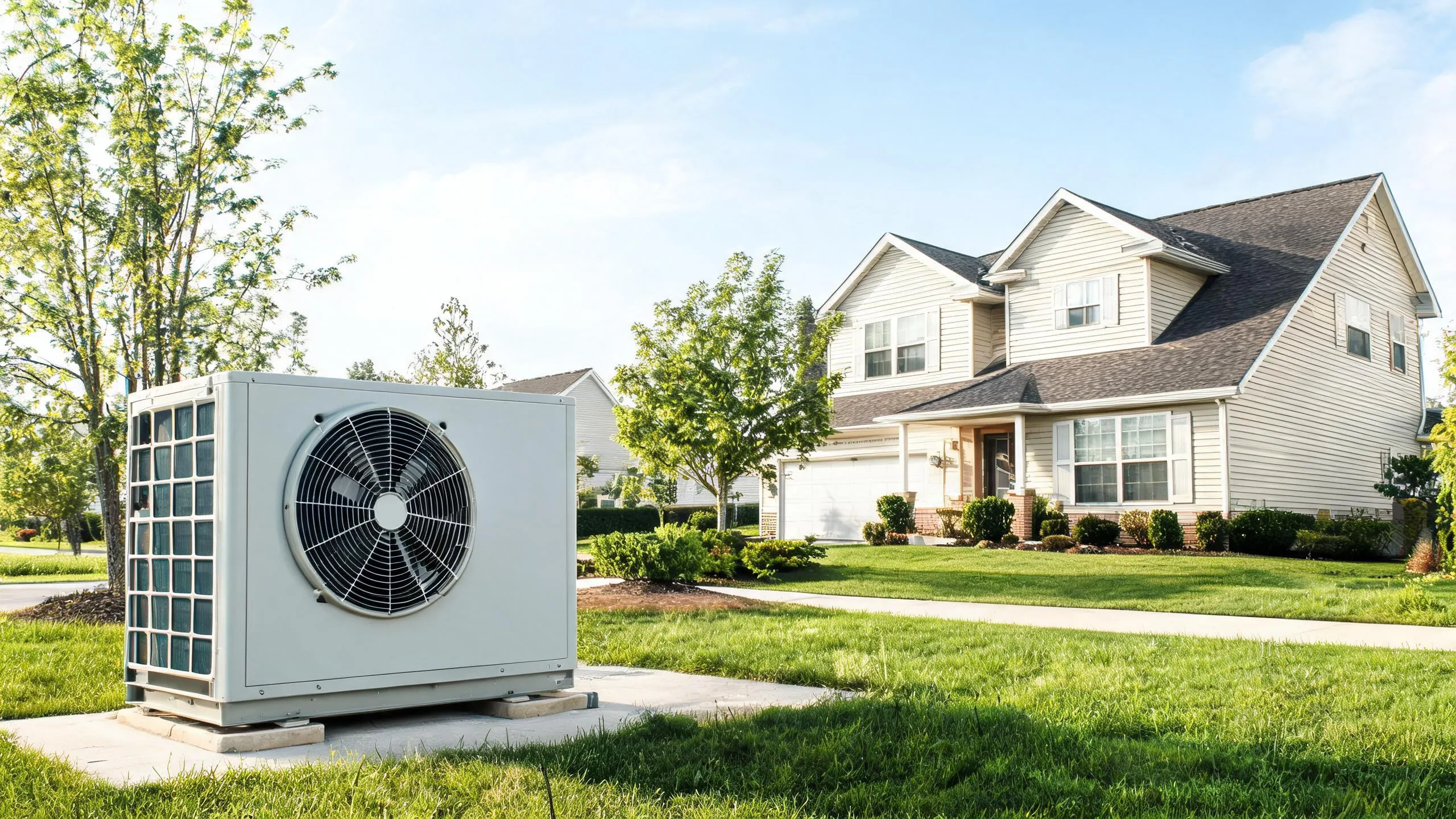







An outdoor heat pump unit mounted on a concrete pad in front of a two-story suburban house with a landscaped lawn.

Heat Pump Installation in Leeds, ND

Tell us about the job

Takes about a minute. No obligation.

New system or replacementHeat PumpBenson County, ND
Step 1 of 2

What ZIP code is the job in?

Electricity here runs about 10.52 cents per kilowatt-hour, lower than in most US counties. A heat pump runs on electricity to do its work, and here that work includes carrying a house through a hard winter. A unit with a poor efficiency rating uses more power to put out the same heat. One with a strong rating uses less power for that same heat, so a low electric rate keeps paying off instead of getting absorbed by a system working harder than it needs to. The installation is where that efficiency gets set for the life of the system.

9 months
September through May, your system heats
2 months
July through August, it cools
1°F
the average winter night it heats against
78°F
the average summer afternoon it cools against
Isometric line illustration of a cutaway house showing interior rooms with furniture, ceiling ductwork connected to an indoor air handler, and an outdoor condenser unit linked by refrigerant lines.
Your system heats September through May and cools July through August.

NOAA nClimDiv, 1991–2020 normals

Half the homes in Benson County were built in 1972 or earlier.

An install in a house that age has to match the heat pump to the house, not the other way around.

87 wind events, 60 hail events, 39 winter storms, and the system sits outside for all of it

87 damaging wind events from 2015 to 2024
60 hail events from 2015 to 2024
39 winter storms from 2015 to 2024
Get it done before SeptemberHeat here runs nine months a year, from September through May.

Benson County sits in climate zone 7 under the 2021 energy code, the coldest tier the code uses. Any split-system heat pump installed here has to meet the federal minimum for that equipment: at least 14.3 Btu of cooling delivered for every watt-hour it draws, and at least 7.5 Btu of heat for every watt-hour in winter. Those numbers are the floor, not a target, so they narrow down which units a contractor can legally install in the first place. A system rated right at the minimum will run, but it spends more watt-hours to hold the house at temperature than one built above it. Where a system lands above that floor is part of what gets decided at installation, not after.

Get the efficiency right now, because the rate is already in your favor

Benson County pays less per kilowatt-hour than most of the country, and this installation decides whether that rate works for you or against you. A heat pump sized and set up right will use that cheap power to good effect. One that's just good enough to meet the code floor will cost you more every month it runs, and it runs most months here.

Find a contractor
A man in a cap, dark jacket and tan work pants carries a canvas tool bag up concrete steps toward a dark blue front door, with a potted shrub beside the entry.
A gray air-source heat pump mounted on a concrete pad next to a house with gray vinyl siding, surrounded by gravel and flanked by green shrubs and white hydrangea flowers.

Size it to the house you have

A load calculation is what matches the heat pump to the house, not a guess based on square footage. Half the homes in Benson County were built in 1972 or earlier, and a calculation on a house that age has to look at the house as it stands now, not pull a number off the old system's nameplate. A heat pump too big for the house cycles on and off instead of running steady. One too small struggles through the worst of a Benson County winter. Either way the house loses the benefit of that cheap electric rate.

Ask for the capacity at your coldest temperature, not just the rated output

A heat pump's output drops as the air outside gets colder, and every unit has a point where it can't pull enough heat from outside air to keep up on its own. That's when a backup heat source has to take over. When you compare systems, ask what each one can still deliver at the coldest temperatures it will see, not just the number on the spec sheet measured at a mild outdoor temperature. Two systems with the same rated capacity can behave very differently once it's actually cold.
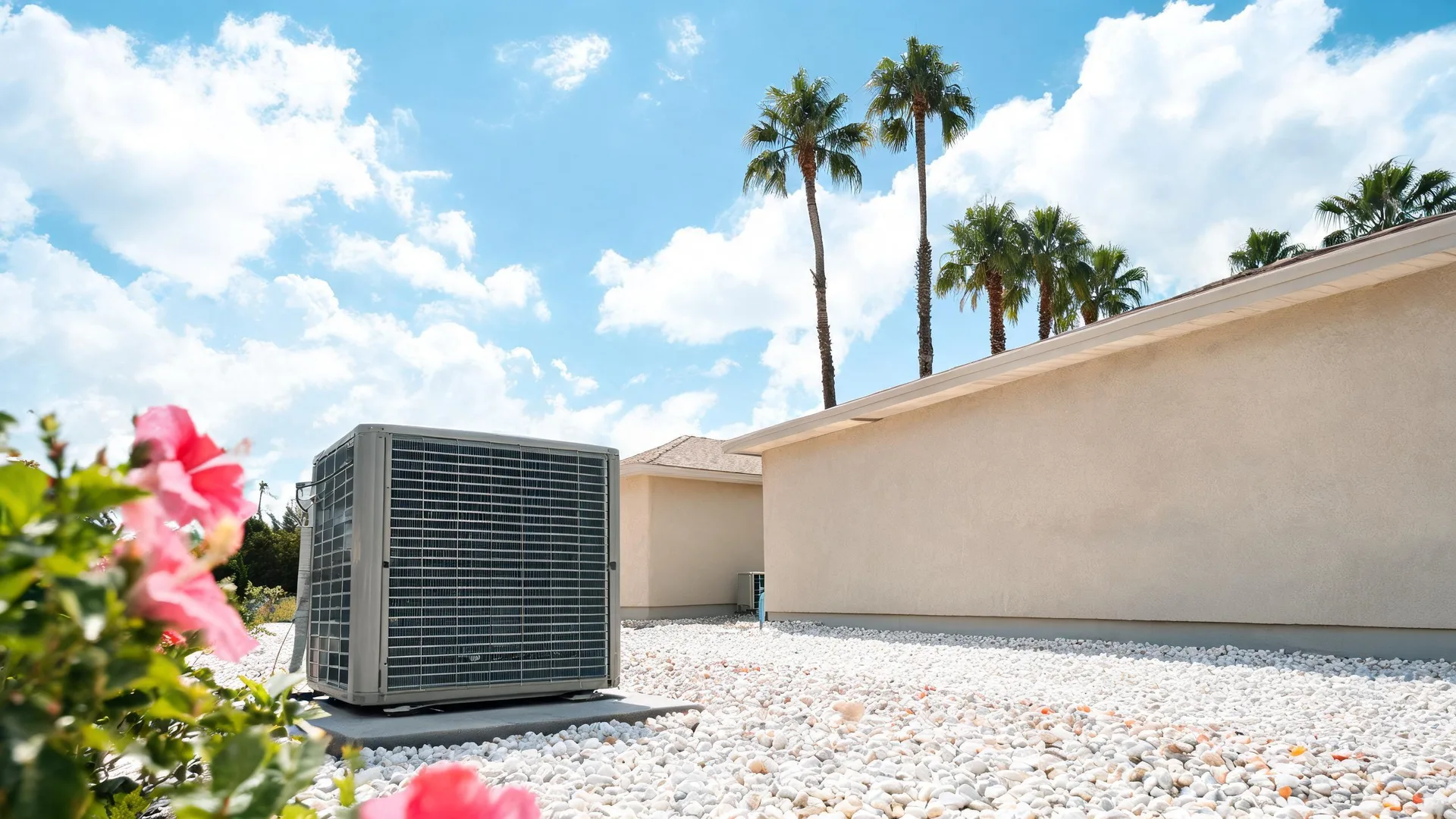
Ask who is sizing the backup heat, and how

Most heat pumps pair with a backup heat source for the coldest stretches, and that backup has to be sized to the house, not bolted on as an afterthought. If a contractor can't tell you how the backup will be controlled, when it switches on, and how it works with the heat pump rather than against it, that's a gap worth asking about before you sign anything. A heat pump and its backup are one system, and they need to be set up as one.

What drives the price of an install is everything that happens before the unit ever turns on. The equipment itself is one line item. The rest is labor: sizing the system correctly, running or modifying the ductwork to move the air that system needs to move, setting the refrigerant lines, and wiring in the controls that tell the heat pump and the backup heat how to work together. A house that needs duct changes or an electrical panel upgrade to support the new system costs more to finish than one that doesn't, no matter which unit gets installed. Where the outdoor unit sits and how far it is from the indoor equipment changes how much line and labor the job takes. A contractor who spends more time on the load calculation and the setup isn't padding the job. That work is what decides whether the system runs the way it's supposed to once it's installed.

Propane heats most homes in Benson County, close to six in ten. Electric heat accounts for about a quarter, and a small share run on fuel oil or utility gas. A heat pump doesn't replace that propane furnace so much as take over most of the load from it. On the mild days it can carry the house by itself. On the coldest days the furnace still has a job to do, backing up the heat pump instead of running alone like it used to. That pairing is common enough here that a contractor working in Leeds has likely set one up before, propane furnace and heat pump working off the same thermostat.