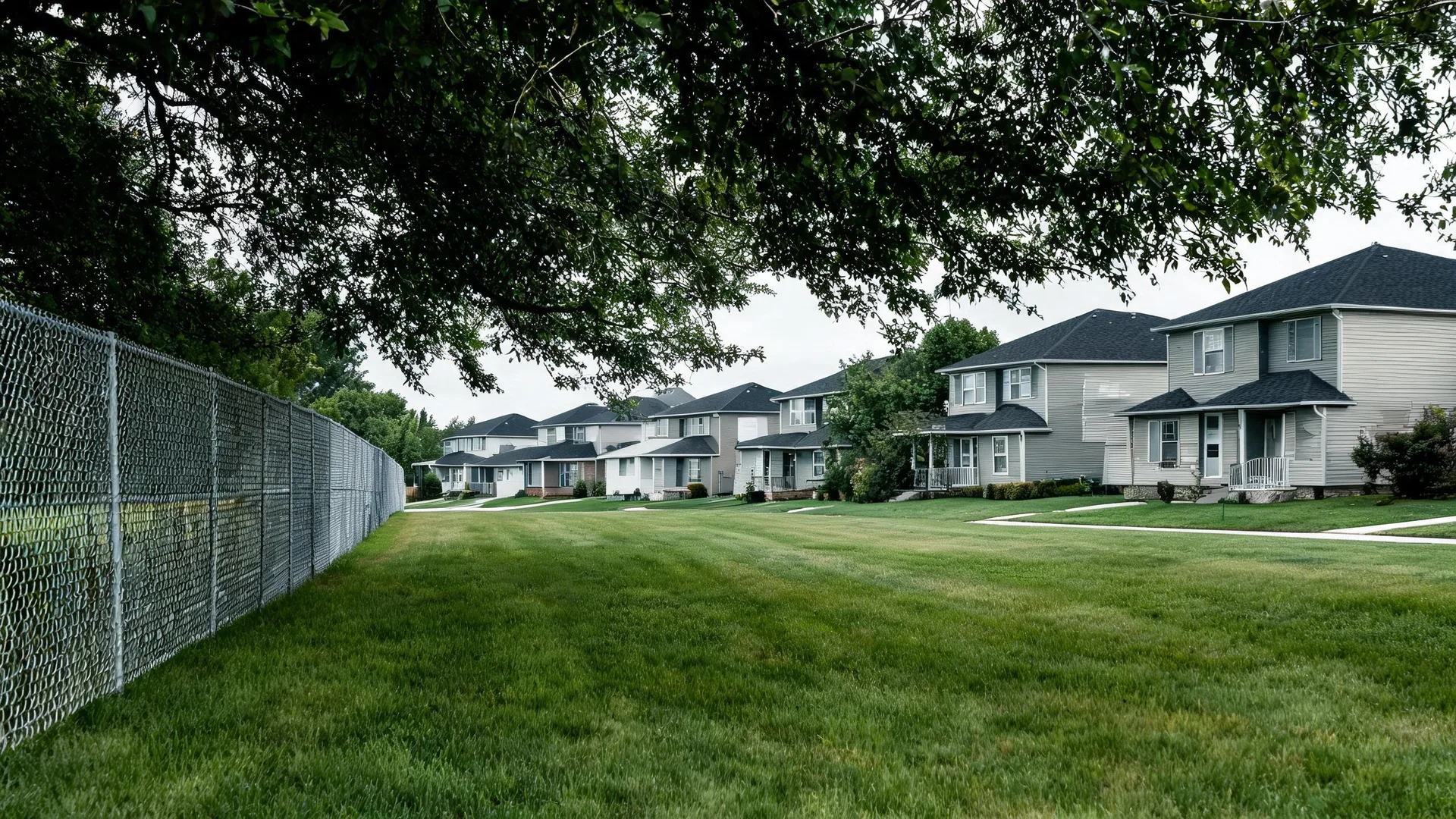






A mown grass lawn bordered by a chain-link fence on the left leads toward a row of gray two-story and single-story houses with gabled roofs under an overcast sky, with tree branches overhanging the top of the frame.

Heat Pump Installation in New Rockford, ND

Tell us about the job

Takes about a minute. No obligation.

New system or replacementHeat PumpEddy County, ND
Step 1 of 2

What ZIP code is the job in?

Eddy County actually pays less for electricity than most of the country, 11.03 cents per kilowatt-hour in 2025. That helps, since a heat pump runs on electricity and a New Rockford winter asks a lot of it. But cheap power only goes so far when the unit is working harder than it should. A heat pump that is sized wrong or installed loose around the ductwork pulls more kilowatt-hours to do the same job, and those add up fast across a winter this long. The rate is on your side here. Whether the installation wastes it is a different question.

9 months
September through May, your system heats
2 months
July through August, it cools
2°F
the average winter night it heats against
78°F
the average summer afternoon it cools against
Isometric cutaway illustration of a gray house showing interior rooms, a central air handler with ducts in the attic, and refrigerant lines running to an outdoor condenser unit beside the building.
Your system heats September through May and cools July through August.

NOAA nClimDiv, 1991–2020 normals

Heat here runs nine months, September through May.

Get a heat pump installed before August and it's ready for that first long stretch, not getting sized up on the coldest week of the year.

Most of Eddy County already heats with gas, and that is what a heat pump has to work alongside

51.7% of homes heat with gas
40 hail events from 2015 to 2024
42 winter storms from 2015 to 2024

A blizzard does not care that the outdoor unit just got installed. Eddy County saw 42 winter storms between 2015 and 2024, and a heat pump has to keep pulling heat from the air through every one of them. That is a different job than running in a mild climate, and it is why sizing matters more here than the brochure number on the unit. A heat pump sized too small will run flat out on the hardest nights and still fall behind. One sized too large cycles on and off and wears its parts faster doing it. Get the sizing matched to this house, not to a quick estimate, and ask what happens to heat output when the temperature really drops.

Get the installation right and the low rate works for you

The rate here is already in your favor. What determines your bill from here is whether the installation makes good use of it, the sizing matched to your house and the ductwork sealed up tight. Get that right at install and the low rate keeps paying off for as long as the system runs.

Find a contractor
A man in a cap, dark T-shirt and brown work pants walks up porch steps toward a navy front door, carrying a canvas tool bag.
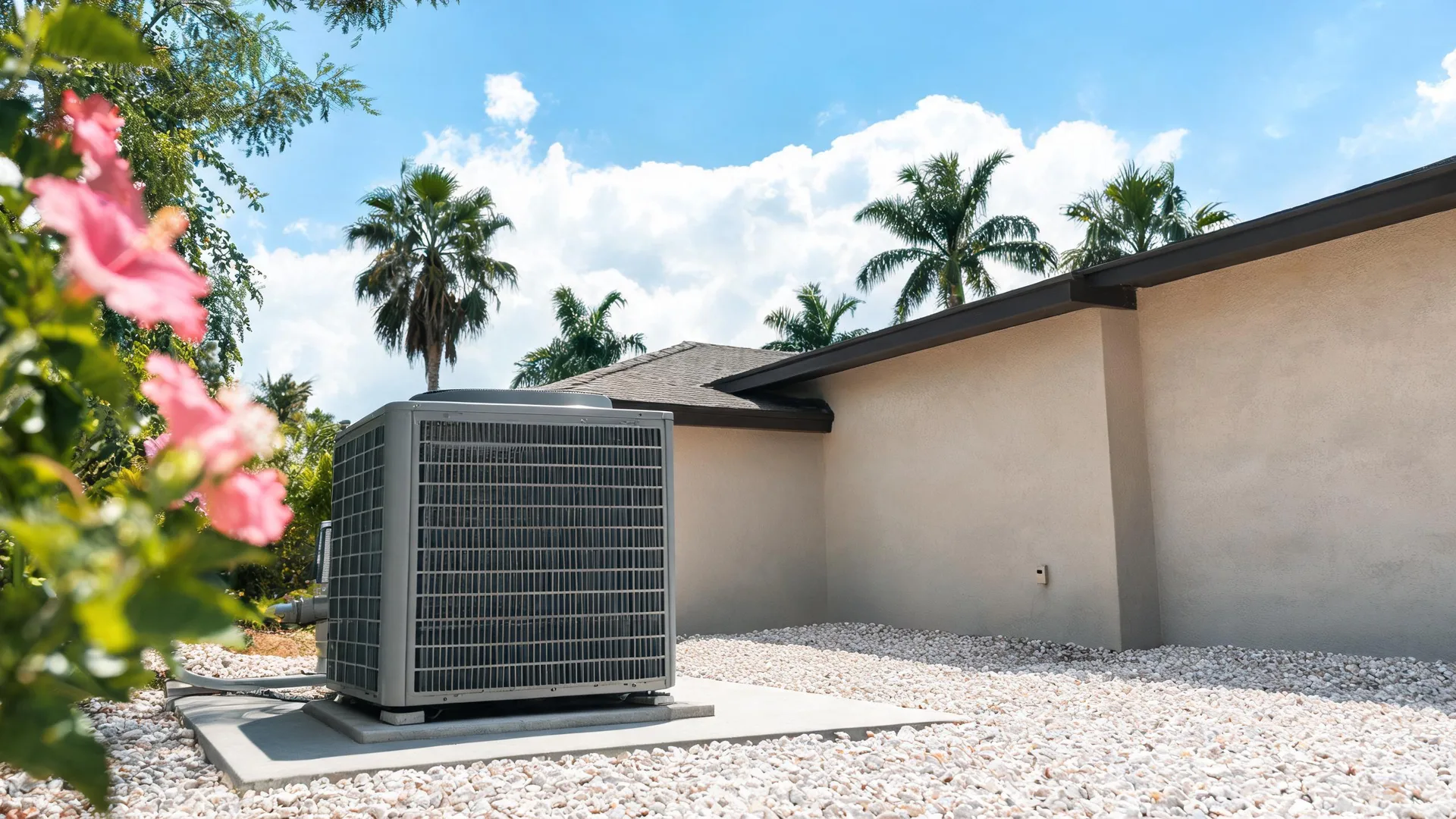
A dark gray heat pump unit mounted on a concrete pad next to a house with gray siding and a stone veneer wall.

An older house changes the job

Half the homes in Eddy County were built in 1966 or earlier. A house that age was almost never built with a heat pump in mind, and the ductwork in it was sized for whatever furnace came first. Pushing heat pump air through ducts that are too small or too leaky costs you output before it ever reaches a room. None of that shows up by looking at the unit sitting outside. It shows up in how the contractor handles the ducts and the house around them, not just the equipment they set on the pad.

The equipment is half the bid

The outdoor unit and the air handler are a fixed cost, and that cost moves with capacity and with features like variable-speed compressors or cold-climate rated components. A unit built to keep producing heat at low outdoor temperatures costs more than a standard model, but it is doing a harder job. That part of the price is easy to compare side by side on paper.
The labor is where installs go wrong or right

Setting the unit on a pad is the easy part. The line set has to be run and charged correctly, the electrical disconnect sized to the unit, and the ductwork checked for leaks and restrictions before any air moves through it. A contractor who skips the duct work to save time hands you a system that never performs like the one on the brochure. That labor does not show up when you look at the equipment, only in how the house heats once it is running.

Every heat pump carries a rating that tells you how much heat it moves for the electricity it uses, and that number is measured at a mild outdoor temperature, not at the temperature that makes your furnace kick on back home. As the air outside gets colder, a heat pump has to work harder to pull the same heat out of it, and the efficiency it actually delivers drops below the number on the label. A unit rated for cold climates is built to hold more of that efficiency as the temperature falls, with a compressor that can ramp up instead of just switching on and off. That is why two units with the same rating can run very differently once winter sets in. The label tells you what the machine can do on a good day. What matters more is how much of that it keeps on the days that aren't.

Eddy County falls under zone 6A, the cold end of the national energy code. Any heat pump installed here has to meet the federal minimum too, moving at least 7.5 Btu of heat for every watt-hour it uses over the winter and at least 14.3 Btu over the summer. Those are floors, not targets, and they apply whether the house is old or new. A unit that just clears them will run differently than one built to beat them once the temperature drops. There's also a federal tax credit on qualifying heat pumps right now, worth checking against whatever model a contractor is quoting before you compare prices.