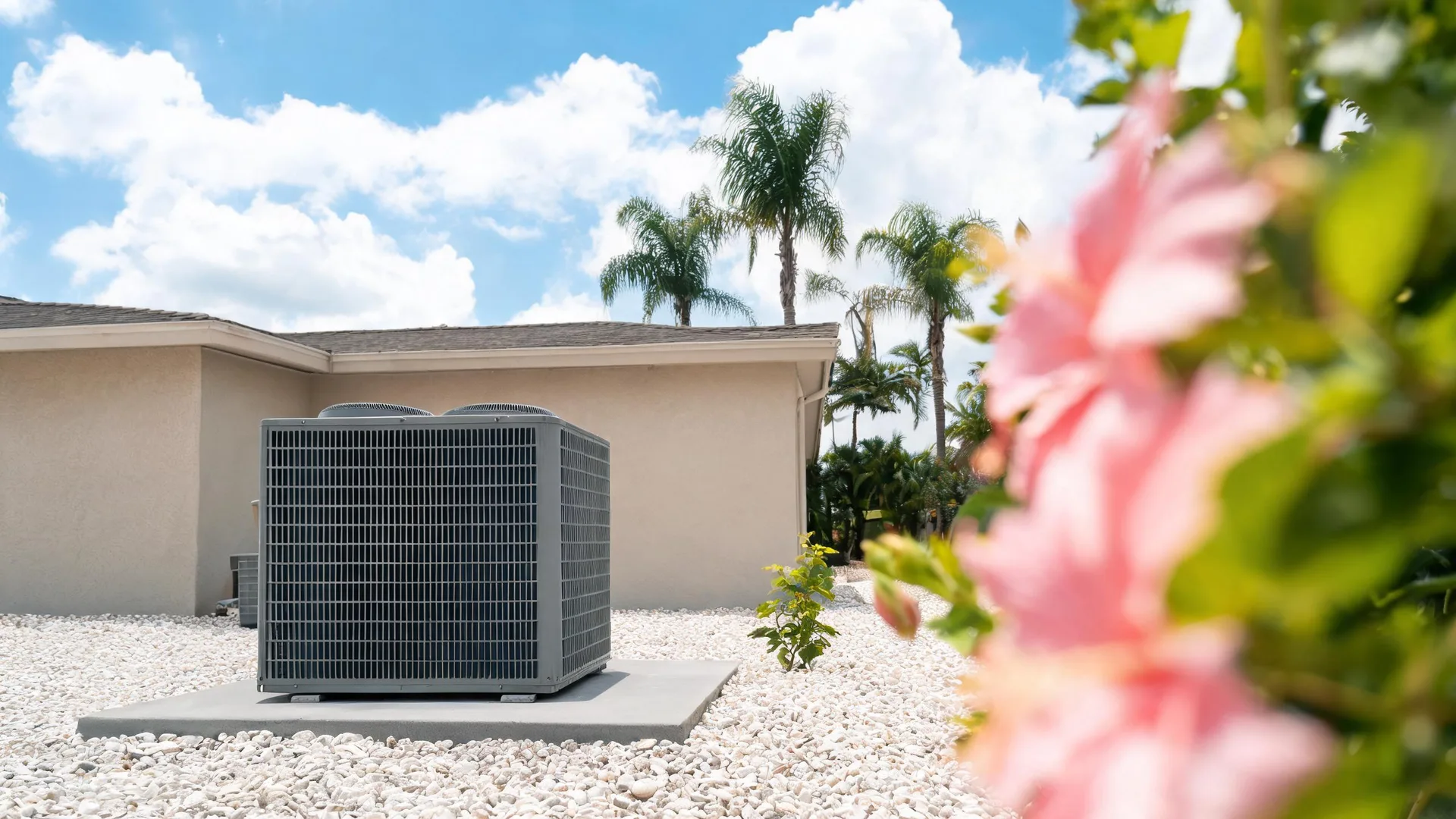
Gas is the most common fuel here
Utility gas heats 42.5% of occupied homes in McLean County. Another 27% run on bottled or LP gas, so most houses here already have a furnace handling the cold months.
Takes about a minute. No obligation.
Utility gas heats 42.5% of occupied homes in McLean County. Another 27% run on bottled or LP gas, so most houses here already have a furnace handling the cold months.
Installing one means putting in equipment that heats and cools from the same unit, rather than matching what's already there. Whoever installs it will need to size it for this house and work out how it pairs with any existing furnace or ductwork.
NOAA nClimDiv, 1991–2020 normals
Heat here runs nine months a year, September through May.
August is when to get a heat pump installed, before that first cold month asks something of it.



McLean County falls in climate zone 6A, built for cold winters that run long. Any split-system heat pump put in here has to hit at least 14.3 SEER2 for cooling and 7.5 HSPF2 for heating. That's a federal minimum, not something local, so it limits what a contractor can install no matter the brand or price point. The heating number matters more here than the cooling one. A system spends far more of the year keeping this house warm than cooling it, so a unit that just clears the heating minimum is worth a second look before it goes in.
Replace it before the season starts, so it happens on your schedule, not in a hurry.
Find a contractorWinters here run cold. Overnight lows average 5°F across December, January and February, and that's the stretch a heat pump has to cover, month after month, not just a few cold snaps. The outdoor unit sits outside through all of it, plus whatever wind and hail the county throws at it between storms. Size it to this house and this weather, not to whatever moved the most units last season.
Every heat pump loses capacity as the outdoor temperature drops. What matters is how the contractor plans for the coldest stretch. Some systems are sized to carry the house on their own. Others lean on a backup heat source once the temperature falls past a certain point. Ask where that crossover point sits and what takes over below it. A system that quietly runs on backup heat all winter is doing a different job than one built to handle the cold itself.
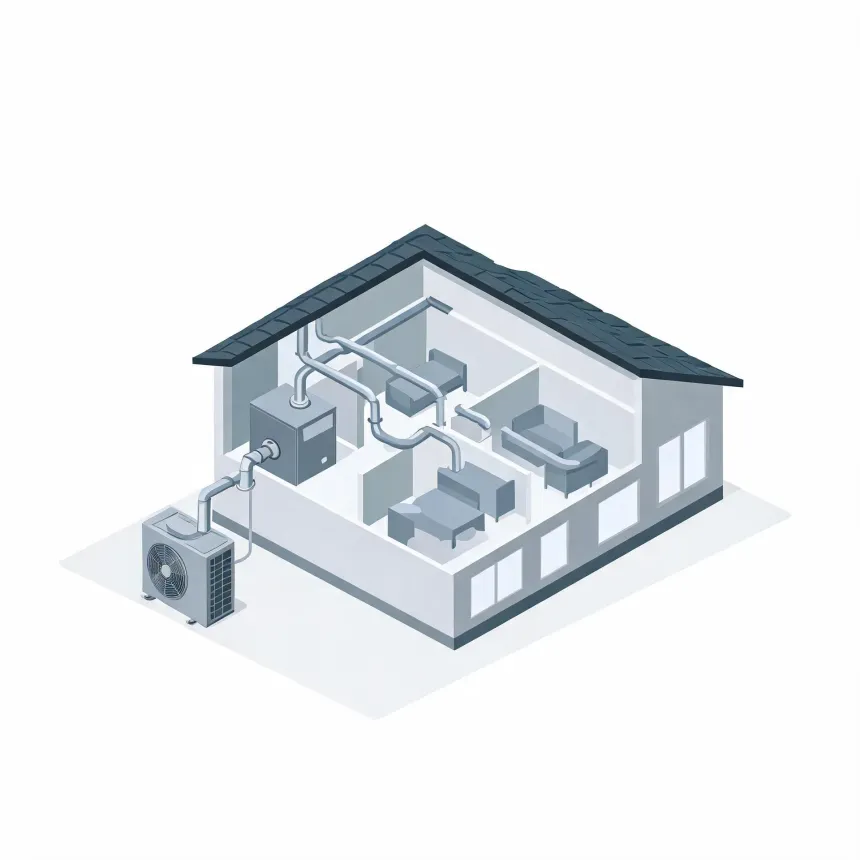
A heat pump moves a different volume of air than a furnace, and at different temperatures. Ductwork built around an old gas furnace may not move enough air for the new unit to work right. Ask whether the ducts were checked against the new equipment, not assumed to be fine because they're already there. Undersized ducts show up later as a system that runs long and never quite catches up.
If there's a furnace staying in place as backup heat, it usually just stays put, since a dual fuel setup needs it. If it's coming out, someone has to disconnect the gas line and cap it off, not just unplug the unit and walk away. A gas furnace also vents outside, through a flue or a pipe in the wall, and that has to be sealed properly once it's gone. An old condenser or compressor gets disconnected from its electrical circuit and hauled off. None of this is complicated work, but it's work someone has to do, not an afterthought at the end of the job. Ask what happens to the old equipment before the new one goes in, not after.
Installation day starts outside, with the old condenser or compressor coming off its pad and the new outdoor unit going down on a fresh one, leveled so it doesn't settle crooked. Refrigerant lines get run between the outdoor unit and the indoor coil, and those lines have to be cut, brazed and checked for leaks before anything gets charged with refrigerant. The indoor side usually means a new coil set into the existing ductwork, or into an air handler if there's no furnace staying in place. Electrical work runs alongside all of it, since a heat pump needs its own dedicated circuit sized for the equipment, not whatever was feeding the old system. Once everything's connected, the contractor charges the system, checks airflow at the vents, and runs it through both heating and cooling modes before calling it done. A thermostat swap happens somewhere in there too, and it's worth asking whether the new one is compatible with how the heat pump manages backup heat.