A snow-covered suburban street at dusk with lit houses and bare trees under a twilight sky.

Heat Pump Installation in Grafton, ND

Tell us about the job

Takes about a minute. No obligation.

New system or replacementHeat PumpWalsh County, ND
Step 1 of 2

What ZIP code is the job in?

Electricity here is cheap, but a heat pump still runs most of the year

Walsh County paid about 12.21 cents per kilowatt-hour in 2025, lower than most US counties. A heat pump earns back that low rate by running efficiently, since it works through the cold months here and not just a few weeks of mild weather.


The install decides what you pay for years after

A heat pump sized and set up right for this climate turns that cheap power into a low bill. One that is undersized or poorly matched to the house works harder for the same heat, and that shows up every month on the meter.

9 months
September through May, your system heats
2 months
July through August, it cools
1°F
the average winter night it heats against
78°F
the average summer afternoon it cools against
Isometric cutaway illustration of a single-story house showing interior ductwork, an air handler and rooms, with an outdoor condenser unit connected by refrigerant lines on a plain white background.
Your system heats September through May and cools July through August.

NOAA nClimDiv, 1991–2020 normals

Half the homes in Walsh County were built in 1971 or earlier.

A heat pump going into one of these houses has to be sized for the house it's actually going into, not a new one.

Three outdoor units, all built for this weather

71 damaging wind events from 2015 to 2024
49 hail events from 2015 to 2024
102 winter storms from 2015 to 2024

Heat here starts in September and runs through May, nine months of the year. August is the last easy month to get a system installed before that begins. Put it in during August or earlier and it goes in on a normal schedule, with time to size it to the house and set it up right. Wait and the old system has to fail first, and whatever gets installed then goes in under pressure. A heat pump installed before September is already proven out and running correctly by the time nights start dropping toward that average low of 1 degree in January.

The install decides whether cheap power actually means a low bill

Get the sizing and setup right and that low power rate works in your favor on every bill after. Get it wrong and the system fights the house all winter on the same cheap electricity, and you still pay for the extra work it does.

Find a contractor
A man in a cap, long-sleeve shirt and work pants climbs porch steps toward a dark blue front door, carrying a worn canvas tool bag, with a small potted evergreen beside the entry.
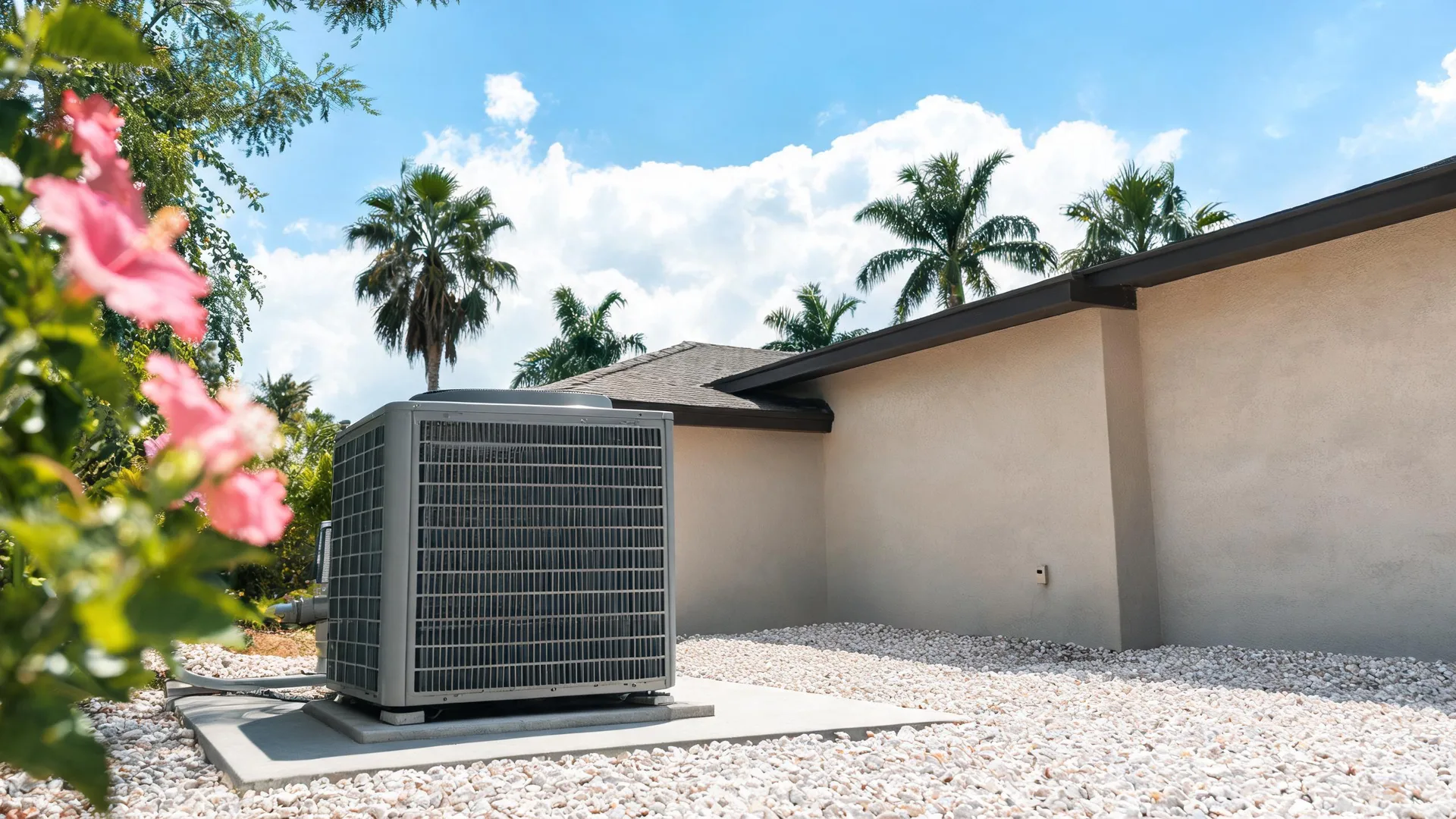
A gray heat pump outdoor unit mounted on a concrete pad next to a residential house with lap siding and stone accents.

Decades of running on whatever got installed

A load calculation is what tells an installer the size of heat pump a house actually needs, room by room, instead of going off a number from a spec sheet. Half the homes in Walsh County were built in 1971 or earlier, and a house that old wasn't built to the same standard as one going up today. Ask whoever quotes the job to walk through how they sized it for your house, not a generic one.

Bigger isn't better

A heat pump sized too large for the house will short cycle, switching on and off before it finishes a full heating or cooling run. That wears the compressor faster and leaves rooms feeling clammy in summer because the unit never runs long enough to pull moisture out of the air. Too small, and it runs constantly without catching up on the coldest days. The right size is a specific number, not a guess rounded up for safety.

The math behind the unit

An installer works out the size by calculating how much heat the house loses through its walls, windows, attic and foundation, room by room. That calculation accounts for insulation, window area, ceiling height and how the house is laid out, not just its square footage. Two houses the same size can need different equipment because one holds heat better than the other. Skipping that step and sizing off a rule of thumb is how a house ends up with a unit that never quite fits the job.

The rating on a heat pump's label tells you how much heat it moves for the power it uses, not how much heat it can put out. A higher rated unit squeezes more warmth out of the same electricity, which matters most on the days it runs longest. That rating is measured under set conditions in a lab, so the number on the label is a ceiling, not a promise. How close any installed system gets to it depends on the ductwork it's tied into, the refrigerant charge being correct, and whether the unit was sized for the house instead of oversized and left to short cycle. A top rated unit that's poorly installed will run less efficiently than a mid rated one put in correctly. The rating tells you what the equipment is capable of. The installation decides whether you ever see it.

Gas heats more homes in Walsh County than anything else, 40.4 percent, with electric heat behind it at 31.3 percent and propane and fuel oil making up most of the rest. A heat pump going into a gas-heated house usually isn't replacing a furnace outright. It's paired with one, taking over the heating load until the outdoor temperature drops low enough that the furnace picks up the hardest part of winter. That setup, called a dual fuel system, lets the heat pump run on cheap electricity most of the season and hands off to gas only when a heat pump alone would have to work too hard to keep up. If the house already has a gas furnace and ductwork, that pairing is often the straightforward path, since the furnace stays in place and the heat pump adds onto it rather than replacing the whole system.