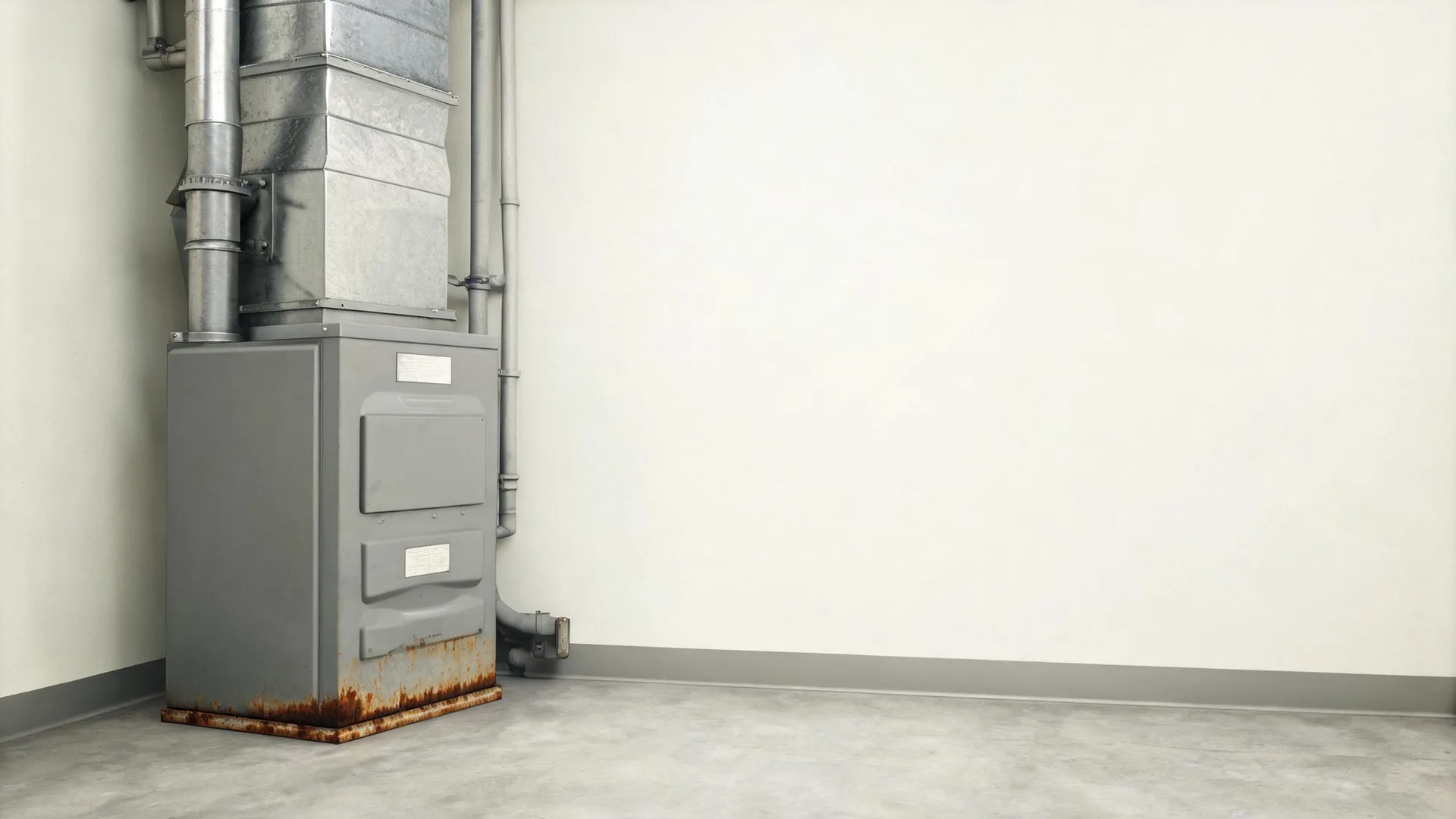
Nine months of heat a year
Furnaces in Renville County run from September through May, with overnight lows averaging 3°F in December, January and February. That's most of the year spent cycling on and off against real cold.
Takes about a minute. No obligation.
Furnaces in Renville County run from September through May, with overnight lows averaging 3°F in December, January and February. That's most of the year spent cycling on and off against real cold.
A furnace running nine months a year against sub-zero nights puts more hours on its igniter, its blower motor, its heat exchanger. Problems that look sudden are usually a part that was already worn thin. Worth having someone trace it to the real cause.
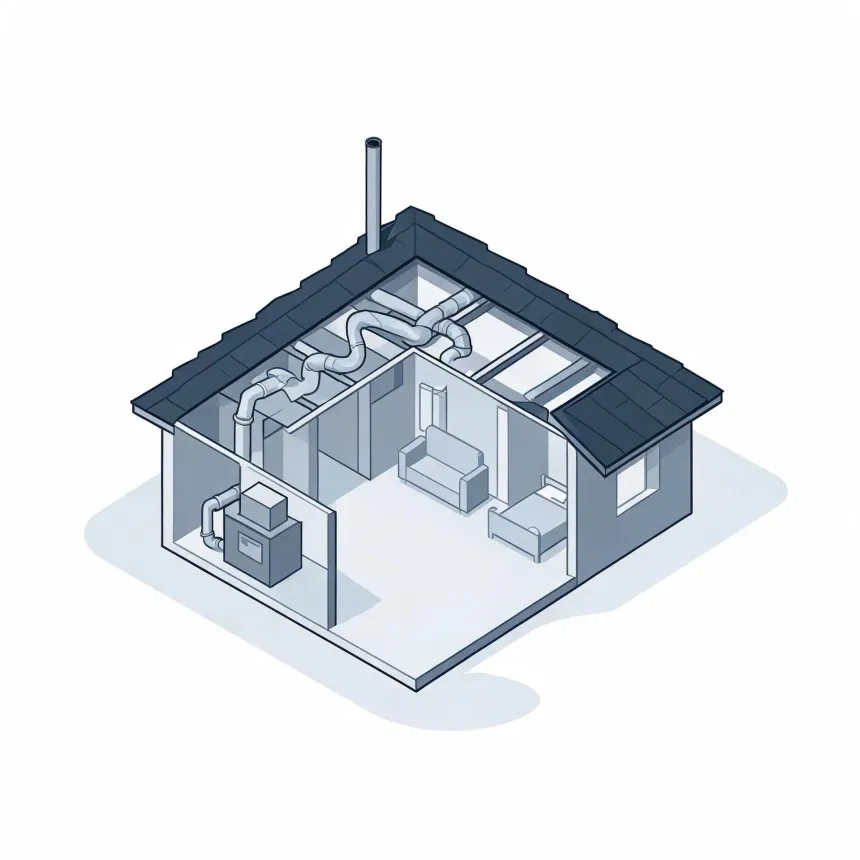
NOAA nClimDiv, 1991–2020 normals
Furnaces in Mohall go on in September.
A furnace that sat idle since spring is the one most likely to show a bad igniter or a weak blower motor the first cold week it runs.



A furnace that's been running since September has had months to let a small problem get worse. If yours is short cycling, blowing cool air, or making a new noise, that's worth a real diagnosis, not a guess. A tech can check whether it's the igniter, the blower motor, or something in the heat exchanger before the next sub-zero night finds the weak point for you. Catching it now, while it's one bad part, beats waiting for it to take the whole system down.
If your furnace is original to the house, ask your tech straight out how much life it has left before you pay for another repair. Half the homes here were built in 1973 or earlier, so plenty of these systems have had a long time to wear. A repair now is only worth it if there's enough life left to justify it.
Find a contractor
A cracked heat exchanger stays small as long as the burners stay off. Run the furnace and that crack flexes with every heat cycle, opening a little more each time. A blower motor with a failing bearing will keep turning right up until it seizes, and it's working harder on the last day than it was on the first. Ignition trouble is the same story. An igniter that glows weak instead of bright is still lighting the burners for now, but it's drawing closer to the day it doesn't. None of these get better from being left alone. A furnace doesn't rest when it idles between cycles, and it doesn't heal anything while it runs. Whatever's worn keeps wearing. The only thing that changes is how far along it gets before someone looks at it.
Look at the thermostat and make sure it's set to heat and set above room temperature. Check the furnace switch, the one that looks like a light switch near the unit, and make sure nothing bumped it off. Check the breaker for the furnace in the electrical panel. If you have a gas furnace, check the gas valve is turned to on. None of this takes tools, and it rules out the things that aren't a repair at all.
Don't take any panel off the furnace beyond what lifts off by hand, and don't reach into the burner compartment. If you smell gas, don't flip switches or try anything, just get out and call the gas company from somewhere else. Changing the air filter is safe and worth doing, a clogged filter can cause a lot of the symptoms that look like bigger problems. Past that, open it up for a tech and let them trace it.
Most furnace failures trace back to the igniter, the flame sensor, or the blower motor. The igniter cracks or weakens with age, so it glows but can't get hot enough to light the burners. The flame sensor coats over with a thin film and stops telling the control board a flame is lit, so the system shuts itself down as a safety measure. The blower motor wears at the bearings until it runs loud, runs hot, or stops turning. A dirty filter speeds up all of this, since it forces the blower to work harder and lets less air move across the heat exchanger. Any of these can look like total failure when it's really one worn part doing the rest of the damage by proxy.
A diagnostic visit starts before any panel comes off. A tech will ask what the furnace was doing right before it quit. They'll ask what it sounds like, and whether it's tripped a breaker or thrown the same error more than once. Then they check for power and gas getting to the unit, because what looks complicated is sometimes just a closed valve or a tripped switch. From there they pull the panel and watch a full cycle. They watch whether the igniter glows and holds, whether the flame sensor picks up the flame, whether the blower comes on when it should and moves air the way it's supposed to. Each of those either checks out or it doesn't. That's what narrows a guess down to one worn part.